
Table of Contents
Hebden Bridge
Introduction
If you’re looking for somewhere in England that feels a little different from the usual postcard towns, this Hebden Bridge travel guide is for you. Tucked into the Calder Valley in West Yorkshire, Hebden Bridge is a small former mill town that has reinvented itself as one of the most creative, independent-spirited places in the north of England. It’s the kind of place where you’ll find vegan cafes next to centuries-old pubs, and steep cobbled lanes leading up to wild, windswept moorland.
People visit Hebden Bridge for all sorts of reasons. Some come for the walking — the town sits right on the Pennine Way, with hills, woods, and reservoirs on every side. Others come for the art scene, the indie shops, or simply to slow down for a weekend away from London, Manchester, or Leeds. There’s also a literary pull here too, since the nearby village of Heptonstall is the resting place of poet Sylvia Plath.
What makes Hebden Bridge special isn’t one big landmark — it’s the whole package. You get genuine Yorkshire scenery, a town with real character, and enough variety packed into a small area that you could easily spend a full weekend here without getting bored. Whether you’re a first-time visitor to Yorkshire or a seasoned traveller looking for somewhere a bit more off the beaten path, this guide will walk you through everything worth knowing, from the top attractions to where to eat and how to get around.
Overview of the Destination
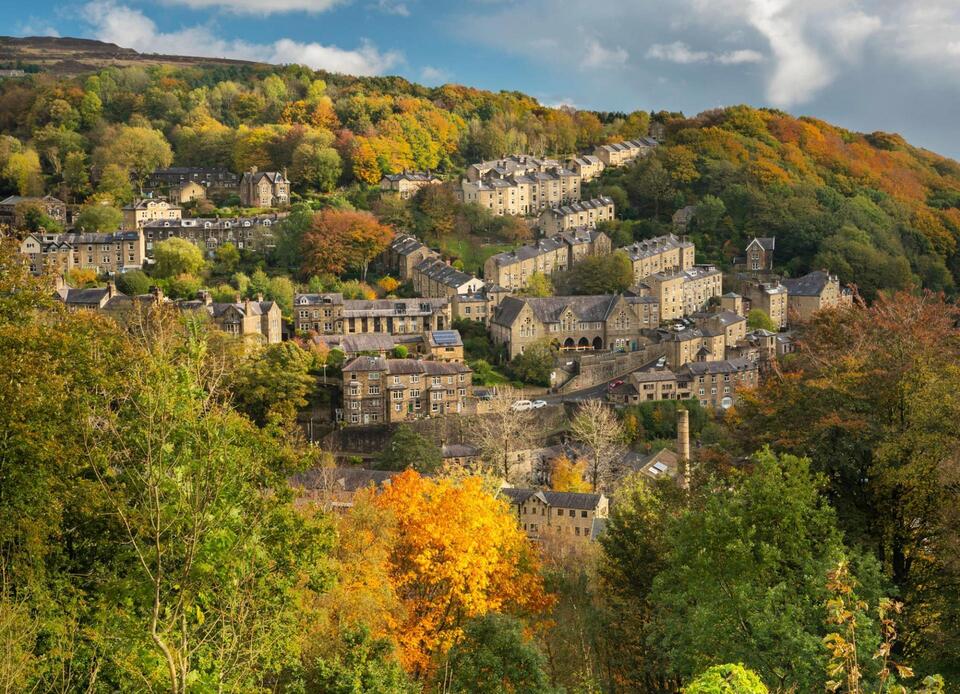
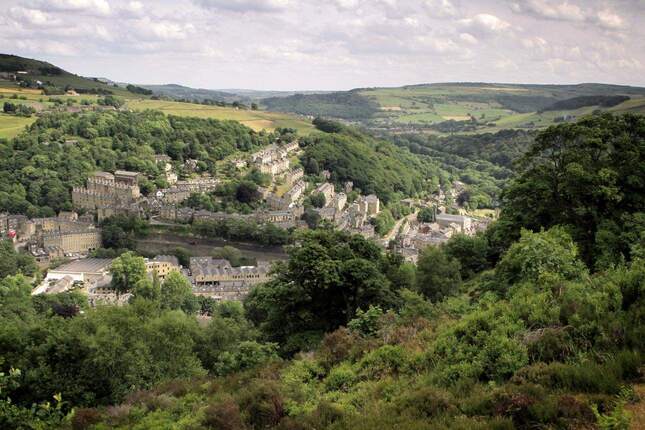
Hebden Bridge sits in the Upper Calder Valley, roughly 30 minutes by train from both Leeds and Manchester. It is a market town governed by Calderdale Council, with a population of approximately 5,000 residents, known for its vibrant arts scene and historic weavers’ cottages. The town sits at the confluence of the River Calder and Hebden Water, which gives it a genuinely picturesque setting.
What strikes most visitors first is the architecture. Because the town is built on such steep hillsides, many houses and shops were constructed in an unusual way — some buildings open onto a different street at the bottom than they do on the opposite side at the top. It’s a small detail, but it tells you a lot about how this town grew up around the steep Calder Valley landscape rather than fighting against it.
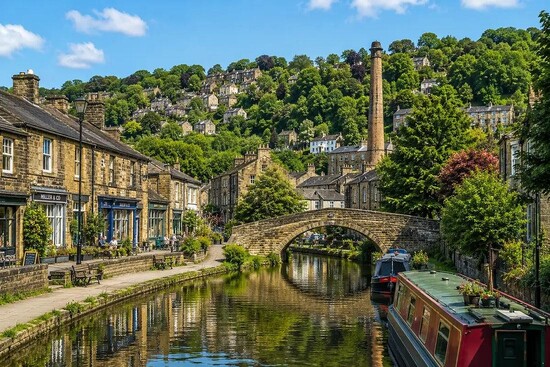
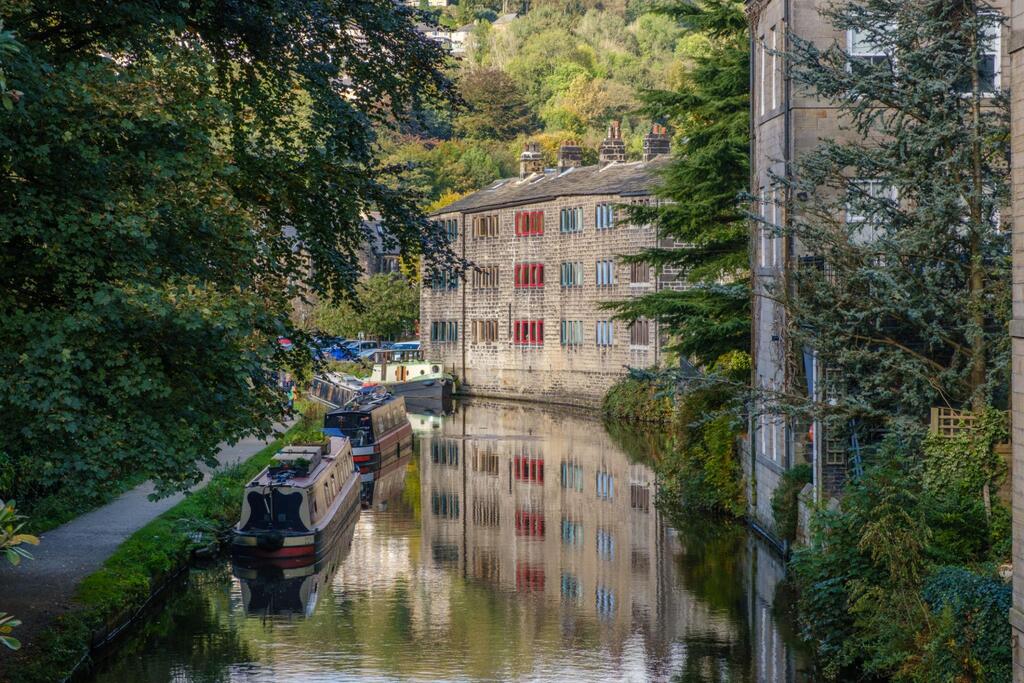
The Rochdale Canal and the River Calder both run through the centre, which means a lot of the town’s charm comes from water. You’ll see narrowboats moored along the canal, old stone bridges, and small weirs where the water tumbles over rocks. It’s calm, but never boring — there’s always something to look at as you wander.
Hebden Bridge has also picked up a fair number of accolades over the years. It won the award for Best Small Market Town at the Great British High Street Awards in 2016, with a record-breaking number of votes, and it has been described in various travel write-ups as one of the most distinctive small towns in Britain. It’s also one of six photogenic villages found in Yorkshire’s Calder Valley, which means there are several other lovely stops nearby if you want to extend your trip.
Today, the town is best known for its independent spirit. This is a place that has seen off competition from major corporations and chains, and has bounced back from devastating flooding on Boxing Day, 2015. That resilience is part of why locals are so proud of it, and why visitors often comment that Hebden Bridge feels more “real” than other tourist towns. Shops are mostly family-run, cafes have their own personality, and there’s a strong sense of community that you can feel just by walking down the main street. For anyone putting together a Yorkshire itinerary, Hebden Bridge deserves a proper stop, not just a quick photo and a coffee.
History and Culture
The Industrial Past
Hebden Bridge owes its existence to the textile industry. The town’s fortunes were first forged by textiles, with the Fustian Knife sculpture in St George’s Square paying tribute to the hard-wearing cloth made locally. Fustian cloth was a thick cotton fabric used for workwear, and the cutting process behind it was famously difficult. Fustian cutting was a laborious process that required a specialised fustian cutting knife, and the town became known for producing this material on a large scale during the 18th and 19th centuries.
You can still see traces of this industrial heritage all over town. Old mill buildings have been converted into homes, shops, and creative studios. The packhorse bridge that gave the town its name dates back centuries and was originally used by traders moving cloth and goods across the valley. Walking around, it’s easy to picture how busy and noisy this place must have been at the height of the cotton boom, with mills running along the river and canal boats hauling raw materials in and finished cloth out.
When the textile industry eventually declined through the 20th century, the town could easily have faded away like many other former mill towns did. Instead, something interesting happened.
From Mill Town to Creative Hub
The decline of the textile industry led to an influx of young people, environmentalists, and people looking for a closer connection with nature during the 1970s, and that wave of newcomers reshaped the town completely. This shift is what gave Hebden Bridge its idealism, activism, organic shops, and workers’ cooperatives, qualities the town is still known for today.
That creative reinvention never really stopped. The town now hosts the Hebden Bridge Arts Festival and the much-loved Handmade Parade, an annual event built around homemade costumes and community spirit rather than commercial sponsorship. Hebden Bridge has even been name-checked in National Geographic’s “Cool List 2019”, and locals will happily tell you it’s also been called the “fourth funkiest town in the world” by other publications over the years.
This cultural identity isn’t just for show. The town champions its garlanded open market, its celebrated Trades Club, an independent jewellery studio called The Workshop, and the historic Picture House cinema — all of which are still run by locals, for locals, as much as for visitors. If you want to understand modern Hebden Bridge, you need to see it as a town that turned economic hardship into a genuine creative renaissance, rather than one that simply moved on from its industrial roots.
Top Attractions
Hebden Bridge Town Centre and St George’s Square
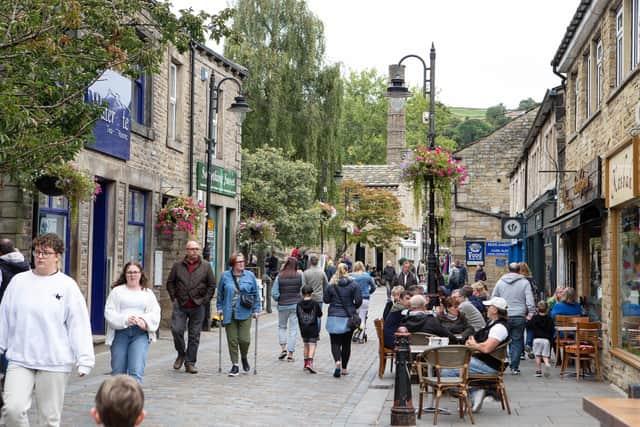
Start your visit right in the middle of town. St George’s Square is a small cobblestone town square filled with cafes, boutiques, independent shops, pubs, and restaurants, and it’s the natural hub for first-time visitors. There are often talented buskers performing here, which adds a nice bit of life to the square on a sunny afternoon.
Just off the square, you’ll find the Hebden Bridge Open Market, winner of Britain’s Best Small Open Market in 2016, a compact but lively market that sells local produce, crafts, and second-hand finds. It’s open four days a week and sells a medley of new goods, second-hand antiques, arts and crafts, and local produce. Pair a market visit with a wander through the nearby charity shops on Bridge Gate, which locals rate among the best in England for thrifting.
Heptonstall Village
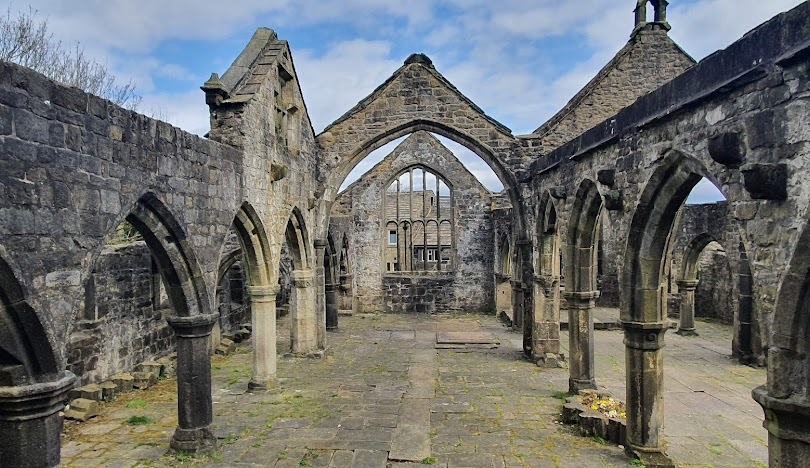
Set on the hillside above town, Heptonstall is a mile uphill from Hebden Bridge and popular with weekenders who take one of two steep routes up. Close to the path head is Heptonstall Parish Church and the grave of Sylvia Plath, the Pulitzer Prize-winning poet, which has made this quiet hamlet something of a literary pilgrimage site. Its cobblestone lanes and medieval buildings make it a worthwhile addition to any Hebden Bridge trip.
Stoodley Pike
Standing 1,300 feet up, Stoodley Pike is a 19th-century folly built to commemorate the defeat of Napoleon, later restored after the Crimean War. The 121-foot monument rewards the steep climb with panoramic views across the Calder Valley and surrounding towns. It’s a popular target for hikers and one of the most photographed landmarks in the area.
Hardcastle Crags and Gibson Mill
A National Trust property just outside town, Hardcastle Crags features deep rocky ravines, tumbling streams, and oak, beech, and pine woods, plus some of the country’s best surviving upland meadows. At its centre sits Gibson Mill, a former cotton mill that now works as a small museum. Exploring Gibson Mill helps visitors understand how the Industrial Revolution shaped Hebden Bridge and the surrounding valley.
The Rochdale Canal
The picturesque Rochdale Canal winds through the heart of Hebden Bridge, and a slow walk along the towpath is one of the simplest, most rewarding things you can do here. You’ll pass narrowboats, locks, and small cottages right on the water’s edge.
Best Things to Do
Walking and Hiking Routes
Hebden Bridge is, without question, a walker’s town. The Pennine Way, the UK’s first national trail, runs right through the area, and you don’t need to be an experienced hiker to enjoy short sections of it. The climb from town up to Heptonstall along the Pennine Way is short but steep, and it takes you past beech trees and bushes before opening into a panorama of wood, water, field, and cloud, with Hebden Bridge looking almost like a tiny Atlantis at the bottom of the valley.
For something longer, the canal towpath between Hebden Bridge and Sowerby Bridge is a favourite. This 5.5-mile route runs along the Rochdale Canal and offers gorgeous views of the Upper Calder Valley, passing old buildings, working locks, and traditional narrowboat homes along the way. Along this route you’ll also pass through Luddenden Foot, Brearley, and Mytholmroyd, the birthplace of poet Ted Hughes, before the canal-side cottages and locks lead you into Hebden Bridge itself.
If you fancy something a bit wilder, head out towards the Walshaw Dean Reservoirs, a series of three reservoirs built in the early 20th century to supply water to Halifax, surrounded by rugged moorland and popular for birdwatching, picnics, and peaceful walks.
Arts, Music, and Local Culture
Hebden Bridge punches well above its weight for a town of its size when it comes to culture. The Trades Club is a well-loved live music venue hosting concerts and gigs from local and international acts across genres, and it’s run as a community cooperative built on fair values rather than pure profit. Catching a gig here is a genuinely different experience from a big-city venue.
For film lovers, the Picture House Cinema has been operating since 1921 and shows both mainstream releases and independent or foreign-language films, and it holds the distinction of being the last remaining council-owned cinema in Britain, which means it’s run independently and not-for-profit. There’s also the cosy Hebden Bridge Little Theatre, a charming 100-seater venue that stages a handful of productions every year, often at very reasonable ticket prices.
If your visit lines up with it, the Hebden Bridge Arts Festival and the Handmade Parade are both worth building a trip around. They showcase exactly the kind of grassroots creativity that defines this town, and they’re a great way to see the community spirit in action rather than just reading about it.
Hidden Gems
Gaddings Dam
Few visitors know about this one, which is exactly what makes it special. Gaddings Dam is a reservoir near the neighbouring town of Todmorden that even has its own stretch of sand, making it feel like a small beach experience tucked away in the Yorkshire hills. It requires a good hike up from Todmorden, but the reward is swimming in the dam and relaxing on the sand afterwards on a sunny day. It’s often described as a hidden gem really only known about by locals.
Quiet Micropubs and Backstreet Bars
Beyond the obvious pubs on the main streets, Hebden Bridge has a handful of smaller, quieter spots that don’t always make the typical “top things to do” lists. One example is a small micropub right in the centre of town, with a covered outdoor space for the Yorkshire weather and eight taps serving a mix of keg and cask beers, known among regulars for its friendly, “lived-in” feel and occasional themed nights and quizzes.
Out near the village of Colden, there are tiny countryside inns that feel a world away from anywhere touristy. One traveller recalled getting caught in heavy rain on a walk near Colden, only for the landlord of a closed inn to kindly invite them in for coffee and a snack, refusing payment — the kind of genuine hospitality that’s hard to find in busier destinations.
Independent Shops Worth Seeking Out
Look out for smaller independent shops like Art Illuminated, Weighstead, Spirals, Hotcakes, and the charmingly named Lucy and the Caterpillar, which sell everything from local art to organic produce and quirky gifts. These shops rarely appear on big travel sites, but they’re exactly the sort of place that makes wandering around Hebden Bridge so enjoyable. Set aside an unstructured hour or two just to browse without a fixed plan — it’s often the best way to find something memorable.
Local Food and Dining
Cafes, Bakeries, and Casual Bites
Food in Hebden Bridge leans heavily towards independent, ethically minded businesses, and that’s part of its appeal. The Dosa serves highly rated, authentic Indian street food, ideal for a quick bite or takeaway, while Alma’s Ethical Cakes & Bakes is a popular spot for ethically sourced cakes, bakes, and coffee. If you’re after something heartier nearby, a Mytholmroyd inn just down the valley is known for its hearty Yorkshire carvery and superb roasts.
Cafes around St George’s Square and along the canal are perfect for relaxed mornings — order a coffee, grab an outdoor table if the weather allows, and watch the town go about its business. Many of these cafes use local suppliers, and you’ll often see vegetarian and vegan options listed clearly, which fits the town’s long-standing ethical, community-driven outlook.
Pubs, Bars, and Evening Drinks
For something more lively in the evening, Nelsons is a fully plant-based wine bar housed in the old Coop building, open from 5pm with a menu of local fresh produce and notable vegan wines, and it’s particularly well loved for its underground, cosy atmosphere. It’s dog-friendly too, so you don’t need to leave your travel companion behind.
Traditional pubs are easy to find as well, often tucked into old stone buildings with low ceilings and open fires in winter. Many are community-owned, reflecting the cooperative spirit that runs through so much of the town’s business culture. If you’re heading out for an evening, it’s worth asking locals for their personal favourite rather than relying purely on online rankings — in a town this small, word of mouth still counts for a lot. Whatever you choose, expect generous portions, friendly service, and a genuinely warm Yorkshire welcome.
Best Time to Visit
The most popular stretch to visit Hebden Bridge runs from late spring through early autumn. Many seasoned visitors recommend the summer months specifically, since the better weather from May to September makes it much easier to enjoy the glorious walks and historic sights around town. During these months, the hills are green, the canal towpaths are dry and easy to walk, and outdoor seating at cafes and pubs is in full use.
That said, Hebden Bridge has plenty going for it outside peak summer too. Spring brings fewer crowds and lovely light for photography, especially around the canal and the wooded valley sides. Autumn turns the surrounding hills into a mix of golds and rust-reds, which pairs beautifully with the town’s stone architecture — this is arguably the most photogenic season if you don’t mind cooler weather.
Winter is quieter and wetter, with shorter daylight hours, so it’s less ideal if hiking is your main goal. However, the cosy pubs and indie cafes really come into their own this time of year, and if you enjoy a quieter, more local experience without summer crowds, a winter weekend can still be charming. Just pack proper waterproofs and decent footwear, since the steep paths up to Heptonstall and Stoodley Pike can get slippery.
If your trip depends on a specific event, plan around the Hebden Bridge Arts Festival or the Handmade Parade, both of which typically take place in the warmer months and bring extra energy and colour to the town. Booking accommodation a little ahead of time is wise during these events, since the town is small and rooms can fill up quickly.
Where to Stay
Hebden Bridge offers a good mix of accommodation considering its size. There are around 81 places to stay listed for the town, ranging from boutique bed and breakfasts to self-catering cottages and a well-regarded hostel.
For travellers who want to be right in the centre of the action, staying near the canal or St George’s Square puts you within walking distance of nearly everything — shops, restaurants, the market, and the train station. This is the most convenient choice if you don’t have a car and plan to explore mostly on foot.
If you prefer a quieter base, consider accommodation slightly outside the centre, towards Mytholmroyd or up near Heptonstall. You’ll trade a short uphill walk or a quick taxi ride for more peaceful surroundings and, in many cases, better valley views.
Budget travellers often head for the town’s hostel, which is popular with hikers tackling the Pennine Way, while couples or those after something more special tend to look at the converted weavers’ cottages and boutique B&Bs scattered around town, several of which sit right alongside the canal. Whatever your style or budget, book ahead during summer weekends and festival dates, as the town’s compact size means options can sell out faster than you’d expect for a place this size.
Transportation Guide
Getting to Hebden Bridge
Hebden Bridge is around 30 minutes by train from both Manchester and Leeds, and roughly three hours from London. By car, it’s about an hour from Manchester or Leeds, and around four hours from London. Both Manchester and Leeds have international airports, which makes the town genuinely easy to reach even if you’re flying in from overseas.
The train is the recommended way in. One of the best things about Hebden Bridge is how easy it is to reach from both Leeds and Manchester, with direct, fast trains from both major northern cities making it simple and affordable to get to. The train station sits a short, flat walk from the town centre, so there’s no need to worry about steep climbs with luggage in tow.
Getting Around Once You’re There
Hebden Bridge’s council actively discourages driving into town to avoid congestion, and honestly, once you’re there, you’ll see why — the centre is compact and walkable, with narrow streets that weren’t built for heavy traffic. Most attractions, shops, and restaurants in the town centre are within a 10–15 minute walk of each other.
For the surrounding villages and sights, like Heptonstall, Hardcastle Crags, or Stoodley Pike, walking is again the most common option, although it does mean tackling some genuinely steep hills. If you’d rather skip the climb, local taxis are available for short hops, and there are also boat trips along the canal for a more relaxed way to take in the scenery — Hebden Bridge Cruises offers a good jumping-off point for exploring the surrounding countryside by water. For trips further afield, regional trains connect easily to nearby towns like Sowerby Bridge, Todmorden, and Halifax, making day trips simple without needing a car at all.
Travel Tips for First-Time Visitors
Pack proper walking shoes, even if you’re not planning a big hike. The town itself involves slopes, cobbles, and uneven pavements, and you’ll likely end up walking more than you expect just exploring the centre and nearby viewpoints.
Bring layers and a waterproof jacket regardless of the season. Yorkshire weather changes quickly, and a sunny morning can turn into a damp afternoon without much warning, especially up on the moors around Stoodley Pike.
Don’t try to drive everywhere. As mentioned earlier, the council discourages it for good reason — parking is limited and the streets are narrow. Arriving by train and walking or taking the occasional taxi is far less stressful.
Support the independent shops and cafes rather than searching for chain alternatives — you genuinely won’t find many chains here, and that’s exactly the point. It’s part of what makes the town worth visiting in the first place.
If you’re planning to visit Heptonstall or Stoodley Pike, start earlier in the day. The climbs are rewarding but can take longer than expected, and you’ll want decent daylight, especially outside summer months.
Finally, check opening days for the open market and smaller attractions before you go, since some only operate on specific days of the week. A little planning here avoids disappointment, especially if you’re only in town for a short weekend trip.
Frequently Asked Questions (FAQs)
What is Hebden Bridge best known for?
Hebden Bridge is best known for its independent, creative spirit, its history as a former textile mill town, and its dramatic Calder Valley setting. It’s popular with walkers, artists, and anyone looking for a charming alternative to England’s bigger, busier tourist towns, with plenty of indie shops, cafes, and nearby hiking trails.
How many days do you need in Hebden Bridge?
Most visitors spend two days in Hebden Bridge, which is enough time to explore the town centre, walk up to Heptonstall, and fit in one longer hike or canal walk. If you want to see Hardcastle Crags, Stoodley Pike, and nearby villages too, three days gives you a more relaxed pace.
Is Hebden Bridge worth visiting?
Yes, Hebden Bridge is well worth visiting, especially if you enjoy walking, independent shops, and small-town character rather than big-name attractions. Its mix of history, creative culture, and beautiful valley scenery makes it one of the most distinctive towns in West Yorkshire.
How do I get to Hebden Bridge without a car?
Hebden Bridge is easily reached by train, with direct services from both Manchester and Leeds taking around 30 minutes. The train station is a short, flat walk from the town centre, and the council actively discourages driving in, so arriving by rail is the simplest and most stress-free option.
What is there to do in Hebden Bridge for free?
Many of the best things to do in Hebden Bridge cost nothing. Walking the Rochdale Canal towpath, wandering St George’s Square, browsing independent shops, and hiking up to Stoodley Pike or Heptonstall are all free, making it an easy destination for budget travellers.
Is Hebden Bridge good for a weekend trip?
Yes, Hebden Bridge is ideal for a weekend trip. Its compact size means you can comfortably cover the main attractions, enjoy local food, and fit in at least one good walk within two days, without needing a car or a long, complicated itinerary.
What is the best time of year to visit Hebden Bridge?
The best time to visit is between May and September, when the weather is mildest and walking trails are easiest to enjoy. Autumn is also lovely for valley views and colour, while winter suits travellers who prefer a quieter, cosier visit centred around pubs and cafes.
Is Heptonstall the same as Hebden Bridge?
No, Heptonstall is a separate, smaller village set on the hillside above Hebden Bridge, about a mile uphill. It’s known for its medieval buildings, cobbled lanes, and as the resting place of poet Sylvia Plath, and is usually visited as a short add-on trip from Hebden Bridge itself.
Conclusion
Hebden Bridge isn’t trying to be the biggest or flashiest destination in England, and that’s exactly its charm. This Hebden Bridge travel guide has walked through the top places to visit, from the cobbled lanes of Heptonstall and the panoramic views at Stoodley Pike, to quieter finds like Gaddings Dam and the town’s many independent cafes and shops. Add in its fascinating textile history, its reinvention as a creative hub in the 1970s, and its genuinely warm, community-driven culture, and you’ve got a town that rewards slow, curious exploration far more than a rushed checklist.
Getting here is simple, costs stay reasonable compared to bigger UK cities, and the surrounding Calder Valley gives you enough walking, scenery, and day-trip options to fill several visits, not just one. Whether you’re drawn by the literary history, the live music at the Trades Club, a quiet pint in a community-run pub, or simply the chance to wander somewhere that still feels like itself, Hebden Bridge delivers a kind of authentic English charm that’s becoming harder to find elsewhere.
So if you’re planning your next Yorkshire trip, don’t just pass through — give Hebden Bridge the proper weekend it deserves. Pack your walking shoes, bring a sense of curiosity, and let this small but spirited valley town show you why so many travellers end up coming back more than once.