
Table of Contents
Brecon Beacons
Introduction
The Brecon Beacons is one of the most rewarding destinations in Wales for travelers who enjoy mountains, waterfalls, peaceful countryside, and outdoor adventures. From the dramatic summit of Pen y Fan to the beautiful waterfalls of Waterfall Country, the region offers a wide range of places to explore. There are also historic attractions, charming towns, lakes, and scenic walking routes that make the area appealing to both experienced hikers and casual visitors.
Choosing the right trail can make a big difference, especially if you are visiting the Brecon Beacons for the first time. Some routes are short and relatively easy, while others involve steep climbs, changing weather, and more demanding mountain terrain. Knowing what to expect before setting out can help you choose a route that matches your time, fitness level, and travel plans.
This Brecon Beacons hiking guide brings together 12 scenic trails and useful places to explore, including Pen y Fan, Waterfall Country, Hay-on-Wye, Carreg Cennen Castle, and Llangorse Lake. It also provides practical information to help you plan your visit, from choosing walking routes to understanding local conditions.
The recommendations in this guide are based on destination research, publicly available visitor information, and established travel guidance. Mountain weather and trail conditions can change quickly, so always check current conditions and local advice before starting a hike.
Why Visit Brecon Beacons (Bannau Brycheiniog National Park)
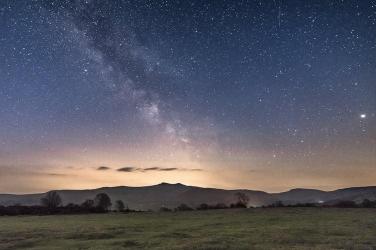
Most people come for Pen y Fan, and it’s a fair reason — the walk up South Wales’s highest peak is genuinely one of the best short mountain hikes in Britain. But the park’s real strength is variety packed into a small area. You can swim under a waterfall in the morning, browse secondhand bookshops in Hay-on-Wye by lunch, and be looking up at the Milky Way that same night, since the park is an International Dark Sky Reserve.
The National Park covers roughly 519 square miles, stretching from Llandeilo in the west to Hay-on-Wye in the northeast. Within that boundary sit four distinct areas: the Black Mountain in the west, Fforest Fawr and Waterfall Country in the centre-south, the central Brecon Beacons range around Pen y Fan, and the Black Mountains in the east near the English border.
It’s also close enough to major cities to work as a weekend break. Cardiff is around 45 minutes from the southern edge of the park, and Bristol is under two hours away, which makes the Beacons one of the most accessible wild landscapes in the UK.
Quick facts:
- Established: 1957 (Wales’s third national park)
- Size: 519 square miles (1,344 km²)
- Highest peak: Pen y Fan, 886 metres
- Official status: Renamed Bannau Brycheiniog National Park in April 2023
- Dark Sky status: International Dark Sky Reserve since 2013
Best Things to See and Do
There’s enough here for a weekend or a two-week road trip, depending on your pace. The main draws split into four categories: mountain walking, waterfalls, castles and history, and low-key market towns.
For walkers, the central Beacons range around Pen y Fan, Corn Du, and Cribyn offers the classic ridge walks, while Waterfall Country near Ystradfellte has flatter, forested trails that suit families better. The Black Mountains in the east are quieter still, with long ridge routes and few crowds even in August.
For non-walkers, Hay-on-Wye’s bookshops, the National Showcaves Centre for Wales, and a paddle on Llangorse Lake all offer a full day out without a steep climb involved.
Estimated visit time: Most visitors need a minimum of two full days to see the highlights; five to seven days allows time for both mountain days and rest days in the towns.
Accessibility note: Pen y Fan’s main route from Storey Arms is steep and uneven underfoot, and not suitable for wheelchairs or pushchairs. For accessible nature experiences, the Taff Trail sections near Talybont Reservoir and the paths around Llangorse Lake are flatter and better surfaced.
Top Attractions
Pen y Fan and Corn Du
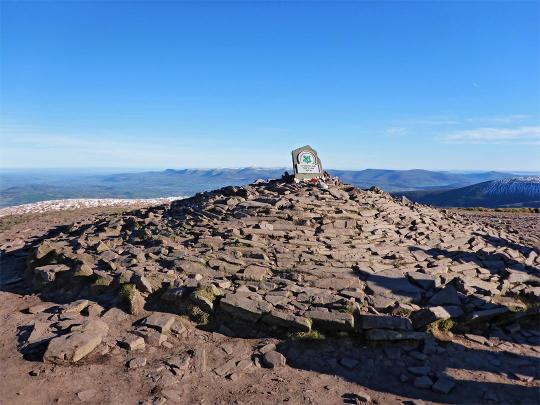
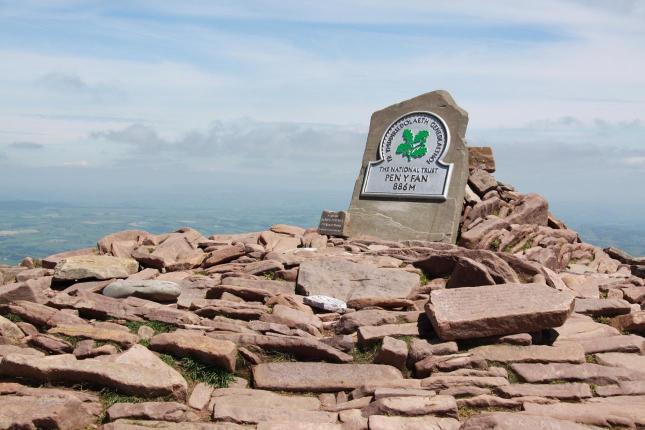
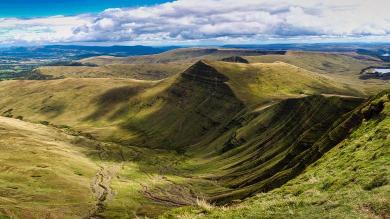
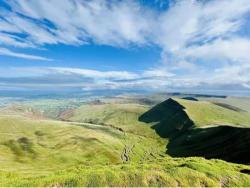
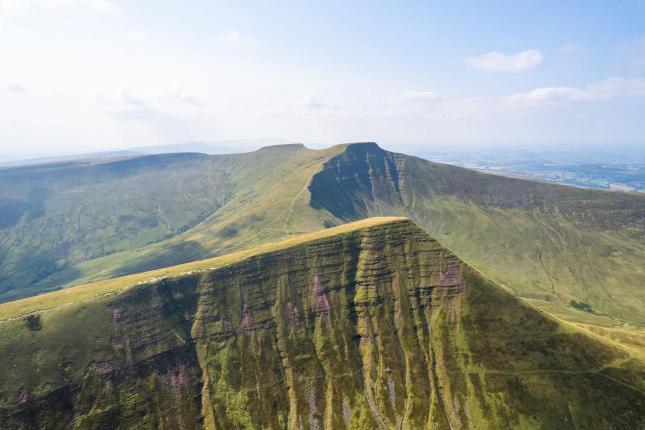
The undisputed centrepiece of the park. At 886 metres, Pen y Fan is the highest point in southern Britain, and the most popular route (from the Storey Arms car park) takes most walkers three to four hours return. Go early — by 10 a.m. on a summer weekend, the car park is often full and the summit crowded. Sturdy footwear is essential; the path is exposed and can be genuinely dangerous in poor visibility or high wind.
Waterfall Country and the Four Falls Trail
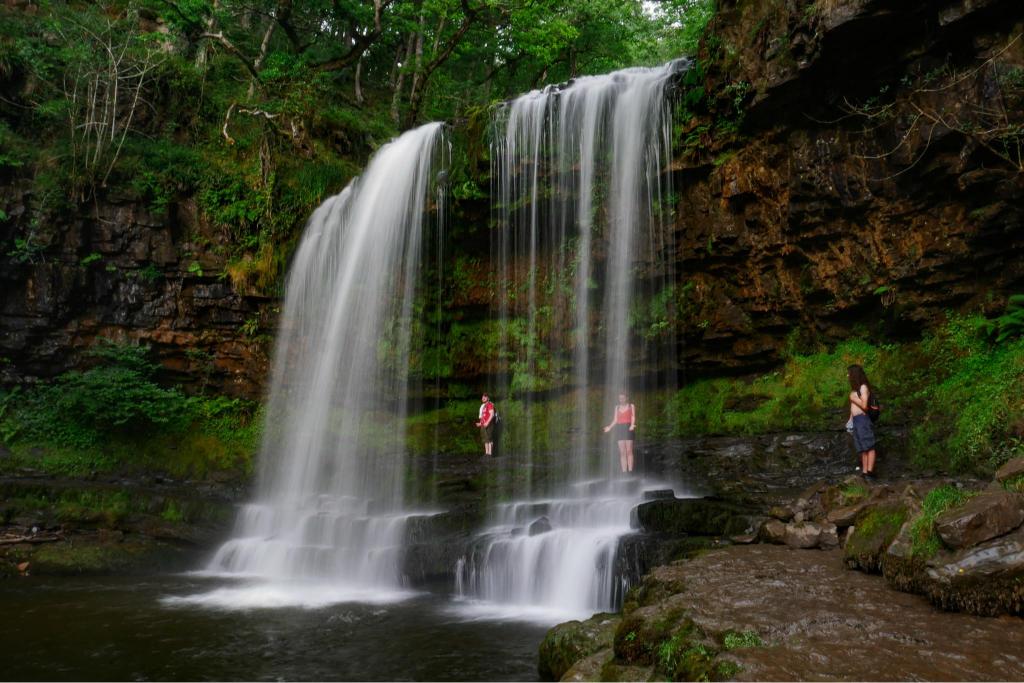
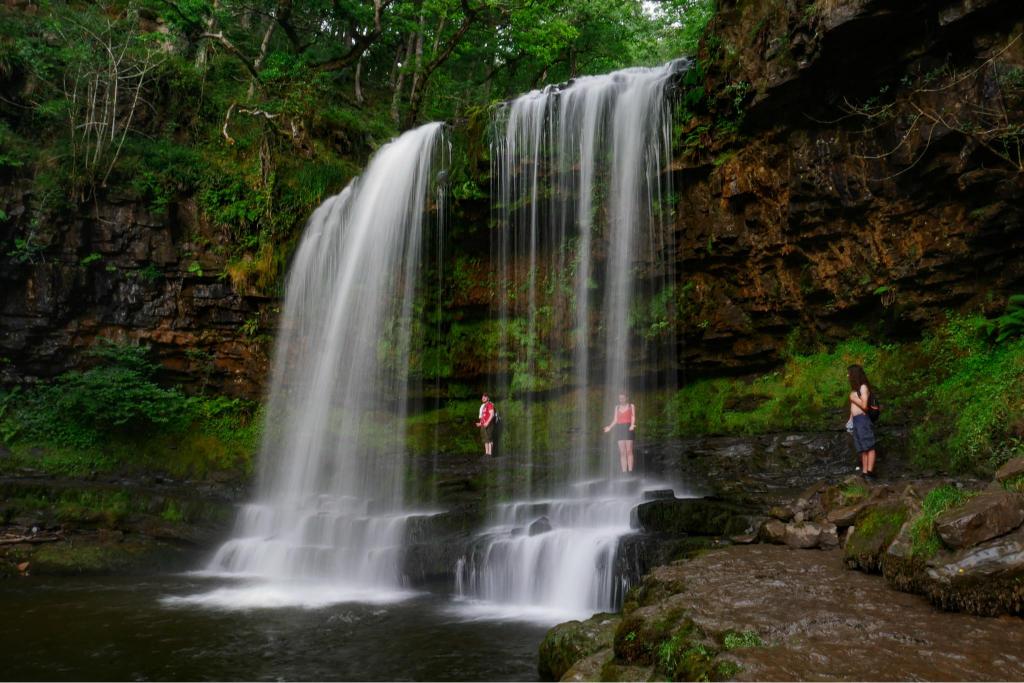
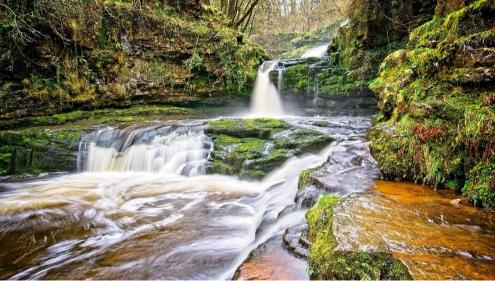
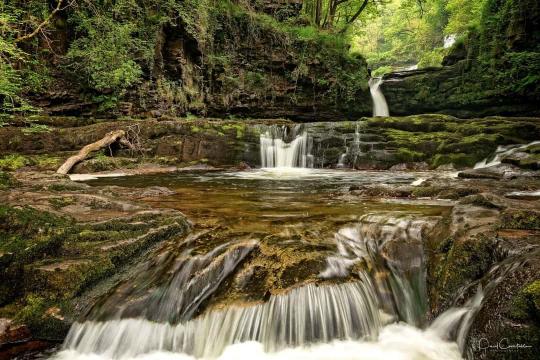
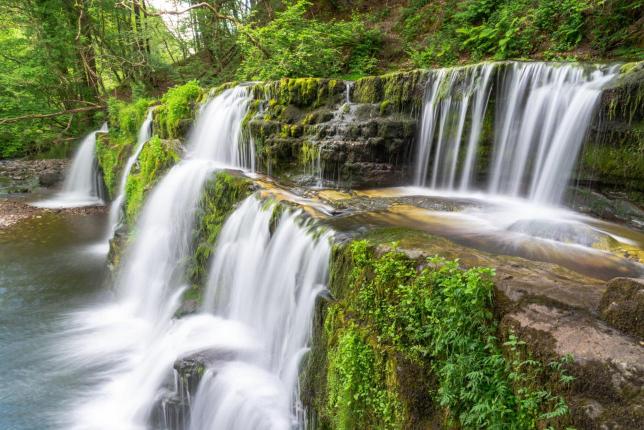
Around the village of Ystradfellte, the Rivers Mellte and Hepste have carved a series of dramatic waterfalls through wooded gorges. The Four Falls Trail is a roughly 5.5-mile circular walk taking in Sgwd Clun-Gwyn, Sgwd Isaf Clun-Gwyn, Sgwd y Pannwr, and the famous Sgwd yr Eira — the waterfall you can walk behind. Allow three to four hours, and expect muddy, slippery paths after rain.
National Showcaves Centre for Wales
Near Dan-yr-Ogof, this is Britain’s largest showcave system, with guided routes through dramatic limestone chambers. It’s a reliable rainy-day option and works well for families, with dinosaur models and a museum alongside the caves themselves.
Carreg Cennen Castle
Perched on a limestone crag above the Cennen Valley, this ruined 13th-century castle has one of the most dramatic settings of any castle in Wales. A passage leads down into a natural cave beneath the ruins — bring a torch.
Hay-on-Wye
Technically just inside the national park boundary, this small town is famous as the “town of books,” with dozens of secondhand bookshops and the annual Hay Festival each spring. It’s a good half-day stop, especially combined with a walk along the River Wye.
The bookshop scene started almost by accident in the 1960s, when a local bookseller began buying up entire private libraries and warehousing them in the town’s old buildings, including a converted cinema. That legacy is still visible today: shelves spill into old chapels, castle courtyards, and narrow backstreet units, and browsing is genuinely part of the appeal rather than just a shopping errand. Even visitors who aren’t big readers tend to enjoy an hour or two wandering the stalls and independent cafés.
Llangorse Lake
The largest natural lake in South Wales, Llangorse sits just east of Brecon and offers a gentler alternative to the mountain routes. Canoe and paddleboard hire is available in summer, and a level path around parts of the shoreline suits families and slower walkers. A small crannog — an artificial island dating back over a thousand years — sits near the lake’s edge, one of the few examples of its kind in Wales.
[Image suggestion: Carreg Cennen Castle ruins on a limestone crag. ALT text: “Carreg Cennen Castle perched above the Cennen Valley in Bannau Brycheiniog National Park”]
Approximate costs (2026 guide prices):
| Attraction | Typical Adult Price |
|---|---|
| National Showcaves Centre | £18–£22 |
| Carreg Cennen Castle (Cadw) | £6–£8 |
| Pen y Fan / Waterfall Country walks | Free (parking fees apply) |
| Llangorse Lake watersports | £15–£40 depending on activity |
History
Long before it was a National Park, this was Brycheiniog — an independent Welsh kingdom of the early Middle Ages, said to have been ruled by the 5th-century King Brychan. That history is exactly why the park reclaimed the name Bannau Brycheiniog in 2023, meaning roughly “the peaks of Brychan’s kingdom.” <cite index=”3-1″>The park authority noted that the old English name never really translated meaningfully, and burning beacon fires had no historical evidence of ever standing on the summits.</cite>
Iron Age hillforts dot the higher ground, evidence of settlement stretching back over two thousand years, and Roman roads once crossed the area linking forts at Y Gaer near Brecon with the wider network across Wales. Medieval Norman lords later built castles at Carreg Cennen, Tretower, and Brecon itself to control the valleys below.
More recently, the area has a military connection that surprises many visitors: the British Army’s Infantry Battle School is based in Brecon, and the SAS and SBS still use the mountains, including Pen y Fan, to test recruits during selection — a tradition locals refer to as the “Fan Dance.” Walkers on the main Storey Arms route will often pass small memorial plaques dedicated to soldiers who died during training exercises in poor weather, a reminder of how quickly conditions on these hills can turn dangerous even though the summits look gentle from a distance.
Farming has shaped the landscape just as much as any single historical event. The open, close-cropped grassland that gives the Beacons their distinctive rounded silhouette is largely the result of centuries of sheep grazing, and many of the stone walls, drovers’ roads, and old farmhouses scattered through the valleys date back several hundred years. The Brecon and Monmouthshire Canal, now a popular towpath walk and cycle route, was built in the late 18th century to move limestone, coal, and agricultural goods rather than for leisure, and it’s worth remembering that history as you cycle its quiet, tree-lined length today.
Hidden Gems
Beyond the well-photographed spots, a few places reward visitors willing to go slightly off the obvious route.
- Llyn y Fan Fach – A glacial lake tucked beneath the cliffs of the Black Mountain, tied to the Welsh legend of the Lady of the Lake. The walk in is quieter than Pen y Fan and just as dramatic.
- Tretower Court and Castle – A remarkably intact medieval manor house paired with an earlier castle ruin, usually overlooked in favour of Carreg Cennen.
- Talybont Reservoir and Forest – Good for gentle cycling and quiet lakeside walking, with far fewer visitors than the central Beacons.
- Sgwd Gwladus (Lady Falls) – A shorter, less crowded alternative to the Four Falls Trail, reachable in under an hour on foot from Pontneddfechan.
- Cwm Gwdi and the “quiet side” of Pen y Fan – Approaching from the north instead of Storey Arms adds distance but avoids most of the crowds.
Best Waterfalls and Mountain Walks
Since this is an inland, mountainous national park rather than a coastal one, the walking here splits naturally into waterfall trails and summit routes.
Waterfall walks are generally shorter, shaded, and more forgiving underfoot once you’re off the main paths — good for warmer months when the tree cover offers relief from the sun. Sgwd yr Eira remains the standout, purely because you can walk on a rock ledge behind the curtain of falling water.
Summit walks are exposed, weather-dependent, and require proper preparation. Besides Pen y Fan, the ridge walk linking Corn Du, Pen y Fan, and Cribyn makes a satisfying loop of around 8 miles, with far fewer people once you’re past the main Pen y Fan summit.
Comparison table:
| Walk | Distance | Difficulty | Best For |
|---|---|---|---|
| Pen y Fan via Storey Arms | 5 miles return | Moderate–hard | First-time summit walkers |
| Four Falls Trail | 5.5 miles | Moderate | Waterfall photography |
| Corn Du–Pen y Fan–Cribyn ridge | 8 miles | Hard | Experienced hikers |
| Sgwd Gwladus (Lady Falls) | 2 miles return | Easy | Families, short visits |
| Llyn y Fan Fach | 5 miles return | Moderate | Quiet scenery, photography |
Tip box: Mountain weather changes fast here. Even on a clear morning, pack a waterproof layer, check the Met Office mountain forecast before setting out, and let someone know your planned route if walking solo.
Local Food and Famous Specialties
Wales’ food culture runs through the Beacons, and it’s worth building meals around local producers rather than defaulting to chain cafés.
Welsh lamb is the signature dish across the region, raised on the hill pastures you’ll be walking through, and appears on nearly every pub menu from Brecon to Crickhowell. Welsh cakes, griddle-cooked and lightly spiced, make an easy walking snack and are sold fresh in most town bakeries. Look out too for Welsh rarebit, a richer, beer-and-mustard version of cheese on toast that originated in Wales.
Brecon itself is known for Brecon Carreg spring water, bottled locally, and the town hosts the long-running Brecon Jazz Festival each August alongside a smaller food and beer festival. Crickhowell has built a strong reputation for independent producers, including its own community-owned bakery and butcher.
For a sit-down meal, market towns like Crickhowell, Talgarth, and Brecon have a good spread of gastropubs serving modern Welsh menus, usually built around lamb, local trout, and seasonal vegetables from nearby farms.
[Image suggestion: Plate of Welsh lamb with seasonal vegetables at a countryside pub. ALT text: “Traditional Welsh lamb dish served at a pub in the Brecon Beacons”]
Family tip: Most pubs in the park are genuinely dog- and child-friendly, useful to know after a muddy walk when nobody wants to sit somewhere too formal.
Best Time to Visit
Spring (March–May) brings waterfalls at their fullest after winter rain, wildflowers on the lower slopes, and noticeably fewer visitors than summer. It’s arguably the best season for photography.
Summer (June–August) is peak season, with long daylight hours ideal for the bigger ridge walks, but Pen y Fan car parks fill early on weekends. Book accommodation well ahead if travelling in July or August.
Autumn (September–November) turns the bracken and woodland gold, waterfalls swell again with rain, and stargazing conditions improve as nights lengthen — a strong season for the dark sky reserve.
Winter (December–February) can bring snow to the higher summits, creating genuinely alpine conditions on Pen y Fan that require winter hiking experience and equipment. It’s quiet, atmospheric, and best suited to experienced walkers rather than casual visitors.
Quick fact box:
- Wettest months: November–January
- Driest months: April–June
- Best stargazing: October–February, away from town lights
- Busiest weekends: Any dry Saturday between June and August
Where to Stay
Brecon makes the most practical base, with the widest choice of hotels, B&Bs, and pubs with rooms, plus easy access to both the central Beacons and Waterfall Country.
Crickhowell suits couples and food-focused trips, known for its boutique inns and strong restaurant scene, with the Black Mountains on the doorstep.
Talybont-on-Usk works well for walkers and cyclists, sitting close to the reservoir and canal path, with a couple of good pubs offering simple rooms.
Hay-on-Wye is the pick for a bookish, slower-paced stay, particularly appealing outside the busy festival period in late May.
For those wanting to camp or stay in a cabin, several farm campsites and glamping pods are scattered around Libanus and Sennybridge, both close to the National Park Visitor Centre.
Comparison table:
| Base Town | Best For | Distance to Pen y Fan |
|---|---|---|
| Brecon | First-timers, central base | 20 minutes |
| Crickhowell | Food, couples | 25 minutes |
| Talybont-on-Usk | Walkers, cyclists | 15 minutes |
| Hay-on-Wye | Relaxed, bookish trips | 45 minutes |
How to Get There
By car, the park sits just off the A470 and A40, with Storey Arms and the main Pen y Fan car parks roughly 45 minutes from Cardiff and around two hours from Bristol via the M4. Sat nav coordinates are more reliable than postcodes for the remote car parks, since several share postcodes with points miles away.
By train, the nearest mainline stations are Abergavenny and Merthyr Tydfil, both around 20–30 minutes from the park by connecting bus or taxi; there is currently no direct rail line into Brecon itself.
By bus, seasonal park-and-ride services run between Merthyr Tydfil, Brecon, and popular trailheads during peak summer weekends, helping ease pressure on the limited Pen y Fan parking. Regular local bus routes also connect Brecon, Crickhowell, and Hay-on-Wye.
Travel tip: Storey Arms and the Pen y Fan car parks fill by mid-morning on dry weekends between May and September. Arriving before 9 a.m., or choosing a quieter approach route like Cwm Gwdi, avoids both parking stress and crowded trails.
Sample 2-Day Itinerary
Day 1 – Mountains and Market Town
- Morning: Walk Pen y Fan via Storey Arms (allow 3–4 hours)
- Afternoon: Lunch and explore Brecon’s cathedral and town centre
- Evening: Dinner at a Brecon gastropub, early night ahead of an active day two
Day 2 – Waterfalls and Castles
- Morning: Four Falls Trail near Ystradfellte, or the shorter Sgwd Gwladus walk for families
- Afternoon: Drive to Carreg Cennen Castle, allowing an hour to explore the ruins and cave passage
- Evening: Head back via Crickhowell for a final Welsh meal before departing
Extending to 4–5 days: Add a full day in Hay-on-Wye, a Black Mountains ridge walk, and a slower day around Llangorse Lake and Talybont Reservoir.
Travel Tips
- Mountain weather is unpredictable year-round; check the forecast the morning of your walk, not the night before.
- Mobile signal is patchy on the higher ground, so download offline maps in advance.
- Parking at popular trailheads is limited and often paid; carry coins or a parking app as backup for weak signal areas.
- Wild swimming below waterfalls is popular but carries real risk from cold water and hidden currents; check local safety advice before entering.
- Solo hikers should stick to well-marked routes like Pen y Fan’s main path rather than remote ridge walks, and always share their route plan with someone.
- Couples looking for a quieter walk should try Llyn y Fan Fach or the Black Mountains over the busier central Beacons routes.
- Photographers get the best light in the first and last hour of daylight; the summit of Pen y Fan at sunrise is genuinely worth the early start.
- Layer clothing regardless of season. Temperatures at the summits can be five to ten degrees cooler than the valley floor, and wind chill makes a real difference even in summer.
- Pack out what you bring in. Bins are rare at trailheads, and the park’s popularity means litter has become a genuine conservation issue on the busiest routes.
- Respect livestock and farmland. Much of the open access land is still actively grazed, so keep dogs on leads near sheep and always close gates behind you.
- If you’re new to hill walking, consider joining a guided walk through a local outdoor centre for your first Pen y Fan attempt, particularly outside the peak summer months when routes are quieter but conditions less forgiving.
Nearby Places to Visit
- Cardiff – Wales’ capital, under an hour from the park’s southern edge, good for a city day either side of your trip.
- Abergavenny – A food-focused market town on the eastern edge of the Black Mountains, known for its annual food festival.
- Monmouth and the Wye Valley – Gentle river scenery and Tintern Abbey, roughly 45 minutes east of Hay-on-Wye.
- Swansea and the Gower Peninsula – Wales’s first Area of Outstanding Natural Beauty, about an hour southwest, if you want a coastal contrast after the mountains.
- Merthyr Tydfil – Once the ironworking capital of the world, now a useful gateway town with mountain bike trails at BikePark Wales, a short drive from the park’s southern edge.
- Builth Wells – Home to the Royal Welsh Show each July, a good stop for anyone interested in Welsh agricultural culture, roughly 30 minutes north of Brecon.
These make sensible add-ons either side of a Brecon Beacons trip rather than standalone destinations, particularly if you’re flying into Cardiff or Bristol and building a longer South Wales itinerary.
Frequently Asked Questions
Is Brecon Beacons the same as Bannau Brycheiniog National Park? Yes. In April 2023, the park authority rebranded to use its Welsh name, Bannau Brycheiniog, though the legal designation and boundaries stayed the same. Both names are still widely used and understood.
How long does it take to walk Pen y Fan? Most walkers complete the return route from Storey Arms in three to four hours, depending on fitness and weather. Faster hikers can do it in under two and a half hours.
Is Pen y Fan suitable for beginners? Yes, via the Storey Arms route, though it’s still a genuine mountain walk with a steep, exposed final section. Good footwear, waterproofs, and checking the forecast are essential regardless of experience.
What is the best waterfall walk in the Brecon Beacons? The Four Falls Trail near Ystradfellte is the most complete option, taking in four major waterfalls including Sgwd yr Eira, which you can walk behind.
Can you swim in the waterfalls? Wild swimming is popular at several spots, but water is cold year-round and currents can be stronger than they look, so check local conditions and never jump into unfamiliar pools.
How many days do you need in the Brecon Beacons? Two full days cover the highlights comfortably, but four to five days allow time for both mountain routes and the quieter market towns without rushing.
Is the Brecon Beacons good for families? Yes, particularly Waterfall Country’s shorter trails, the National Showcaves Centre, and Llangorse Lake, all of which offer easier walking than the central mountain routes.
When is the best time to see the Brecon Beacons dark skies? Autumn through winter, from October to February, offers the longest, darkest nights, and the park has held International Dark Sky Reserve status since 2013.
Do I need to book Pen y Fan car parks in advance? There’s no formal booking system, but arriving before 9 a.m. on summer weekends is the most reliable way to secure a space at Storey Arms or the main trailhead car parks.
Is there public transport to Pen y Fan? Seasonal park-and-ride buses run on busy summer weekends between Merthyr Tydfil and the main trailheads; outside of that, a car remains the most practical option.
Conclusion
Few places in Britain pack this much landscape into such a manageable area. Whether you’re chasing the sunrise from the summit of Pen y Fan, walking behind a waterfall in the shadow of ancient oak woodland, or simply browsing bookshelves in Hay-on-Wye with a coffee in hand, the Brecon Beacons reward visitors who slow down rather than rush through a checklist.
Plan around the weather, book accommodation early for summer weekends, and give yourself at least two full days if you can stretch to more. Whether you call it by its long-standing English name or its reclaimed Welsh identity as Bannau Brycheiniog National Park, this is a landscape that tends to pull people back for a second visit — and usually a third.