
Table of Contents
Quantock Hills
The Quantock Hills rise gently out of the Somerset countryside between Taunton and the Bristol Channel, and they have a fair claim to being England’s original protected landscape. Back in 1956, this narrow ridge of heather, oak woodland, and quiet farmland became the country’s very first Area of Outstanding Natural Beauty, a title it held for decades before being renamed a National Landscape. Yet despite that historic status, the Quantock Hills remain one of the West Country’s least crowded escapes. Ask most visitors to name a Somerset beauty spot and they will mention Cheddar Gorge or Exmoor long before the Quantocks come up, and that is exactly what makes the hills so appealing to anyone who wants space to breathe.
This is a landscape of contrasts packed into a small area. The main ridge runs for around 12 miles, rarely climbing above 1,300 feet, yet the views from the top stretch across five counties on a clear day, taking in the Bristol Channel, the mountains of South Wales, Exmoor, and even Dartmoor on the horizon. Below the open heathland, the hills fold into steep wooded valleys known locally as combes, where streams tumble under old oak and beech trees and wild red deer still roam much as they have for centuries. Around the edges sit a scattering of honey-stone villages, thatched pubs, and the odd literary landmark, since this was the countryside that inspired Samuel Taylor Coleridge and William Wordsworth to write some of the most influential poetry in the English language.
This guide covers everything you need to plan a trip to the Quantock Hills, whether you are coming for a single afternoon walk or a full weekend based in one of the local villages. We will look at the best things to do, the standout walking routes, the most useful villages to stay in, practical information on parking and getting around, and answers to the questions people most often ask before visiting. The Quantock Hills reward a bit of local knowledge, since many of the best spots are unmarked or easy to miss if you do not know where to look, so consider this your starting point for getting it right the first time.
Whether you are drawn by the hiking, the wildlife, the history, or simply the promise of a quieter alternative to England’s more famous national parks, the Quantock Hills deliver a surprising amount of variety for such a compact area. Let’s get into the details.
Why Visit the Quantock Hills?
The Quantock Hills earn their reputation the old-fashioned way: through variety packed into a genuinely small footprint. The AONB covers around 38 square miles, small enough to explore several distinct landscapes in a single day yet large enough that you can still find a combe or a ridge path with nobody else on it, even in August. That combination of accessibility and space is increasingly rare in southern England, and it is the main reason regular visitors keep coming back.
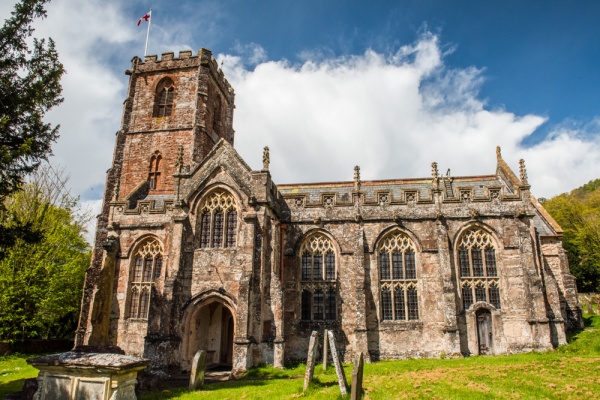
Part of the appeal is historical weight. Being England’s first officially protected landscape means the hills have had legal recognition of their natural beauty for close to seventy years, long before most of today’s AONBs existed. That status has kept development light and the character of the villages largely intact. Nether Stowey, Holford, Crowcombe, and Bicknoller all look much as they would have a century ago, with stone cottages, old pubs, and parish churches rather than modern estates crowding the lanes.
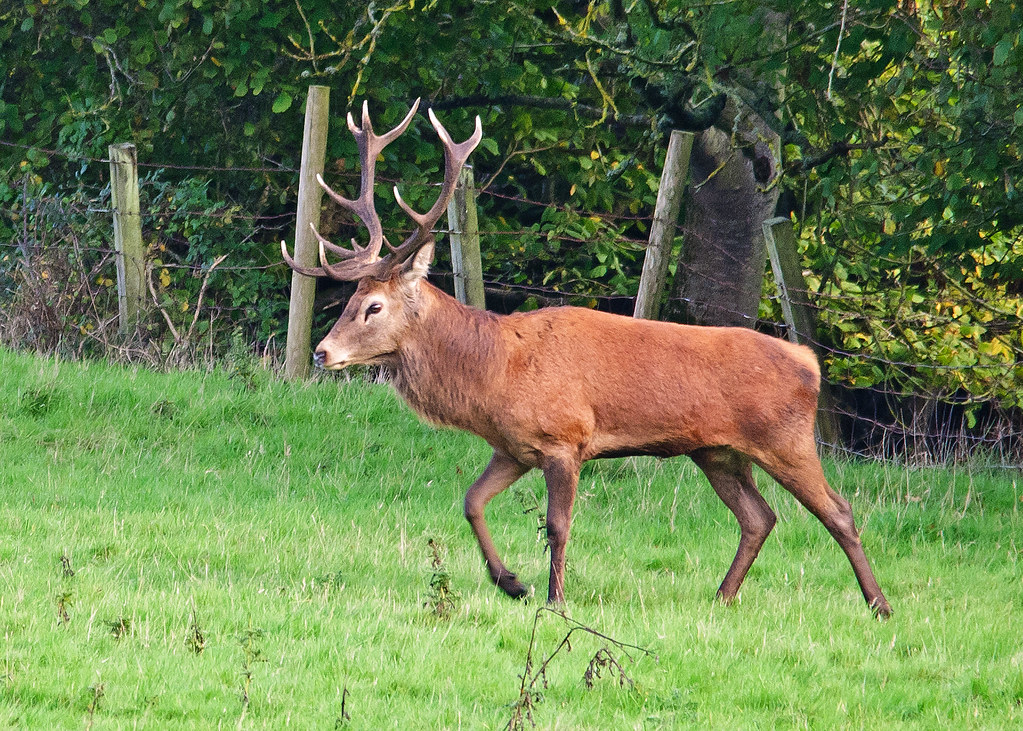
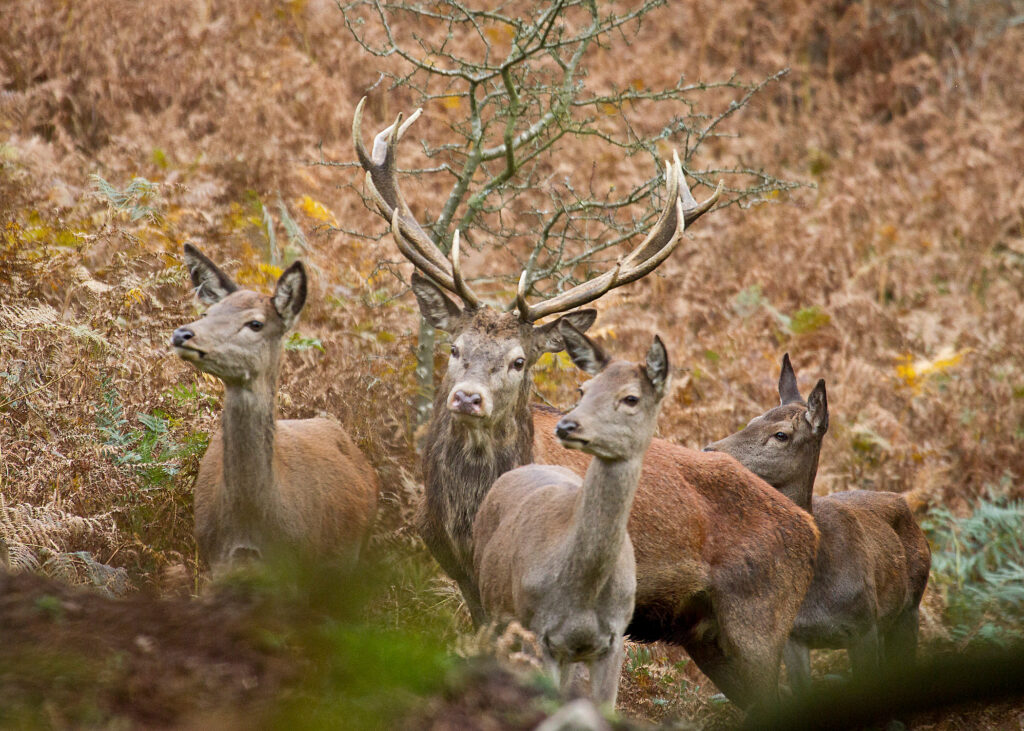
Wildlife is another strong draw. The Quantocks support one of the largest wild red deer populations in England, along with rare bat species such as the lesser horseshoe, barbastelle, and Bechstein’s bat, plus healthy numbers of adders, dormice, and heathland birds including nightjar, stonechat, and yellowhammer. Because so much of the hills are open access land, spotting deer on an early morning walk is a realistic possibility rather than a rare stroke of luck.
Then there is the literary connection. Coleridge lived in Nether Stowey in the 1790s, and it was walking these hills with Wordsworth, who lodged nearby at Alfoxton, that the two poets developed the ideas behind Lyrical Ballads, a collection widely credited with launching English Romanticism. You can still visit Coleridge’s cottage and walk many of the same paths the poets used, which adds a layer of cultural interest most short hill ranges cannot match.
Finally, there is simple practicality. The Quantock Hills sit close to the M5, within easy reach of Taunton, Bridgwater, and the wider South West, making them a realistic day trip from Bristol, Bath, or even Exeter, as well as a natural stop for anyone touring Somerset, Exmoor, or the Jurassic Coast.
Best Things to Do in the Quantock Hills
Most visits to the Quantock Hills revolve around walking, but the range of activities on offer is broader than a first glance suggests. Understanding your options before you arrive helps you plan a day that actually matches your energy levels and interests.
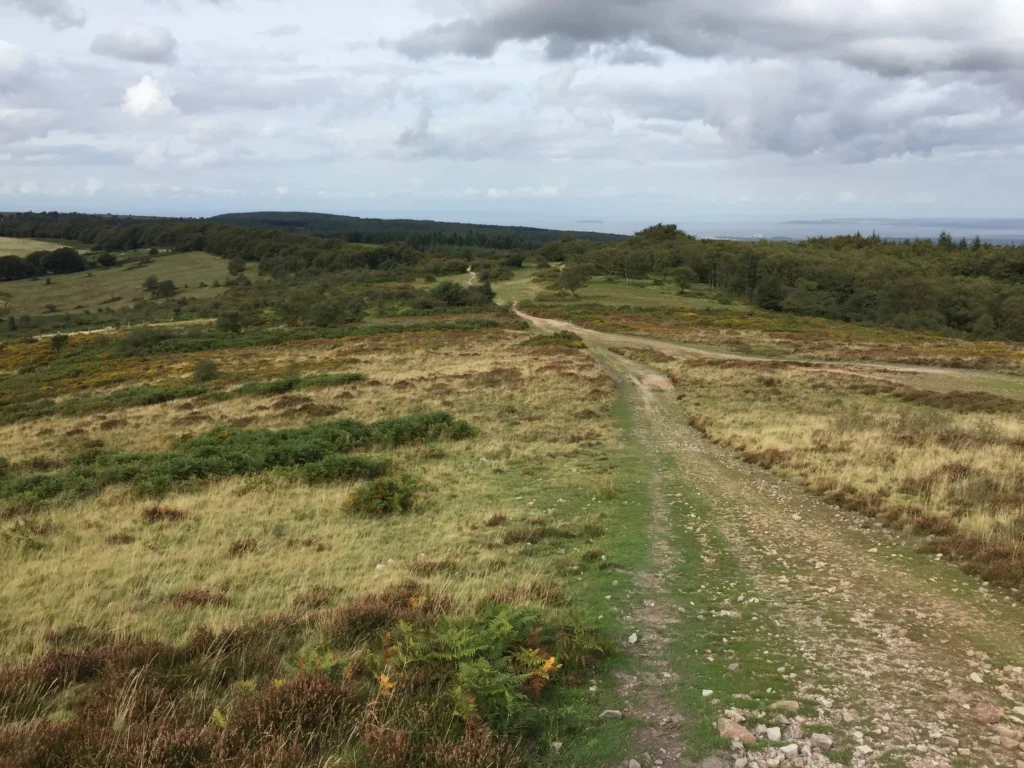
Walking is the obvious starting point, and the hills cater to everyone from casual strollers to serious hikers. Short, well-signed woodland loops from car parks like Seven Wells or Holford Green suit families and anyone short on time, while the high ridge routes over Wills Neck or Lydeard Hill demand more effort but reward it with sweeping views. The Coleridge Way, a 51-mile long-distance trail linking Nether Stowey to Lynmouth in Exmoor, crosses the northern Quantocks and can be walked in short sections if the full route is too ambitious.
Mountain biking has a strong following here too. The combination of ridge tracks, bridleways, and technical woodland trails through areas like Great Wood has made the Quantocks a genuine destination for off-road cyclists, with well over 60 miles of rideable trail packed into a compact area. The terrain holds up reasonably well even after rain, though the bottoms of the combes do turn muddy in winter.
History lovers have plenty to explore. Dowsborough Iron Age hillfort sits within easy walking distance of several car parks, and the wider ridgeline is scattered with Bronze Age barrows and earthworks, evidence of just how long people have used these hills. Coleridge Cottage in Nether Stowey, now run by the National Trust, gives a more recent slice of history and is well worth an hour of anyone’s time.
Wildlife watching is best done early or late in the day. Red deer are most visible at dawn and dusk, particularly in the open heathland around the higher ridge, while birdwatchers should focus on Quantock Common for heathland species. Horse riding is also popular, with several stables offering guided rides across the bridleway network, and in West Bagborough and around Cothelstone Hill you may spot the semi-wild Exmoor pony herd that grazes the common land.
Finally, do not overlook the villages themselves. A slow wander through Holford, Crowcombe, or Bicknoller, stopping at a 16th-century pub for lunch, is as much a part of the Quantock Hills experience as the walking trails.
Best Places to Visit in the Quantock Hills
Wills Neck is the natural starting point for anyone wanting the classic Quantock Hills experience. At 384 metres, it is the highest point in the range and the only Marilyn (a hill with significant topographic prominence) in the Quantocks. The most popular approach is a roughly three-mile circular walk from the village of Aisholt, climbing through beech woodland before opening onto heather moorland near the summit. On a genuinely clear day, the view stretches across Somerset to Dartmoor, Exmoor, the Blackdown Hills, and South Wales.
Holford Combe is arguably the prettiest of the wooded valleys, with a stream that crosses the path repeatedly as it climbs through ancient oak woodland. Starting from the car park at Holford Green, this was one of the favourite walking routes of Coleridge and Wordsworth, and it remains one of the best short walks in the entire AONB, suitable for most fitness levels.
Dowsborough combines an easy woodland walk with genuine history, leading to the site of an Iron Age hillfort with views over the surrounding hills. It works well as a shorter alternative to Wills Neck if time or energy is limited.
Cothelstone Hill is a good pick for families, with a relatively gentle ascent and a well-known cluster of trees at the summit, known as the Seven Sisters, where the local Exmoor pony herd often gathers. It also has strong historical interest thanks to the nearby Cothelstone Beacon, once used as part of a national chain of warning fires.
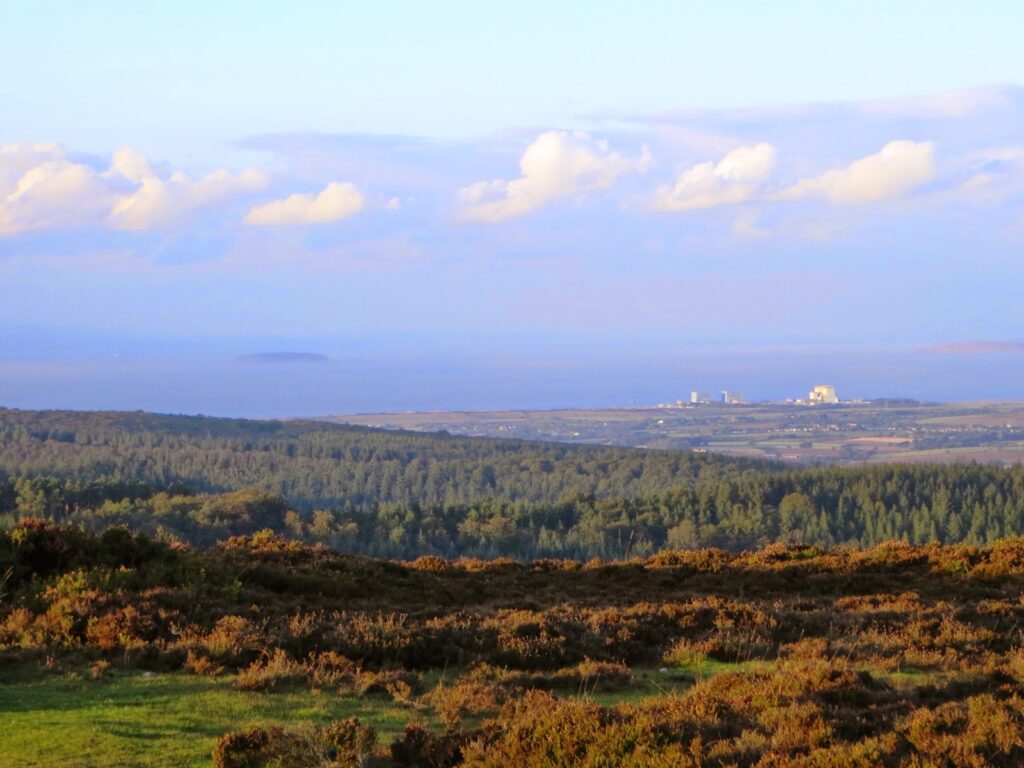
Bicknoller Post and Beacon Hill offer some of the best coastal views in the Quantocks, with the Bristol Channel and the Welsh coastline visible on clear days. These northern sections of the ridge feel wilder and more exposed than the wooded southern combes.
Fyne Court, home to the Quantock Hills National Landscape office, is worth a stop for its walled garden, nature trails, and visitor information, particularly useful if you want printed maps or local advice before setting off.
How to Get There
The Quantock Hills sit conveniently close to the M5 motorway, which makes them one of the more accessible protected landscapes in the South West. Drivers approaching from Bristol or the north should leave the M5 at Junction 24 near Bridgwater, then follow the A39 west toward Nether Stowey, which sits right at the eastern edge of the hills and makes an excellent first stop. From the south, Junction 25 near Taunton connects to the A358, which skirts the western flank of the Quantocks and gives good access to villages like Bishops Lydeard and West Bagborough.
Once inside the AONB, the roads narrow considerably. Many are single-track lanes with passing places, particularly around Holford, Crowcombe, and the high ridge routes near Cockercombe. Driving here requires patience and a willingness to reverse into a passing place when you meet oncoming traffic, but the lanes are generally in good condition and well signed.
Public transport options are more limited, which is one of the reasons a car remains the most practical way to explore. Regular bus services connect Taunton and Bridgwater to villages on the fringes of the hills, including Nether Stowey and Crowcombe, though services can be infrequent, especially on Sundays and in winter. The West Somerset Railway, a heritage steam line, runs along the western edge of the Quantocks between Bishops Lydeard and Minehead, and stops at Crowcombe Heathfield and Stogumber make an appealing, if slower, way to combine a train journey with a walk.
For anyone flying in, Bristol Airport is around 40 minutes’ drive from the northern Quantocks, while Exeter Airport is roughly an hour away, making both reasonable gateways for international visitors planning a wider Somerset or South West itinerary.
Cyclists should note that while the lanes around the Quantocks are quiet, they involve genuine climbing, so this is not a flat, easy pedal from a nearby town. Most visiting cyclists drive to a trailhead and ride from there rather than cycling the full approach.
Best Time to Visit the Quantock Hills
Every season brings something different to the Quantock Hills, and the right time to visit depends largely on what you want from your trip.
Late summer, from July through early September, is when the heather is in full bloom, turning huge stretches of the open ridge a deep purple-pink. This is arguably the most photogenic time to visit, and the long daylight hours make it easier to fit in a full ridge walk without racing the sunset. It is also the busiest period, though “busy” in the Quantocks still means quiet compared to Exmoor or the Peak District.
Autumn, particularly October, transforms the wooded combes with strong colour as the oak and beech canopies turn gold and copper. This is also the best time for spotting red deer, since the rutting season brings the stags down from higher ground and makes early morning and dusk sightings far more likely. Cooler temperatures make for comfortable walking conditions, though paths through the combes can get muddy after rain.
Winter is the quietest season by far, and while the heathland loses its colour, clear winter days offer some of the sharpest, longest-range views from the ridge, since there is less haze in the air. Shorter daylight hours mean walks need more careful planning, and some of the higher paths can be exposed and cold when the wind picks up.
Spring brings bluebells to the woodland floors, particularly noticeable in areas like Great Wood and around Holford Combe from mid-April into May, along with newborn lambs in the surrounding farmland. Wildflowers begin appearing on the heath from late spring onward, and the overall pace of visitors remains gentle compared to summer.
For most first-time visitors, late spring through early autumn offers the best balance of good weather, accessible paths, and manageable crowds, though anyone specifically chasing deer or dramatic light should lean toward autumn.
Walking and Hiking in the Quantock Hills
Walking is the primary reason most people come to the Quantock Hills, and the range genuinely suits all abilities, provided you choose your route with a little care.
For beginners or anyone with limited time, the short woodland loops from Seven Wells car park through Great Wood and along Quantock Combe make an excellent introduction. These trails follow gentle bridleways through mixed woodland, rarely climb steeply, and typically take under two hours. The Holford Combe walk from Holford Green is similarly manageable and adds genuine literary and scenic interest for relatively little physical effort.
For a moderate half-day walk, the figure-eight route taking in Lydeard Hill and the shoulder of Wills Neck from the Lydeard Hill car park is a strong choice, combining ridge views with varied terrain over roughly two to three hours. The Dowsborough loop, taking in the Iron Age hillfort through Kings Cliff Wood, sits in a similar difficulty bracket.
Serious walkers should aim for the full ascent of Wills Neck, either as an out-and-back route from the Cockercombe car park near the Forestry Office, or as part of the longer circular walk from Aisholt. Either version involves a genuine climb through woodland onto open moorland, with total distances of roughly five to nine miles depending on the exact route chosen. Combining Wills Neck with neighbouring summits like Bagborough Hill or Black Hill makes for a full day’s ridge walking with minimal repeated ground.
For those wanting a multi-day challenge, the Coleridge Way passes through the northern Quantocks on its 51-mile route between Nether Stowey and Lynmouth in Exmoor, and the first two legs, from Nether Stowey to Alfoxton and on to Bicknoller, make a satisfying standalone day of roughly 10 miles.
Underfoot conditions vary considerably. Ridge paths over heather and grass are generally firm even after rain, but the bottoms of the wooded combes, where streams cross the paths repeatedly, can become genuinely muddy in winter and after heavy rainfall. Sturdy waterproof footwear is worth packing whatever the season, since even a summer visit can involve boggy patches after recent rain.
Waymarking is generally good on the main routes, with the Coleridge Way in particular marked by distinctive quill pen symbols alongside standard yellow arrow markers, but an Ordnance Survey Explorer map (OL9 or 140, depending on which section you are exploring) is still recommended, since some of the smaller bridleways and open-access paths are not signed at every junction.
Where to Stay Near the Quantock Hills
Accommodation around the Quantock Hills tends toward small, characterful options rather than large hotels, which suits the generally quiet, rural feel of the area.
Nether Stowey is the most practical base for most visitors, sitting right at the eastern edge of the hills with good access to both Holford Combe and the northern ridge. It has a genuine village atmosphere, several pubs, a small selection of B&Bs and guesthouses, and easy onward access to the A39 for exploring further afield.
Holford offers a quieter, more immersive base directly within the wooded combes, with a scattering of cottages, farm stays, and a well-regarded 16th-century pub that welcomes walkers and cyclists. It is an excellent choice if your main goal is walking straight from your accommodation.
Crowcombe and Bicknoller, on the western side of the hills, put you closer to the West Somerset Railway and the higher northern ridge routes, including Bicknoller Post and Beacon Hill. Both villages have a handful of self-catering cottages and B&Bs, along with traditional pubs.
West Bagborough sits directly beneath Wills Neck itself, making it a strong choice for anyone prioritising the highest point in the range. Its 16th-century pub is a popular stop for walkers finishing a Wills Neck circuit.
For those who prefer a wider choice of accommodation and easy access to shops and restaurants, Taunton and Bridgwater both sit within a 20 to 30-minute drive of the hills and offer a full range of hotel options, from budget chains to more characterful independents, making them sensible bases for anyone combining the Quantocks with a broader Somerset itinerary.
Camping and glamping have a strong presence here too, with several farm-based sites offering pitches, shepherd’s huts, and pods within or just outside the AONB boundary, many aimed squarely at walkers and cyclists rather than large family caravan parks.
Food and Drink
The Quantock Hills punch above their weight when it comes to traditional pubs, many of them centuries old and genuinely welcoming to muddy boots and tired dogs after a walk.
West Bagborough’s 16th-century pub sits directly on the route down from Wills Neck and has built its reputation on hearty, straightforward food suited to hungry walkers, along with a good selection of local ales. Holford’s equally historic pub offers a similar experience deeper into the wooded combes, with real ales and a menu that leans on local, seasonal ingredients.
Nether Stowey has the widest choice for a village of its size, with several pubs and cafes catering to both locals and visitors, plus a handful of small shops for picking up picnic supplies before heading into the hills. Crowcombe and Bicknoller both have well-regarded pubs too, often the social hub of otherwise quiet villages, and both make a natural stop after exploring the western ridge routes.
For something more contemporary, Taunton offers a broader restaurant scene, including several highly rated independent restaurants and cafes, making it worth the short drive if you want more variety than the villages can offer.
Local produce is genuinely worth seeking out. Somerset is well known for its cider, and several of the pubs around the Quantocks stock local farmhouse cider alongside the more standard national brands. Cheese, particularly Somerset cheddar from producers within a short drive of the hills, also appears regularly on pub menus and at village shops.
If you are planning a full day on the hills, it is worth noting that facilities thin out considerably once you leave the villages. There are no cafes or shops on the open ridge itself, so packing food and water for longer walks is essential, particularly on routes like the Wills Neck circuit or sections of the Coleridge Way that spend several hours away from any settlement.
Family-Friendly Activities
The Quantock Hills work well for families, provided you match the route to the ages and energy levels involved.
Shorter, flatter woodland trails are the best starting point for young children. The loops around Seven Wells and Great Wood involve gentle gradients, plenty of shade, and streams that older toddlers enjoy paddling in during summer. These routes rarely take more than an hour or two and offer enough variety, from fallen logs to stream crossings, to keep younger walkers engaged without demanding serious stamina.
Cothelstone Hill is a particularly popular family choice, since the walk to the summit is manageable for most children over about six or seven, and the payoff, a good chance of spotting the semi-wild Exmoor pony herd near the summit trees, gives the walk a clear, exciting goal.
Coleridge Cottage in Nether Stowey offers a change of pace from outdoor activity, with hands-on displays that help make the literary history accessible to children, and it is a sensible option for a wet-weather day or as a mid-walk break.
Cycling is another strong family option, particularly on the gentler bridleways through Great Wood, though the more technical mountain bike trails further into the hills are better suited to older, more confident riders.
Wildlife spotting naturally appeals to children too, and while red deer are shyest around midday, an early morning or early evening walk on the open ridge gives a reasonable chance of a sighting, which tends to be a highlight for younger visitors regardless of how far they have actually walked.
A few practical notes help family days run more smoothly. Toilet facilities are limited to the villages and a small number of car parks, such as Seven Wells and Holford Green, so plan breaks accordingly. Mobile phone signal is patchy across much of the open ridge, which is worth bearing in mind if you rely on a phone map, and downloading an offline map or carrying a paper OS map is a sensible backup.
Hidden Gems in the Quantock Hills
Beyond the well-known routes up Wills Neck and through Holford Combe, the Quantock Hills hold a handful of quieter spots that reward a bit of extra effort or local knowledge.
Aisholt is a tiny, easily overlooked village tucked into a valley on the southern flank of the hills, and it makes one of the least crowded starting points for reaching Wills Neck. Because so few visitors approach from this direction, the early stages of the walk feel wonderfully solitary even in peak season.
Ramscombe, reached from the Seven Wells car park, is a lesser-visited section of woodland compared to the more popular Holford Combe, with a similarly attractive mix of streams and ancient trees but noticeably fewer people on the path.
Cockercombe, near the Forestry Office car park, gives quiet access to the high ridge without the crowds that sometimes build up around the more obvious Wills Neck approaches, and it doubles as a good starting point for combining several summits, including Bagborough Hill, in one walk.
Kilve Beach, just outside the formal AONB boundary but within easy reach of the northern Quantocks, offers dramatic shale ledges and a well-known fossil-hunting spot, along with genuinely striking, dark-sand scenery that feels a world away from the wooded combes just inland.
Fyne Court’s walled garden and nature trails are frequently skipped by visitors focused purely on the big hill walks, yet they offer an easy, low-effort way to see a different side of the Quantocks landscape, along with useful local advice from the National Landscape team based there.
Seeking out these quieter corners is particularly worthwhile if your main Quantock Hills walk falls on a summer weekend, when the more obvious car parks at Holford and Lydeard Hill can fill up by mid-morning.
Parking and Transport
Parking across the Quantock Hills follows a fairly consistent pattern: small, informal car parks scattered through the villages and at key trailheads, rather than large centralised visitor centres.
Seven Wells, Holford Green, Lydeard Hill, and Cockercombe are among the most useful car parks for walkers, each giving direct access to well-known routes without a long approach on foot. Most are unstaffed and free or low-cost, though exact arrangements can change, so checking current signage or the Quantock Hills National Landscape website before setting off is worthwhile if cost is a concern.
Roadside parking is common in some of the smaller villages and near less formal trailheads, but the narrow lanes mean it is essential not to obstruct passing places or farm access, particularly around Dowsborough and some of the northern ridge approaches. Where roadside parking is used, pulling well onto the verge and avoiding gateways is both good etiquette and often a legal requirement.
Because so many car parks are small, arriving early is genuinely useful advice during peak summer weekends and school holidays, when popular spots like Holford Green can fill by mid-morning. Arriving before 10am on a summer Saturday, or considering a weekday visit instead, makes a noticeable difference.
Once parked, the AONB’s dense network of public footpaths, bridleways, and open-access land means most walks do not require moving the car again, since routes can usually be planned as circular loops back to the starting point. An Ordnance Survey Explorer map, either paper or digital, remains the most reliable way to plan routes and confirm exact car park locations, since not every small parking area appears clearly on standard road maps or phone apps.
Safety Tips
The Quantock Hills are gentle by national park standards, but a handful of sensible precautions make a real difference to how comfortable your visit feels.
Weather changes quickly on open, exposed ridgeline, even though the hills themselves rarely exceed 400 metres. Wind and rain on the higher sections, particularly around Wills Neck and Beacon Hill, can feel considerably harsher than conditions in the sheltered villages below, so checking a local forecast before setting off and packing a waterproof layer, even on an apparently fine day, is worth the extra weight in your bag.
Mobile phone signal is unreliable across large parts of the open ridge and deeper combes. This is worth planning around, particularly if you are relying on a phone-based map or intend to call ahead to accommodation or a pub. Carrying a paper map as backup, or downloading offline maps in advance, removes a genuine point of failure.
Ticks are present in the bracken and longer grass, particularly from spring through autumn, and can carry Lyme disease. Wearing long trousers on overgrown sections and checking for ticks after a walk is a sensible habit, especially for anyone walking with dogs.
Adders, Britain’s only venomous snake, do live in the Quantocks, particularly on sunnier, heathland sections. They are shy and will almost always move away before you get close, but sticking to clear paths rather than pushing through deep heather reduces any chance of an unwanted encounter.
Livestock, including grazing sheep, ponies, and cattle, are common on open-access land, and dogs should be kept under close control, particularly during lambing season in spring and during any period when ground-nesting birds are present, since disturbance can cause genuine harm to wildlife and farming operations alike.
Finally, letting someone know your planned route and expected return time is good practice for any longer walk, particularly the more remote sections around Aisholt or the northern ridge, where you may not see another walker for an hour or more.
Costs and Budget
One of the appealing things about the Quantock Hills is how little a day here needs to cost, particularly compared to more heavily commercialised national parks.
Walking itself is free, and the vast majority of the AONB is open-access land or crossed by public rights of way with no entry charge. Most car parks are either free or charge a modest fee, typically in the range of a couple of pounds for a full day, though exact charges vary by location and can change, so checking current signage on arrival is the most reliable approach.
Food and drink costs follow fairly typical rural Somerset pricing. A pub lunch in one of the villages generally falls into a mid-range bracket, while picking up sandwiches or picnic supplies from a village shop in Nether Stowey or Crowcombe before heading into the hills is a noticeably cheaper option and lets you eat exactly when and where you want.
Accommodation costs vary considerably depending on style and season. Simple B&B rooms in the villages tend to sit at a reasonable mid-range price point, camping and shepherd’s huts often work out cheaper per night, and boutique or historic hotel-style stays in Taunton or Bridgwater push toward the higher end, particularly during summer weekends.
Paid attractions are limited in number, which helps keep overall costs down. Coleridge Cottage charges a standard National Trust admission fee, though National Trust members visit free, and Fyne Court’s garden and trails are typically free to explore, with any charges limited to specific events.
Overall, a day trip focused purely on walking can realistically cost very little beyond fuel and a pub meal, while a longer weekend combining accommodation, food, and a National Trust visit sits comfortably within a modest mid-range travel budget by UK standards.
What to Pack
Preparing properly for the Quantock Hills makes a noticeable difference to how enjoyable your visit turns out to be, particularly given how quickly conditions can shift between the sheltered combes and the exposed ridge.
- Sturdy, waterproof walking boots or shoes, since paths through the wooded combes can be muddy year-round
- A waterproof jacket, even on days that start dry, given how quickly weather changes on the open ridge
- Layers you can add or remove, since temperatures on the exposed summit can feel noticeably colder than in the villages
- An Ordnance Survey Explorer map (OL9 or 140) or a downloaded offline map, since mobile signal is unreliable across much of the hills
- Sufficient food and water for the length of your walk, since there are no shops or cafes once you leave the villages
- Sun protection in summer, since the open heathland offers little shade on the higher routes
- Insect repellent and long trousers if walking through bracken, as a precaution against ticks
- A basic first aid kit, particularly for longer or more remote routes such as the Wills Neck circuit
- Binoculars, if wildlife watching or birdwatching is a priority
- Cash in small amounts, since some village pubs and honesty-box car parks do not accept card payments
Packing light but sensibly, with a focus on weatherproofing and navigation backup, covers the vast majority of situations you are likely to encounter across a typical Quantock Hills visit.
Nearby Places to Explore
The Quantock Hills sit conveniently close to several other well-known Somerset and West Country destinations, making them easy to combine into a longer trip.
Exmoor National Park lies immediately to the west, and the Coleridge Way physically connects the two landscapes, making it entirely possible to combine a Quantock Hills walk with a visit to Exmoor’s higher moorland and dramatic coastline within the same trip.
Kilve Beach and East Quantoxhead sit just north of the hills on the Bristol Channel coast, offering dramatic shale cliffs, fossil-hunting opportunities, and a striking contrast to the wooded inland combes.
Taunton, Somerset’s county town, lies a short drive south and offers a wider range of shops, restaurants, and accommodation than the Quantock villages, along with its own historic core.
Cheddar Gorge and the Mendip Hills, another of Somerset’s three Areas of Outstanding Natural Beauty, sit around 40 minutes north and offer a dramatically different landscape of limestone cliffs and cave systems for anyone wanting a contrasting day out.
Glastonbury, with its famous Tor and long association with myth and legend, lies roughly 45 minutes east and makes a popular addition to a broader Somerset itinerary.
[Internal Link: UK travel guides] and [Internal Link: best hiking destinations in England] on Adventrova.com cover several of these nearby areas in more depth, making them useful next reads if you are planning a wider West Country trip around your Quantock Hills visit.
Frequently Asked Questions
Where are the Quantock Hills located?
The Quantock Hills lie in Somerset, England, stretching roughly 12 miles between the town of Taunton and the Bristol Channel coast, just west of Bridgwater. The range sits close to the M5 motorway, making it one of the more accessible protected landscapes in the South West. Key villages around the hills include Nether Stowey, Holford, Crowcombe, Bicknoller, and West Bagborough, any of which make a sensible base for exploring. The hills form part of a wider cluster of Somerset countryside that also includes the Mendip Hills and Exmoor National Park, both within easy reach for anyone planning a broader regional trip.
What is the highest point in the Quantock Hills?
Wills Neck is the highest point in the Quantock Hills, standing at 384 metres above sea level. It is the only Marilyn in the range, meaning it has significant topographic prominence compared to the surrounding land. The most popular route to the summit is a roughly three-mile circular walk from the village of Aisholt, climbing through beech woodland before opening onto heather moorland near the top. On clear days, the summit offers views across Somerset to Dartmoor, Exmoor, the Blackdown Hills, and South Wales, making it a natural highlight for anyone spending a full day walking in the hills.
Are the Quantock Hills good for walking?
Yes, the Quantock Hills are considered excellent for walking, with routes suited to every ability level packed into a compact area. Gentle woodland loops from car parks like Seven Wells and Holford Green suit families and casual walkers, while ridge routes over Wills Neck and Lydeard Hill offer a more serious challenge with genuine elevation gain and open moorland scenery. The Coleridge Way, a long-distance trail linking Nether Stowey to Exmoor, also crosses the northern Quantocks and can be tackled in shorter, more manageable sections rather than as a full multi-day route.
Are dogs allowed in the Quantock Hills?
Dogs are generally welcome across the Quantock Hills, including on most public footpaths, bridleways, and open-access land, and several local pubs and accommodation options are noticeably dog-friendly. That said, dogs should be kept under close control at all times, particularly around grazing livestock and during lambing season in spring, and on leads near ground-nesting birds during the breeding season, since disturbance can cause real harm. Always check specific signage at car parks and access points, since restrictions can apply locally, particularly on certain nature reserve areas within the wider AONB.
Is there a fee to park in the Quantock Hills?
Most car parks across the Quantock Hills are either free or charge a modest fee, often in the range of a couple of pounds for a full day, though exact charges vary between locations and can change over time. Popular trailheads such as Seven Wells, Holford Green, and Lydeard Hill are the most commonly used, and it is worth checking current signage on arrival rather than relying on older information, since arrangements are occasionally updated by the local National Landscape authority or individual landowners.
When is the best time to see red deer in the Quantock Hills?
Early morning and dusk offer the best chances of spotting red deer in the Quantock Hills throughout the year, since deer tend to be more active and visible during these quieter, cooler periods. Autumn, particularly October, is widely considered the strongest single season for sightings, as the rutting season brings stags down from higher ground and increases overall deer activity and visibility. Open heathland areas on the higher ridge tend to offer better sighting opportunities than the denser wooded combes, where deer are more easily concealed among the trees.
Can you combine the Quantock Hills with a visit to Exmoor?
Yes, the Quantock Hills and Exmoor National Park are close enough to combine comfortably within a single trip, and the two areas are physically linked by the Coleridge Way long-distance trail. Drivers can cover the distance between the two in well under an hour, making it realistic to explore both in a long weekend, or to base yourself in a village like Holford or Nether Stowey and take day trips into Exmoor for its higher moorland and rugged coastline. Many visitors treat the Quantocks as a quieter, gentler introduction before tackling Exmoor’s more demanding terrain.
Conclusion
The Quantock Hills may not have the name recognition of Exmoor or the Lake District, but that relative anonymity is exactly what makes them worth seeking out. Here you get genuine variety, from wooded combes and literary history to open heather ridgeline and a real chance of spotting wild red deer, all packed into an area small enough to explore properly over a single weekend, yet rich enough that regular visitors keep finding new corners to enjoy.
Whether your priority is a serious ridge walk up Wills Neck, a gentle family stroll through Holford Combe, or simply a quiet pub lunch in a village that has barely changed in a century, the Quantock Hills deliver without the crowds that can weigh down England’s more famous protected landscapes. Getting the most from a visit really does come down to a little preparation: choosing a base village that suits your planned routes, packing properly for changeable weather on the exposed ridge, and timing your visit around what you most want to see, whether that is summer heather, autumn deer, or a quiet winter walk with long-range views.
As England’s first Area of Outstanding Natural Beauty, the Quantock Hills have had almost seventy years of protection, and it shows in how genuinely unspoiled the landscape remains. Few places in southern England offer this much accessible, varied countryside so close to a motorway junction, and fewer still manage to stay this quiet while doing it. Pack a map, choose a route that matches your ambitions, and give the Quantock Hills the time they deserve. Once you have stood on the ridge with the Bristol Channel stretching out below and Wales visible on the horizon, it becomes obvious why Coleridge and Wordsworth found so much inspiration walking these same paths more than two centuries ago.