
Table of Contents
Torridon
Introduction
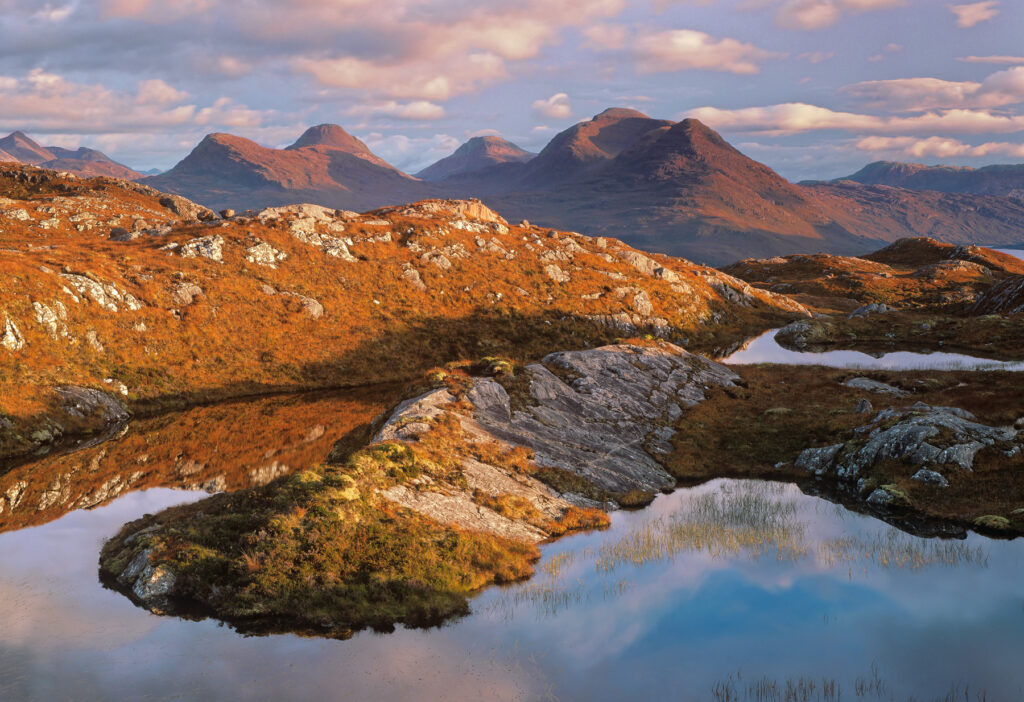
Torridon sits in a part of Scotland that doesn’t try to compete with anywhere else. There’s no single headline attraction, no ticket booth, no queue. What draws people here is a landscape that feels genuinely old — sandstone mountains that have stood for roughly 750 million years, rising almost straight out of sea lochs in a way that looks less like Britain and more like somewhere at the edge of the map. Liathach, Beinn Alligin and Beinn Eighe form a wall of peaks along Glen Torridon that regularly gets described by hillwalkers as the finest ridge walking on the Scottish mainland, and once you’ve seen it from the road, it’s easy to understand why.
This guide covers Torridon as both a place to explore on foot and a base for a wider trip through Wester Ross. You’ll find the main villages, the walks that suit different fitness levels, where the wildlife tends to show up, practical driving and parking information, and honest guidance on what a visit here actually involves — including the parts that catch first-time visitors out, like single-track roads, patchy mobile signal, and weather that changes its mind several times a day. Whether you’re planning a full Highland road trip that takes in the North Coast 500 or a focused few days based in Torridon village itself, this guide should give you a realistic picture of what to expect.
Why Visit Torridon?
Torridon is one of the few places in Britain where the scale of the landscape genuinely surprises people who think they know what mountains look like. The peaks here aren’t the tallest in Scotland, but their bulk and steepness, rising directly from sea level, give them a presence that taller Munros elsewhere often lack. Loch Torridon itself is a proper sea loch, meaning the mountains are reflected in salt water rather than a small inland loch, which adds another layer to the scenery.
Beyond the walking, Torridon is a serious wildlife destination. Red deer are common enough that a resident stag is known to hang around one of the main car parks. Golden eagles and white-tailed eagles nest in the area, otters are regularly spotted along the shoreline, and the Torridon Nature Reserve protects one of the last remnants of ancient Caledonian pine forest in Scotland. For anyone who wants genuine wilderness without needing technical climbing skills to appreciate it, Torridon delivers that in a way few other parts of the UK can match.
Getting to Torridon
Torridon is remote, and that’s part of the appeal, but it does mean some planning. Most visitors arrive by car, usually from Inverness, which takes roughly 90 minutes to two hours depending on the route and conditions. The drive itself is part of the experience, particularly the final stretch along the A896 and the road that hugs the shore of Loch Torridon.
There is no train station in Torridon village itself. The nearest railway stops are at Achnasheen or Strathcarron on the Kyle of Lochalsh line from Inverness, and from either you’ll need a taxi, a pre-arranged transfer, or a very long walk to reach Torridon. Public bus services into the glen are limited and infrequent, so this is not an easy destination without your own transport unless you’re joining an organised tour.
Driving and Road Conditions
Much of the route into Torridon involves single-track roads with passing places, which catches out drivers unfamiliar with Highland driving. Etiquette matters here: pull into passing places to let oncoming traffic through, and never block a passing place while stopped to take photos. The roads can be affected by snow and ice in winter, and some sections close temporarily in severe weather, so it’s worth checking conditions if you’re travelling between November and March.
Best Time to Visit Torridon
Late spring through early autumn, roughly May to September, is the most reliable window for walking, with longer daylight hours and a better (though never guaranteed) chance of clear mountain views. June brings the added benefit of long Highland evenings, with light lingering well past 9pm.
Midges become a serious consideration from June through August, particularly on still, humid days near water or woodland. Autumn brings changing colours across the glen and fewer visitors, while winter transforms the peaks with snow, creating some of the most dramatic photography conditions of the year, though many of the higher walks become unsuitable for anyone without winter mountaineering experience at that time. Whatever season you choose, pack for four seasons in one day. Highland weather changes fast, and forecasts for mountain areas can differ significantly from valley-level conditions.
Best Things to Do in Torridon
Walk the Torridon Countryside Centre Trails
Run by the National Trust for Scotland, the Torridon Countryside Centre acts as a natural starting point for many visitors. It has interpretive displays on the area’s geology and wildlife, and several waymarked low-level trails begin nearby, making it a sensible first stop to get oriented before tackling anything more ambitious.
Explore Glen Torridon
The road through Glen Torridon between Torridon village and Kinlochewe is one of the great Highland drives, with Liathach and Beinn Eighe rising on either side. Several informal parking spots along the route allow you to stop, photograph the mountains, and pick up walking routes without committing to a full day hike.
Visit Shieldaig
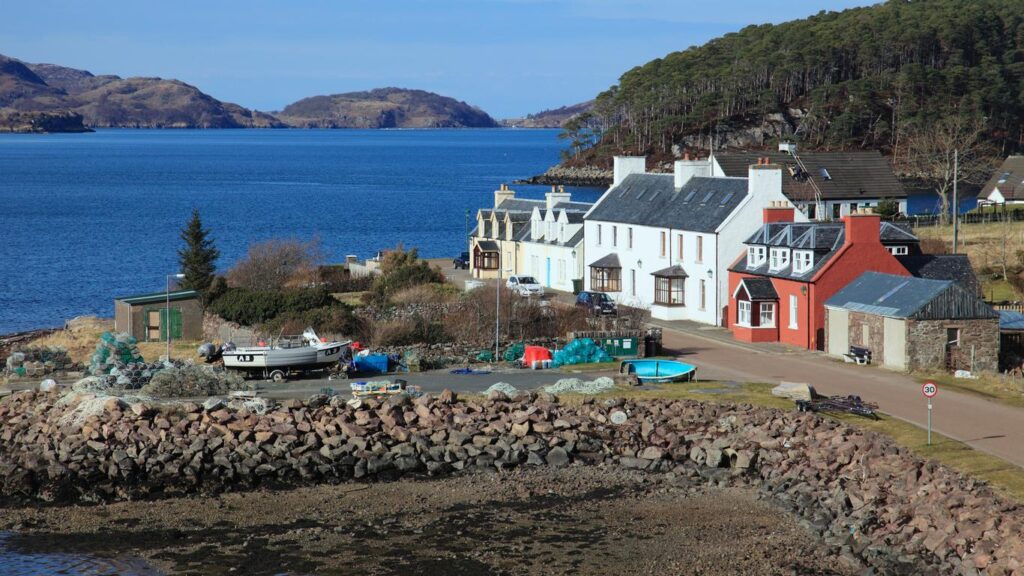
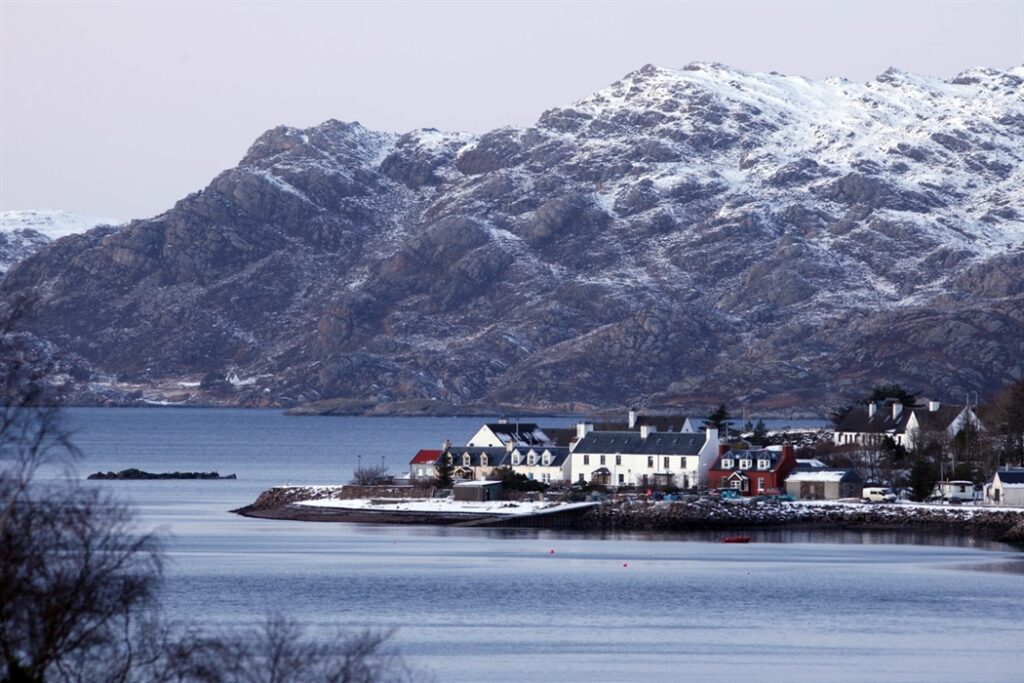
This small, whitewashed village sits on the southern shore of Loch Torridon and is worth a stop for its setting alone. A scattering of houses face the loch and the small wooded island just offshore, and there’s a shop, a post office, and a hotel where you can get a straightforward meal after a day outdoors.
See the Torridon Nature Reserve
Managed by NatureScot, this reserve protects ancient pinewood, moorland, and mountain habitat, and is one of the best places in the area for spotting red deer, pine marten, and a wide range of bird species, including golden eagles overhead on clear days.
Take a Boat Trip or Sea Kayak on Loch Torridon
Several operators run wildlife boat trips or guided sea kayaking sessions on the loch, giving a completely different perspective on the mountains from the water and a good chance of spotting seals, otters, and seabirds along the shoreline.
Best Walks and Hikes in Torridon
Torridon is above all a walking destination, and the routes here range from short valley strolls to serious mountain days that should only be attempted by experienced, well-equipped hillwalkers.
Beinn Alligin
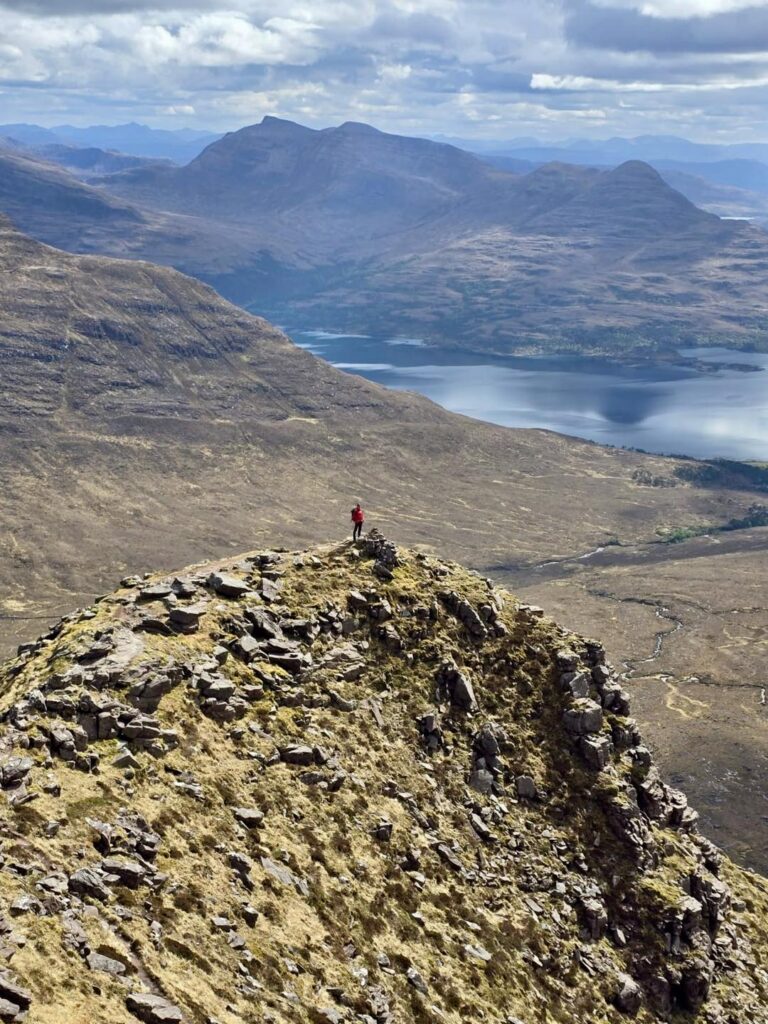
Often considered one of the best mountain days in Scotland, the Beinn Alligin horseshoe takes in the famous Horns of Alligin, a series of rocky pinnacles that require scrambling and a head for exposure. It’s a full day out, roughly 9 miles, with significant ascent and rough, rocky ground for much of the route. Fit, experienced hillwalkers typically need around 6 to 8 hours.
Liathach
Liathach is the most demanding of Torridon’s main peaks, with a long, exposed ridge that includes the notorious Am Fasarinen pinnacles. This is a serious mountaineering route rather than a casual walk, and it should only be attempted by those with scrambling experience, appropriate equipment, and a solid weather window.
Beinn Eighe and the Nature Reserve Trails
Beinn Eighe offers both a full mountain route for experienced walkers and gentler waymarked trails through the nature reserve at lower levels, making it one of the more accessible parts of the Torridon massif for people who want a taste of the scenery without the full mountain commitment.
Lower-Level and Family Walks
Not every walk in Torridon requires mountain experience. The trails around the Countryside Centre, sections of the Torridon Nature Reserve boardwalks, and short stretches of the coastal path near Diabaig all offer genuinely spectacular views for a fraction of the effort, and they’re a sensible choice for families or anyone visiting in poor weather.
Hidden Places to Explore Near Torridon
Diabaig
A single-track road winds along the northern shore of Loch Torridon before dropping steeply into Diabaig, a tiny former fishing settlement that feels like the end of the world. The road itself, with its hairpin descent, is as memorable as the village.
Red Point Beaches
North of Torridon near Gairloch, the Red Point beaches offer white sand and turquoise water that looks more like the Hebrides than the Highland mainland, with far fewer visitors than the more famous beaches further afield.
Loch Maree
Just to the north of Torridon, Loch Maree is regularly cited as one of Scotland’s most beautiful freshwater lochs, dotted with wooded islands and framed by Slioch, another dramatic Torridonian sandstone peak.
Wildlife in Torridon
Red deer are a near-certain sighting, particularly around Glen Torridon and the Countryside Centre car park, where individual animals have become accustomed to visitors. Golden eagles and white-tailed eagles both nest in the wider area, and patient observers scanning the ridgelines with binoculars are sometimes rewarded. Otters can be spotted along the loch shore, particularly early morning or evening, and pine marten occasionally appear in the ancient woodland of the nature reserve. Given the presence of genuinely wild animals, visitors should keep a respectful distance and never attempt to feed deer, even ones that approach.
Where to Stay in Torridon
Accommodation in Torridon itself is limited, which is part of what keeps the area feeling unspoiled. Options range from a well-known hotel with a restaurant and rooms looking directly over the loch, to smaller guesthouses, self-catering cottages, and a campsite in nearby Shieldaig. Given the limited number of beds, booking ahead is strongly advised during the peak summer months and around school holidays, when availability can disappear quickly. Many visitors choose to base themselves slightly further afield in Kinlochewe or Gairloch, both of which offer a wider range of accommodation while remaining within easy driving distance of the glen.
Food and Drink in Torridon
Options are limited but generally good quality, reflecting the area’s remoteness rather than a lack of ambition. Hotel restaurants in Torridon village and Shieldaig serve meals built around local seafood and game, and the small shop in Shieldaig covers basic supplies. Given how few places there are to eat, it’s worth checking opening times in advance, particularly outside the main summer season when some establishments reduce their hours or close for the winter.
Parking and Practical Information
Parking at the main trailheads, including the Countryside Centre and the Beinn Alligin car park, is generally free but limited, and spaces fill quickly on clear-weather days in peak season. Arriving early is the simplest way to avoid disappointment. Mobile phone coverage is patchy to non-existent through much of Glen Torridon, so it’s worth downloading maps in advance and telling someone your walking plans before heading into the hills. Public toilets are available at the Countryside Centre, but facilities become sparse the further into the glen you travel.
Safety Tips for Visiting Torridon
- Check the mountain weather forecast separately from the general forecast, as conditions at height differ significantly from the glen
- Carry a paper map and compass as backup, since phone signal is unreliable
- Tell someone your planned route and expected return time before setting out on any of the mountain walks
- Wear proper hiking boots; the sandstone terrain is rocky, uneven, and can be slippery when wet
- Turn back if weather closes in, even if you’re close to a summit
- Respect passing places on single-track roads and never park in them
What to Pack for Torridon
- Waterproof jacket and trousers, regardless of season
- Sturdy walking boots with good grip
- Midge repellent for summer visits
- Layers, since temperatures shift quickly between the glen and higher ground
- A physical map of the area alongside any digital navigation
- Binoculars for wildlife spotting
Two-Day Torridon Itinerary
Day One: Start at the Torridon Countryside Centre to get oriented, then drive the length of Glen Torridon, stopping at viewpoints beneath Liathach and Beinn Eighe. In the afternoon, take one of the lower-level nature reserve trails, then head to Shieldaig for an early dinner by the loch.
Day Two: For experienced hillwalkers, tackle the Beinn Alligin horseshoe, setting off early to allow a full day and a buffer for changing weather. For those preferring gentler ground, drive out to Diabaig via the coastal road, then continue north to Red Point for an afternoon on one of Wester Ross’s quieter beaches.
Nearby Places to Visit
Torridon sits within easy reach of several other outstanding destinations covered elsewhere on Adventrova. The [Internal Link: Applecross Peninsula travel guide] lies just to the south, connected via the dramatic Bealach na Bà road, while the [Internal Link: Isle of Skye travel guide] is reachable within a couple of hours for those extending their trip. Hillwalkers who enjoy Torridon’s mountains will likely also want to look at the [Internal Link: Beinn Alligin travel guide] and [Internal Link: Glen Nevis travel guide] for further Highland walking options, and those exploring further afield may want to combine Torridon with [Internal Link: Loch Lomond and Trossachs travel guide] as part of a longer Scottish itinerary.
Frequently Asked Questions
Is Torridon worth visiting?
Yes. Torridon offers some of the most dramatic mountain scenery in Scotland, combined with genuine wildlife-watching opportunities and a level of remoteness that’s increasingly rare in the UK. It particularly rewards visitors with an interest in hillwalking or photography, though the lower-level walks and villages are enjoyable even without a head for mountains.
How many days do you need in Torridon?
Two to four days is a reasonable amount of time to see the main villages, walk at least one of the lower trails, and attempt one of the bigger mountain routes if conditions and fitness allow. Serious hillwalkers hoping to cover Beinn Alligin, Liathach, and Beinn Eighe would benefit from a longer stay.
Is Torridon suitable for families?
The main mountain routes are not suitable for young children, but the Countryside Centre trails, sections of the nature reserve, and the villages of Shieldaig and Diabaig offer plenty for families who want to experience the scenery without a full day’s hillwalking.
What is the best month to visit Torridon?
May, June and September tend to offer the best balance of good weather, manageable midge numbers, and fewer crowds. July and August are busiest and bring the heaviest midge activity, while winter suits those chasing snow-capped mountain photography rather than long walks.
Can you visit Torridon without a car?
It’s difficult. Public transport into the glen is limited, and the nearest railway stations require onward transport to reach Torridon village itself. A car, or a pre-booked tour, is the most practical way to explore the area properly.
Are there shops and restaurants in Torridon?
Options are limited to a small number of hotels, a shop in Shieldaig, and seasonal cafés. It’s sensible to stock up on supplies in a larger town such as Inverness or Gairloch before arriving, particularly outside peak summer months.
Is Beinn Alligin difficult for beginners?
The full Beinn Alligin horseshoe, including the Horns of Alligin, involves scrambling and exposure and is not suitable for inexperienced walkers. However, parts of the lower route can be walked without tackling the horns themselves, giving less experienced hikers a taste of the mountain.
Do you need a permit to walk in Torridon?
No permit is required for walking in Torridon under Scotland’s right to roam, though visitors are expected to follow the Scottish Outdoor Access Code, respecting private land, livestock, and other land management activities such as deer stalking during autumn.
Conclusion
Torridon isn’t a place you tick off in an afternoon. It rewards time, decent boots, and a willingness to let the weather dictate the plan rather than the other way around. Whether that means a full mountain day on Beinn Alligin or a quiet evening watching red deer graze near the Countryside Centre, the scenery here does most of the work. Anyone building a Wester Ross itinerary would be doing themselves a disservice by rushing through, given how much of what makes Torridon special only reveals itself once you’ve slowed down and actually spent a couple of days in the glen. Book accommodation early, check the mountain forecast separately from the general one, and go in with realistic expectations about phone signal and road conditions, and Torridon delivers one of the most memorable stretches of the entire Scottish Highlands.