Forest of Dean

Forest of Dean: 12 Amazing Things to See and Do

Forest of Dean

Forest of Dean

Cross the River Severn or wind down from the Malvern Hills and you’ll find yourself in a landscape that feels older and wilder than most of England. The Forest of Dean sits in the western corner of Gloucestershire, wedged between the Wye Valley and the Severn Estuary, and it holds the title of one of the largest remaining ancient woodlands in the country. Oak and beech trees that have stood for centuries stretch across more than 27,000 acres, broken up by sculpture trails, disused quarries, freshwater lakes, and villages that still carry the marks of a mining past.

This isn’t a manicured tourist forest with a single visitor centre and a car park loop. The Forest of Dean is a working, living landscape. Sheep still wander freely along some of its roads under ancient grazing rights. Free miners still dig for coal and ochre under laws dating back centuries. Wild boar root through the undergrowth, and buzzards circle overhead. It’s a place that rewards people who want to get their boots muddy, not just snap a photo and leave.

What makes the Forest of Dean worth planning a trip around is its sheer range. Families come for the gentle cycling trails and the Gruffalo-themed walks. Mountain bikers come for some of the best purpose-built trails in England. Cavers and geology fans come for Clearwell Caves. History lovers explore the industrial remains of a landscape shaped by centuries of iron and coal extraction. And walkers come simply for the quiet: the kind of deep, green quiet that’s increasingly hard to find in southern England.

This guide covers everything you need to plan a visit to the Forest of Dean, whether you’re coming for a single day or a longer break. You’ll find the best things to do, where to walk and cycle, how to get there, where to stay, what it costs, and answers to the questions most visitors ask before they arrive. Along the way, we’ll point out where the forest connects to nearby highlights like Symonds Yat and the Wye Valley, so you can build a wider itinerary if you have the time.

Whether you’re planning a family day trip from Gloucester or Bristol, a weekend cycling break, or a longer countryside escape, the Forest of Dean has enough variety to fill several visits without repeating yourself. Let’s get into the details.

Forest of Dean

Why Visit the Forest of Dean?

The Forest of Dean earns its reputation as one of England’s most underrated natural destinations, and once you spend a day here, it’s easy to see why. Unlike better-known national parks that can feel crowded during peak season, the Forest of Dean still offers genuine space to breathe, even on a busy bank holiday weekend.

The scale is part of the appeal. This is ancient semi-natural woodland, meaning parts of it have existed continuously since at least 1600, and some areas are believed to date back much further. Walking beneath towering oaks and beeches that have stood for hundreds of years gives the forest a different atmosphere to newer plantation woodland. There’s a sense of permanence here that’s genuinely rare in the UK.

It’s also a forest with a story to tell. For centuries, the Forest of Dean was a working industrial landscape. Iron ore and coal were extracted from its soil, and evidence of that past is everywhere if you know where to look: old tramways, disused quarries, and the entrances to small drift mines still worked by Freeminers, a tradition protected by ancient local law that allows anyone born within the Hundred of St Briavels to apply for a licence to mine.

For families, the appeal is practical as much as scenic. Trails are well signposted, cycling routes are graded by difficulty, and there are enough attractions clustered close together that you can build a full day without long drives between stops. Puzzlewood, the Sculpture Trail, and Beechenhurst Lodge sit within a few miles of each other, making logistics simple.

Wildlife adds another layer. The forest is home to one of England’s largest wild boar populations, along with fallow deer, goshawks, and a healthy population of birds of prey. Dawn and dusk visits, in particular, offer a genuine chance of spotting boar rooting through the undergrowth, though sightings are never guaranteed and should always be observed from a respectful distance.

Finally, there’s the location. The Forest of Dean sits close to the Wye Valley, Symonds Yat, and the Welsh border, making it easy to combine with a wider trip through this part of the country. Add in reasonably good transport links from Gloucester, Bristol, and Cardiff, and you have a destination that works equally well as a day trip or the base for a longer stay.

Forest of Dean

Best Things to Do in the Forest of Dean

The Forest of Dean offers enough variety that visitors with very different interests can all find something worthwhile. Below are the standout activities that consistently draw people back.

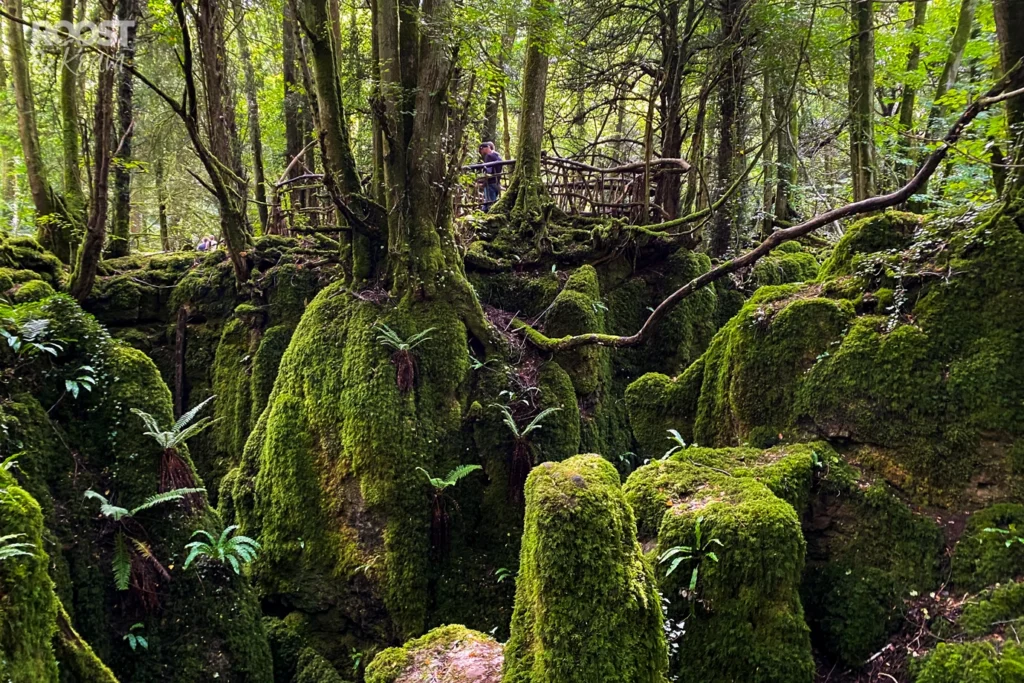
Explore Puzzlewood. This is the forest’s most photographed spot, and for good reason. Twisted, moss-covered rock formations, ancient yew trees, and winding wooden walkways create a landscape that feels genuinely otherworldly. It’s been used as a filming location for productions including Star Wars and Doctor Who, and it’s especially popular with families thanks to its network of paths, bridges, and hidden corners that feel like a natural maze.

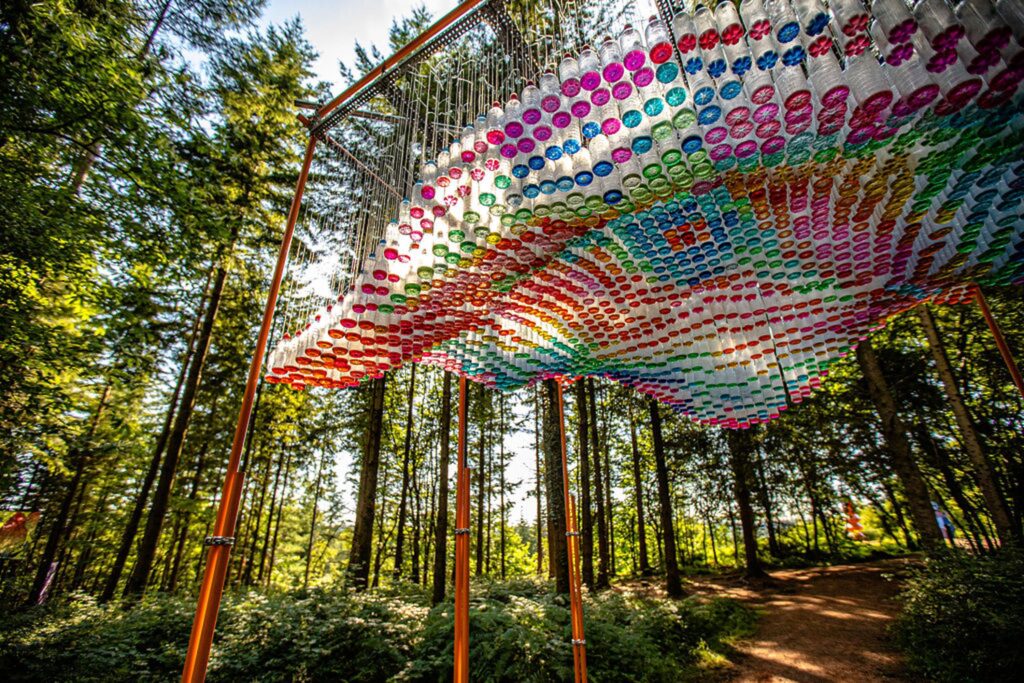
Walk or cycle the Sculpture Trail. Beechenhurst Lodge is the starting point for the Forest of Dean Sculpture Trail, a 4-mile route dotted with more than twenty site-specific artworks that have been integrated into the landscape since the 1980s. It’s an easy, flat walk suitable for pushchairs and works equally well as a shorter there-and-back visit if you don’t want to complete the full loop.

Go underground at Clearwell Caves. These natural caverns have been mined for iron ore and ochre for thousands of years and are now open to the public, with several chambers accessible on a self-guided route. It’s a genuinely different experience to the forest’s outdoor attractions and gives real insight into the area’s mining heritage.

Cycle the forest’s dedicated trails. The Forest of Dean has some of the best mountain biking in England, with graded trails to suit everyone from complete beginners to experienced riders. The Family Cycle Trail is a gentle, mostly flat 11-mile route, while the Verderers’ Trail offers a more technical 11-mile route with genuine climbs and descents for confident riders.

Visit Symonds Yat Rock. Just on the edge of the forest, this dramatic viewpoint overlooks a horseshoe bend in the River Wye and is one of the best places in England to watch peregrine falcons, with a dedicated viewing point staffed by volunteers during breeding season.

Try Go Ape. For families or groups looking for something more active, the Forest of Dean’s Go Ape site offers tree-top rope courses and zip lines through the forest canopy, a genuinely thrilling way to see the woodland from a different angle.

Visit the Dean Heritage Centre. This museum tells the story of the forest’s industrial and social history, with reconstructed miners’ cottages, a working waterwheel, and exhibits covering everything from charcoal burning to the Freeminer tradition.

Best Places to Visit in the Forest of Dean

Beyond the headline attractions, several specific spots are worth building into any Forest of Dean itinerary.

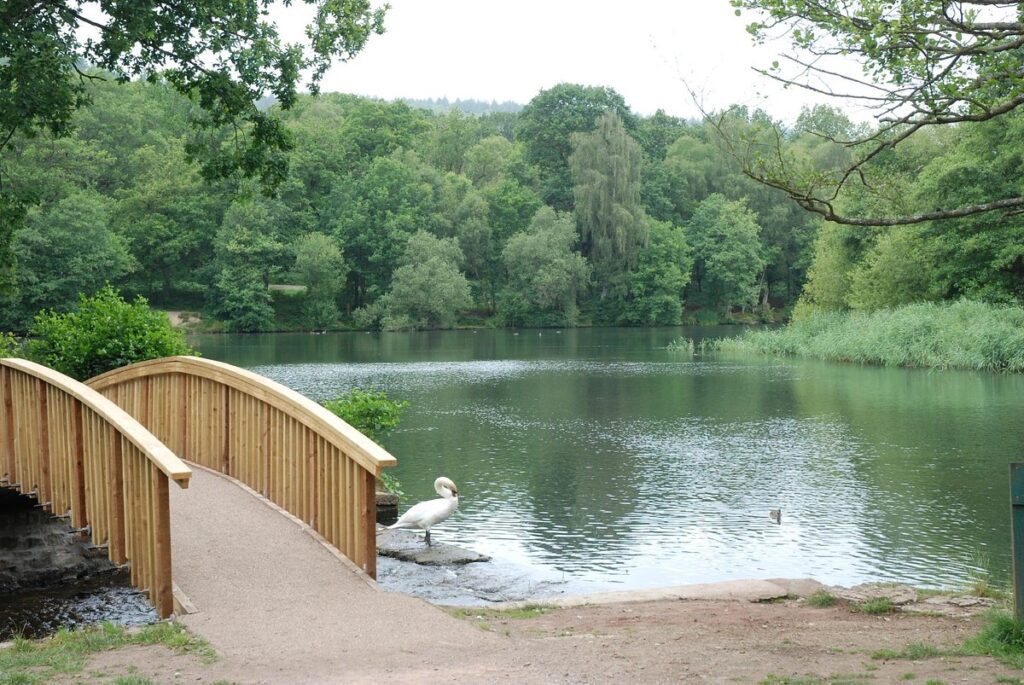
Cannop Ponds are a pair of tranquil former industrial reservoirs, now a favourite picnic spot and starting point for several waymarked walks. Wild boar are regularly spotted in the surrounding woodland, particularly in the early morning.

Mallards Pike Lake offers an easy circular walk around a peaceful lake, with a café, boat hire in summer months, and a good playground, making it a reliable choice for a relaxed family afternoon.

Speech House, once a royal hunting lodge and now a hotel, sits at the historic heart of the forest and is still where the Verderers’ Court meets to oversee forest law, a tradition dating back centuries.

Cyril Hart Arboretum near Speech House brings together an impressive collection of tree species from around the world, making it a quieter, more contemplative stop for anyone interested in trees and woodland ecology.

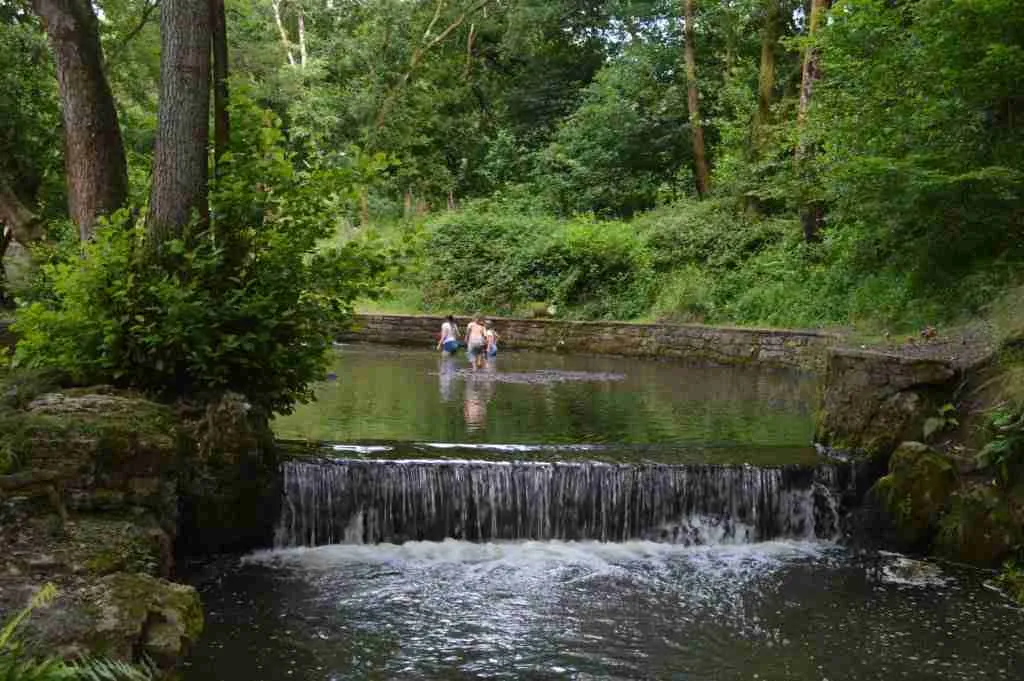
Soudley Ponds and Nature Reserve offers a gentler, less-visited pocket of the forest, with a series of small lakes and a good chance of spotting dragonflies and waterfowl in summer.

How to Get There

The Forest of Dean sits in western Gloucestershire, close to the Welsh border, and is most easily reached by car.

By car: The forest is accessible via the A48, which runs along its eastern edge between Gloucester and Chepstow, and the A4136, which connects to Monmouth and the Wye Valley. Coleford is generally considered the forest’s main town and a useful base for exploring, roughly 40 minutes from Gloucester and around an hour from Bristol. Cardiff is also around an hour away via the Severn crossings.

By train: There’s no railway station within the forest itself. The nearest useful stations are Lydney, on the Gloucester to Cardiff line, and Gloucester itself, which has more frequent services and connections to London, Bristol, and the Midlands. From either station, you’ll need a car, taxi, or local bus to reach the forest’s attractions, as public transport within the forest is limited.

By bus: Local bus services connect Coleford, Cinderford, and Lydney, but services to individual attractions like Puzzlewood or Beechenhurst can be infrequent, particularly outside peak season, so checking current timetables in advance is essential if you’re relying on public transport.

Parking: Most major attractions have dedicated car parks. Forestry England operates pay-and-display parking at popular spots including Beechenhurst Lodge, Mallards Pike, and Cannop Ponds, and it’s worth carrying change or having a parking app ready, as not all car parks accept card payment.

Best Time to Visit

The Forest of Dean has genuine appeal across all four seasons, and the right time to visit depends largely on what you want from your trip.

Spring (March to May) brings bluebells to many parts of the forest, with carpets of blue typically peaking in late April to early May. Wildlife is particularly active as birds return and young deer and boar appear, and the weather is generally mild enough for long walks without summer crowds.

Summer (June to August) is the busiest period, with school holidays bringing more visitors to attractions like Puzzlewood and the Sculpture Trail. This is the best time for lake activities at Mallards Pike and for longer cycling days, thanks to extended daylight hours, though popular car parks can fill up on sunny weekends.

Autumn (September to November) is arguably the forest’s most spectacular season. The mix of oak, beech, and sweet chestnut produces a genuinely impressive display of autumn colour, typically peaking in late October, and cooler temperatures make for comfortable walking and cycling conditions.

Winter (December to February) is quieter still, with a stark, atmospheric beauty to the bare trees and a real chance of spotting wildlife against a quieter forest floor. Some facilities operate reduced hours, and paths can be muddy after rain, so appropriate footwear is essential.

InformationDetails
Best time to visitSpring for bluebells, autumn for colour
Recommended visit length1–3 days
Best forFamilies, walkers, cyclists, wildlife spotters
ParkingPay-and-display at main sites
DifficultyEasy to moderate, depending on trail

Walking and Hiking in the Forest of Dean

Walking is arguably the best way to experience the Forest of Dean, and the network of waymarked trails means there’s a route to suit every fitness level and interest.

For an easy introduction, the Sculpture Trail from Beechenhurst Lodge is hard to beat. At around 4 miles, it’s mostly flat, well-surfaced, and suitable for families with pushchairs, while still delivering genuine woodland scenery and a constant stream of interesting artworks to break up the walk.

More experienced walkers should look at the longer waymarked routes that link several of the forest’s key sites, including circular walks from Cannop Ponds and Soudley that can be extended or shortened depending on time and energy. Ordnance Survey Explorer map OL14 covers the Forest of Dean and Wye Valley in detail and is worth carrying for anything beyond the main marked trails, since not every path is signposted consistently.

Underfoot conditions vary considerably by season. Summer paths are generally firm and dry, but forest tracks can become genuinely muddy after autumn and winter rain, so waterproof, sturdy footwear is strongly recommended outside the driest months. Much of the forest floor is uneven, with tree roots and loose stones common even on popular routes.

Dogs are welcome throughout the forest on most paths, though owners should be aware that livestock, including sheep under ancient grazing rights, can be encountered on some routes, and keeping dogs under close control is important both for wildlife and for other visitors.

Mobile signal is patchy in the denser parts of the forest, so it’s worth downloading maps in advance or carrying a physical map for longer walks, particularly if you’re heading away from the main visitor sites.

Cycling in the Forest of Dean

The Forest of Dean has a genuine claim to being one of England’s best mountain biking destinations, with trails purpose-built and maintained to a high standard.

The Family Cycle Trail is the natural starting point for less experienced riders or families with children. Around 11 miles long and largely flat with a hard surface, it loops through attractive woodland and is manageable for confident young cyclists, though its length means it’s still a proper outing rather than a quick loop.

For more experienced riders, the Verderers’ Trail offers a genuinely different experience: around 11 miles of singletrack, climbs, and technical sections that have made it a genuine draw for mountain bikers from across the country. It’s graded for intermediate to advanced riders, and those without recent off-road experience should approach it cautiously.

Bike hire is available at Pedalabikeaway, based near Cannop, offering everything from children’s bikes to full-suspension mountain bikes, along with helmets and other equipment, making it entirely possible to visit without bringing your own gear.

Beyond the dedicated trails, much of the forest’s wider network of forestry tracks is also open to cyclists, offering the chance to build custom routes away from the busier marked trails, though a map or GPS device is recommended for anyone heading off the main paths.

Family-Friendly Activities

The Forest of Dean is consistently popular with families, and several attractions are specifically geared towards younger visitors.

Puzzlewood remains the standout choice for families with its maze-like paths, hidden bridges, and genuinely magical atmosphere that tends to capture children’s imaginations more than a standard woodland walk. A dedicated play area and seasonal events add to its appeal.

Go Ape offers tree-top adventure courses suitable for children from around age 10 upwards (with height and age restrictions varying by course), giving older kids and confident younger ones a genuine adrenaline boost among the treetops.

Mallards Pike combines an easy lakeside walk with a good playground and a café, making it a reliable choice for families who want a relaxed few hours rather than a full day of activity.

Beechenhurst Lodge has a play area alongside the start of the Sculpture Trail, along with a café, making it easy to combine a short family walk with lunch and playtime.

For younger children in particular, it’s worth building in regular stops, since forest walks can take longer than expected once small legs and frequent pauses for exploring are factored in.

Hidden Gems

Beyond the well-known attractions, the Forest of Dean holds several quieter spots that reward those willing to explore a little further.

Wenchford Picnic Site sits along a small stream and offers a genuinely peaceful spot for a picnic away from the busier car parks, with a short accessible walk suitable for wheelchairs and pushchairs.

Nagshead Nature Reserve, run by the RSPB near Parkend, is one of the best places in the forest for birdwatching, particularly for pied flycatchers and redstarts during the breeding season.

New Fancy View, a former colliery site now reclaimed by nature, offers one of the best panoramic viewpoints over the forest canopy, and is a good spot to watch goshawks displaying in early spring.

The Suck Stone, near Symonds Yat, is reputed to be one of the largest freestanding boulders in Britain, and the walk to reach it takes in some genuinely dramatic Wye Valley scenery away from the main tourist routes.

Where to Stay

Accommodation options around the Forest of Dean range from campsites to country hotels, giving visitors genuine choice depending on budget and style of trip.

Coleford and Cinderford are the two main towns within the forest boundary and offer a mix of guesthouses, small hotels, and self-catering cottages, making them practical bases for exploring multiple attractions without long drives.

Speech House Hotel, the former royal hunting lodge at the forest’s centre, offers a genuinely atmospheric stay right in the heart of the woodland, with easy access to central trails and the Cyril Hart Arboretum.

Camping and glamping are popular ways to experience the forest, with several sites offering pitches among the trees, and forest-based camping in particular giving a genuine sense of immersion that hotel stays further out can’t quite match.

For those wanting wider options, Ross-on-Wye and Monmouth, both a short drive from the forest boundary, offer a broader range of accommodation and additional restaurants, while remaining close enough for day trips into the forest itself.

Safety Tips

The Forest of Dean is generally a safe destination for walkers, cyclists, and families, but a few practical points are worth bearing in mind.

Wild boar are present in significant numbers across parts of the forest, and while attacks on humans are rare, they should never be approached, particularly females with young, and dogs should be kept under close control in areas where boar are known to be present.

Mobile phone signal is unreliable in the denser parts of the forest, so it’s sensible to tell someone your planned route before setting off on longer walks, and to carry a physical map as a backup to phone-based navigation.

Cyclists on the Verderers’ Trail should be aware that sections involve genuine technical mountain biking terrain, and appropriate protective equipment, along with a realistic assessment of ability, is recommended before attempting the full route.

Forest tracks can become slippery after rain, and some paths cross old quarry or mining areas where the ground can be uneven, so sticking to waymarked routes is the safest approach, particularly for anyone unfamiliar with the terrain.

What to Pack

A little preparation goes a long way in the Forest of Dean, particularly given how quickly conditions can change beneath tree cover.

  • Sturdy, waterproof walking boots or shoes
  • A waterproof jacket, even in summer
  • Layers, since temperatures under the canopy can feel noticeably cooler
  • A physical map (OS Explorer OL14) as backup to phone navigation
  • Water and snacks, especially for longer routes away from cafés
  • A basic first aid kit for longer walks or cycling routes
  • Cash or a parking app, since not all car parks accept cards
  • Binoculars, if you’re interested in birdwatching or wildlife spotting

Two-Day Forest of Dean Itinerary

Day One: Central Forest and Sculpture Trail

Start the morning at Beechenhurst Lodge, walking the Sculpture Trail at a relaxed pace, allowing around two to three hours including stops. Grab lunch at the on-site café before heading to Puzzlewood in the early afternoon, allowing at least ninety minutes to properly explore its winding paths. Round off the day with a gentle walk around Cannop Ponds, keeping an eye out for wild boar in the early evening light, before heading to your accommodation for dinner.

Day Two: Adventure and Heritage

Begin with a cycling session on the Family Cycle Trail, or the Verderers’ Trail for more experienced riders, hiring bikes from Pedalabikeaway if needed. After lunch, head to Clearwell Caves for a change of pace underground, followed by a visit to the Dean Heritage Centre to learn about the forest’s industrial past. If time and energy allow, finish the day at Symonds Yat Rock to watch for peregrine falcons before sunset.

FAQ Section

Is the Forest of Dean worth visiting?
Yes. The Forest of Dean offers one of England’s largest areas of ancient woodland, combined with well-developed cycling trails, family attractions like Puzzlewood, and genuine wildlife-spotting opportunities including wild boar and birds of prey. Its size and variety mean it suits both quick day trips and longer weekend stays, and it rarely feels as crowded as better-known national parks even during peak season.

How long do you need in the Forest of Dean?
A single day is enough to cover the main highlights, such as Puzzlewood, the Sculpture Trail, and a short cycle or walk. However, two to three days allows time to properly explore the cycling trails, visit Clearwell Caves, and reach quieter spots like Nagshead Nature Reserve or New Fancy View without feeling rushed.

Is the Forest of Dean good for families?
Yes, particularly around Puzzlewood, Beechenhurst Lodge, and Mallards Pike, all of which offer easy walking trails, playgrounds, and café facilities. The Family Cycle Trail is also suitable for confident young riders, and Go Ape offers a more adventurous option for older children.

Are dogs allowed in the Forest of Dean?
Dogs are welcome on most forest paths and trails, though they should be kept under close control, particularly in areas where sheep graze under ancient forest rights or where wild boar are known to be active. Some specific attractions, such as Puzzlewood, have their own dog policies worth checking in advance.

Can you see wild boar in the Forest of Dean?
Wild boar live throughout the forest, with sightings most likely around dawn and dusk near areas like Cannop Ponds. Sightings are never guaranteed, and boar should always be observed from a distance rather than approached, particularly females with young.

Is the Forest of Dean good for cycling?
Yes, it’s considered one of England’s best mountain biking destinations, with graded trails including the easier Family Cycle Trail and the more technical Verderers’ Trail. Bike hire is available locally at Pedalabikeaway, making it accessible even without your own equipment.

What is the best time of year to visit the Forest of Dean?
Spring brings bluebells and active wildlife, summer offers the longest days for lake activities and cycling, and autumn delivers the forest’s most spectacular colour, typically peaking in late October. Winter is quieter and atmospheric, though some facilities operate reduced hours.

Is there parking at the main Forest of Dean attractions?
Yes, Forestry England operates pay-and-display car parks at the main sites, including Beechenhurst Lodge, Mallards Pike, and Cannop Ponds. It’s worth carrying cash or a parking app, as not every car park accepts card payment.

Conclusion

The Forest of Dean rewards visitors who want more than a quick photo stop. Its ancient woodland, genuinely varied trail network, and mix of family attractions and quieter hidden corners mean it works for almost any kind of trip, whether that’s a fast-paced day of cycling and cave exploring or a slower weekend spent walking beneath centuries-old oaks.

What sets it apart from many other English woodlands is its combination of scale and accessibility. You can spend a full day exploring without repeating a trail, yet the main attractions sit close enough together that logistics stay simple, even for families juggling young children or visitors without a car for part of their trip.

If you’re planning a visit, give yourself at least a full day, though two days will let you properly combine the forest’s cycling trails, its underground caves, and its wildlife-watching spots without rushing. Pack for changeable weather, bring proper footwear, and consider timing your trip around bluebell season or autumn colour if you want the forest at its most photogenic.

Whether you arrive for the mountain biking, the family-friendly walks, or simply the chance to disappear beneath genuinely ancient trees for a few hours, the Forest of Dean delivers an experience that feels increasingly rare in southern England: real, unhurried wilderness within easy reach of home.

Leave a Comment

Your email address will not be published. Required fields are marked *