
Table of Contents
Porthdinllaen Wales
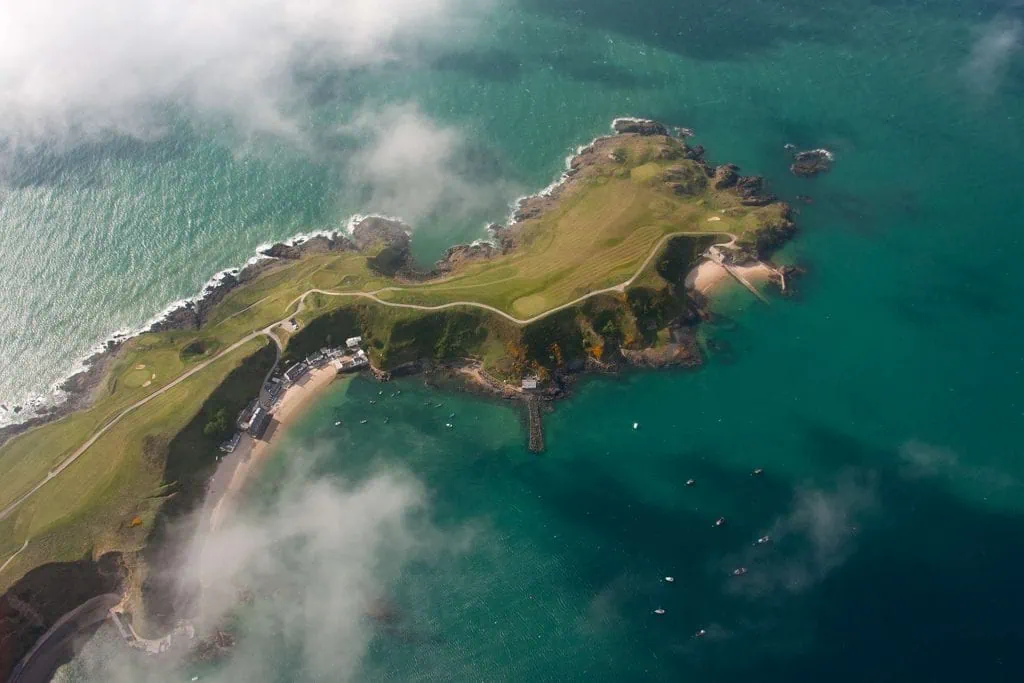
Porthdinllaen Wales is one of those places that feels almost too good to be true until you actually stand on the beach and see it for yourself. Tucked onto a narrow headland on the northern edge of the Llŷn Peninsula in Gwynedd, this old fishing village has no roads running through it, no cars parked outside its cottages, and barely two dozen buildings in total. What it does have is a sweeping sheltered bay, clear shallow water, and a whitewashed pub sitting almost on the sand.
The village once had ambitions of becoming Wales’ main port for Ireland, but Holyhead won out because of better road connections. That decision, as unlucky as it was for Porthdinllaen at the time, is exactly why the place has stayed so unspoiled. It was never developed, never built up, and has been cared for by the National Trust since 1994.
Today Porthdinllaen draws walkers, families, paddleboarders, and anyone looking for a quieter alternative to the busier Llŷn Peninsula spots like Abersoch. You can only reach it on foot, which keeps the pace slow and the crowds manageable even in peak summer.
This guide covers everything worth knowing before you go: how to actually get there, what the beach and coastal walk are like, the story behind the Tŷ Coch Inn, when to visit, where to base yourself nearby, and what else is worth seeing while you’re on this stretch of the Llŷn Peninsula.
Why Visit Porthdinllaen?
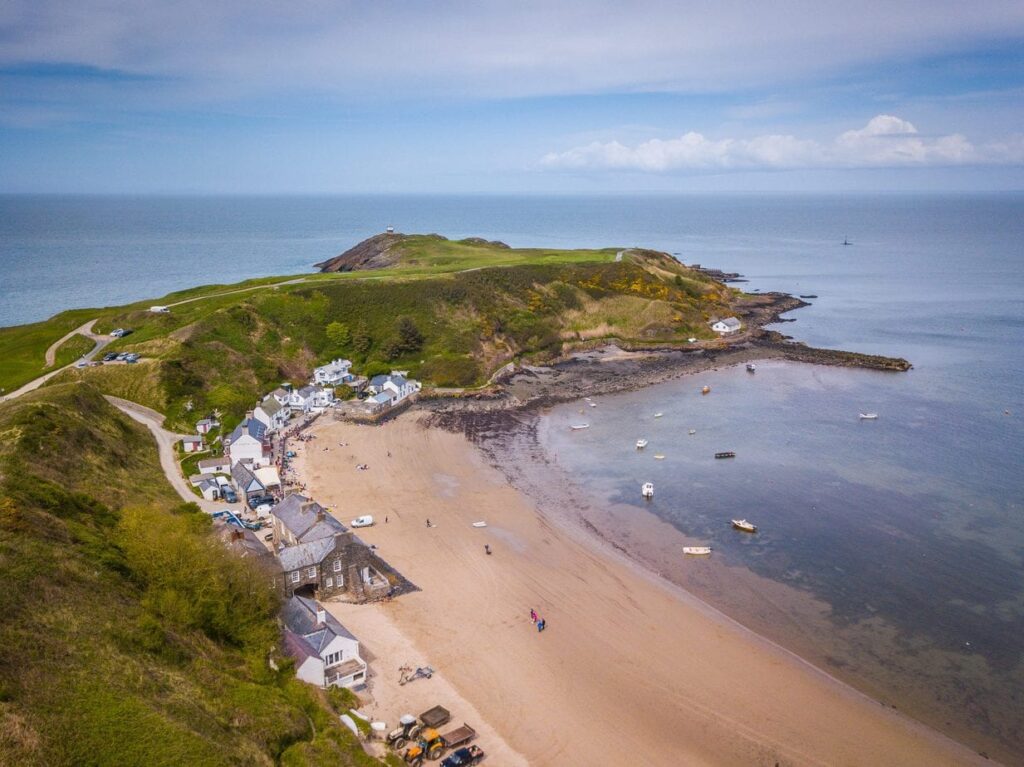
Porthdinllaen earns its reputation honestly. It was named among Britain’s most beautiful seaside villages by national travel press in recent years, and the setting explains why. The bay is sheltered by the headland, which keeps the water calm and shallow, ideal for families with young children or anyone wanting a gentle swim rather than a battle with waves.
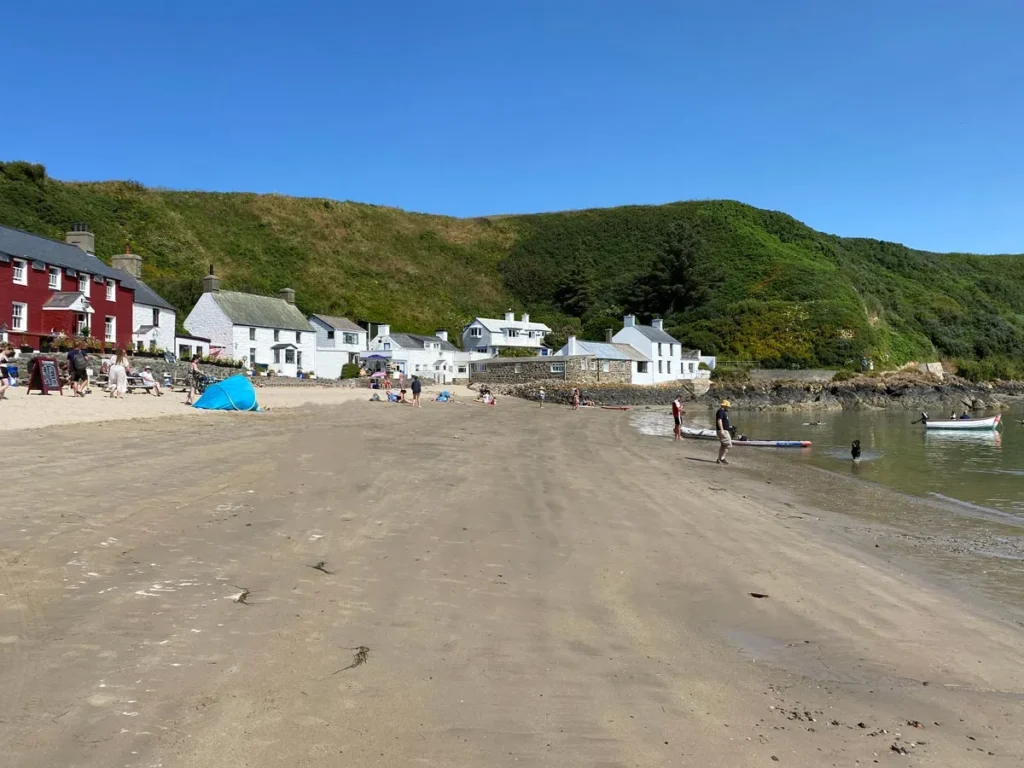
The car-free layout is a huge part of the appeal. Because vehicles are restricted to residents with a permit, the village keeps a slow, unhurried atmosphere that’s hard to find on more accessible stretches of coast. You’ll see fishing boats resting on the sand at low tide, stone cottages lining the shore, and views stretching across to Yr Eifl and the wider Llŷn National Landscape.
It’s also a genuinely good wildlife spot. The bay is designated a Special Area of Conservation and sits above one of the largest seagrass meadows in North Wales, home to grey seals, nesting sand martins, oystercatchers, and cormorants along the cliffs.
How to Get to Porthdinllaen
There’s no direct road into the village, so getting there always involves a walk. Most visitors park at the National Trust car park in Morfa Nefyn and either walk along the beach at low tide or follow the path across Nefyn Golf Club, passing an Iron Age hill fort on the headland along the way. The walk takes roughly 20 to 25 minutes.
By car, the village is reached via Morfa Nefyn, which sits off the B4417 near Nefyn. From Caernarfon, the A487 connects to the B4417 through Llanaelhaearn. From Pwllheli, the B4412 leads to Nefyn.
Public transport options are limited on this part of the peninsula, and the nearest railway station, Pwllheli, is several miles away, so a car is the most practical way to reach the area before setting off on foot. There is also parking available closer to the golf club itself, and a bicycle route runs to the beach via the golf course road for those who’d rather cycle than drive.
Porthdinllaen Beach and the Coastal Walk
The beach at Porthdinllaen is a long, sweeping sandy bay sheltered by the Carreg Ddu headland. Towards low tide, the sand widens considerably, exposing more of the shoreline and giving small boats a resting spot on the flat seabed. The water is calm enough for swimming, paddleboarding, kayaking, and simply pottering around the rock pools.
Beyond the beach itself, a coastal path continues around the headland, forming part of the wider Wales Coast Path. It’s an easy, mostly flat route suitable for most fitness levels, and it leads past the lifeboat station toward one of the best viewpoints in the area, looking back along the coast toward Dinas Dinlle with the Yr Eifl mountains behind.
The Lifeboat Station
Porthdinllaen’s RNLI lifeboat station has been part of the village since 1864, when it was built for £140 following a violent storm in December 1863 that wrecked eighteen ships sheltering in the bay. Local man Robert Rees helped save 28 lives that night and was later awarded the RNLI’s Thanks on Vellum. The station remains active today and is a popular stop along the coastal walk.
The Tŷ Coch Inn and Village History
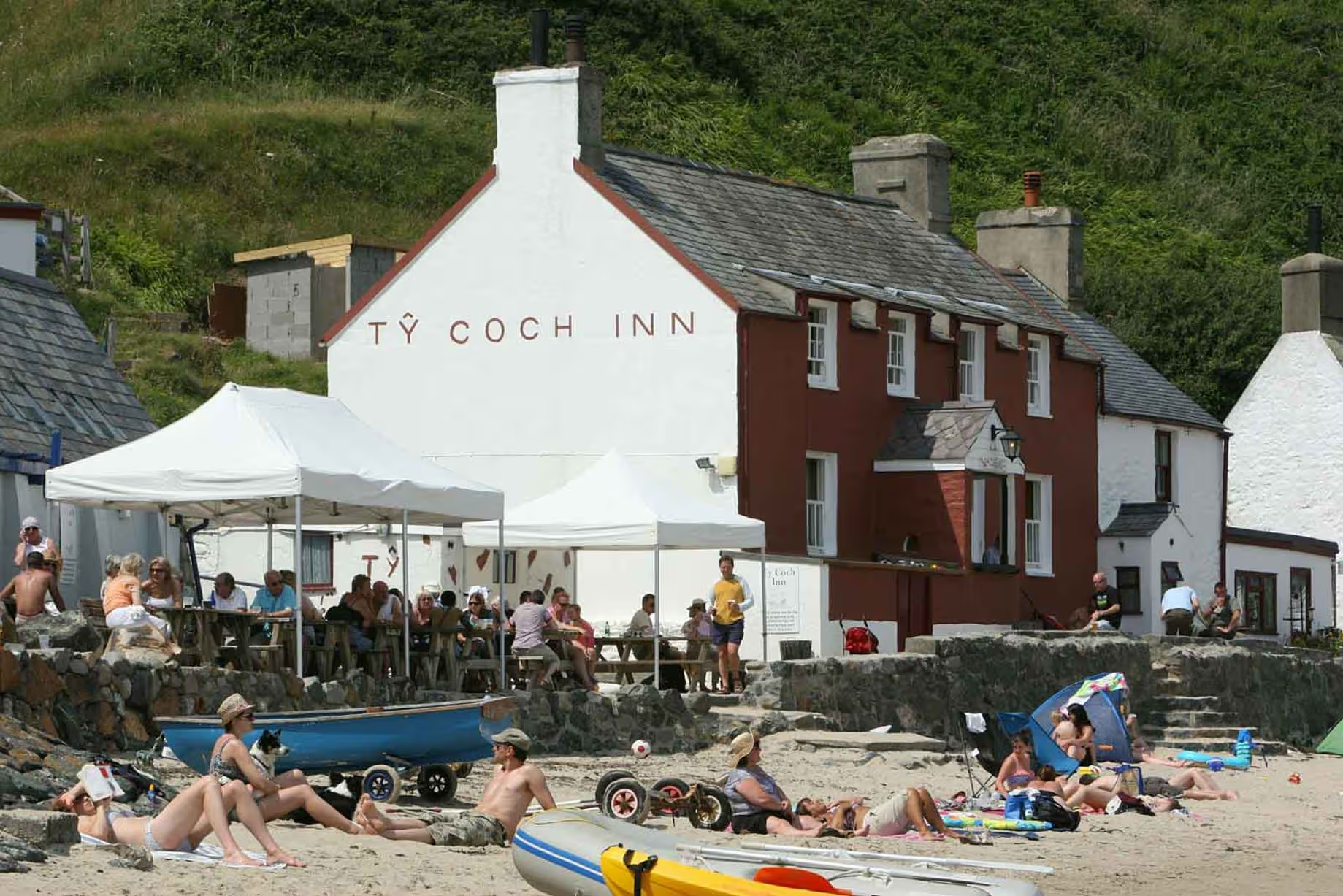
No visit to Porthdinllaen is complete without the Tŷ Coch Inn, a pub that has repeatedly been ranked among the best beach bars in the world. Built in 1823, the building originally served as a vicarage for five years before becoming a private house, and then, in 1842, a housekeeper named Catherine Ellis opened it as a pub to serve the local shipbuilding workforce. At the time it competed with four other pubs along the beach; today it’s the only one still standing.
The wider village grew around fishing and shipbuilding through the 19th century, and it’s genuinely surprising to learn it was once considered as a major port for Ireland. That history is part of what makes walking through the handful of remaining buildings feel like stepping back in time, since almost nothing here has changed for well over a century.
Best Time to Visit Porthdinllaen
Summer, from June through August, is the most popular period, offering the calmest sea conditions and the best chance of a dry walk across the golf course or beach. This is also when the Tŷ Coch Inn is busiest, since it draws both walkers and boat visitors mooring in the bay.
Spring and early autumn are worth considering for a quieter visit. The coastal path and headland views are just as good, temperatures are milder for walking, and you’ll likely have more of the beach to yourself. Wildlife spotting, particularly grey seals around the headland, can also be rewarding outside peak summer crowds.
Winter visits are possible but come with more exposed, changeable weather typical of the North Wales coast, and the tidal beach route can be harder to time. Always check tide times before setting out, since the beach walking route is only practical when the tide allows it.
Where to Stay Near Porthdinllaen
Since there’s no accommodation directly in the car-free village itself, most visitors base themselves in Morfa Nefyn or nearby Nefyn, both a short walk or drive from the National Trust car park. These villages offer a mix of guesthouses, self-catering cottages, and holiday lets, along with everyday amenities like shops and cafés that Porthdinllaen itself doesn’t have.
Morfa Nefyn
Morfa Nefyn sits directly beside the beach route into Porthdinllaen and makes the most convenient base for repeat visits or an early start before the crowds arrive. It has its own sandy beach, a small selection of places to eat, and easy access to Nefyn Golf Club’s footpath route across the headland.
Nearby Places on the Llŷn Peninsula
Porthdinllaen sits within easy reach of several other highlights on the Llŷn Peninsula. Nefyn itself has a sandy crescent beach, a harbour, and the Llŷn Maritime Museum, which tells the story of the peninsula’s long relationship with the sea. Further along the coast, Porthor is known for its surf-friendly waves, while the more sheltered village of Abersoch offers a livelier alternative with more shops and restaurants.
For those with more time, the wider Llŷn National Landscape rewards slow exploration by car or on foot, with quiet lanes, small chapels, and dramatic headland scenery all within a short drive of Porthdinllaen.
FAQ
Is Porthdinllaen accessible by car?
No. Porthdinllaen is car-free, apart from resident permit holders. Visitors park at Morfa Nefyn or Nefyn Golf Club and walk in via the beach or golf course path, roughly 20 to 25 minutes.
Is Porthdinllaen beach good for swimming?
Yes. The bay is sheltered by the headland, giving calm, shallow water that suits swimming, paddleboarding, and kayaking, making it a popular choice for families.
How do I get to the Tŷ Coch Inn?
On foot only. Walk from the Morfa Nefyn National Trust car park along the beach or across Nefyn Golf Club, following signs toward the village.
Can I walk the coast path from Porthdinllaen?
Yes. A section of the Wales Coast Path runs around the headland past the lifeboat station, offering views back along the coast toward Dinas Dinlle and the Yr Eifl mountains.
Where should I stay to visit Porthdinllaen?
Most visitors stay in Morfa Nefyn or Nefyn, both a short walk or drive from the car park, since there’s no accommodation in the car-free village itself.
Conclusion
Porthdinllaen Wales rewards anyone willing to leave the car behind for twenty minutes. Between the sheltered bay, the historic Tŷ Coch Inn, and a coastal path that takes in seals, seabirds, and some of the best views on the Llŷn Peninsula, it’s easy to see why this tiny village keeps appearing on lists of Britain’s most beautiful seaside spots.
Base yourself in Morfa Nefyn or Nefyn, time your visit around the tides, and set aside a few unhurried hours to actually enjoy the walk in rather than rushing through it. Whether you come for a swim, a pint by the water, or simply the view across the bay, Porthdinllaen is one of North Wales’ most rewarding low-key destinations.