
Table of Contents
Isle of Mull
Skye gets the crowds. The Isle of Mull gets the peace and quiet, plus a few thousand sheep who have strong opinions about the road. It sits off Scotland’s west coast, a short ferry ride from Oban, and it packs in castles, beaches, painted houses and eagles.
This guide covers eight things worth your time. A few are famous, a few are just pleasant, and one involves a boat that may or may not want to land. Ferry times, opening hours and prices change, so check the official websites before you go.
1. Wander around Tobermory
Tobermory Isle of Mull is the first stop for most visitors, and it is easy to see why. The harbour is lined with brightly painted houses in yellow, blue, red and pink. It looks like someone let a toddler loose with a paint set, but somehow it works.
Walk the waterfront, pick a café, and keep an eye on the water, because seals sometimes pop up in the harbour. The town is also known as the setting for the children’s TV show Balamory, so you may see parents pointing at buildings and whispering. There is also a whisky distillery in town, but check tour times and booking rules before you turn up thirsty.
2. Look around Duart Castle
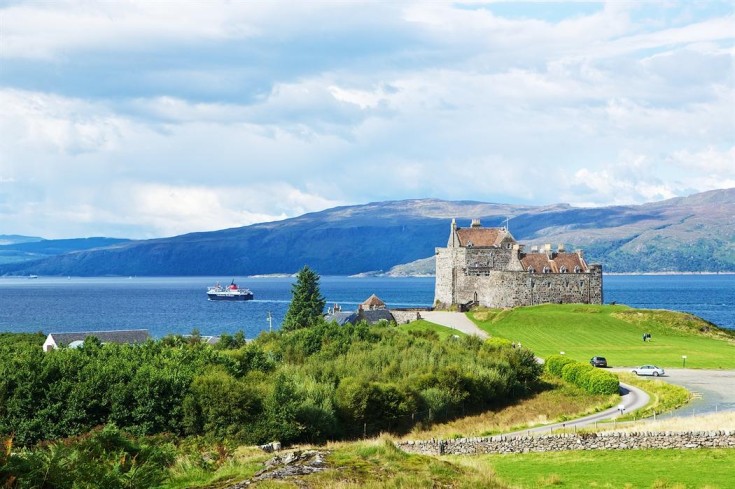
Duart Castle sits on a rocky point near Craignure, looking out over the Sound of Mull. It has been the home of Clan MacLean for centuries, and it looks exactly how a castle should look: grey, solid and slightly grumpy.
It is one of the best-known castles on the Isle of Mull, and it is easy to reach because it is close to the ferry port. That makes it a good first stop if you arrive in the morning. The views alone are worth the visit, even if you are not a history person. Opening months, hours and ticket prices change, so check before you drive there.
3. Take the ferry to the Isle of Iona
The Isle of Iona is a tiny island off Mull’s south-west tip. You drive across Mull to Fionnphort, then take a short foot ferry across the water. Allow more time for the drive than the map suggests, because the roads are slow. Check ferry times and any rules about bringing vehicles.
The main sight is Iona Abbey, a place with a long Christian history. St Columba is said to have arrived here in the 6th century. Outside the abbey, the island is quiet and small, with white beaches and grassy paths. It is small enough that you cannot really get lost, although a few people do manage.
Give Iona at least half a day. The ferry does not care how good your photo is, so keep an eye on the return time.
4. Take a boat trip to Staffa and Fingal’s Cave
Staffa is a small uninhabited island known for its dark basalt columns and a sea cave called Fingal’s Cave. The columns look like a giant stacked a load of pencils and walked away.
Boat trips run from several spots on Mull, and some also visit puffin colonies in the right season. Trips depend on weather and sea conditions, and landing is never guaranteed, so book ahead and stay flexible. Bring a warm jacket. Bring a strong stomach too, because the sea can get lively.
5. Walk along Calgary Beach
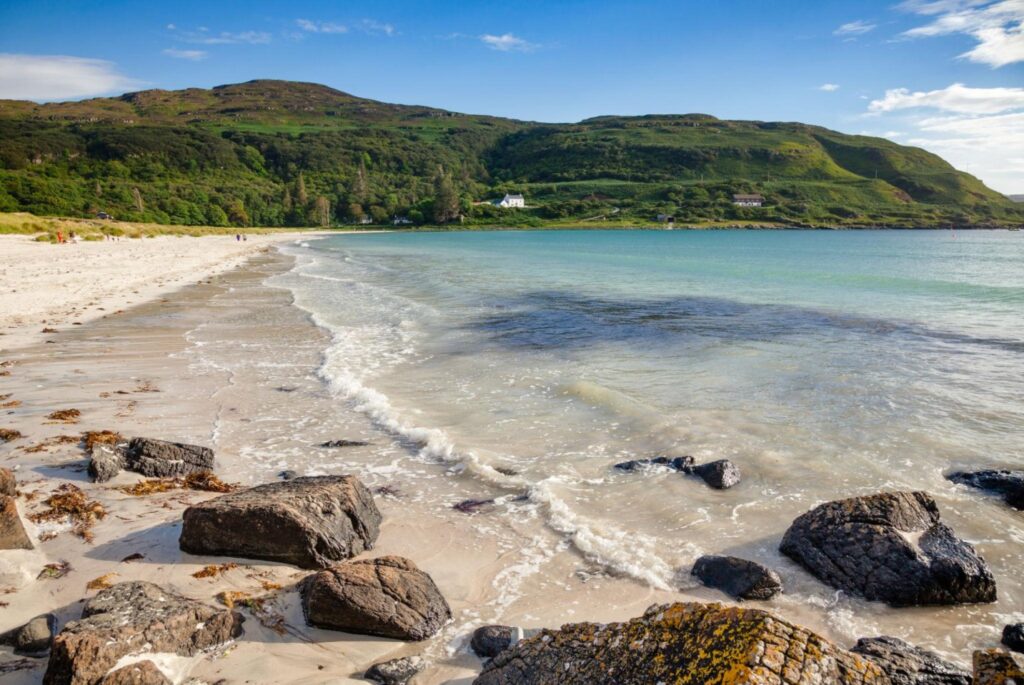
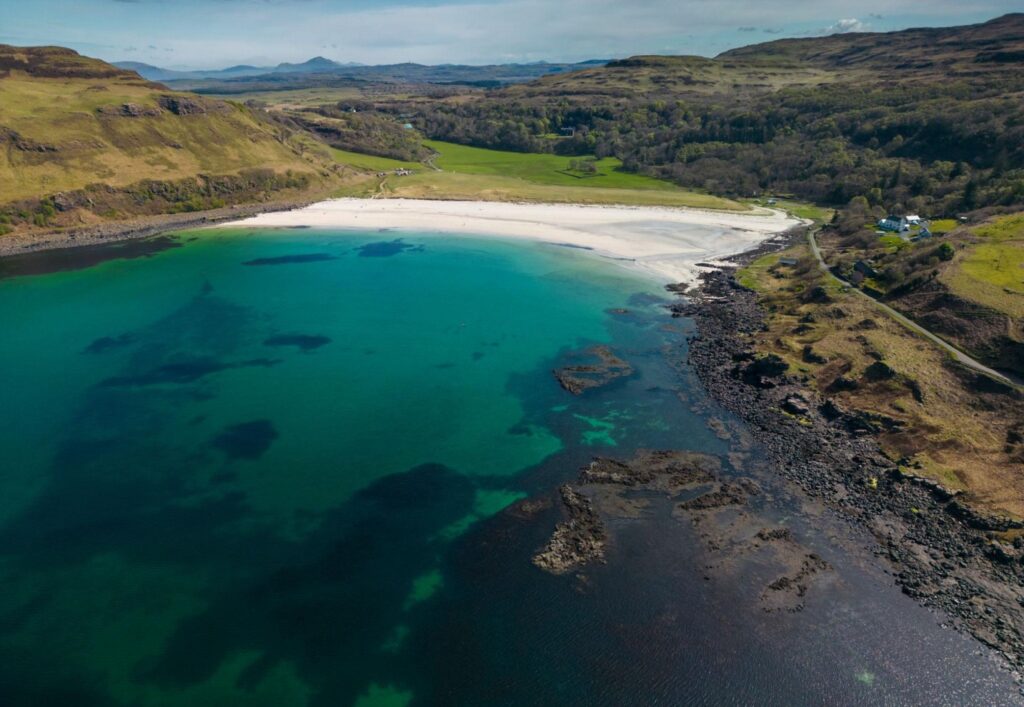
Calgary Beach is on Mull’s north-west coast, and it has pale sand, clear water and grassy dunes behind. It is one of the prettiest beaches on the island. The name will confuse people from Canada, and the Canadian city of Calgary is said to be named after this place, so you can drop that fact into a conversation if you need one.
The beach is a good place for a slow walk and a picnic. The water is cold, there is no guarantee of a lifeguard, and the weather changes fast, so pack layers even if the morning looks sunny. Take your rubbish home, and leave the sand where it belongs.
6. Go looking for wildlife
Mull is one of the best places in Scotland for wildlife. White-tailed sea eagles and golden eagles nest here, and otters and seals live along the coast. Boat trips can also turn up dolphins and, if you are lucky, whales.
The Isle of Mull is not a zoo, so nothing is guaranteed. The eagle does not know it has a schedule. A pair of binoculars will help, and so will patience. Many visitors book a wildlife trip with a local operator, since guides know where to look. Stay well back from animals and follow local guidance, especially near nests and seal colonies.
7. Climb Ben More
Ben More is the highest mountain on Mull, at around 966 metres. It is a proper hill, not a gentle stroll. The views can be excellent, but the cloud sometimes disagrees.
Only go if you have good boots, waterproofs, a map and the skills to navigate. Check the forecast, tell someone your plan, and turn back if the weather worsens. There is no shame in turning around. The mountain will still be there tomorrow, and it does not keep score.
If a big climb sounds like too much, Mull has plenty of easier coastal and forest walks. Check local route information before you set off.
8. Drive out to Glengorm
Glengorm Castle sits on the north coast, not far from Tobermory, at the end of a winding single-track road. On a clear day you can see out to other Hebridean islands. Walk along the nearby coast, look for wildlife and enjoy having very few people around.
The road is part of the experience. Pull into a passing place on your left, or stop opposite one on your right, to let oncoming cars pass. Never park in a passing place. A friendly wave to other drivers is the local custom, and you will be doing it a lot. Check whether the estate has any places to eat open, and bring snacks in case.
Planning your trip
Getting to the Isle of Mull means taking a ferry. The most common route is Oban to Craignure, and there are other crossings from the mainland, so check which one suits your plans. Vehicle spaces can sell out in busy periods, so book early. Bad weather can also disrupt sailings, so leave a spare day at the end of your trip.
A car makes life much easier because the sights are spread out. Buses exist but can be limited, so check timetables. Two to three days is a good length for a first visit. Fill up with fuel when you can, and download an offline map because phone signal can vanish. In summer, bring midge repellent. The midges will find you either way, but repellent gives you a fighting chance.
Final thoughts
The Isle of Mull is one of those places where a slow trip beats a rushed one. Spend a day in Tobermory and at Duart Castle, save another for Iona, and leave time for a boat trip if the weather agrees. Check the ferries, pack layers, and accept that the sheep have right of way.
Do that, and Mull will reward you with more than a few good photos.
FAQs
1. Is the Isle of Mull worth visiting?
Yes. It has castles, beaches, hills and wildlife in one place, and it is usually calmer than busier islands such as Skye. It works well for a weekend or a longer trip.
2. How do you get to the Isle of Mull?
Most visitors take a ferry from Oban to Craignure. Other crossings link Mull with the mainland too. Book vehicle spaces early in busy periods and check timetables, since weather can cause delays.
3. How many days do you need on Mull?
Two to three days is enough for Tobermory, Duart Castle, Iona and a beach. Add a day for a boat trip or a big walk. Leave a buffer day for bad weather.
4. Can you visit the Isle of Iona in a day?
Yes. Drive to Fionnphort, then take the short passenger ferry across. Give yourself half a day at least, and check ferry times for your return so you do not get stuck.
5. Is Duart Castle worth visiting?
Yes, especially if you like history and sea views. It sits on a dramatic headland and is close to the ferry port at Craignure. Check the opening season and ticket details before you go.
6. What is Tobermory famous for?
Tobermory is known for its colourful harbour houses. It is also the main town on Mull and has shops, cafés and a distillery. Many visitors also know it from the children’s TV show Balamory.
7. Do you need a car on Mull?
A car is the easiest way to see spread-out sights, especially in poor weather. Buses do run, but they are limited, so plan ahead. Cyclists should expect hills and narrow roads.
8. Can you see whales and eagles on Mull?
You can sometimes see both, but nothing is guaranteed. Sea eagles and golden eagles are the best-known birds, and boat trips can turn up dolphins and whales. A local guide improves your chances.
9. Is a trip to Staffa worth it?
Many visitors think so. Fingal’s Cave and the basalt columns are unusual and memorable. Trips depend on weather and sea conditions, so book ahead and keep your plans flexible.
10. When is the best time to visit Mull?
Late spring to early autumn gives longer days and better odds of decent weather. Summer is busier and brings midges. Winter is quiet but has short days and some places may open less.