
Table of Contents
The Cotswolds
The Cotswolds looks like a postcard, and that is exactly the problem. Everyone else has seen the postcard too, so on a sunny Saturday you may end up sharing your “quiet countryside” photo with about four hundred strangers.
Still, a trip to the Cotswolds is well worth it. It is an area of rolling hills, stone cottages and sleepy market towns in the middle of England, and it covers parts of several counties. The honey-coloured stone is the first thing you notice, and the second is how many people had the same idea as you.
These seven tips come from the common mistakes visitors make, not from a secret insider list. Follow them and your trip to The Cotswolds will be calmer, cheaper and a lot better looking on your phone. Opening times, prices and train timetables change, so check official sources before you travel.
1. Pick a few villages, not all of them
There are dozens of pretty places, and the best villages in the Cotswolds are spread across a wide area. People often try to fit six villages into one day and end up spending most of it in the car. Please don’t. Ambitious plans are the enemy of a good day out.
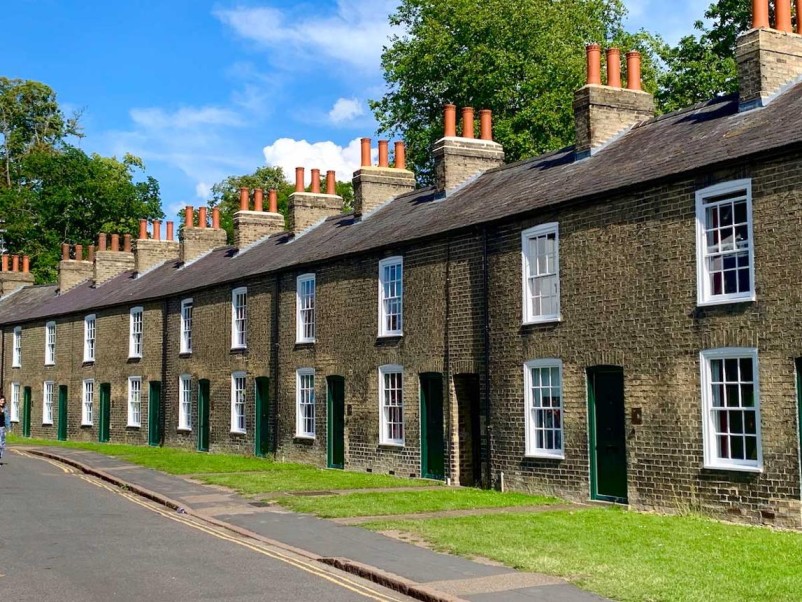
Here is a simple starting list. Bourton-on-the-Water is good for the river and the classic look. Bibury Cotswolds is famous for its row of old cottages. Then add one quieter place, such as Chipping Campden or Burford, to balance the crowds.
A good rule of thumb is one big-name village, one small one and one long lunch. You will remember the lunch more than the sixth village anyway. If you have only one day, pick two places and do them properly. Villages that look small on the map still take time, because you will keep stopping to take photos of walls, doors and, apparently, hedges.

2. Go early, or go midweek
Bourton-on-the-Water is a good example of why timing matters. It has a shallow river, low stone bridges and a pretty centre, and a lot of people know about it. It is sometimes called the “Venice of the Cotswolds”, although Venice has more gondolas and fewer ice-cream queues.
At busy times the main street can feel like a queue with scenery. The crowds in the Cotswolds are real, but they are also predictable. School holidays, bank holidays and sunny weekends are the worst. Weekday mornings are the best.
Try to arrive early in the morning or later in the afternoon. Early visitors get quiet streets and softer light for photos. Late risers get the coach tours, and nobody wins a photo with a coach tour in it.
Parking also fills up in popular spots, so arriving early helps twice. Check parking rules and charges before you go, and keep some coins or a payment app ready. A parking fine is not a nice souvenir.
3. Decide how you will get around
A car gives you the most freedom, because many villages are small and far apart. The lanes can be narrow, with stone walls on both sides and very little patience from oncoming vans. Drive slowly, use passing places on single-track lanes, and accept that you will reverse at least once. Everyone does.
Seeing the Cotswolds without a car is possible, but it takes more planning. Some towns have train stations, and Moreton-in-Marsh has a mainline service from London. Many villages, though, need a bus, a taxi or a tour to reach. Rural bus services can be limited, especially on Sundays and in the evening, so check timetables carefully before you rely on them.
Walking and cycling work well for short hops between nearby villages, as long as you don’t mind hills. If you are travelling without a car, choose one base and visit places around it, instead of moving to a new village every day. It saves time, and it saves your suitcase.
4. Pack for the weather and the mud
English weather does not read the forecast. Bring layers and a waterproof jacket, even in summer. Village streets look lovely, but cobbles and wet grass can be slippery, and footpaths across fields can turn muddy fast.
Wear proper shoes. White trainers are a brave choice, and they rarely survive. If you plan to walk, comfortable boots or sturdy shoes will make the day much better.
Download an offline map before you set off, because mobile signal can be patchy in rural spots. Carry water and a snack too. Some small villages have only one shop or café, and it may close earlier than you expect.
A few other things are worth bringing: a small bag for rubbish, sun cream for clear days and a phone charger. Walking is one of the best ways to enjoy the hills, so a good pair of shoes is the most useful thing you can pack. Your feet will send you a thank-you note.
5. Book food and beds early
Popular pubs and tearooms fill up at weekends, especially in summer, so book a table if you can. Afternoon tea is a favourite, and hoping for a walk-in table on a sunny Saturday is a bit like hoping to win the lottery.
Accommodation in the Cotswolds is popular too, so book early for weekends, holidays and local events. Prices can rise in busy periods, so compare a few options before you commit.
Staying in a larger nearby town, instead of the most famous village, can be cheaper and less crowded. You can still drive or take a bus into the postcard places for the day, then go back somewhere with more choice for dinner.
If you have dietary needs, check menus in advance, because small village kitchens can be limited. And if a pub is full, don’t despair. There is usually another one in the next village, and it is often just as good.
6. Be kind to the people who live there
Bibury Cotswolds is the perfect example. Arlington Row is one of the most photographed groups of cottages in the country, but these are real homes. Stay on public paths, keep off private land, and do not peer through windows, however good the light is.
The village is small, so parking and space can be tight. Read local signs, allow extra time and don’t block driveways. Nobody wants to explain to a resident why your rental car is in their garden.
The same rules apply across the area. Close gates behind you, keep dogs on a lead near sheep, take your rubbish home and keep your voice down in quiet lanes. The sheep do not care about your photo, and they were there first.
The residents of the Cotswolds deal with a lot of visitors, and a little politeness goes a long way. Be careful with drones and tripods too, since they can annoy people, and some places have rules about them. Check before you fly or set up.
7. Look beyond the famous names
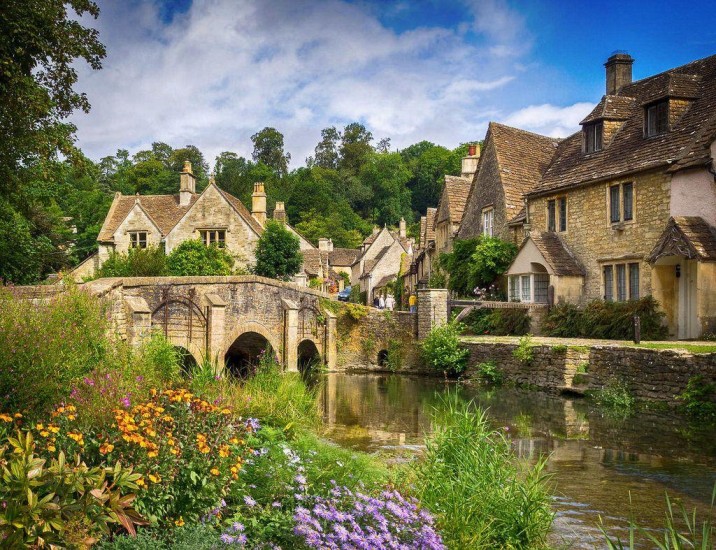
Because the best villages in the Cotswolds are so well known, the quieter places are easy to overlook. Chipping Campden, Stow-on-the-Wold, Burford and Castle Combe all have their own character. The market towns have shops, cafés and old streets that are worth wandering through.
Some of the nicest moments happen away from the big photo spots. A footpath between two villages, a churchyard with nobody in it, or a pub with a fire and a sleepy dog can beat a busy viewpoint. Ask at a visitor centre, a shop or a pub for a short local walk, because people who live there usually know the best ones.
A slower trip is a better trip. Leave a gap in your day for a wrong turn, because in the Cotswolds a wrong turn often ends at a pub. That is not a bad outcome. It is, honestly, a top-tier outcome.
FAQs
1. Are the Cotswolds worth visiting?
Yes, if you like villages, walking and slow days out. The scenery is gentle rather than dramatic, so it suits relaxed trips. Plan ahead, because the popular spots get busy in summer and at weekends.
2. How many days do you need in the Cotswolds?
Two days is enough for a few villages, a walk and a couple of long lunches. Three or four days lets you slow down and add market towns or a longer hike without rushing.
3. What are the best villages in the Cotswolds to visit?
Bourton-on-the-Water, Bibury, Castle Combe, Chipping Campden and Burford are popular picks. Choose two or three, and include one quieter place to avoid the biggest crowds.
4. Is Bourton-on-the-Water worth visiting?
Yes, for the river, the stone bridges and the classic village look. It gets very busy, so go early or midweek, and check parking before you arrive.
5. Is Bibury worth a stop?
For most visitors, yes, but it is small. Allow around an hour, keep to public paths and remember that Arlington Row is made up of homes, so give residents their privacy.
6. Can you visit the Cotswolds without a car?
Yes, but it needs planning. Some towns have train stations, while many villages depend on buses, taxis or tours. Check timetables carefully, especially for Sundays and evenings.
7. When is the best time to visit the Cotswolds?
Spring and early autumn are popular for comfortable weather and fewer people than midsummer. Summer is busier, and winter is quiet but has shorter days. Weekdays are calmer than weekends all year.
8. Can you do the Cotswolds as a day trip from London?
Yes, by car or by train to a station such as Moreton-in-Marsh, but a day is short. Choose one or two villages instead of trying to see everything, and check travel times first.
9. Is a trip to the Cotswolds expensive?
It can be, especially for weekend stays in summer. Book early, compare different towns and consider staying outside the most famous villages. Free walks and village strolls help keep the budget down.
10. Is it easy to find walks and dog-friendly places?
Yes, there are lots of footpaths, and many pubs welcome dogs, but rules vary. Keep dogs on a lead near sheep and livestock, and check each place before you turn up with a muddy friend.
Conclusion
The Cotswolds rewards visitors who plan a little and rush a lot less. Pick two or three villages, go early or midweek, sort out your transport, pack for mud and book your table before you arrive. Be kind to the people who live in these places, and leave time to wander away from the famous spots.
Do that, and you will get the honey-coloured stone, the quiet lanes and the long pub lunch without the stress. And if you get lost, that is not a mistake. That is just a longer lunch.