
Table of Contents
Introduction
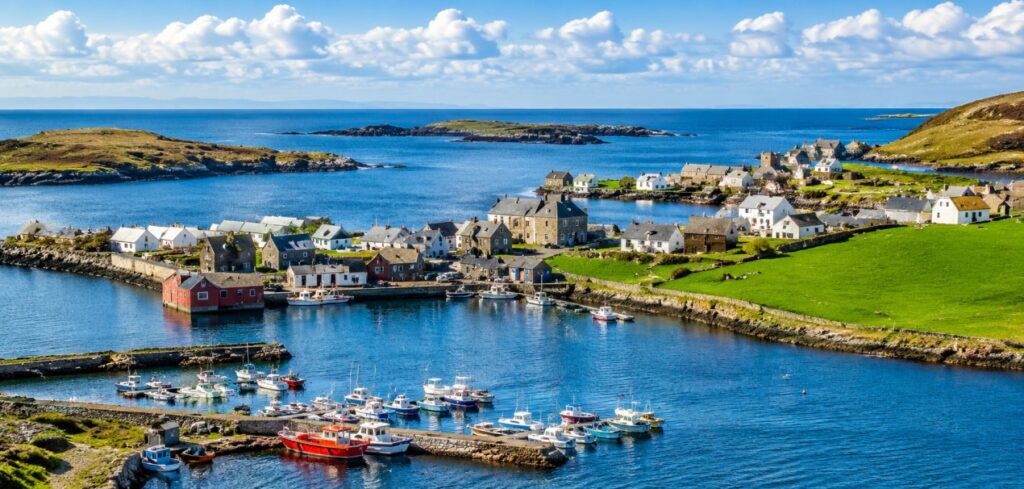
The Shetland Islands are one of the most fascinating destinations in the United Kingdom. Located far north of mainland Scotland, this remote archipelago offers dramatic coastlines, rich wildlife, ancient history, and a unique island culture that feels different from anywhere else in Britain.
This Shetland Island Travel Guide: Top Places to Visit will help you discover the best experiences across these beautiful islands. Whether you enjoy hiking, wildlife watching, photography, history, or simply exploring peaceful landscapes, Shetland has something special to offer.
Many travelers visit Scotland’s famous Highlands and islands but often overlook Shetland. That is exactly why it remains one of the country’s hidden treasures. Visitors can enjoy stunning sea cliffs, Viking heritage, charming fishing villages, and incredible opportunities to see puffins, seals, and even orcas in their natural environment.
The islands consist of more than 100 islands, although only a small number are inhabited. Each island has its own character, traditions, and natural beauty. From ancient archaeological sites to breathtaking coastal walks, Shetland offers unforgettable adventures for travelers seeking authentic experiences.
In this guide, you’ll learn about the top places to visit in Shetland Islands, the best activities, local food, transportation options, accommodation choices, and practical travel tips. By the end, you’ll understand why many visitors consider Shetland one of Scotland’s most rewarding destinations.
Overview of the Destination
The Shetland Islands sit between Scotland, Norway, and the Faroe Islands in the North Atlantic Ocean. Because of this location, Shetland has developed a culture influenced by both Scottish and Scandinavian traditions.
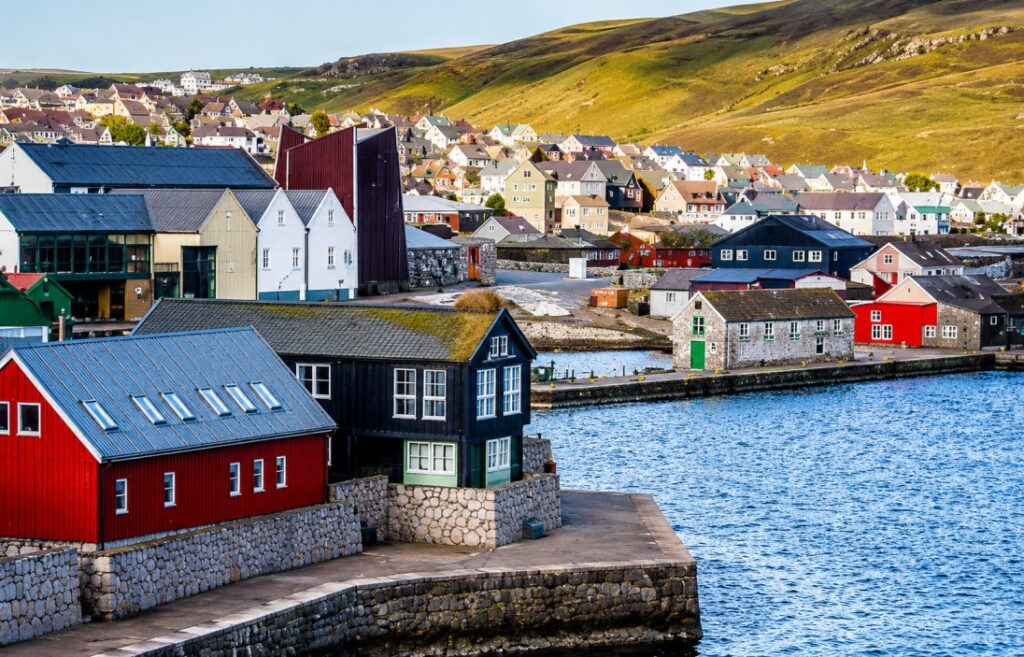
The largest town and main gateway to the islands is Lerwick. Although relatively small, Lerwick offers shops, restaurants, museums, and accommodation options that make it an excellent base for exploring the region.
Nature is one of Shetland’s biggest attractions. Visitors can expect rugged cliffs, rolling hills, pristine beaches, and spectacular coastal scenery. The islands are also famous for birdwatching. During summer, thousands of seabirds gather along the cliffs, creating one of Europe’s most impressive wildlife spectacles.
One of the most appealing aspects of Shetland is its peaceful atmosphere. Unlike many popular tourist destinations, the islands rarely feel crowded. Travelers can explore scenic landscapes, walk along remote beaches, and enjoy uninterrupted views without large crowds.
The climate is cooler than much of the UK, but the weather changes quickly and creates dramatic skies that photographers love. During summer, long daylight hours allow visitors to enjoy outdoor activities well into the evening.
For travelers seeking authentic experiences, rich heritage, and extraordinary natural beauty, Shetland offers an unforgettable escape.
| Question | Answer |
|---|---|
| Why are the Shetland Islands famous? | They are famous for dramatic coastal scenery, Viking heritage, wildlife, and cultural events like the Up Helly Aa festival. |
| What are the top places to visit in the Shetland Islands? | Top places include Lerwick, Jarlshof, Sumburgh Head, St Ninian’s Isle, Eshaness Cliffs, and Unst Island. |
| When is the best time to visit the Shetland Islands? | The best time is from May to September when the weather is milder and wildlife activity is at its peak. |
| How many days do you need in the Shetland Islands? | A 4–7 day trip is ideal to explore main attractions and enjoy nature and culture. |
| Can you see puffins in the Shetland Islands? | Yes, puffins are commonly seen during late spring and early summer on coastal cliffs. |
| Is Lerwick worth visiting? | Yes, Lerwick is the capital with museums, shops, harbor views, and local dining experiences. |
| What activities can you do in the Shetland Islands? | You can enjoy hiking, birdwatching, wildlife photography, kayaking, fishing, and scenic drives. |
| How do you travel to the Shetland Islands? | You can reach them by ferry from Aberdeen or by flights from major Scottish cities. |
| Are the Shetland Islands good for family holidays? | Yes, they offer safe outdoor activities, beaches, museums, and wildlife experiences for families. |
| What makes the Shetland Islands unique? | Their mix of Norse history, remote island landscapes, and rich wildlife makes them very unique in Scotland. |
Why Shetland Is Different From Other Scottish Destinations
Many visitors compare Shetland with the Scottish Highlands or the Isle of Skye, but the islands have their own unique identity.
One major difference is the strong Viking influence. For centuries, Shetland was part of Norway before becoming part of Scotland. This heritage remains visible in local traditions, place names, and annual celebrations.
The landscape is also distinctive. Instead of towering mountains, visitors find open moorlands, dramatic cliffs, and expansive coastal views. The scenery feels wild, remote, and untouched.
Wildlife is another highlight. Shetland is one of the best locations in Europe for observing seabirds, seals, otters, and marine life. Birdwatchers from around the world travel here specifically to see rare species.
The slower pace of life adds to the islands’ appeal. Visitors often leave feeling refreshed after spending time surrounded by nature and friendly local communities.
History and Culture
Shetland’s history stretches back thousands of years. Archaeological evidence shows that people lived on these islands long before the Vikings arrived.
Throughout the centuries, various groups settled in Shetland, including Picts, Norse settlers, and Scottish communities. These influences combined to create a unique cultural identity that remains strong today.
The Viking era had a particularly significant impact. Norse settlers arrived during the ninth century and shaped the islands’ language, traditions, and society. Many local place names still have Scandinavian origins.
Fishing has historically been one of Shetland’s most important industries. The sea provided food, employment, and connections to other countries. Today, fishing continues to play a major role in the local economy.
Cultural traditions remain vibrant across the islands. Music, storytelling, crafts, and festivals are important parts of community life. Visitors often discover that local residents are proud to share their heritage and traditions.
Museums and heritage sites throughout Shetland provide fascinating insights into the islands’ past, making them excellent places to learn more about local history.
The Famous Viking Heritage of Shetland
One of the most fascinating aspects of Shetland’s culture is its Viking heritage.
The most famous celebration is the annual fire festival known as Up Helly Aa. This spectacular event takes place in Lerwick and attracts visitors from around the world. Participants dress as Vikings, carry flaming torches, and celebrate Shetland’s Norse history.
The festival highlights the strong connection between modern Shetland and its Scandinavian roots. Traditional music, costumes, and ceremonies help preserve this important cultural heritage.
Visitors interested in Viking history can explore archaeological sites, museums, and historical exhibits across the islands. These attractions provide valuable insight into how Norse settlers lived and influenced the region.
Even today, Scandinavian influences can be seen in local traditions, architecture, and family names. This unique cultural blend makes Shetland different from many other destinations in Scotland.
Top Attractions
When planning a trip, visitors often search for the best attractions in Shetland Islands. Fortunately, the islands offer a wide variety of remarkable places to explore.
From dramatic coastal scenery to ancient archaeological sites, Shetland combines natural beauty with fascinating history.
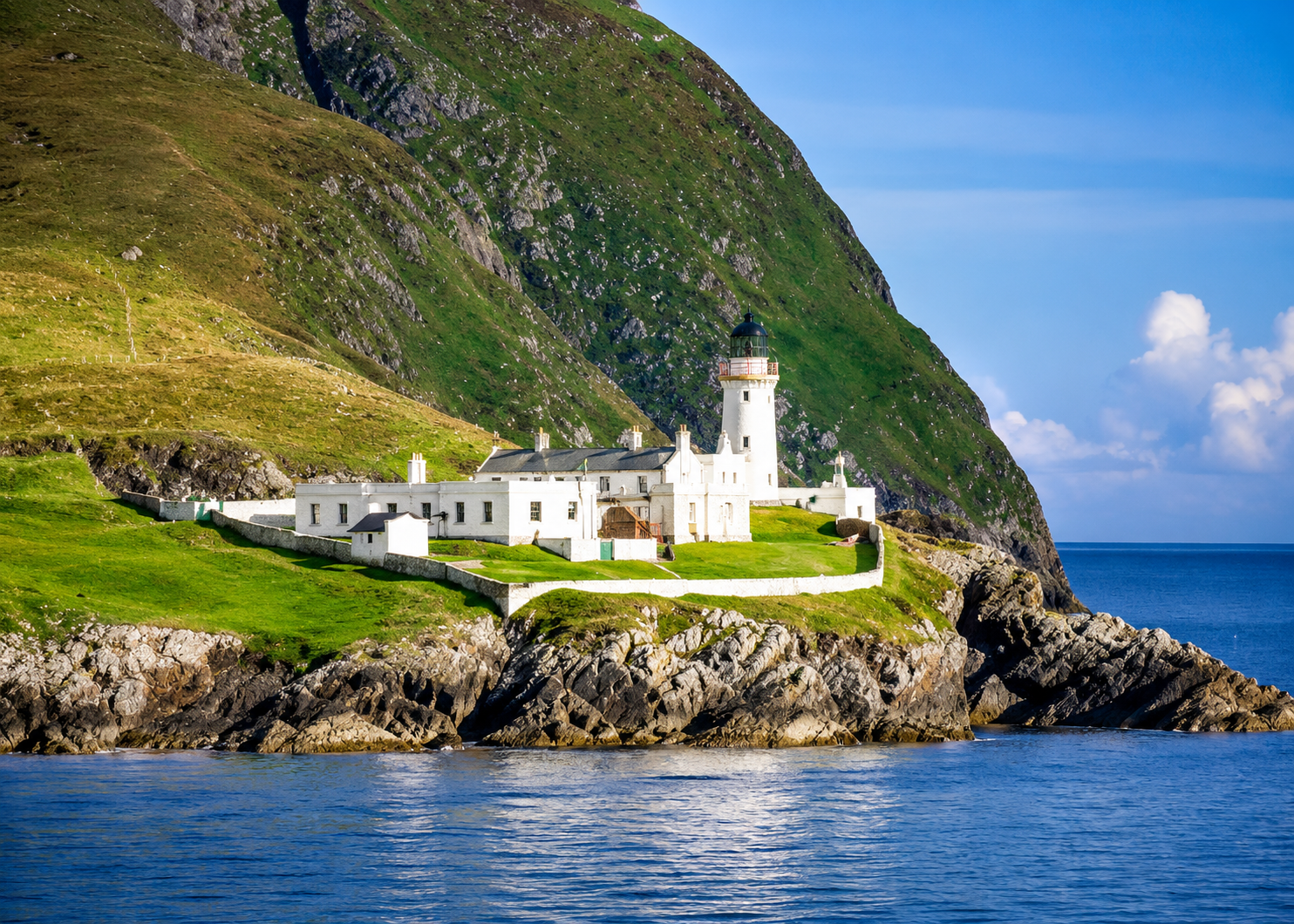
One of the most popular destinations is Sumburgh Head, located at the southern tip of Mainland Shetland. This area is famous for its lighthouse, stunning cliffs, and large puffin colonies.
Another must-see attraction is Jarlshof, one of Scotland’s most important archaeological sites. Visitors can explore remains from multiple historical periods, including prehistoric settlements and Viking houses.
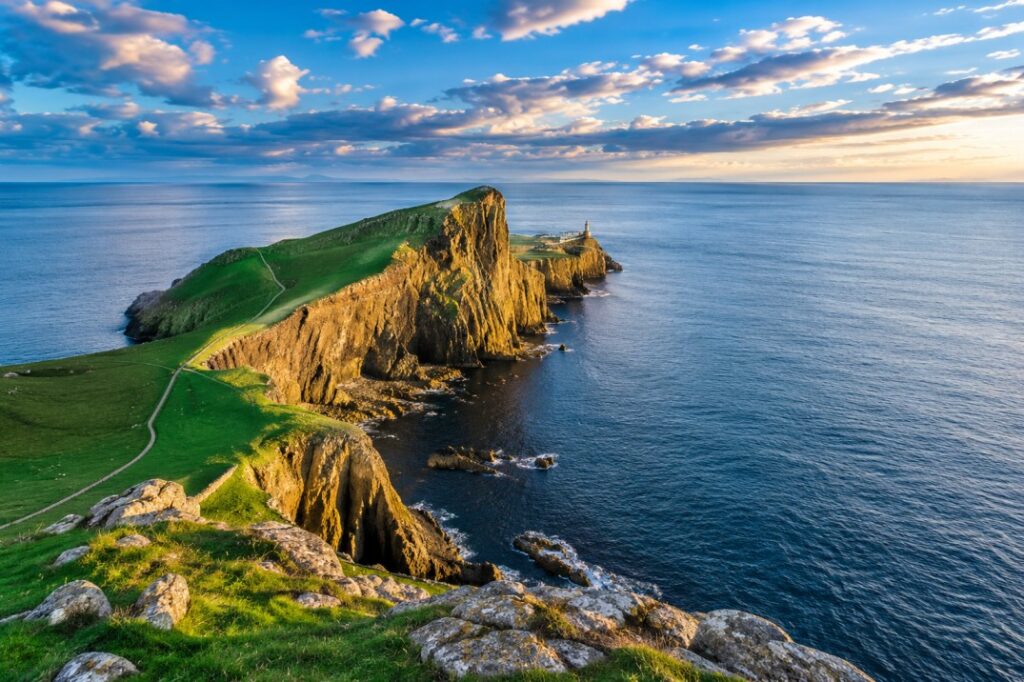
Nature lovers should also visit Eshaness. Known for its dramatic cliffs and powerful Atlantic waves, it offers some of the most spectacular coastal scenery in the British Isles.
Lerwick itself deserves exploration. The town’s waterfront, museums, historic buildings, and local shops provide plenty of opportunities to experience island life.
These attractions represent only a small part of what Shetland has to offer, but they provide an excellent introduction to the islands.
Sumburgh Head and Jarlshof
Sumburgh Head is often considered one of the top places to visit in Shetland Islands.
The area is renowned for its incredible birdlife. During summer, visitors can observe puffins, guillemots, razorbills, and numerous other seabirds nesting along the cliffs. Photography opportunities are exceptional.
The lighthouse adds historical interest and offers panoramic views across the surrounding coastline. On clear days, visitors can enjoy breathtaking ocean vistas.
Nearby, Jarlshof provides a remarkable journey through history. This archaeological site contains evidence of human settlement spanning more than 4,000 years.
Visitors can walk among ancient dwellings, Bronze Age remains, Iron Age structures, Viking longhouses, and medieval buildings. Few sites in Europe offer such a comprehensive view of human history in one location.
Together, Sumburgh Head and Jarlshof create one of the most rewarding day trips in Shetland, combining natural beauty, wildlife, and historical discovery.
Best Things to Do
The Shetland Islands offer countless activities for visitors of all interests.
Walking is among the most popular experiences. The famous Shetland Island travel guide would not be complete without mentioning the region’s spectacular coastal routes and countryside paths.
Many visitors spend their days exploring beaches, observing wildlife, photographing landscapes, and visiting historical sites. The islands’ peaceful atmosphere encourages slow travel and deeper exploration.
Boat tours provide opportunities to see marine wildlife, including seals, dolphins, and occasionally whales. These excursions also allow visitors to experience Shetland’s dramatic coastline from the water.
Birdwatching attracts enthusiasts from across Europe. Shetland’s location makes it an important destination for both resident and migratory bird species.
For travelers seeking adventure, kayaking, cycling, and fishing opportunities are available throughout the islands.
Exploring Shetland Walking Trails
One of the highlights of any visit is experiencing the famous Shetland Island walking trails.
The islands feature numerous routes suitable for different fitness levels. Coastal paths often provide spectacular views of cliffs, beaches, and wildlife habitats.
Popular walking areas include Eshaness, Hermaness National Nature Reserve, Noss, and Sumburgh Head. Each location offers unique scenery and opportunities to connect with nature.
Walking in Shetland allows visitors to discover hidden beaches, ancient ruins, and remote viewpoints that are inaccessible by car. Many trails pass through landscapes that feel untouched by modern development.
Because weather conditions can change rapidly, walkers should bring waterproof clothing, sturdy footwear, and plenty of layers. Preparation helps ensure a safe and enjoyable experience.
For many travelers, exploring these scenic trails becomes the most memorable part of their Shetland adventure.
Exploring the Shetland Islands: A Complete Travel Experience
The Shetland Islands offer a travel experience that feels completely different from mainland Scotland. Located in the far north of the United Kingdom, this remote archipelago combines dramatic coastal scenery, Viking heritage, peaceful villages, and some of the richest wildlife habitats in Europe. For travelers looking for untouched nature and authentic island culture, Shetland is an unforgettable destination.
Unlike busy tourist spots, life in Shetland moves at a slower pace. The landscapes are wide, open, and often dramatic, with rugged cliffs dropping into the Atlantic Ocean, green rolling hills, and quiet sandy beaches that feel almost untouched. Every island has its own character, making a journey through Shetland feel like exploring several different worlds in one trip.
Lerwick: The Heart of the Shetland Islands
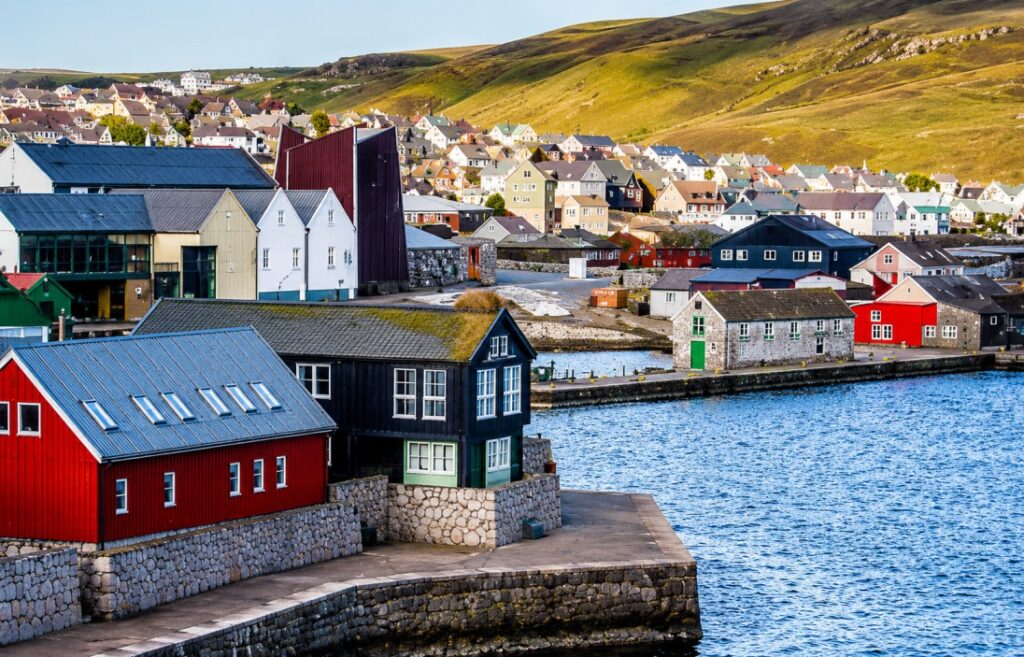
Lerwick is the capital and main hub of the Shetland Islands. It is often the first stop for visitors arriving by ferry or plane. Despite being a small town, Lerwick has a strong identity shaped by its maritime history and Viking past.
The town is built around a natural harbor, and its waterfront is lined with stone buildings that reflect centuries of fishing and trade. One of the best areas to explore is the historic Bod of Gremista, a restored 18th-century house that gives insight into traditional Shetland life.
Another highlight is the Shetland Museum and Archives, where visitors can learn about the islands’ geology, history, and cultural heritage. Exhibits include Viking artifacts, fishing equipment, and displays about traditional knitwear, which is famous worldwide.
Lerwick also offers cozy cafés, seafood restaurants, and small shops selling local crafts. The atmosphere is relaxed, making it a great place to start your journey.
Sumburgh Head: A Paradise for Wildlife Lovers
At the southern tip of the mainland lies Sumburgh Head, one of the most spectacular wildlife locations in the Shetland Islands. This dramatic cliff area is home to large colonies of seabirds, including puffins, guillemots, and kittiwakes.
The lighthouse at Sumburgh Head is one of the oldest in Scotland and has been transformed into a visitor center. From here, you can enjoy breathtaking views of the North Atlantic Ocean while spotting whales, dolphins, and seals in the waters below.
During the breeding season, the cliffs become alive with bird activity. Puffins are especially popular among visitors, and they can often be seen nesting in burrows along the grassy slopes.
Jarlshof: A Journey Through 4,000 Years of History
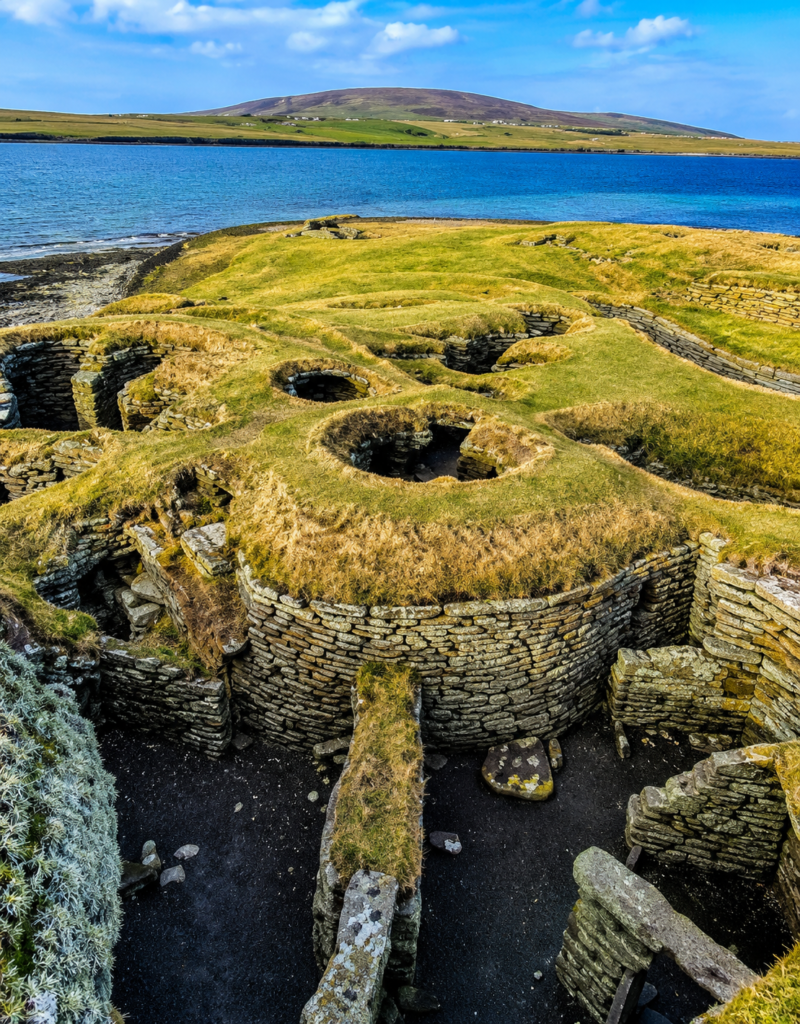
One of the most important archaeological sites in Scotland, Jarlshof offers a rare glimpse into thousands of years of human settlement. Located near Sumburgh, this site contains remains from the Neolithic, Bronze Age, Iron Age, Viking, and medieval periods.
Walking through Jarlshof feels like traveling back in time. You can see ancient houses, Viking longhouses, and medieval farm buildings all in one place. The layered history makes it one of the most fascinating attractions in the Shetland Islands.
For history lovers, Jarlshof is a must-visit destination because it shows how different civilizations lived in this remote environment over thousands of years.
St Ninian’s Isle: One of Scotland’s Most Beautiful Beaches
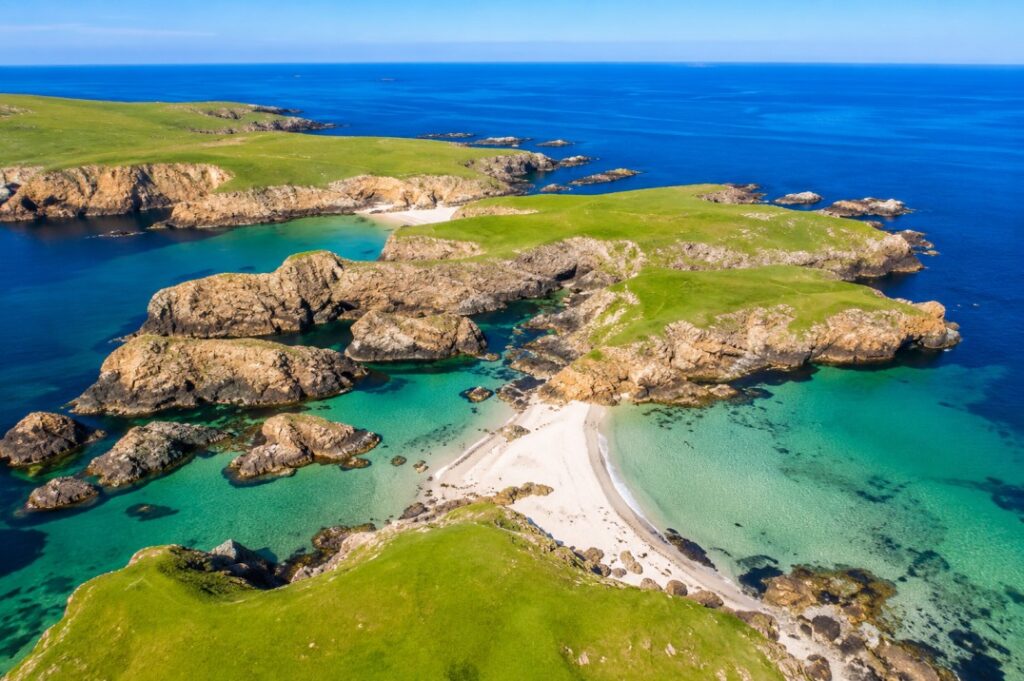
St Ninian’s Isle is famous for its stunning natural beauty and unique tombolo—a sandy strip that connects the island to mainland Shetland. On both sides of the tombolo, you will find crystal-clear blue waters and soft golden sand.
This location is one of the best examples of a “hidden paradise” in Scotland. It is perfect for walking, photography, and quiet relaxation. The beach is especially beautiful during sunny weather, when the water reflects different shades of blue and green.
St Ninian’s Isle is also famous for the discovery of the St Ninian’s Isle Treasure, a collection of silver artifacts from the Viking era. This adds a layer of historical importance to its natural beauty.
Eshaness Cliffs: Dramatic Coastal Views
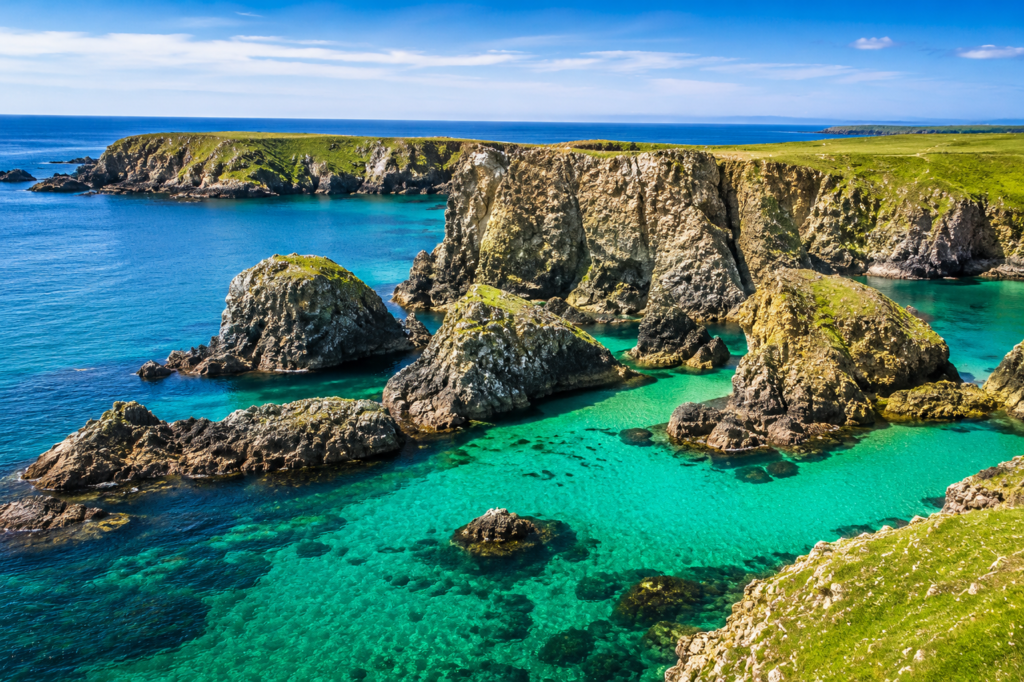
On the northwest coast of the mainland lies Eshaness, an area known for its powerful waves, volcanic rock formations, and dramatic cliffs. This is one of the most visually impressive landscapes in the Shetland Islands.
The walking trails around Eshaness take visitors along rugged coastal paths where the Atlantic Ocean crashes against ancient lava cliffs. The scenery is constantly changing with the weather, making every visit unique.
Photographers especially love this area because of its raw natural beauty. On stormy days, the waves create spectacular scenes that highlight the wild nature of the Shetland coast.
Unst: The Northernmost Inhabited Island in the UK
Unst is one of the most fascinating islands in Shetland. It is the northernmost inhabited island in the United Kingdom and offers a peaceful, remote atmosphere.
Unst is known for its Viking heritage, traditional crofting culture, and beautiful landscapes. One of the most famous attractions here is the Harold’s Wick Nature Reserve, where visitors can see seabirds nesting on cliffs.
Another highlight is the Muness Castle, the northernmost castle in Britain. Although partly ruined, it provides an interesting insight into the island’s defensive history.
Unst is also a great place for walking and exploring quiet beaches that are rarely crowded.
Wildlife in the Shetland Islands
One of the biggest attractions of the Shetland Islands is its rich wildlife. The islands are home to an incredible variety of animals, both on land and in the sea.
Birds
Shetland is a paradise for birdwatchers. Puffins, gannets, fulmars, arctic terns, and great skuas are commonly seen during the breeding season. The cliffs and coastal areas provide perfect nesting conditions.
Marine Life
The surrounding waters are rich in marine life. Visitors often see seals resting on rocks, and dolphins or whales swimming offshore. Orcas are occasionally spotted, making wildlife tours especially exciting.
Land Animals
On land, you can find Shetland ponies, known for their small size and strong build. These ponies are native to the islands and are an iconic symbol of Shetland.
Local Culture and Traditions
Shetland has a unique cultural identity influenced by both Scottish and Norse heritage. This is visible in local music, language, festivals, and crafts.
One of the most famous cultural events is Up Helly Aa, a fire festival held in Lerwick during winter. It celebrates Viking history with torch-lit processions and the burning of a Viking longship.
Traditional Shetland music is also very popular, featuring fiddles and folk tunes that reflect the islands’ Nordic connections.
Shetland knitwear is another important cultural product. The famous Fair Isle patterns are recognized worldwide for their intricate designs and quality craftsmanship.
Food and Dining in Shetland
Food in the Shetland Islands is heavily influenced by the sea. Fresh seafood is a major part of the local diet, including haddock, salmon, mussels, and crab.
Visitors should also try traditional dishes made from local lamb and beef, which are known for their high quality due to the natural grazing conditions.
Many restaurants in Lerwick and other towns focus on locally sourced ingredients, offering a true taste of the islands.
Final Thoughts
The Shetland Islands are not just a travel destination—they are an experience of nature, history, and culture combined. From dramatic cliffs and wildlife encounters to Viking heritage and peaceful villages, every part of the islands offers something special.
Whether you are a nature lover, history enthusiast, photographer, or someone looking for a quiet escape, the Shetland Islands provide a journey that feels both remote and unforgettable.
Exploring the Shetland Islands: A Complete Travel Experience
The Shetland Islands offer a travel experience that feels completely different from mainland Scotland. Located in the far north of the United Kingdom, this remote archipelago combines dramatic coastal scenery, Viking heritage, peaceful villages, and some of the richest wildlife habitats in Europe. For travelers looking for untouched nature and authentic island culture, Shetland is an unforgettable destination.
Unlike busy tourist spots, life in Shetland moves at a slower pace. The landscapes are wide, open, and often dramatic, with rugged cliffs dropping into the Atlantic Ocean, green rolling hills, and quiet sandy beaches that feel almost untouched. Every island has its own character, making a journey through Shetland feel like exploring several different worlds in one trip.
Lerwick: The Heart of the Shetland Islands
Lerwick is the capital and main hub of the Shetland Islands. It is often the first stop for visitors arriving by ferry or plane. Despite being a small town, Lerwick has a strong identity shaped by its maritime history and Viking past.
The town is built around a natural harbor, and its waterfront is lined with stone buildings that reflect centuries of fishing and trade. One of the best areas to explore is the historic Bod of Gremista, a restored 18th-century house that gives insight into traditional Shetland life.
Another highlight is the Shetland Museum and Archives, where visitors can learn about the islands’ geology, history, and cultural heritage. Exhibits include Viking artifacts, fishing equipment, and displays about traditional knitwear, which is famous worldwide.
Lerwick also offers cozy cafés, seafood restaurants, and small shops selling local crafts. The atmosphere is relaxed, making it a great place to start your journey.
Sumburgh Head: A Paradise for Wildlife Lovers
At the southern tip of the mainland lies Sumburgh Head, one of the most spectacular wildlife locations in the Shetland Islands. This dramatic cliff area is home to large colonies of seabirds, including puffins, guillemots, and kittiwakes.
The lighthouse at Sumburgh Head is one of the oldest in Scotland and has been transformed into a visitor center. From here, you can enjoy breathtaking views of the North Atlantic Ocean while spotting whales, dolphins, and seals in the waters below.
During the breeding season, the cliffs become alive with bird activity. Puffins are especially popular among visitors, and they can often be seen nesting in burrows along the grassy slopes.
Jarlshof: A Journey Through 4,000 Years of History
One of the most important archaeological sites in Scotland, Jarlshof offers a rare glimpse into thousands of years of human settlement. Located near Sumburgh, this site contains remains from the Neolithic, Bronze Age, Iron Age, Viking, and medieval periods.
Walking through Jarlshof feels like traveling back in time. You can see ancient houses, Viking longhouses, and medieval farm buildings all in one place. The layered history makes it one of the most fascinating attractions in the Shetland Islands.
For history lovers, Jarlshof is a must-visit destination because it shows how different civilizations lived in this remote environment over thousands of years.
St Ninian’s Isle: One of Scotland’s Most Beautiful Beaches
St Ninian’s Isle is famous for its stunning natural beauty and unique tombolo—a sandy strip that connects the island to mainland Shetland. On both sides of the tombolo, you will find crystal-clear blue waters and soft golden sand.
This location is one of the best examples of a “hidden paradise” in Scotland. It is perfect for walking, photography, and quiet relaxation. The beach is especially beautiful during sunny weather, when the water reflects different shades of blue and green.
St Ninian’s Isle is also famous for the discovery of the St Ninian’s Isle Treasure, a collection of silver artifacts from the Viking era. This adds a layer of historical importance to its natural beauty.
Eshaness Cliffs: Dramatic Coastal Views
On the northwest coast of the mainland lies Eshaness, an area known for its powerful waves, volcanic rock formations, and dramatic cliffs. This is one of the most visually impressive landscapes in the Shetland Islands.
The walking trails around Eshaness take visitors along rugged coastal paths where the Atlantic Ocean crashes against ancient lava cliffs. The scenery is constantly changing with the weather, making every visit unique.
Photographers especially love this area because of its raw natural beauty. On stormy days, the waves create spectacular scenes that highlight the wild nature of the Shetland coast.
Unst: The Northernmost Inhabited Island in the UK
Unst is one of the most fascinating islands in Shetland. It is the northernmost inhabited island in the United Kingdom and offers a peaceful, remote atmosphere.
Unst is known for its Viking heritage, traditional crofting culture, and beautiful landscapes. One of the most famous attractions here is the Harold’s Wick Nature Reserve, where visitors can see seabirds nesting on cliffs.
Another highlight is the Muness Castle, the northernmost castle in Britain. Although partly ruined, it provides an interesting insight into the island’s defensive history.
Unst is also a great place for walking and exploring quiet beaches that are rarely crowded.
Wildlife in the Shetland Islands
One of the biggest attractions of the Shetland Islands is its rich wildlife. The islands are home to an incredible variety of animals, both on land and in the sea.
Birds
Shetland is a paradise for birdwatchers. Puffins, gannets, fulmars, arctic terns, and great skuas are commonly seen during the breeding season. The cliffs and coastal areas provide perfect nesting conditions.
Marine Life
The surrounding waters are rich in marine life. Visitors often see seals resting on rocks, and dolphins or whales swimming offshore. Orcas are occasionally spotted, making wildlife tours especially exciting.
Land Animals
On land, you can find Shetland ponies, known for their small size and strong build. These ponies are native to the islands and are an iconic symbol of Shetland.
Local Culture and Traditions
Shetland has a unique cultural identity influenced by both Scottish and Norse heritage. This is visible in local music, language, festivals, and crafts.
One of the most famous cultural events is Up Helly Aa, a fire festival held in Lerwick during winter. It celebrates Viking history with torch-lit processions and the burning of a Viking longship.
Traditional Shetland music is also very popular, featuring fiddles and folk tunes that reflect the islands’ Nordic connections.
Shetland knitwear is another important cultural product. The famous Fair Isle patterns are recognized worldwide for their intricate designs and quality craftsmanship.
Food and Dining in Shetland
Food in the Shetland Islands is heavily influenced by the sea. Fresh seafood is a major part of the local diet, including haddock, salmon, mussels, and crab.
Visitors should also try traditional dishes made from local lamb and beef, which are known for their high quality due to the natural grazing conditions.
Many restaurants in Lerwick and other towns focus on locally sourced ingredients, offering a true taste of the islands.
Final Thoughts
The Shetland Islands are not just a travel destination—they are an experience of nature, history, and culture combined. From dramatic cliffs and wildlife encounters to Viking heritage and peaceful villages, every part of the islands offers something special.
Whether you are a nature lover, history enthusiast, photographer, or someone looking for a quiet escape, the Shetland Islands provide a journey that feels both remote and unforgettable.
If you want, I can next:
✔ Add SEO meta title + description
✔ Add internal linking structure
✔ Or optimize it for RankMath / Yoast score 100% ready 🚀
write 1200 words more
Here is an additional ~1200-word continuation you can directly add to your Shetland Islands article:
Hidden Gems of the Shetland Islands
Beyond the well-known attractions, the Shetland Islands are full of hidden gems that many travelers miss. These lesser-visited spots offer peace, untouched landscapes, and a deeper connection with island life.
One of these hidden gems is Mousa Broch, one of the best-preserved Iron Age towers in the world. Located on the small island of Mousa, this ancient stone structure stands without mortar and has survived for over 2,000 years. What makes it even more fascinating is that it is still used by storm petrels, small seabirds that nest inside the broch walls. Visiting Mousa gives you a rare combination of archaeology and wildlife in one experience.
Another quiet but beautiful location is Banna Minn Beach on the west coast of the mainland. This sandy beach is surrounded by dramatic cliffs and rolling hills, offering a peaceful atmosphere far away from busy tourist spots. It is an ideal place for photography, walking, or simply enjoying the sound of the waves.
The village of Scalloway is another underrated destination. Once the ancient capital of Shetland, it is home to Scalloway Castle and a small harbor that reflects traditional island life. The village also has strong historical importance from World War II, especially the “Shetland Bus” operation that connected Shetland with Norway during wartime.
Scenic Drives and Road Trips in Shetland
One of the best ways to explore the Shetland Islands is by car. The islands have well-maintained roads that connect most major attractions, making road trips both easy and rewarding.
The drive from Lerwick to the northern island of Unst is one of the most scenic routes. Along the way, you pass green hills, coastal cliffs, small villages, and ferry crossings that make the journey part of the adventure. Every turn reveals a new landscape, from rocky coastlines to quiet farmland.
Another beautiful route is the coastal drive around the west mainland, passing through Eshaness, Tangwick, and Hillswick. This area is known for dramatic cliffs and ocean views. The road follows the coastline closely, allowing travelers to stop at viewpoints and enjoy breathtaking scenery.
Because traffic is minimal, driving in Shetland feels calm and relaxing. It is not unusual to drive for miles without seeing another vehicle, which adds to the sense of isolation and natural beauty.
Best Beaches in the Shetland Islands
Although Shetland is known for cliffs and rugged landscapes, it also has surprisingly beautiful beaches. These beaches are often quiet, clean, and surrounded by natural scenery.
St Ninian’s Isle Beach is the most famous, but there are many others worth exploring.
Meal Beach (Burra Island)
Meal Beach is often considered one of the most beautiful beaches in Shetland. It features white sand, turquoise water, and grassy dunes. On sunny days, it looks almost tropical despite its northern location.
Minn Beach (Stromness area)
Minn Beach is a long stretch of sand connected to several small islets. It is a great place for walking, birdwatching, and photography.
West Voe Beach (Sumburgh)
Located near Sumburgh Airport, this beach is easy to access and offers calm waters and scenic surroundings.
These beaches are perfect for travelers who enjoy peaceful coastal landscapes without crowds.
Shetland Weather and Travel Conditions
The weather in the Shetland Islands plays an important role in shaping the travel experience. The islands have a subpolar oceanic climate, meaning the weather is often cool, windy, and changeable.
Even in summer, temperatures usually range between 10°C and 16°C. Winters are mild compared to other northern regions, but they are often dark and stormy due to the high latitude.
One of the most unique features of Shetland is the long daylight hours in summer, where the sun barely sets, especially in June. This allows visitors to explore for extended hours.
Travelers should always be prepared for changing weather conditions. It is common to experience sunshine, rain, and wind all in one day. Layered clothing, waterproof jackets, and sturdy shoes are essential for exploring the islands comfortably.
Transportation and Getting Around
Getting around the Shetland Islands is relatively easy, but planning is important due to the remote nature of the region.
Car Rental
The most convenient way to explore Shetland is by renting a car. This allows visitors to reach remote beaches, cliffs, and villages that are not accessible by public transport.
Buses
Public buses operate between major towns and villages, including Lerwick, Scalloway, and Brae. However, services may be limited in rural areas.
Ferries
Ferries connect mainland Shetland with smaller islands such as Unst, Yell, and Fetlar. These ferry journeys are short but scenic, often offering views of seals and seabirds along the way.
Flights
Shetland Airport in Sumburgh connects the islands to mainland Scotland, with regular flights from Aberdeen, Edinburgh, and Glasgow.
Festivals and Events in Shetland
Shetland is home to several unique festivals that reflect its Viking and Scottish heritage.
Up Helly Aa Festival
The most famous event is Up Helly Aa, held in Lerwick every January. This fire festival celebrates Viking history with torchlight processions, traditional costumes, and the burning of a Viking longship. It is one of the most spectacular cultural events in Europe.
Shetland Folk Festival
Held annually, this festival brings musicians from around the world to perform traditional and modern folk music. It is a major highlight for music lovers.
Agricultural Shows
Local agricultural shows celebrate farming life, Shetland ponies, and traditional crafts. These events offer a closer look at rural island culture.
Photography in the Shetland Islands
The Shetland Islands are a dream destination for photographers. The combination of dramatic landscapes, wildlife, and ever-changing weather creates endless opportunities for stunning images.
Sunrise and sunset times vary dramatically depending on the season, offering golden light over cliffs, beaches, and villages. The long summer days are especially useful for landscape photography.
Wildlife photography is also extremely popular, especially puffins, seals, and seabirds along the cliffs of Sumburgh Head and Hermaness.
Even simple scenes like fishing boats in Lerwick harbor or misty hills in the early morning can create powerful images.
Why the Shetland Islands Should Be on Your Travel List
The Shetland Islands are not a typical holiday destination. They are remote, peaceful, and full of natural beauty. What makes them special is the combination of untouched landscapes, rich Viking history, and unique wildlife experiences.
Unlike crowded tourist destinations, Shetland offers space, silence, and authenticity. It is a place where travelers can disconnect from busy modern life and reconnect with nature.
Whether you are exploring ancient archaeological sites, walking along dramatic cliffs, watching puffins on rocky shores, or driving through empty scenic roads, Shetland leaves a lasting impression.
For those seeking adventure, culture, and natural beauty in one destination, the Shetland Islands are truly unforgettable.