
Table of Contents
Shropshire Hills, England
Introduction
The Shropshire Hills is one of England’s most beautiful countryside destinations, offering breathtaking landscapes, charming market towns, historic landmarks, and endless opportunities for outdoor adventures. Located in the county of Shropshire near the Welsh border, this protected National Landscape attracts visitors looking for a peaceful escape from busy city life.
If you are planning a trip to rural England, this Shropshire Hills, England: A Complete Travel Guide will help you discover everything you need to know before visiting. From scenic hiking routes and picturesque villages to local food experiences and hidden gems, the region offers something for every type of traveler.
The area is famous for its rolling hills, dramatic ridges, ancient castles, and some of the finest countryside views in the United Kingdom. Whether you enjoy hiking, photography, wildlife watching, history, or simply relaxing in nature, the Shropshire Hills provides an unforgettable experience.
Many travelers visit for the famous Shropshire Hills walking trails, including routes across the Long Mynd, Stiperstones, and Wenlock Edge. Others come to explore historic towns such as Ludlow and Church Stretton, which offer a perfect blend of culture, heritage, and local hospitality.
Throughout this guide, you’ll learn about the best attractions, activities, accommodation options, travel tips, seasonal advice, and the best places to visit in Shropshire Hills. Whether you’re visiting for a weekend break or a longer countryside holiday, this guide will help you make the most of your journey.
Overview of the Destination
The Shropshire Hills National Landscape covers a large area of southwest Shropshire and is recognized as one of England’s most important protected landscapes. Its diverse scenery includes rolling farmland, steep ridges, open moorland, wooded valleys, and picturesque villages.
Unlike some of England’s busier national parks, the Shropshire Hills remain relatively peaceful and uncrowded. This makes the region particularly appealing to travelers seeking tranquility and authentic countryside experiences.
The landscape has been shaped over hundreds of millions of years, creating unique geological formations that attract both scientists and outdoor enthusiasts. Visitors can explore dramatic ridges such as the Long Mynd and Stiperstones, where panoramic views stretch across England and Wales.
Wildlife thrives throughout the region. Birdwatchers may spot red kites, buzzards, and kestrels soaring above the hills, while nature lovers can enjoy colorful wildflowers during spring and summer.
The area also boasts a rich cultural heritage. Historic market towns, medieval churches, castles, and traditional stone cottages provide fascinating insights into England’s rural history. Local communities maintain strong traditions, making visitors feel welcome throughout the year.
One of the greatest strengths of the Shropshire Hills is its accessibility. Major towns such as Shrewsbury, Ludlow, and Church Stretton serve as convenient gateways to the countryside. Excellent walking paths, scenic driving routes, and cycling opportunities allow visitors to explore at their own pace.
Whether you’re looking for outdoor adventure, cultural exploration, or a peaceful retreat, the Shropshire Hills offers a unique and memorable destination that showcases some of England’s finest natural beauty.
Geography and Natural Beauty
The natural beauty of the Shropshire Hills is one of the main reasons travelers choose to visit this region. The landscape varies dramatically from one area to another, creating endless opportunities for exploration.
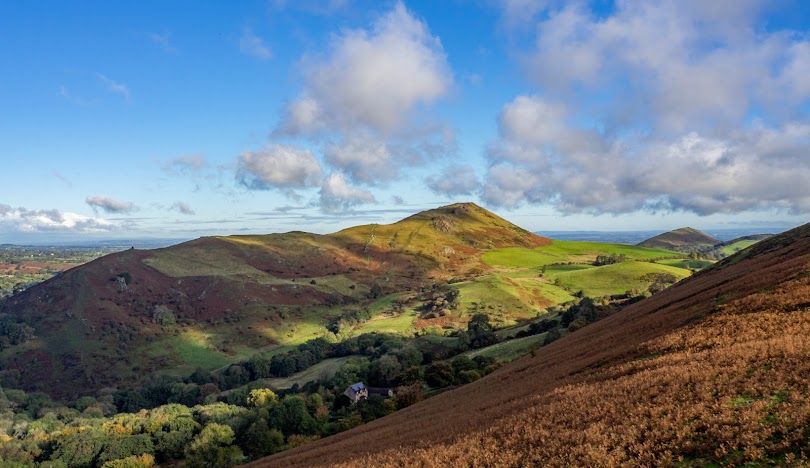
The Long Mynd is perhaps the most famous feature of the region. This vast plateau rises above Church Stretton and offers spectacular views across the surrounding countryside. Walking routes range from gentle strolls to challenging hikes, making it suitable for all fitness levels.
Another iconic landmark is the Stiperstones ridge. Known for its rugged rock formations and fascinating legends, this area attracts hikers, photographers, and wildlife enthusiasts throughout the year.
Wenlock Edge provides a different type of scenery. This limestone escarpment stretches for miles and inspired famous literary works. Its wooded slopes and panoramic viewpoints make it one of the most scenic locations in the county.
The region experiences changing colors throughout the seasons. Spring brings vibrant wildflowers, summer offers lush green landscapes, autumn creates golden forests, and winter sometimes covers the hills with frost or snow.
Numerous rivers, streams, and valleys add to the area’s charm. Carding Mill Valley, managed by the National Trust, is particularly popular for family walks and nature experiences.
These natural attractions help make the Shropshire Hills one of England’s most rewarding destinations for outdoor lovers.
Why Visit the Shropshire Hills?
There are many reasons why travelers continue to choose the Shropshire Hills for countryside holidays and weekend breaks.
First, the region offers some of the best walking opportunities in England. The extensive network of Shropshire Hills walking trails allows visitors to experience stunning scenery while enjoying fresh air and exercise.
Second, the area combines natural beauty with rich history. Ancient castles, historic churches, market towns, and archaeological sites provide endless opportunities for discovery.
Third, the region remains relatively undiscovered compared to destinations such as the Lake District or Cotswolds. Visitors can often enjoy peaceful landscapes without large crowds.
Food lovers will also appreciate the area’s strong culinary reputation. Local restaurants, traditional pubs, and farmers’ markets showcase high-quality regional produce.
The variety of Shropshire Hills accommodation options is another major advantage. Visitors can choose from luxury country hotels, charming bed and breakfasts, self-catering cottages, glamping sites, and family-friendly campsites.
Photography enthusiasts will find countless opportunities to capture dramatic landscapes, wildlife, and historic architecture. Every season brings new perspectives and colors.
Finally, the Shropshire Hills offers excellent value for money. Compared with some of England’s more famous tourist destinations, accommodation, dining, and activities are often more affordable while still providing an exceptional travel experience.
These qualities combine to make the Shropshire Hills one of England’s most rewarding countryside destinations for visitors of all ages.
History and Culture
The history of the Shropshire Hills stretches back thousands of years, making it one of England’s most fascinating regions for cultural exploration. Archaeological evidence shows that people have lived in this landscape since prehistoric times. Ancient hillforts, burial sites, and settlements can still be found across the hills today.
One of the most impressive historical sites is Caer Caradoc, an Iron Age hillfort that stands prominently above Church Stretton. The region also contains numerous remains from Roman occupation, reflecting its strategic location near the Welsh border.
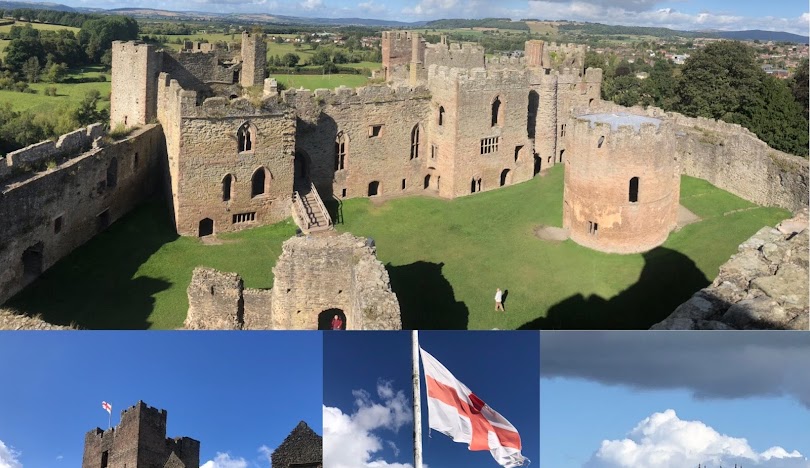
During the medieval period, Shropshire became an important frontier area between England and Wales. Castles were constructed to protect territories and maintain control of trade routes. Many historic churches and market towns developed during this era and continue to serve local communities today.
The cultural identity of the Shropshire Hills is deeply connected to agriculture and rural life. Traditional farming practices have shaped the landscape for centuries, creating the patchwork fields and hedgerows that visitors admire today.
Local festivals, agricultural shows, and community events help preserve regional traditions. Visitors often encounter friendly locals who are proud of their heritage and eager to share stories about the area’s history.
Literature also plays an important role in the region’s cultural heritage. Writers, poets, and artists have long been inspired by the dramatic landscapes and peaceful countryside.
Today, the Shropshire Hills successfully balances heritage conservation with modern tourism. Historic buildings, museums, and cultural attractions provide valuable insights into the region’s past while supporting sustainable local economies.
The combination of natural beauty, rich history, and strong community spirit continues to make the Shropshire Hills a truly special destination.
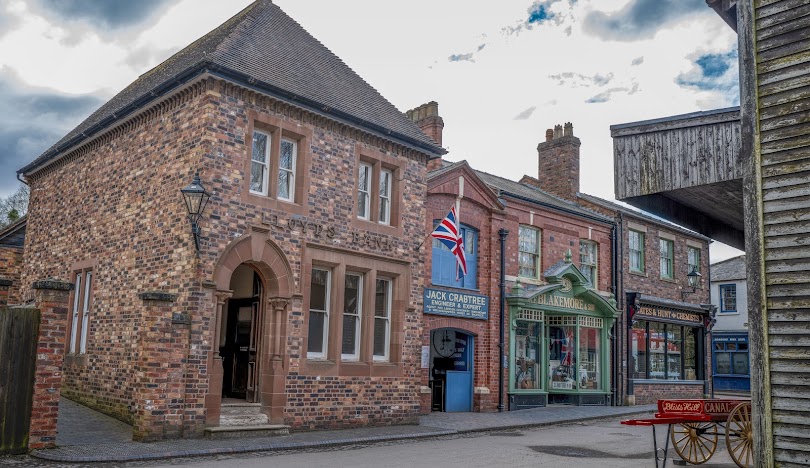
Top Attractions in Shropshire Hills
The Shropshire Hills are filled with natural landmarks, historic sites, and scenic viewpoints that attract visitors throughout the year. Whether you enjoy hiking, photography, history, or simply exploring beautiful countryside, there are countless places worth visiting.
Long Mynd
Long Mynd is one of the most famous attractions in the region and is often considered the heart of the Shropshire Hills. This vast heathland plateau offers some of the most spectacular views in England. Visitors can enjoy numerous walking routes that range from short scenic walks to full-day hikes.
The area is especially popular with hikers, cyclists, birdwatchers, and photographers. During sunrise and sunset, the landscape becomes particularly beautiful as golden light spreads across the hills and valleys.
Long Mynd is also home to diverse wildlife, including wild ponies, sheep, and various bird species. Many visitors consider it one of the best places to visit in Shropshire Hills because of its accessibility and breathtaking scenery.
| FAQs About Shropshire Hills, England | Answers |
|---|---|
| Is the Shropshire Hills worth visiting? | Yes, the Shropshire Hills is one of England’s most beautiful countryside destinations, known for its scenic landscapes, hiking trails, and historic towns. |
| What are the best places to visit in the Shropshire Hills? | Long Mynd, Stiperstones, Carding Mill Valley, Wenlock Edge, Church Stretton, and Ludlow are among the top attractions. |
| When is the best time to visit the Shropshire Hills? | Spring and autumn offer the best combination of pleasant weather, colorful scenery, and excellent walking conditions. |
| How many days should I spend in the Shropshire Hills? | A 2–3 day trip covers the main highlights, while 4–5 days allows for a more relaxed exploration of the region. |
| Are the Shropshire Hills good for hiking? | Yes, the area features numerous walking trails suitable for beginners and experienced hikers, including Long Mynd and Stiperstones. |
| Can I visit the Shropshire Hills without a car? | Yes, train stations in Church Stretton, Ludlow, and Shrewsbury provide access, though a car makes exploring easier. |
| What is the most famous attraction in the Shropshire Hills? | Long Mynd is the most famous attraction, offering spectacular views and some of the best walking routes in England. |
| Are the Shropshire Hills family-friendly? | Yes, families can enjoy nature walks, picnic spots, wildlife watching, and easy trails throughout the region. |
| What wildlife can be seen in the Shropshire Hills? | Visitors may see red kites, buzzards, deer, badgers, butterflies, and various native bird species. |
| Where should I stay in the Shropshire Hills? | Popular accommodation options include country hotels, cottages, bed and breakfasts, campsites, and glamping sites. |
Stiperstones
Stiperstones is another iconic destination known for its dramatic rock formations and rugged appearance. The ridge stretches across the landscape and offers incredible panoramic views over the surrounding countryside.
Local folklore adds mystery to the area. Legends tell stories of giants, witches, and mythical creatures associated with the unusual rock formations.
Walking along the ridge provides a unique experience compared to other areas of the Shropshire Hills. The terrain is more dramatic, making it a favorite destination for adventurous hikers and nature enthusiasts.
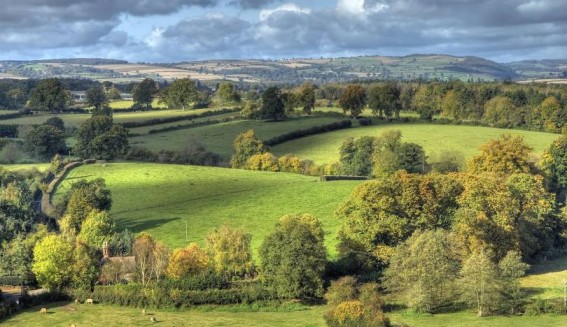
Carding Mill Valley
Managed by the National Trust, Carding Mill Valley is one of the most visited attractions in the region. The valley features beautiful streams, waterfalls, and scenic walking paths suitable for all ages.
Families particularly enjoy this location because it offers easy walking routes, picnic areas, and visitor facilities. The valley also serves as a starting point for hikes up Long Mynd.
During summer, visitors often spend entire days exploring the area while enjoying its peaceful atmosphere.
Best Things to Do
There is no shortage of activities in the Shropshire Hills. The region caters to outdoor enthusiasts, families, history lovers, and travelers seeking relaxation.
Explore Shropshire Hills Walking Trails
One of the most popular activities is exploring the extensive network of Shropshire Hills walking trails. These trails pass through rolling hills, valleys, forests, and historic sites.
Popular routes include:
- Long Mynd Circular Walk
- Stiperstones Ridge Walk
- Wenlock Edge Trail
- Carding Mill Valley Routes
- Offa’s Dyke Path
The variety of trails ensures that both beginners and experienced hikers can find suitable options.
Walking allows visitors to experience the landscape at a slower pace while discovering hidden viewpoints and wildlife habitats.
Visit Historic Towns
The market towns surrounding the hills provide excellent opportunities for sightseeing.
Ludlow is famous for its medieval architecture, castle, and food culture. Church Stretton is often called “Little Switzerland” because of its stunning mountain-like scenery.
Bishop’s Castle offers independent shops, traditional pubs, and a welcoming atmosphere.
Exploring these towns provides a fascinating contrast to the natural beauty of the hills.
Wildlife Watching
The Shropshire Hills support a rich variety of wildlife. Visitors may spot:
- Red kites
- Buzzards
- Kestrels
- Deer
- Badgers
- Rare butterflies
Nature reserves and quiet countryside locations provide excellent opportunities for wildlife observation throughout the year.
Hidden Gems
While famous landmarks attract most visitors, the Shropshire Hills also contain many lesser-known locations that offer memorable experiences.
The Nipstone Rock
Located near Stiperstones, Nipstone Rock provides incredible views without attracting large crowds. Many visitors miss this hidden viewpoint despite its remarkable scenery.
Photographers particularly appreciate the area’s peaceful atmosphere and unique geological formations.
The Bog Visitor Centre
Despite its unusual name, The Bog Visitor Centre is a fascinating place to learn about the region’s mining history.
Visitors can explore nearby trails while discovering how mining shaped local communities during previous centuries.
Clun Valley
The Clun Valley remains one of the most peaceful areas in the region. Rolling hills, quiet roads, and charming villages create an authentic countryside experience.
Travelers looking to escape busy tourist destinations often find this area particularly rewarding.
Local Food and Dining
Food plays an important role in any visit to the Shropshire Hills. The region is known for high-quality local produce, traditional recipes, and excellent restaurants.
Traditional Shropshire Cuisine
Local farms produce some of England’s finest ingredients. Popular regional foods include:
- Shropshire lamb
- Local beef
- Artisan cheeses
- Fresh vegetables
- Traditional pies
- Homemade cakes
Many restaurants emphasize seasonal ingredients sourced from nearby farms.
Ludlow’s Food Reputation
Ludlow is widely recognized as one of England’s leading food destinations. The town hosts food festivals and supports numerous independent restaurants, bakeries, and delicatessens.
Visitors can enjoy everything from traditional British meals to modern fine dining experiences.
The town’s food culture attracts travelers from across the United Kingdom.
Country Pubs and Tea Rooms
Traditional countryside pubs offer warm hospitality and classic British dishes.
Many tea rooms serve freshly baked scones, cakes, and afternoon tea. These establishments provide excellent opportunities to relax after exploring the hills.
Best Time to Visit
The Shropshire Hills can be visited year-round, but each season offers a different experience.
Spring
Spring brings blooming wildflowers, green landscapes, and mild temperatures. This is one of the best times for hiking and photography.
Wildlife becomes more active, and the countryside feels fresh and vibrant.
Summer
Summer offers longer daylight hours and warmer weather. Outdoor activities such as hiking, cycling, and sightseeing become particularly enjoyable.
This is the busiest tourist season, especially during school holidays.
Autumn
Many experienced travelers consider autumn the most beautiful season. Forests and woodlands display spectacular shades of red, orange, and gold.
The cooler temperatures make walking especially comfortable.
Winter
Winter offers peaceful landscapes and fewer visitors. Frost-covered hills create stunning scenery, although weather conditions can sometimes make hiking more challenging.
Visitors seeking tranquility often enjoy winter visits.
Where to Stay
Visitors can find a wide range of Shropshire Hills accommodation options to suit different budgets and travel styles.
Hotels
Country house hotels provide comfort, scenic views, and excellent dining facilities. Many are located within easy reach of major attractions.
Luxury hotels often feature spa facilities and beautiful countryside settings.
Bed and Breakfasts
Traditional bed and breakfasts offer a more personal experience. Local hosts frequently provide valuable recommendations and insights about the area.
Many visitors choose B&Bs for their friendly atmosphere and excellent breakfasts.
Cottages and Glamping
Self-catering cottages are ideal for families and longer stays.
Glamping sites have become increasingly popular, allowing visitors to enjoy nature while maintaining modern comforts.
These accommodation options provide a unique countryside experience that many travelers find memorable.
Transportation Guide
Getting around the Shropshire Hills is relatively easy, although having a car provides the greatest flexibility. The region’s rural nature means some attractions are located away from major public transport routes, making self-driving the most convenient option for many visitors.
Travelers arriving by train can use stations in Church Stretton, Ludlow, and Shrewsbury as gateways to the area. These towns are connected to major cities including Birmingham, Manchester, Cardiff, and London. From the railway stations, local buses and taxis can help visitors reach nearby villages and attractions.
For those who enjoy cycling, the Shropshire Hills offers quiet country roads and scenic cycling routes. However, some routes involve steep climbs, so cyclists should be prepared for challenging terrain.
Walking is another excellent way to explore the area. Many attractions are connected by well-maintained footpaths, allowing visitors to experience the landscape at a slower pace while enjoying beautiful views along the way.
Visitors planning to explore multiple locations over several days may find car rental the most practical option. Free and paid parking facilities are available at many popular attractions, including Carding Mill Valley and Long Mynd.
Travel Tips for First-Time Visitors
Planning ahead can help first-time visitors make the most of their trip to the Shropshire Hills.
Always check the weather forecast before heading out for long walks. Conditions can change quickly, especially on higher ground. Carry waterproof clothing, comfortable walking shoes, and plenty of drinking water.
Mobile phone coverage is generally good but can be limited in some remote valleys and rural areas. Download maps or walking routes before starting longer hikes.
Respect local wildlife and farming activities by staying on marked footpaths and following countryside guidelines. Many walking trails pass through working farmland where livestock may be present.
If you plan to visit during summer weekends or public holidays, book accommodation in advance. Popular Shropshire Hills accommodation options can fill up quickly during peak travel periods.
Finally, allow plenty of time to explore. One of the greatest pleasures of visiting the Shropshire Hills is slowing down and enjoying the peaceful countryside atmosphere that makes this region so special.
Budget and Costs
The Shropshire Hills can be an affordable destination compared to many other popular regions in England.
Budget travelers can find campsites and guesthouses starting from reasonable nightly rates, while mid-range hotels and cottages offer excellent value for money. Luxury country house hotels are also available for visitors seeking a more premium experience.
Food costs vary depending on where you choose to eat. Traditional pubs, cafés, and tea rooms often provide affordable meals, while fine dining restaurants in Ludlow may charge higher prices.
Many of the area’s top attractions are completely free to visit. Walking trails, scenic viewpoints, villages, and natural landmarks can be enjoyed without entrance fees, making the region ideal for travelers who want memorable experiences without spending heavily.
Overall, visitors can comfortably tailor their trip to suit almost any budget while still enjoying the best places to visit in Shropshire Hills.