
Table of Contents
Kielder Forest
Tucked into the far northwest of Northumberland, right up against the Scottish border, Kielder Forest is a place that still feels genuinely remote. There are no motorways nearby, mobile signal drops out for long stretches, and the villages you pass through on the way in have a handful of houses and a pub, if that. For a lot of travelers, that’s exactly the appeal.
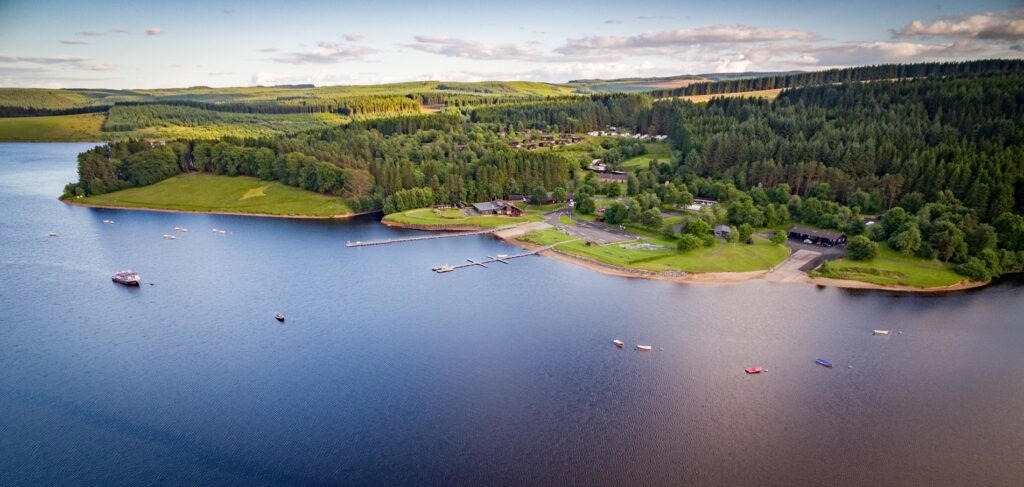
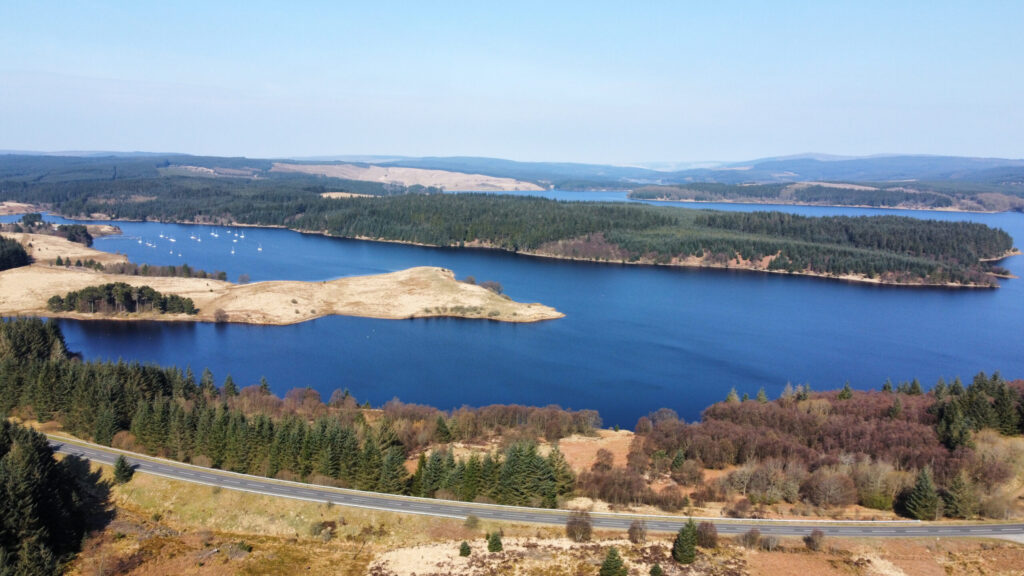
Kielder Forest is England’s largest working forest, wrapped around Kielder Water, the largest man-made lake by capacity in northern Europe. Together they form Kielder Water and Forest Park, a 250-square-mile stretch of pine woodland, open moorland, and reservoir shoreline that has quietly become one of the best outdoor destinations in the north of England. It’s known for three things above all else: forest trails that go on for miles without a road in sight, a mountain biking network that ranks among the best in the country, and skies so dark that Kielder holds Dark Sky Park status, the only place in England to do so.
This guide covers everything you need to plan a visit, from the best walking and cycling routes to where to stay, when to go, and how to make the most of a trip to one of England’s last genuinely wild landscapes.
Whether you’re planning a single day trip from Newcastle, a weekend of mountain biking, or a longer stay built around a stargazing event, the same theme runs through most visits here: give yourself more time than you think you need. Kielder rewards a slower pace, and the drive alone through rolling Northumberland countryside is part of the experience rather than something to rush through.
Quick Facts About Kielder Forest
| Information | Details |
|---|---|
| Location | Northumberland, England, on the border with Scotland |
| Size | Around 250 square miles, England’s largest forest |
| Best known for | Dark sky stargazing, mountain biking, forest walking trails |
| Nearest city | Newcastle upon Tyne, roughly 55 miles / 1 hour 20 minutes by car |
| Best time to visit | Spring and autumn for walking; winter for stargazing |
| Ideal trip length | A long day trip, or two to three days for a fuller visit |
| Main attractions | Kielder Castle, Kielder Observatory, Kielder Water, Lakeside Way, Minotaur Maze |
| Travel style | Outdoor adventure, nature, stargazing, cycling |
| Nearby destinations | Bellingham, Hadrian’s Wall, Northumberland National Park, the Scottish Borders |
Why Visit Kielder Forest?
Natural Beauty on a Huge Scale
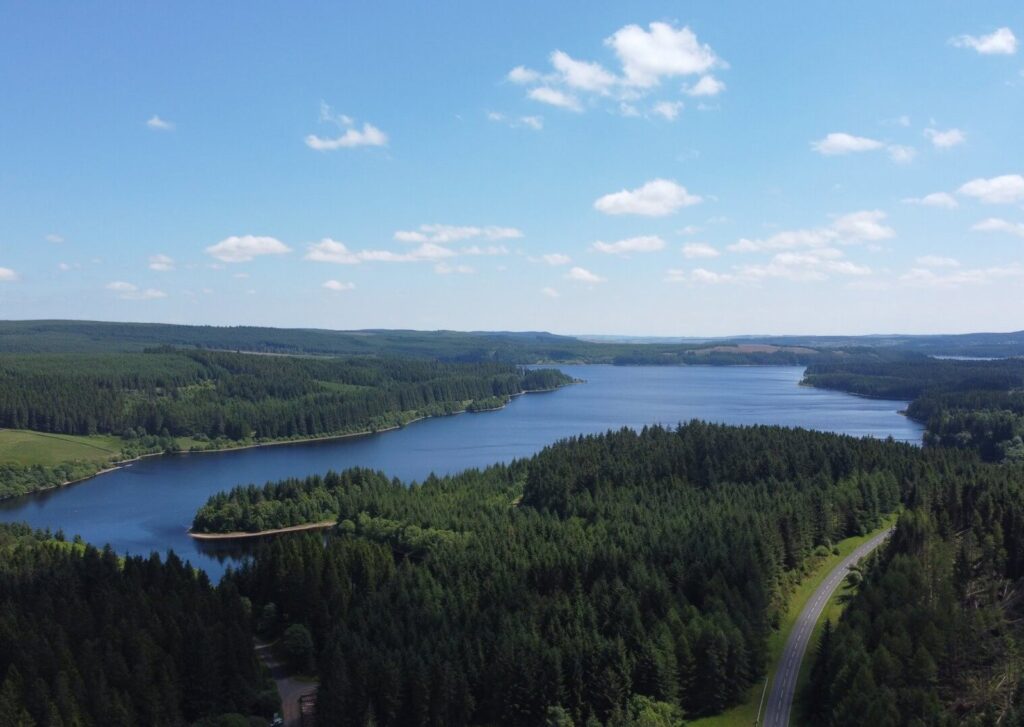
What sets Kielder apart from a lot of English forests is sheer size. You can walk or cycle for hours here and barely retrace your steps. The forest rolls over hills and down to the water’s edge, opening up into wide views across Kielder Water before closing back into dense conifer plantation. It’s a working forest, which means you’ll pass areas of managed woodland alongside older, wilder stretches, and the landscape changes noticeably depending on which side of the reservoir you’re on.
A Genuinely Dark Sky
Light pollution maps of England show a scattering of orange and pink glow across almost the entire country, with one notable dark patch in the northwest corner of Northumberland. That’s Kielder. The combination of remoteness, low population density, and forest cover has earned the area Dark Sky Park status, and it’s why <cite index=”3-1″>Kielder is home to the Kielder Observatory alongside Northumberland National Park, which has gained Dark Sky Park status</cite>. On a clear, moonless night, the Milky Way is visible to the naked eye, something most UK visitors have never actually seen.
A Landscape Shaped by Both Nature and People
Kielder isn’t a pristine wilderness in the strictest sense, and it doesn’t pretend to be. It’s a managed forest with a working history, and that shows in interesting ways: contemporary art installations dotted through the trees, an observatory that looks like it landed from another planet, and a reservoir that was only completed in the 1980s. That mix of human intervention and genuine wildness is part of what makes it distinctive rather than a drawback. <cite index=”15-1″>Kielder Water itself was opened by Queen Elizabeth II on 26 May 1982</cite>, which makes the reservoir relatively young by British landscape standards, even though the forest plantation around it dates back a century.
Space to Actually Slow Down
There’s a practical side to Kielder’s appeal too. In a country where most “wild” landscapes sit only a couple of hours from a city and share their trails with hundreds of other visitors on any given weekend, Kielder still offers long stretches where you might not see another person. That’s partly down to its size and partly down to how few people live in this part of Northumberland. For travelers who find busier national parks a bit much, Kielder is one of the easier places in England to find genuine solitude without needing specialist gear or serious hiking experience.
A Place That Rewards Repeat Visits
Because the park is so large, it’s genuinely difficult to see everything in one trip. Visitors who come back tend to explore a different corner each time, whether that’s the mountain biking trails to the north, the quieter walking routes around Sidwood, or a winter stargazing weekend they didn’t have time for on their first visit. That sense of always having more to discover is part of what keeps people coming back to Kielder rather than treating it as a one-off day trip.
Best Things to Do in Kielder Forest
Cycle the Lakeside Way
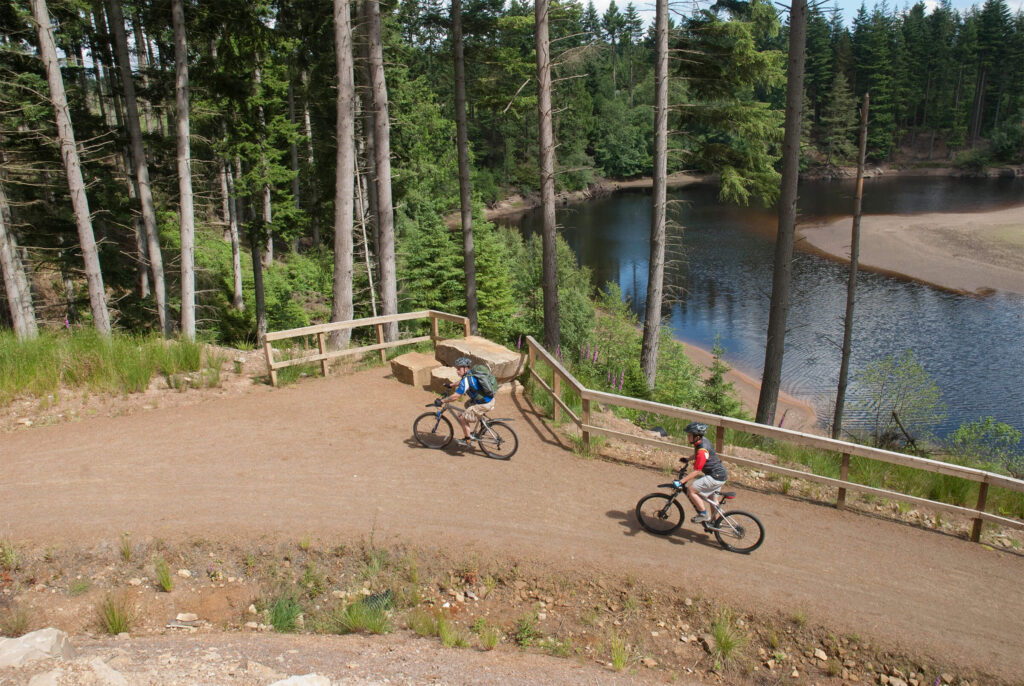
The single most recommended activity at Kielder is cycling the Lakeside Way, a multi-user trail that circles the entire reservoir. <cite index=”15-1″>The Lakeside Way is 26 miles long, stretching from Haltwhistle near Hadrian’s Wall to Kielder Castle</cite>, though most visitors tackle the shorter loop around the water itself rather than the full point-to-point route. It’s mostly flat, well-surfaced, and suitable for families, with plenty of benches, art installations, and viewpoints to break up the ride. Bikes, including electric options, can be hired locally if you don’t want to bring your own.
Explore the Mountain Biking Trails
For a more demanding day out, Kielder has one of England’s largest mountain biking networks. <cite index=”7-1″>There are 125km of dedicated tracks at Kielder, ranging from novice-friendly routes to advanced technical trails</cite>. The more serious routes are concentrated to the north of the water, including <cite index=”7-1″>Deadwater Fell, the highest mountain biking trail in England, which tops out at 580 metres with views over the Scottish Borders and Northumberland</cite>. Bike hire is available near Kielder Castle Visitor Centre and at Kielder Waterside.
Go Stargazing at Kielder Observatory
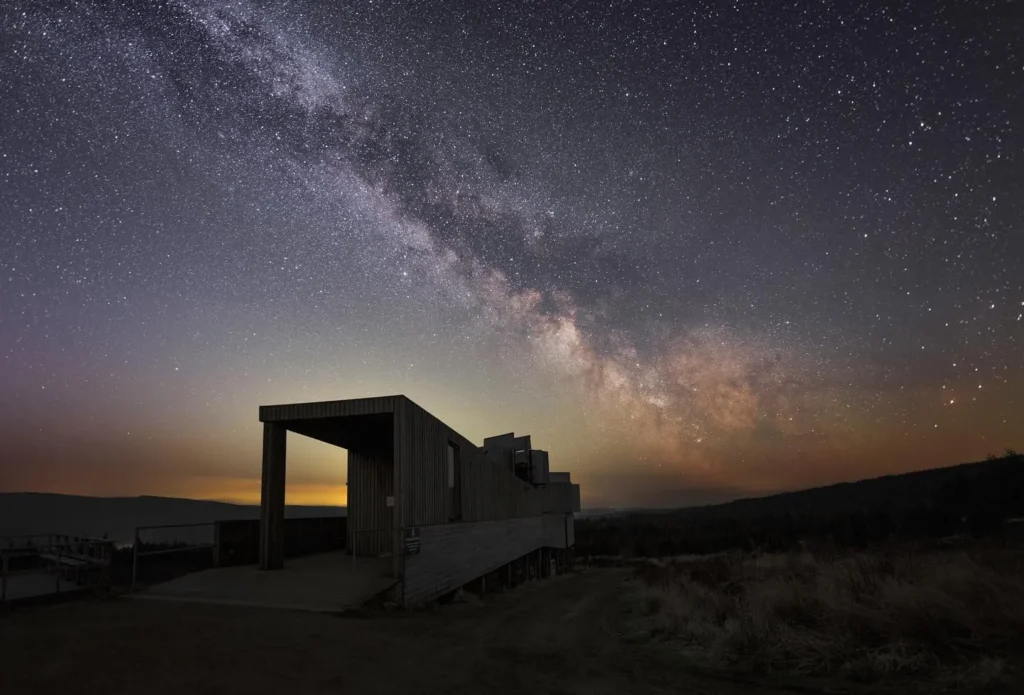
Stargazing is arguably what put Kielder on the map for a lot of travelers outside Northumberland. The Kielder Observatory sits high above the forest and only opens for pre-booked events, so this isn’t something you can simply turn up for. <cite index=”2-1″>Sessions include expert-led stargazing evenings, solar viewing, and astrophotography nights, and the observatory itself is an architectural highlight, appearing to float above the darkness on stilts</cite>. Events sell out well in advance, particularly around new moon dates in winter, so book early if this is a priority for your trip.
Get Lost in the Minotaur Maze
A lighter, family-friendly attraction, the Minotaur Maze is a small hedge maze near Kielder Castle that’s popular with kids. It won’t take long to complete, but it’s a nice stop to break up a longer walk or cycle, and it sits alongside some of the park’s other art and architecture pieces, including the striking Belvedere shelter.
Watch for Ospreys and Wildlife
Kielder has become one of the best places in England to see ospreys. <cite index=”6-1″>Ospreys returned to nest at Kielder in 2009 after an absence of around 200 years in Northumberland, and by 2019 the forest was home to six breeding pairs</cite>. <cite index=”8-1″>From April to August, live camera footage of the nests is shown daily, and it’s now the largest natural osprey colony in the UK</cite>. Beyond ospreys, keep an eye out for red squirrels, roe deer, and a wide range of woodland birds along the quieter trails.
Visit the Kielder Salmon Centre
A smaller but worthwhile stop, the Kielder Salmon Centre gives visitors <cite index=”8-1″>insight into the work the Environment Agency carries out in the area, including rearing salmon and protecting freshwater pearl mussels</cite>. It’s a good option on a wet day or as an add-on to a walk near the dam.
Take a Trip on the Osprey Ferry
For a different perspective on the reservoir, the Osprey Ferry runs across Kielder Water, connecting different points along the shoreline without requiring a full walk or cycle around. It’s a relaxed way to see the scale of the lake and spot wildlife along the banks, and it works well as a way to shorten a longer route by covering one stretch by water instead of on foot.
Drive the Kielder Forest Drive
For visitors approaching from the Scottish side, the Kielder Forest Drive offers a scenic alternative route into the park. <cite index=”10-1″>It’s a gravel-surfaced road accessed from the A68 south of Carter Bar at Byrness, open annually from the start of May to the end of November, with a charge to use it</cite>. It’s best suited to a sturdy vehicle rather than a small car, and it gives a genuinely different feel to arriving via the main southern roads, cutting straight through dense, less-visited forest.
Try Water Sports on Kielder Water
Beyond the ferry, Kielder Water has designated areas for sailing, kayaking, and other water sports, supervised for safety given the size and depth of the reservoir. <cite index=”12-1″>General swimming is generally discouraged due to cold temperatures, strong currents, and underwater hazards</cite>, so these supervised areas are the recommended way to get out on the water itself.
Best Places to Visit in and Around Kielder Forest
Kielder Castle
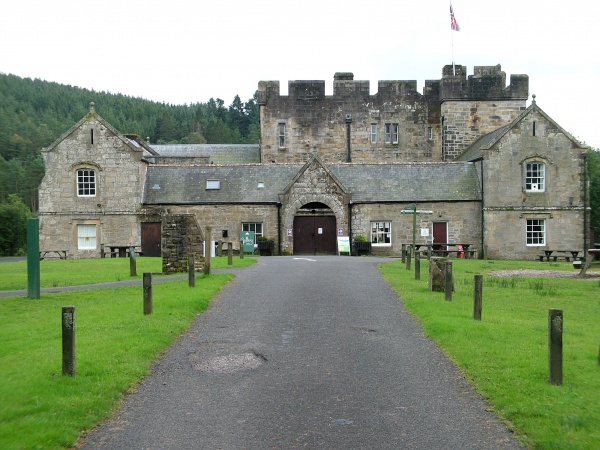
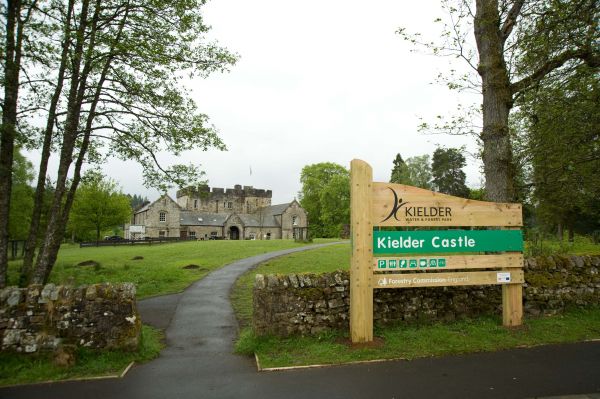
Kielder Castle is the natural starting point for most visits. Originally built as a hunting lodge for the Duke of Northumberland, it now houses a visitor centre and acts as the trailhead for many of the forest’s walking and cycling routes. <cite index=”5-1″>Trails from the castle suit all ages and abilities, offering views across Kielder Water, the surrounding forest, and the wider Northumberland landscape</cite>.
Kielder Water
The reservoir itself is worth exploring beyond just the Lakeside Way. There are quieter, less-visited stretches away from the main visitor centres, particularly around Sidwood and Falstone, where the forest feels noticeably wilder and you’re far less likely to encounter other visitors.
Hareshaw Linn, Bellingham
Just outside the main forest, near the village of Bellingham, is Hareshaw Linn, a wooded gorge with a waterfall at the end. <cite index=”5-1″>It’s a mystical spot where Victorians once held musical evenings beside the tumbling water</cite>, and the walk in through the gorge is one of the prettiest short hikes in the area.
Kielder Village and Falstone
Kielder village itself is small and remote, sitting near the top of the park close to the Scottish border. <cite index=”6-1″>Falstone, a small village nestled between Kielder and Bellingham, is also worth a stop, and is an excellent base for exploring the wider forest, Northumberland National Park, and even the Scottish borders</cite>.
Best Time to Visit Kielder Forest
Kielder rewards visitors in every season, but each brings something different.
Spring (March to May): Mild weather, fewer crowds, and the best chance to catch ospreys returning to nest. Trails are typically dry enough for comfortable walking and cycling.
Summer (June to August): The most popular season, with long daylight hours ideal for the Lakeside Way and mountain biking. Expect busier car parks and, on the flip side, shorter nights that limit stargazing opportunities.
Autumn (September to November): A quieter, atmospheric time to visit, with the forest turning golden and clearer skies beginning to return as nights lengthen again.
Winter (December to February): The best season for stargazing, since nights are longest and skies tend to be clearest. It’s also the quietest time for trails, though some routes can be muddy or icy, so appropriate footwear matters.
Whatever season you choose, check the Kielder Observatory and Forestry England websites in advance, since some facilities and events run seasonally.
Weather at Kielder can shift quickly regardless of the time of year, given how exposed parts of the park are, so it’s worth checking a short-range forecast the morning you travel rather than relying on a forecast from a few days earlier. If stargazing is a priority, aim for dates around a new moon, when the sky is at its darkest, and keep an eye on cloud cover forecasts specifically for the Kielder area rather than for Newcastle or the wider region, since conditions can differ noticeably this far from the coast.
How to Get to Kielder Forest
Kielder is genuinely remote, and getting there requires a car for most visitors, since public transport options are limited.
By car: <cite index=”10-1″>From Newcastle upon Tyne, Kielder is around 55 miles away, about 1 hour and 20 minutes, following the A69 west of Hexham, then the B6320 to Bellingham, and the C200 into Kielder</cite>. <cite index=”10-1″>From Carlisle, it’s around 40 miles and about 1 hour 30 minutes</cite>. If arriving from Scotland, the A68 via Carter Bar connects to the scenic Kielder Forest Drive, a seasonal gravel road best suited to a sturdy vehicle.
By bus: Public transport is limited. <cite index=”12-1″>The 694 bus service from Hexham is the most reliable option, though services are infrequent, so check timetables carefully before relying on it</cite>.
Parking: <cite index=”12-1″>Parking costs £6.50 for a full day, valid across all Kielder car parks until 3am, or £2.50 for an hour</cite>, useful if you’re staying late for stargazing. Some machines require coins rather than card, so it’s worth carrying change.
Mobile signal: Coverage across much of the park is poor to non-existent, so download maps, tickets, and directions before you arrive.
Route options: <cite index=”18-1″>Those travelling from Jedburgh or the northeast of Scotland can take the A68 heading south and then the B6320 from Otterburn to Bellingham, following the brown signs to Kielder Water and Forest Park</cite>. <cite index=”18-1″>Visitors coming from the northwest of Scotland should follow the A7, leaving the road at Canonbie to join the B6357 to Newcastleton</cite>, from where Kielder is well signposted. Whichever direction you’re travelling from, following the brown tourist signs for Kielder Water and Forest Park is generally the simplest way to navigate the final few miles, since satellite navigation can occasionally struggle with the smaller rural roads in this area.
Where to Stay Near Kielder Forest
Accommodation at Kielder ranges from lakeside lodges to simple campsites, and choosing the right base depends on what kind of trip you’re after.
Best Area for First-Time Visitors
Kielder Waterside, on the southern shore near the visitor centre, is the easiest base for first-timers. It’s close to bike hire, the Lakeside Way, and the Osprey ferry, with a range of lodge accommodation nearby.
Best Area for Families
The same Kielder Waterside area works well for families thanks to its proximity to gentle trails, the Minotaur Maze, and on-site dining. Herding Hill Farm, just outside the immediate forest area, is also a popular family-oriented campsite with easy access for stargazing trips.
Best Area for Couples
For a quieter, more remote feel, consider accommodation around Falstone or the northern shore, away from the busier visitor centres, where evenings are especially peaceful.
Budget-Friendly Options
Camping is the most affordable way to stay near Kielder, with several sites operating around the forest edge. Bellingham, a short drive away, also offers a wider range of budget guesthouses and B&Bs.
Booking Ahead and Membership Options
Because Kielder is a popular weekend destination, especially in summer and around stargazing events in winter, it’s worth booking accommodation well in advance rather than turning up on spec. <cite index=”12-1″>Kielder also offers a membership scheme, priced at £40 a year, which includes free parking and supports wildlife conservation in the park</cite>, worth considering for anyone planning multiple visits over the course of a year. Whichever area you choose to base yourself in, it’s worth remembering that facilities thin out quickly once you’re away from Kielder Waterside and Kielder Castle, so stock up on essentials before heading to a more remote lodge or campsite.
[Internal Link: Northumberland National Park Travel Guide]
Food and Drink in Kielder Forest
Options inside the forest itself are limited, which is part of its remote character, so it’s worth planning meals rather than expecting to find something at short notice.
The visitor centres at Kielder Castle and Kielder Waterside both have cafés serving hot food and drinks, useful stops before or after a long walk or ride. For a proper meal with a view, <cite index=”4-1″>The Forest Bar & Kitchen, around an 11-minute drive from the village, serves hot and cold food and drinks with a view across the water</cite>. Beyond the immediate park, Bellingham has traditional pubs serving classic British food, a good option for an evening meal after a day on the trails. As with any rural destination, it’s sensible to check opening hours in advance, since many places operate reduced hours outside peak season.
If you’re planning a full day out on the trails, it’s worth packing your own snacks and water rather than relying on finding somewhere along the route, particularly if you’re heading to the quieter northern sections of the forest where facilities are sparse. Picnic spots are plentiful around the reservoir shoreline, with several benches and viewpoints along the Lakeside Way making natural stopping points for a packed lunch. For a treat after a long ride or walk, the cafés at both main visitor centres serve hot drinks and simple meals, ideal for warming up after a winter stargazing session or cooling down after a summer cycle.
Walking, Hiking, and Outdoor Activities
Kielder’s trail network suits everyone from casual walkers to serious hikers, with routes starting mainly from Kielder Castle.
Lakeside Way: The signature route, a mostly flat multi-user trail suitable for walking or cycling around the reservoir shoreline, with several shorter sections if you don’t want to attempt the full distance.
Forest walks near Kielder Castle: Shorter, waymarked trails start directly from the castle, ranging from easy family walks to longer routes through denser woodland.
Sidwood and Hindhope Linn: Quieter corners of the forest for those wanting to escape the more visited areas, with their own distinct character away from the main visitor hubs.
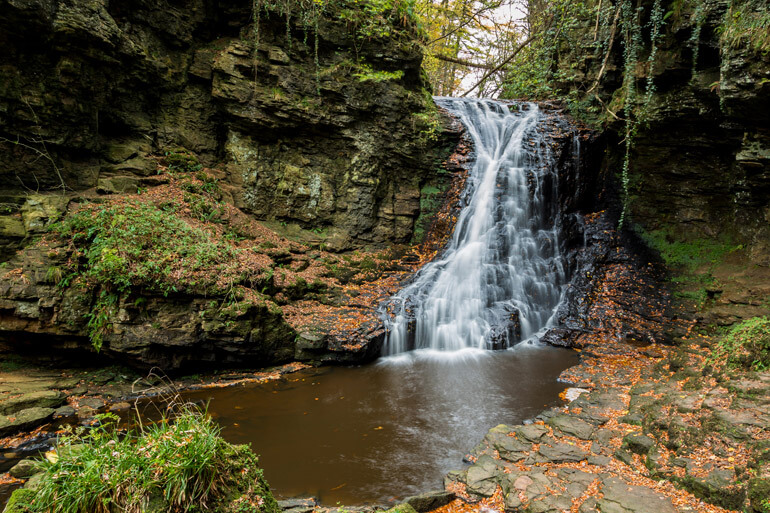
Hareshaw Linn: A moderate walk from Bellingham through a wooded gorge to a waterfall, popular for its atmosphere rather than its distance.
For safety, always check current trail conditions before setting out, particularly after wet weather, and carry a paper map or downloaded route given the unreliable mobile signal. Sturdy footwear is recommended year-round, since forest paths can be muddy even in summer.
Distances and difficulty ratings for individual trails are published by Forestry England and Visit Kielder, and it’s worth checking these directly before setting out, since route conditions and waymarking can change between visits. If you’re new to the park, starting from Kielder Castle is the easiest way to get orientated, since most trails are clearly signposted from there and staff at the visitor centre can advise on which routes suit your fitness level and the time you have available.
Practical Travel Tips for Kielder Forest
- Parking: Bring some coins as a backup, as not all parking machines accept card payments. A day parking ticket is valid across all official car parks in Kielder Forest.
- Weather: Weather conditions can change quickly in this exposed upland landscape. Pack waterproof clothing and extra layers in every season, even during summer.
- Mobile Phone Coverage: Mobile signal is limited in many parts of Kielder Forest. Download offline maps, tickets, and any important information before you arrive.
- Toilets: Public toilets are available at the main visitor centres, including Kielder Castle and Kielder Waterside, but facilities are limited along many walking and cycling trails.
- Families: The Lakeside Way and the area around Kielder Castle are among the most family-friendly parts of the forest, offering easy paths suitable for pushchairs and young children.
- Dogs: Dogs are welcome throughout Kielder Forest. Keep them on a lead in areas where wildlife is protected and always clean up after your pet.
- Book in Advance: Stargazing events at Kielder Observatory are extremely popular and often sell out, especially during autumn and winter. Booking your tickets well in advance is highly recommended.
- Swimming: Swimming in Kielder Water is generally discouraged because of its cold water, strong currents, and underwater hazards. If you want to enjoy the water, use the designated supervised water sports areas where available.
How Long Do You Need in Kielder Forest?
One day: Enough time to cycle a section of the Lakeside Way, visit Kielder Castle, and stop at the Minotaur Maze, though you’ll only scratch the surface.
A weekend: Allows time to combine a full circuit of the Lakeside Way or a mountain biking route with an evening stargazing session at the observatory, plus a visit to nearby Bellingham.
Three days or more: Gives space to explore quieter corners of the forest like Sidwood and Falstone, fit in multiple stargazing or wildlife sessions, and take a day trip into the wider Northumberland National Park or across the Scottish border.
Places to Visit Near Kielder Forest
Kielder’s location makes it a good base for exploring the wider region. Bellingham, a short drive southeast, offers village charm and access to Hareshaw Linn. Northumberland National Park stretches out to the east, with further walking country and access to Hadrian’s Wall further south. Those coming from or heading toward Scotland will find the Scottish Borders, including Newcastleton, within easy reach across the C200 and B6357 routes.
[Internal Link: Best Walks in Northumberland National Park]
[Internal Link: A Guide to Hadrian’s Wall]
Is Kielder Forest Worth Visiting?
Kielder Forest is worth visiting if you want genuine remoteness, dark skies, and a serious network of walking and cycling trails, all within reach of Newcastle. It particularly suits stargazers, mountain bikers, and anyone who wants to properly disconnect for a day or two.
It may not suit travelers looking for a wide choice of restaurants, shops, or nightlife nearby, since the area is deliberately quiet and services are limited. Families wanting an easy, low-effort day out will find plenty to enjoy around the main visitor centres, while those seeking a fuller wilderness experience should head for the quieter trails further from the water’s edge.
Travelers based in a city and looking for a short, convenience-focused break might find Kielder’s remoteness more of a challenge than a draw, particularly given the limited public transport and patchy mobile signal. But for anyone willing to plan a little ahead, book ahead for popular events, and pack for changeable weather, the trade-off is one of the quietest, darkest, and most genuinely rural landscapes left in England.
Frequently Asked Questions
Is Kielder Forest worth visiting?
Yes, particularly for stargazing, cycling, and walking. It’s one of the few genuinely dark, remote landscapes left in England, making it distinct from most other forest destinations in the country.
What is the best time to visit Kielder Forest?
Spring and autumn suit walking and wildlife watching, summer offers the longest daylight for trails, and winter is best for stargazing thanks to longer, clearer nights.
How many days do you need in Kielder Forest?
A single day covers the highlights, but a weekend allows time for both daytime trails and an evening stargazing session, which is one of the park’s main draws.
How do I get to Kielder Forest without a car?
Public transport is limited. <cite index=”12-1″>The 694 bus from Hexham is the most reliable option, but services are infrequent</cite>, so a car is strongly recommended for most visitors.
Can you swim in Kielder Water?
<cite index=”12-1″>General swimming is discouraged due to cold water, strong currents, and underwater hazards, though supervised water sports areas are available</cite>.
Is Kielder Forest good for mountain biking?
Yes. <cite index=”7-1″>It has around 125km of dedicated mountain biking tracks, including Deadwater Fell, the highest mountain biking trail in England</cite>, suitable for riders from beginner to advanced level.
Do I need to book Kielder Observatory in advance?
Yes. <cite index=”2-1″>The Kielder Observatory is only open to visitors booked onto a specific event, and sessions sell out quickly</cite>, so book well ahead, especially for winter dates.
Is there phone signal in Kielder Forest?
Mobile coverage is poor to non-existent across much of the park, so it’s best to download maps and tickets before arriving.
What wildlife can you see in Kielder Forest?
Ospreys are the standout species, alongside red squirrels and roe deer. <cite index=”8-1″>The osprey colony at Kielder is now the largest natural population in the UK</cite>, with live nest camera footage shown at visitor centres during breeding season.
Are dogs allowed in Kielder Forest?
<cite index=”12-1″>Yes, dogs are welcome, but should be kept on a lead in areas where wildlife is protected</cite>.
How much does parking cost at Kielder?
<cite index=”12-1″>A full day of parking costs £6.50, valid across all Kielder car parks until 3am, while an hour costs £2.50</cite>. It’s worth carrying coins, since not every machine takes card payments.
Can you cycle the whole way around Kielder Water?
Yes. <cite index=”15-1″>The Lakeside Way stretches 26 miles from Haltwhistle near Hadrian’s Wall to Kielder Castle</cite>, and most visitors cycling the reservoir loop itself will cover a shorter but still substantial distance around the water’s edge, with several access points if you want to do only part of the route.
Is Kielder Forest suitable for beginners or families new to hiking and cycling?
Yes. The trails around Kielder Castle and the flatter sections of the Lakeside Way are well-suited to beginners and families, while the more demanding mountain biking routes and remote walking trails are better suited to those with more experience.
Final Thoughts
Kielder Forest isn’t a destination you stumble into on the way to somewhere else. It takes a bit of effort to reach, and once you’re there, the lack of phone signal and limited amenities are part of the deal rather than an inconvenience to work around. For travelers happy to trade convenience for genuine quiet, dark skies, and miles of forest and water with barely another person in sight, it’s one of the most rewarding corners of northern England to explore. Check trail conditions, book stargazing sessions ahead of time, and give yourself more than a single day if you can. It’s the kind of place that tends to earn a return visit.