
Table of Contents
Kielder Forest
England has plenty of famous woods, but very few of them come with their own giant lake, a dark sky reserve and a decent chance of meeting a red squirrel. Kielder Forest Northumberland has all of that, and it sits right up near the Scottish border, where the roads are quiet and the phone signal is optimistic at best.
If you want a simple Kielder Forest travel guide without a twelve-page introduction about the beauty of nature, you are in the right place. Below are six places that visitors can add to a trip, plus tips on when to go, how to get around and what to pack. There are ten FAQs at the end, because everybody has questions, and at least three of them are about midges.
Why This Forest Is Worth the Drive
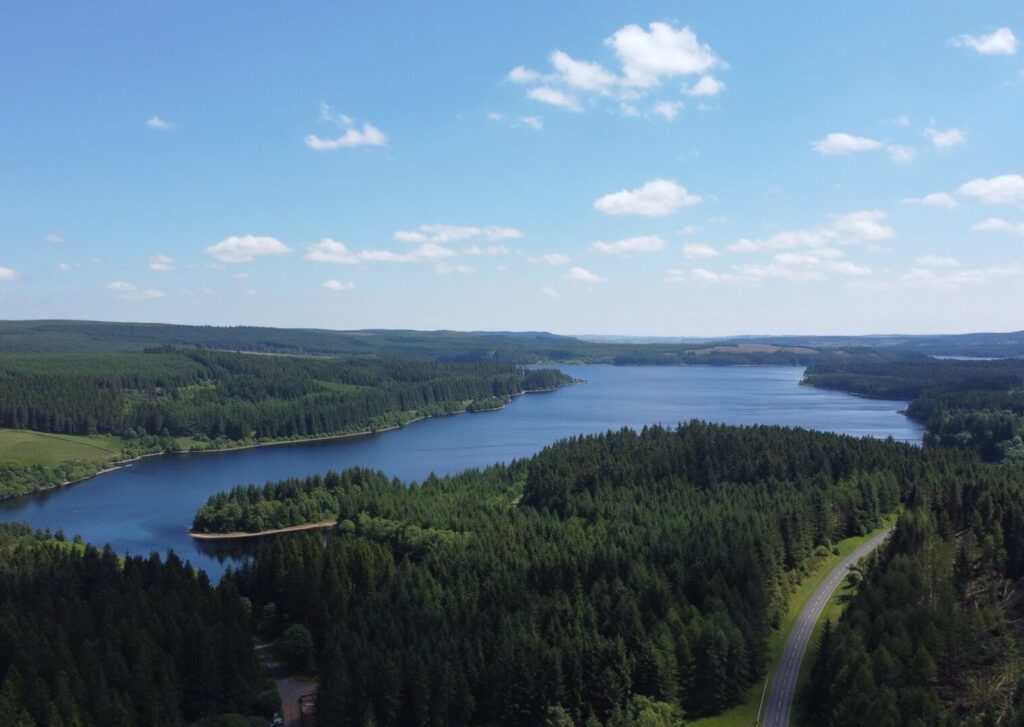
The first thing to know is that the forest is enormous. It is often described as the largest man-made woodland in England, and it is a working forest, which means that trees are grown, cut and replanted over time. It is not a quiet little patch of woods with a bench in the middle. It is a big, wild stretch of land with millions of trees, hills, rivers and a huge reservoir right in the centre.
It is also one of the most remote parts of England. That is a good thing for anyone who wants peace and quiet, and a slightly worse thing for anyone who forgot to bring snacks. The nearest big shops are a long way off, so plan your lunch like it is a military operation.
The area is also known for wildlife. Red squirrels live here, which makes it a favourite for visitors who want to see them in the wild. Ospreys have also been seen in the area in recent years, along with deer and plenty of birds. Nothing is guaranteed, because animals do not read guidebooks, but patience usually pays off.
Things to Do in Kielder Forest: 6 Places Worth Your Time
There is no shortage of things to do in Kielder Forest, but these six places are a good starting point. They mix water, woods, history and some of the best night skies in the country.
Kielder Water
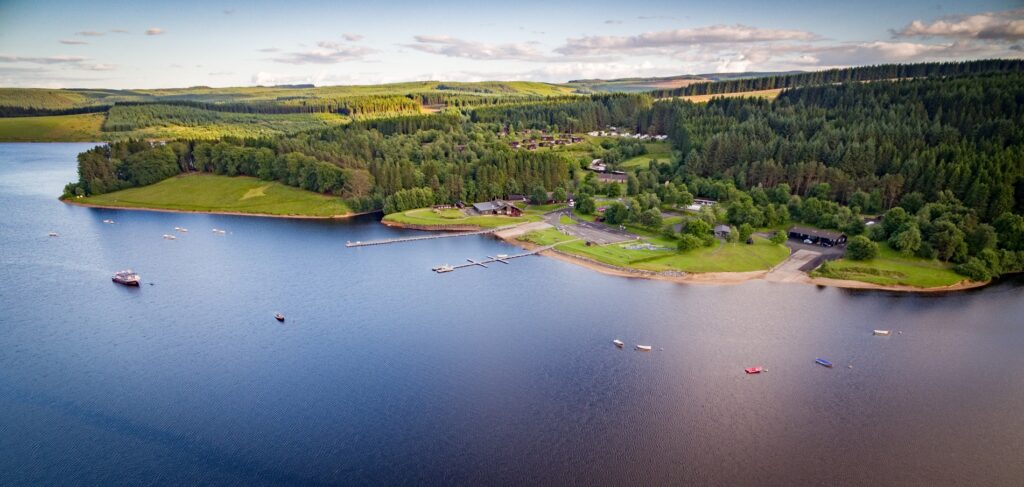
Let’s start with the star of the show. Kielder Water is one of the largest man-made lakes in Europe, and it is the heart of the whole area. From the shore it looks less like a reservoir and more like a very big, very calm lake that happens to have forest on every side.
Visitors can walk, cycle, sail, paddle or simply sit and look at it. A lot of people do the last one, and honestly, that is fine. On a still day the water reflects the trees and sky so well that you may wonder which way is up. No one has ever regretted taking an extra ten minutes by the water.
The lake is also the base for many of the area’s activities, so even if you don’t want to get wet, it is worth seeing. You can enjoy the view from the shore, from a path or from a boat if you want a different angle.
Kielder Observatory
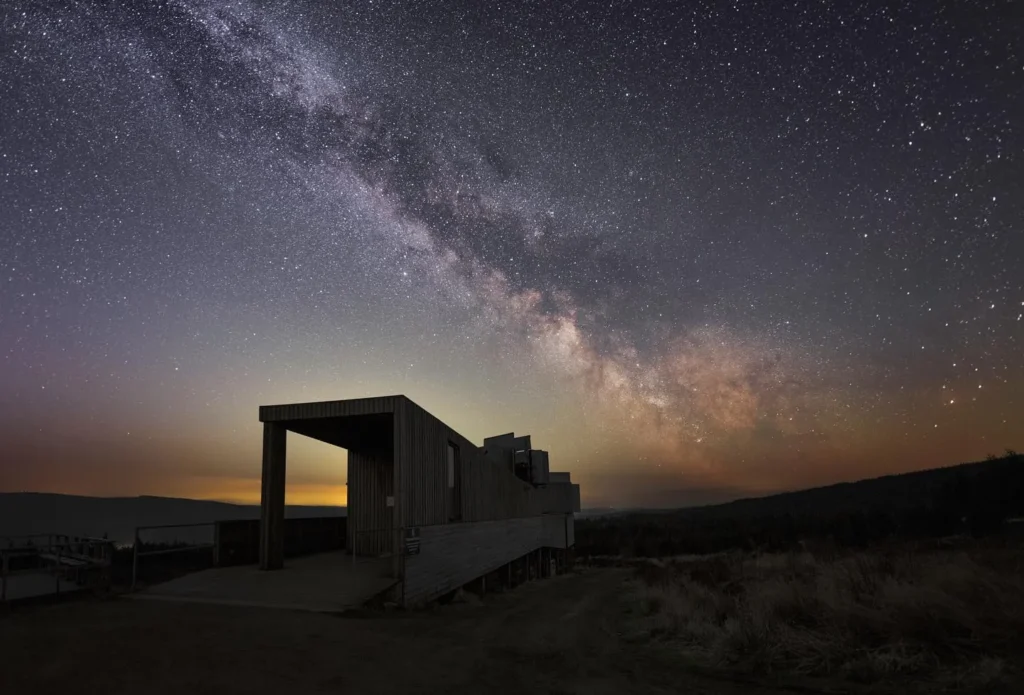
This is the one that surprises most people. The area is part of a certified International Dark Sky Park, which means the night sky here is very dark, with very little light pollution. On a clear night, you can see far more stars than you ever will in a town.
The Kielder Observatory sits on a hill above the water and runs stargazing events with guides who explain what you are looking at. Visitors usually need to book in advance, because the events are popular and the weather decides whether the show goes ahead. Dress warmly, even in summer. It gets cold up there, and nobody looks cool in a thermal hat, but nobody cares either.
A clear night is never guaranteed in northern England, so treat it as a lucky bonus if you get one. If the sky is cloudy, the staff can usually still tell you a lot, and the building itself is worth seeing.
Kielder Castle
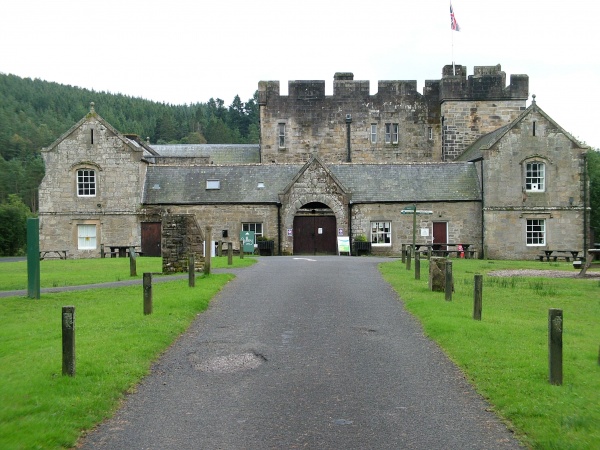
Despite the name, this is not a medieval fortress with a moat and dragons. Kielder Castle is a former hunting lodge, and today it works as a visitor centre. It is a good first stop for anyone who wants maps, advice and a general idea of what is going on in the forest that day.
Visitors can pick up route information, find out about trails and use it as a base for exploring nearby. It is also a handy place to sort out the practical stuff, like where to find food, where to park and which path will not turn into a swamp. A bit of local knowledge goes a long way here.
The Forest Drive
If you would like to see a lot of woodland without walking for hours, the Forest Drive is the answer. This is a long, scenic route on forest roads, and it is a toll road, so be ready to pay at the gate. Check the current price and opening times before you set off.
The road winds through the trees, past viewpoints, clearings and quiet corners where it feels like you have the whole world to yourself. It is a great way to see the scale of Kielder Forest, especially for visitors who prefer the car to the boots. Drive slowly, take your time and pull over properly if you want to take photos. The squirrels are not in a hurry, and neither are you.
Roads like this can have rough patches, so a very low sports car may not enjoy it as much as a regular family car does. Check conditions before you go, particularly after heavy rain or in winter.
Leaplish Waterside Park
Leaplish is one of the main activity centres on the lake. It is the sort of place where visitors can go from sitting on a bench to attempting a water sport in about five minutes. Depending on the season, there may be boat trips, paddling, sailing and other water activities, as well as places to eat and drink.
It is especially useful for families, because there is plenty to do, and it is easier to organise than a wild hike across the hills. If you are visiting with kids, this is the place where “I’m bored” usually disappears. Check what is running on the day you visit, because the activities change with the season and the weather.
A boat trip on the lake is also a good way to see the forest from a different angle, and nobody has to carry a rucksack. That alone is a reason to try it.
Bakethin Nature Reserve and the Lakeside Way
For a quieter experience, head to Bakethin, at the northern end of the lake. This part feels calmer and wilder, and it is a good spot for birdwatching and peaceful walking. The area has a nature reserve, with paths and hides where visitors can sit and wait for wildlife to appear.
The Lakeside Way is a long route that runs around Kielder Water, and parts of it pass through this area. It is popular with walkers and cyclists, and visitors do not have to do the whole thing. Sections of it can be enjoyed as short walks, with interesting art and architecture along the way. Pick a section that suits your energy level, then turn around when you feel like it. There is no medal for finishing, only a sandwich.
Best Time to Visit
Spring is a nice time, with fresh green growth, longer days and fewer crowds. The weather can still be mixed, so pack a waterproof.
Summer is the easiest season for most visitors, with long daylight and lots of activities open. It is also busier, and midges can be a nuisance on still evenings, especially near water and woods. Repellent is a good idea.
Autumn is a favourite for photographers. The trees change colour, the air feels crisp, and the long nights are great for stargazing. It is also a good season for wildlife.
Winter can be beautiful, with frosty trees and very clear skies, but it is cold and the days are short. Some facilities may have reduced hours, and roads can be icy, so check conditions before you travel. Wrap up warm and treat the weather with respect.
For a balance of daylight, comfort and dark skies, early autumn is a strong choice. If your main aim is stargazing, autumn and winter give you longer nights, but you will need the right clothes.
Getting There and Getting Around
The forest is remote, and most visitors arrive by car. Roads are generally quiet, but some are narrow, so take it slowly and watch out for farm animals, cyclists and the occasional confused pheasant. Parking is available at several visitor spots, though some may charge a fee.
Public transport options are limited, so it is best to plan carefully if you do not have a car. Fuel stations and shops are far apart, so fill the tank and bring supplies. Phone signal can be weak or missing in many places, so download maps and directions before you go. A paper map is also a surprisingly good friend out here.
Practical Tips Before You Go
Book Observatory events early. They sell out, especially on weekends and in peak seasons.
Check opening times for the Forest Drive, visitor centres and activities, because they change by season.
Pack layers and waterproofs. The weather can switch from sun to rain without warning.
Bring midge repellent in summer. Your ankles will thank you.
Wear sturdy footwear for walking. Forest paths can be muddy and uneven.
Carry food and water. Shops and cafés are not on every corner.
Download maps in advance, since signal is unreliable.
Follow the forest rules, keep dogs under control and take all litter home.
Respect wildlife and keep a safe distance, especially from nesting birds and young animals.
Final Thoughts
Kielder is one of those places that rewards visitors who slow down. It is big, quiet and a little bit wild, with enough variety to keep walkers, cyclists, families and stargazers happy. Whether you spend your time by the lake, in the woods or under a sky full of stars, there is something here for most people.
Pack well, plan your meals, check the weather and leave plenty of time to stop and stare. If you do, you will go home with great photos, a few good stories and probably a strong opinion about midges.
Frequently Asked Questions
Are there really a lot of midges?
In summer, yes, particularly near water and on still, damp evenings. Repellent, long sleeves and a head net can help a lot. A breeze is your best friend.
Where is Kielder Forest located?
It is in the north of Northumberland, close to the Scottish border. It is a fair drive from the bigger towns, so allow plenty of time and plan your route ahead.
How many days do I need to explore the area?
Two or three days is a good amount for a first visit. That gives you time for the lake, the Observatory, a drive or two and a few walks, with some room for bad weather.
Is the area good for families?
Yes. There are easy paths, activities by the water, play areas and plenty of space to run around. Check which activities are open on the day of your visit.
Can I see red squirrels?
It is possible, since the area is known for them, but sightings are never guaranteed. Be quiet, be patient and keep your eyes on the trees.
Do I need to book Kielder Observatory in advance?
Usually, yes. Events can sell out, so book as early as you can, and have a backup plan in case the weather is cloudy.
When is the best time to go stargazing?
Autumn and winter have longer nights, so you can start earlier in the evening. Clear skies matter more than the season, so check the forecast and be flexible.
Is the Forest Drive free?
No. It is a toll road, so be ready to pay at the gate. Check the current price and opening times before you go, because they can change.
Can I cycle around the lake?
Yes, the Lakeside Way is popular with cyclists, and visitors can ride sections or the whole route if they are fit enough. Bring a repair kit, water and snacks.
Will my phone work?
Signal is patchy and often missing in the forest and around the lake. Download maps and directions before you arrive, and don’t rely on being able to look things up on the spot.