
Table of Contents
Long Mynd
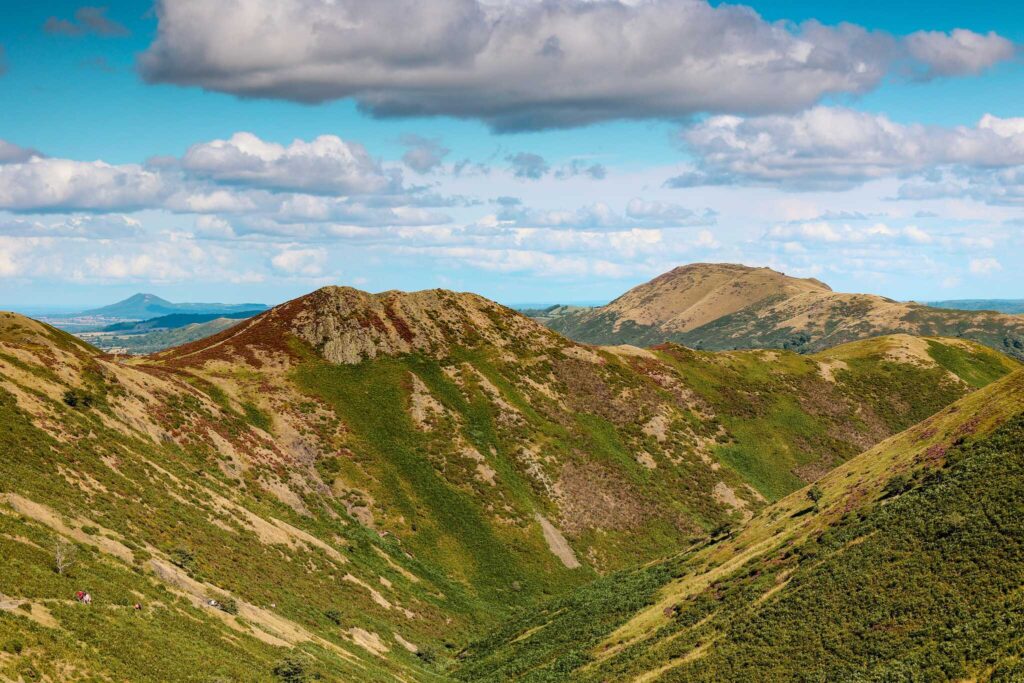
The Long Mynd is one of the most rewarding stretches of open countryside in the Shropshire Hills, and it’s easy to see why walkers keep coming back. This heather-covered plateau rises above the small town of Church Stretton, offering miles of footpaths, steep-sided valleys and views that stretch far into the surrounding hills. The name itself simply means “long mountain,” and the ridge lives up to it, running for around seven miles through National Trust-protected land.
What makes the Long Mynd stand out isn’t a single dramatic peak but the sheer scale of open access land available to explore. Whether you want a gentle stroll along a valley stream or a full day’s hike across the plateau to Pole Bank, the highest point on the hill, there’s a route to match. The area also has a genuine sense of history, from its geology dating back to Precambrian times to its use as an ancient trading route along the Portway.
This guide covers the practical details you need before visiting: the best walks, how to get there, parking, when to go, and what to expect from the wildlife and landscape. It’s written for anyone planning a day out, from families looking for an easy valley walk to more experienced hikers wanting to tackle the full ridge.
Why Visit the Long Mynd?
The Long Mynd offers something genuinely different from many other Shropshire Hills landmarks. Rather than one isolated summit like nearby Caer Caradoc or the Wrekin, it’s a broad, open plateau with numerous valleys, or “batches,” cutting into its sides. This gives walkers far more route options and a real sense of space once you’re up on the tops.
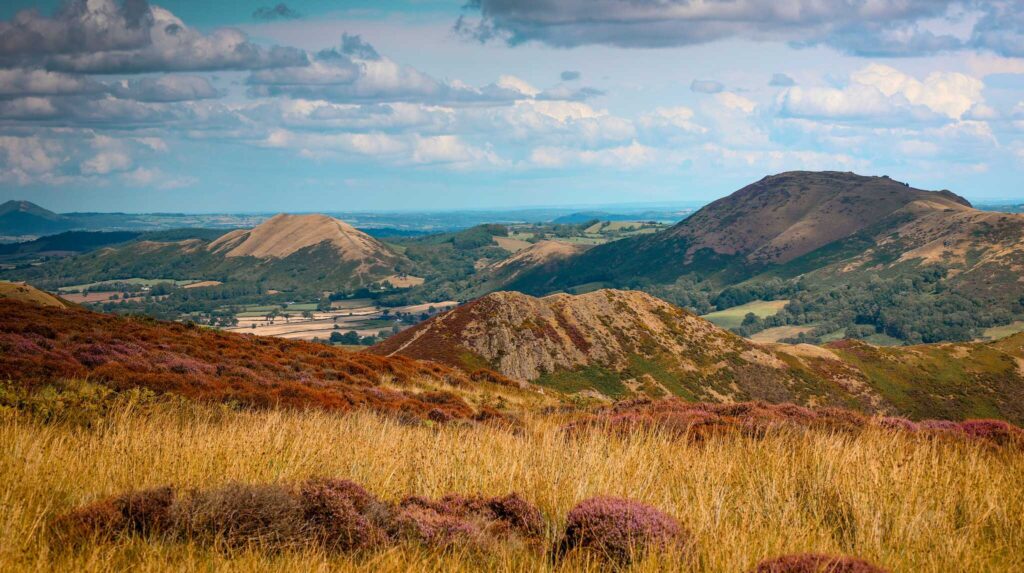
Much of the land is owned and managed by the National Trust, which means well-maintained footpaths and a genuine commitment to conservation. The scenery changes with the seasons too, from purple heather in late summer to golden bracken in autumn. It’s also a working landscape, with local farmers, known as commoners, holding grazing rights that go back centuries. For anyone wanting big skies and a proper sense of remoteness without a lengthy expedition, the Long Mynd is hard to beat.
Best Walks and Hikes on the Long Mynd
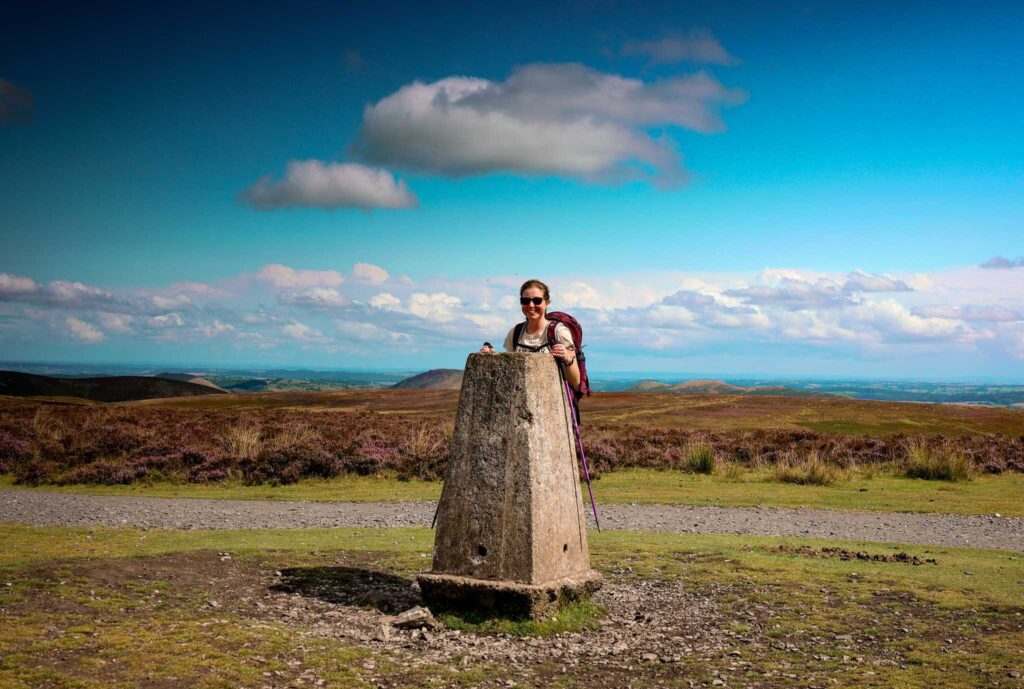
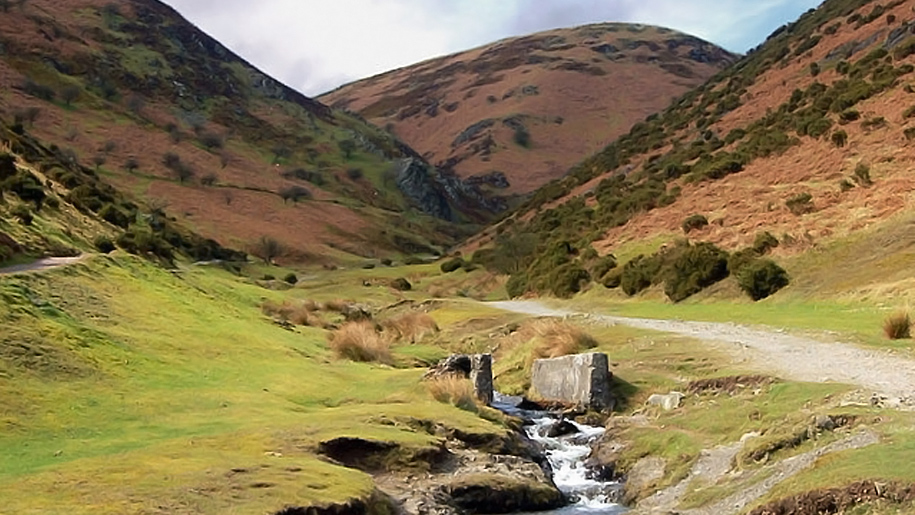
There’s a walk here for almost every ability. Shorter routes from Carding Mill Valley lead to Lightspout Waterfall, a modest but attractive four-metre cascade reached along a stream-side path. For something longer, the classic route to Pole Bank takes you up through the valley and onto the open plateau, where the going is easier underfoot despite the initial climb.
More ambitious walkers often follow sections of the Portway, an old ridge-top track believed to date back to the Stone Age, once used by traders moving high above the wet, wooded valleys. The Shropshire Way and Jack Mytton Way both cross the hill too, offering options for linking up longer multi-day routes.
The Burway Loop (10 Miles)
For a full day out, the Burway Loop is a well-known circular route taking in both sides of the Long Mynd. It’s a genuinely challenging walk, with a rugged and uneven surface in places, and it isn’t suitable for wheelchairs or pushchairs. Many walkers break up the route with a stop at the Bridges pub roughly halfway round, before continuing back over the tops.
Carding Mill Valley: The Main Gateway
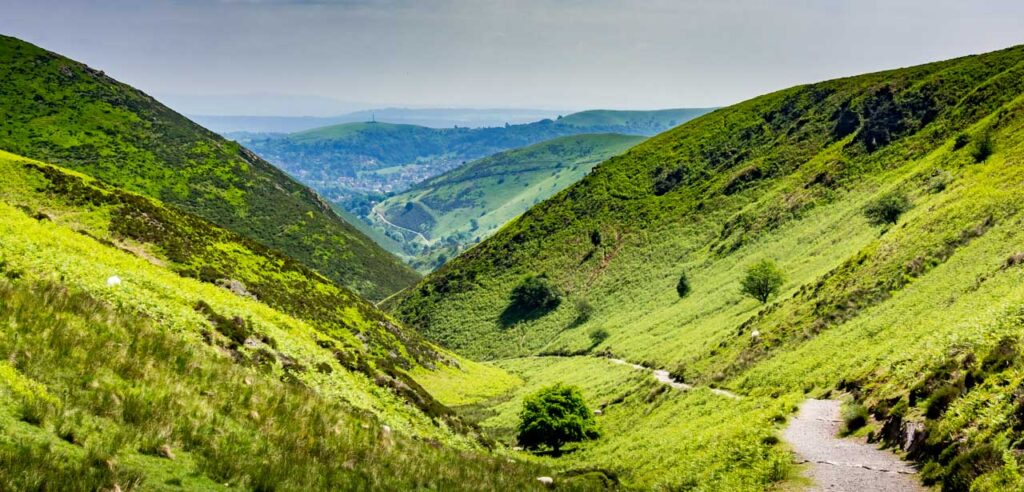
Carding Mill Valley is the busiest and most accessible entry point to the Long Mynd, and it’s where most visitors start their day. The valley has a National Trust car park, visitor centre and the Chalet Pavilion tea room, making it a practical base whether you’re heading out for a serious hike or just a short family walk.
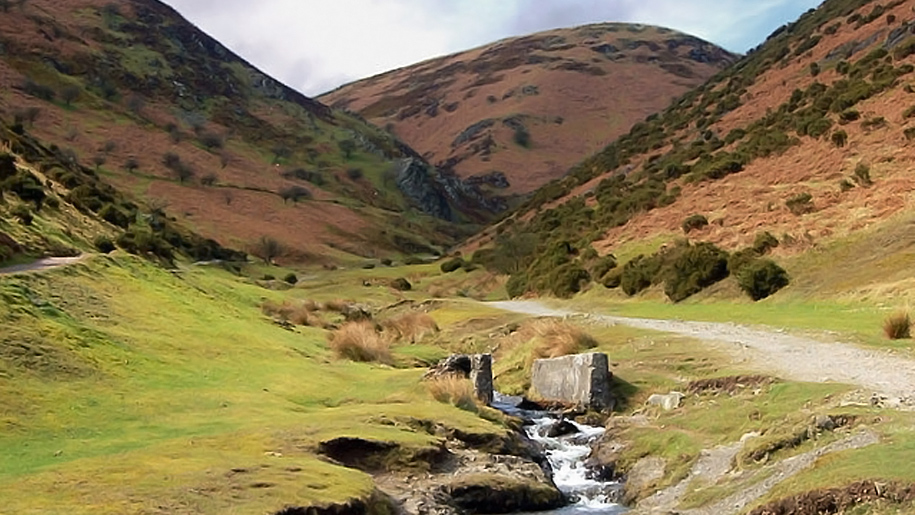
The valley itself has an interesting past. A mill once stood here processing local fleeces, before later becoming a producer of ginger beer and soda for Victorian tourists. Today, the National Trust runs a small exhibition featuring fossilised markings, a reminder of the area’s ancient geology. If you walk past the main car park and away from the visitor centre, the crowds thin out quickly, and you can reach quieter paths within a few hundred metres.
How to Get There and Parking
The Long Mynd sits just west of Church Stretton, off the A49, and is well signposted from the surrounding roads. For sat-nav users, the postcode SY6 6JG will bring you close to the main Carding Mill Valley car park. Pay-and-display parking operates here, with National Trust members parking free of charge; it’s worth checking current rates on the National Trust website before you travel, as prices can change.
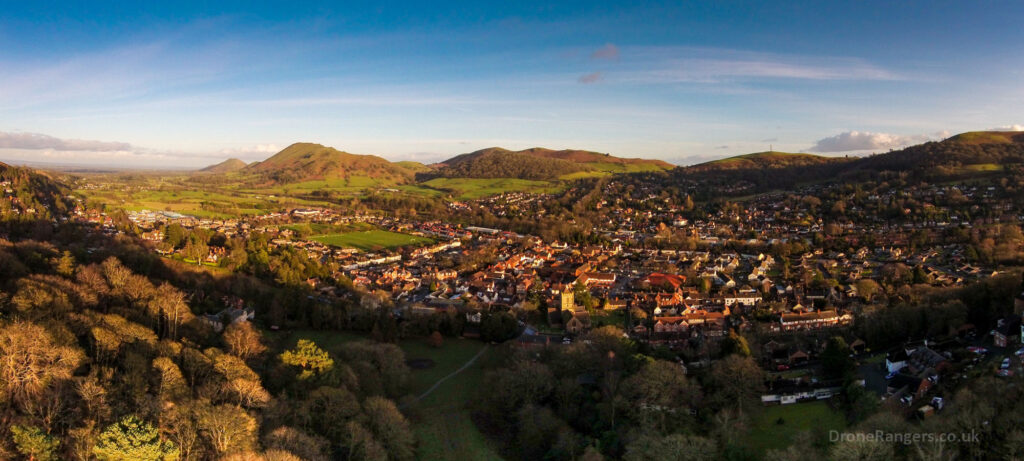
Public transport is also an option. Church Stretton has its own small railway station with regular services connecting to Shrewsbury and destinations further afield, and it’s roughly half a mile from the Long Mynd itself. A Long Mynd shuttle bus also runs on weekends and bank holidays between Easter and October, with an additional service extending to the Stiperstones. For those planning a quieter walk, parking near Shooting Box or along the Ratlinghope and Asterton approaches offers an alternative to the busier valley car park.
Best Time to Visit
The Long Mynd is worth visiting throughout the year, though each season offers something different. Late summer, typically August into early September, brings the heather into bloom, covering the hillsides in purple. Autumn brings quieter trails and rich colours across the bracken, while winter walks can be spectacular on a clear day, though conditions underfoot become significantly more challenging, and some routes may be affected by snow or ice.
Weekday visits generally mean quieter car parks and paths, particularly at Carding Mill Valley, which can get busy on sunny weekends and school holidays. Whatever time of year you go, it’s worth checking the weather forecast beforehand, as conditions on the open plateau can change quickly and feel considerably colder and windier than in the sheltered valleys below.
Wildlife, Geology and Local Character
One of the most memorable aspects of a Long Mynd visit is the chance to walk among semi-wild ponies, which graze freely across the open access land as part of the area’s long-standing commoners’ grazing rights. They’re generally unbothered by walkers, though visitors are encouraged to give them space and avoid feeding them.
Geologically, the Long Mynd is genuinely significant, with rock formations dating back to Precambrian times, among the oldest exposed rock in England. The heathland supports a range of ground-nesting birds and other wildlife, which is part of the reason dogs are asked to be kept under close control, particularly during nesting season. The landscape has also inspired writers, most notably A E Housman, whose poetry references the “blue remembered hills” of this part of Shropshire.
Where to Stay and Eat Nearby
Church Stretton is the natural base for exploring the Long Mynd, with a good range of guesthouses, pubs and small hotels within easy reach of the hills. For refreshments without leaving the Long Mynd itself, the Chalet Pavilion tea room at Carding Mill Valley serves light lunches, cakes and locally made ice cream, and makes a welcome stop after a walk.
Further afield, the Bridges pub is a popular halfway point for longer circular routes and a good option for a sit-down meal. Ratlinghope and the surrounding villages also offer a handful of smaller options for those exploring the quieter western side of the hill. Booking ahead is generally sensible during busy summer weekends, particularly for accommodation in Church Stretton itself.
FAQ
Is the Long Mynd suitable for beginners?
Yes, particularly around Carding Mill Valley, where shorter, well-marked paths suit less experienced walkers. Longer routes to Pole Bank or the Burway Loop are more demanding and better suited to those with some hiking experience and appropriate footwear.
Are dogs allowed on the Long Mynd?
Dogs are welcome across most of the Long Mynd, but should be kept under close control, especially near grazing ponies and during ground-nesting bird season. Some areas may have specific restrictions, so check current signage on arrival.
How long does it take to walk to Pole Bank?
Timings vary depending on your starting point and fitness level, but a round trip from Carding Mill Valley typically takes a few hours. Allow extra time if you plan to explore further along the plateau.
Is there parking at Carding Mill Valley?
Yes, there’s a National Trust pay-and-display car park at Carding Mill Valley, free for members. Alternative parking spots exist near Shooting Box and on the Ratlinghope and Asterton approaches for quieter starting points.
What is the best time of year to see the heather?
The heather typically flowers in late summer, usually from August into early September, when the hillsides turn a distinctive purple. Exact timing can vary slightly from year to year depending on weather conditions.
Conclusion
The Long Mynd offers one of the most varied walking experiences in the Shropshire Hills, from short valley strolls to demanding full-day routes across the open plateau. With Carding Mill Valley as an accessible starting point, well-maintained National Trust paths, and genuine points of interest in its geology, wildlife and history, it rewards both casual visitors and serious hikers alike. Planning around parking, weather and the time of year will help you make the most of a visit, whatever kind of day out you’re after. For anyone exploring Shropshire’s outdoor landscapes, the Long Mynd is well worth building into your itinerary.