
Table of Contents
Loch Maree
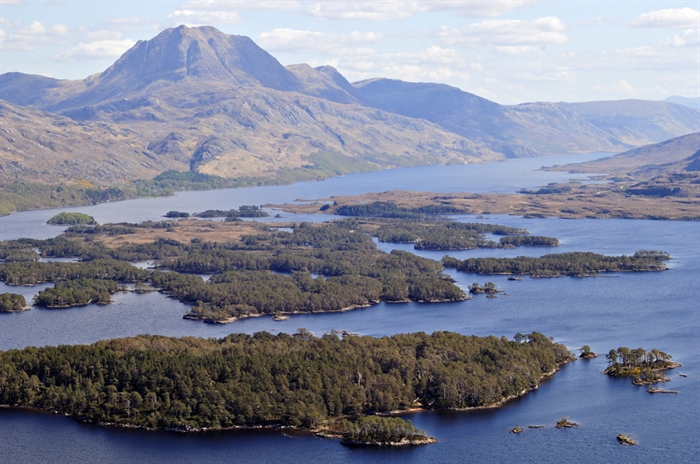
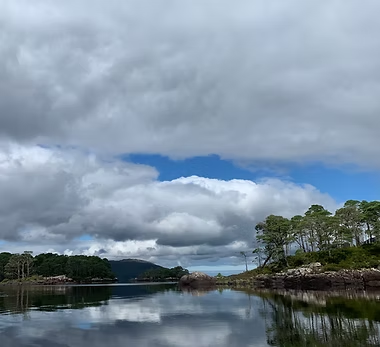
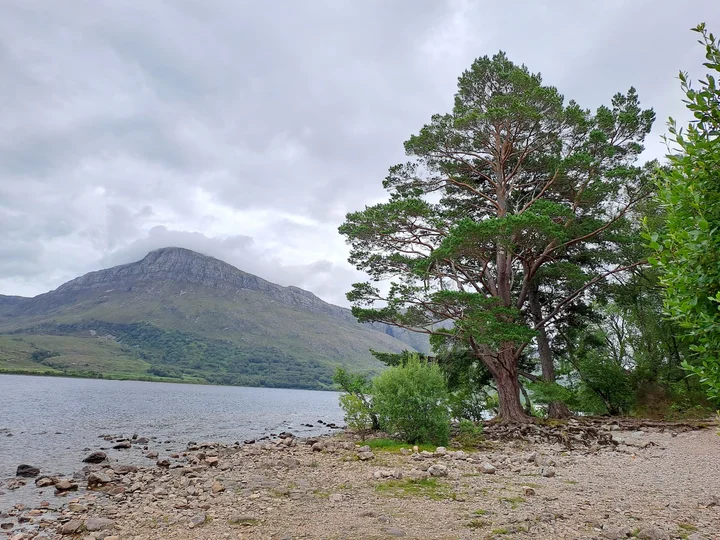
Loch Maree sits quietly in Wester Ross, overshadowed in popularity by Loch Ness and Loch Lomond, yet many Highland travellers consider it one of the most beautiful stretches of water in Scotland. It stretches for around 20 kilometres between the village of Kinlochewe and the coastal town of Gairloch, framed on one side by the ancient pinewoods of the Beinn Eighe National Nature Reserve and on the other by the bulk of Slioch mountain rising above the Letterewe Estate. Scattered across the loch are more than 60 wooded islands, some holding the last untouched fragments of native woodland left in Britain.
This guide covers what actually matters if you’re planning a visit to Loch Maree: the best things to do around its shores, the walking trails worth your time, how the islands fit into the loch’s unusual history, and the practical details of getting there, staying nearby, and choosing the right season. Loch Maree isn’t set up with visitor infrastructure the way busier lochs are, so a bit of planning goes a long way. Whether you’re driving the A832 as part of a longer Wester Ross trip, combining it with the North Coast 500 route, or making it a dedicated stop from Inverness, this article should give you a clear, honest picture of what to expect.
Why Visit Loch Maree?
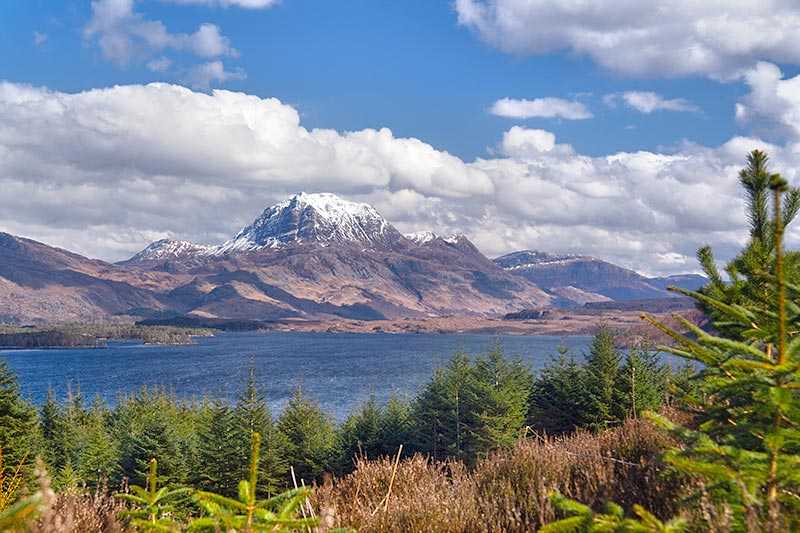
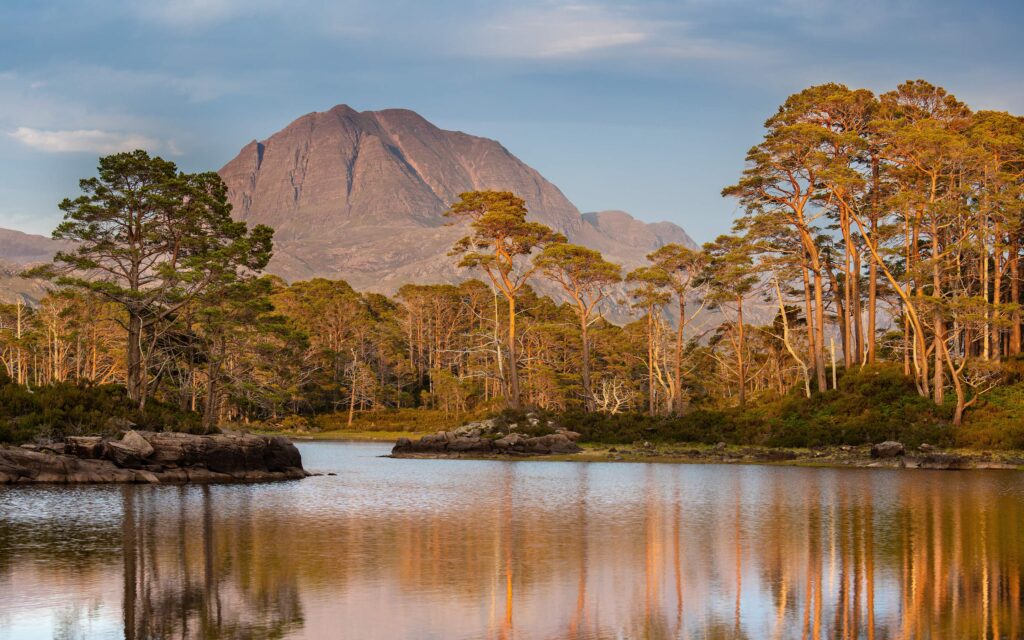
Loch Maree is the fourth largest freshwater loch in Scotland and the largest in the northwest Highlands, sitting in a glacial trough that reaches depths of around 110 metres in places. What sets it apart from other Highland lochs is the combination of scale and wildness: the water is bordered by genuine ancient woodland rather than farmland or forestry plantation, and Slioch’s near-vertical face gives the loch one of the most photographed mountain reflections in Scotland.
The surrounding landscape carries serious conservation weight too. The Beinn Eighe and Loch Maree Islands National Nature Reserve was established in 1951, making it Britain’s oldest national nature reserve, and it protects one of the last significant remnants of ancient Caledonian pinewood in the western Highlands. For travellers who want scenery without crowds, Loch Maree delivers both.
Best Things to Do at Loch Maree
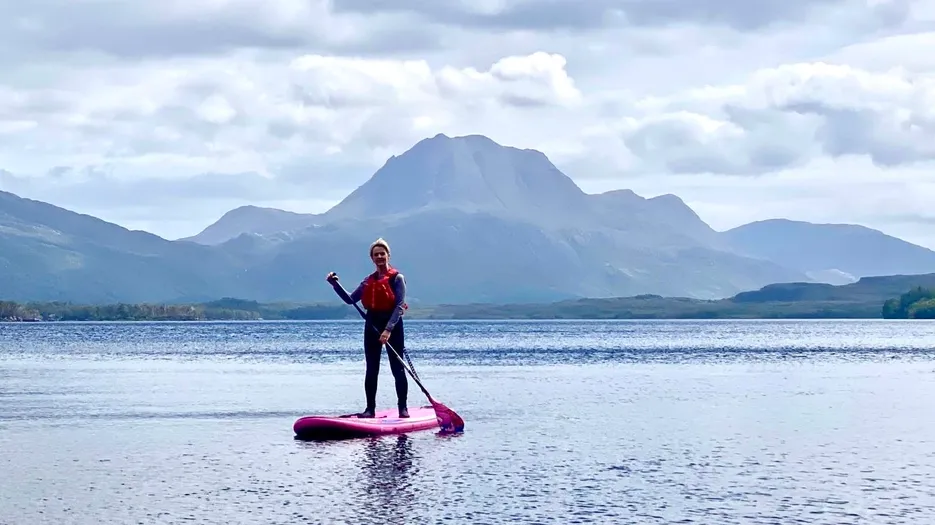
Most visitors spend their time on or around the water rather than in any single attraction, since Loch Maree has no town on its shores. Kayaking is a popular way to explore, with the Slattadale car park commonly used as a launch point for paddling out toward the islands. Fishing has a long history here too; the loch has been known for its sea trout since the Victorian era, though anglers should check current permit requirements with local estates before setting out.
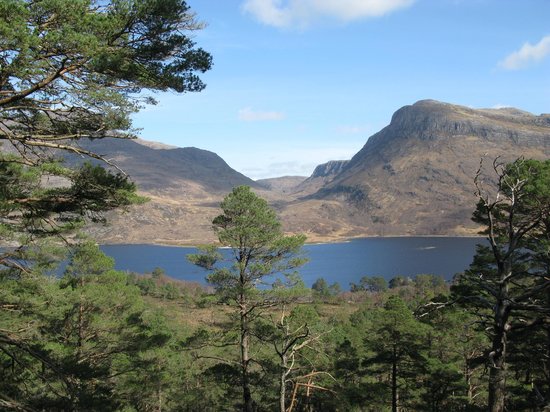
The Beinn Eighe Visitor Centre, just north of Kinlochewe on the A832, is worth building time around. It’s free to enter and typically open from spring through autumn, with displays on the reserve’s wildlife and geology, plus a hide overlooking a pond and feeding station. From here, several waymarked trails lead directly into the pinewoods and up onto higher ground with loch views. Simply pulling in at one of the laybys along the A832 between Kinlochewe and Gairloch is also worthwhile, since several offer uninterrupted views across the water to Slioch.
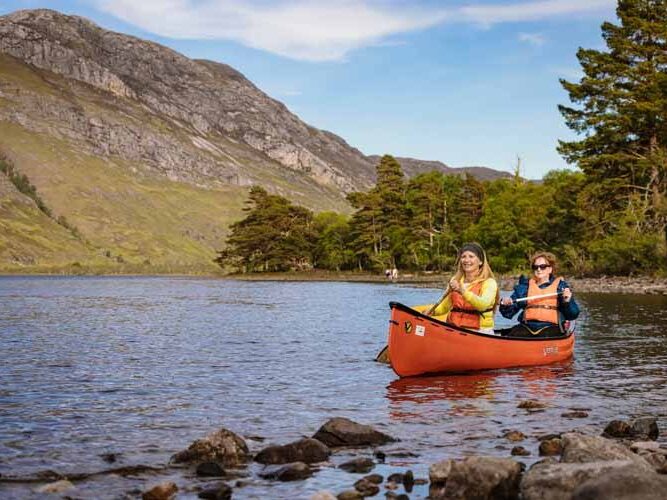
The Islands of Loch Maree and Isle Maree’s Story
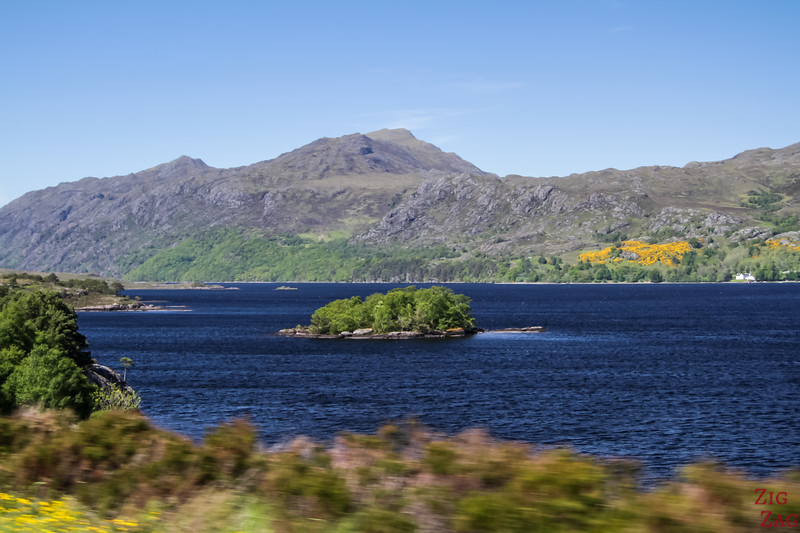
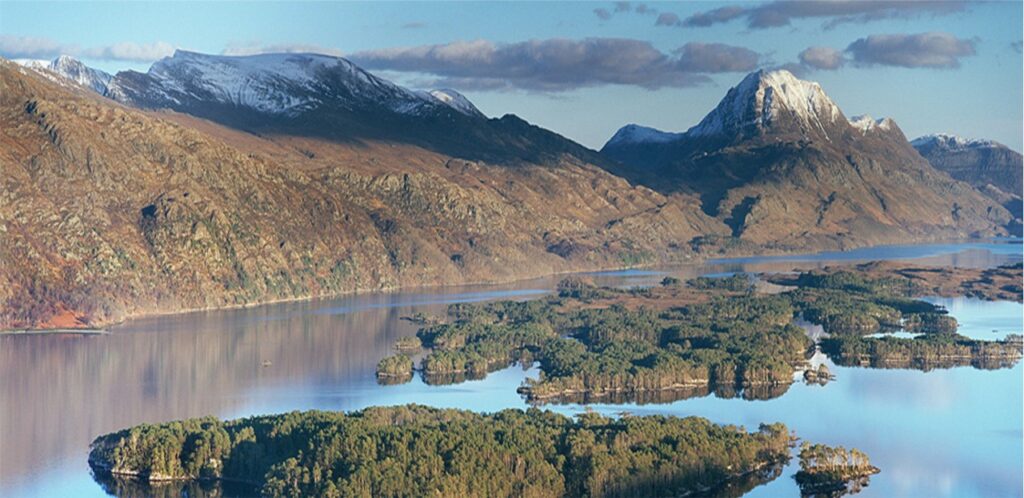
Loch Maree’s islands are part of what makes it unusual. More than 60 of them are scattered across the water, and many hold fragments of native pinewood that have never been felled or planted, making them some of the closest things to truly natural woodland left in the UK. The largest concentration falls within the National Nature Reserve, and access to the islands is generally restricted to protect breeding birds, particularly the black-throated diver, so most visitors view them from the shore, a boat, or a kayak rather than landing.
The best-known island is Isle Maree, associated with the 8th-century hermit Saint Máel Ruba, who is thought to have founded the monastery at Applecross. The island holds the remains of a chapel, a graveyard, and a holy well that was historically visited by people seeking cures, including bathing in the loch itself as part of the ritual. It’s a genuinely atmospheric spot, though it sits within the protected reserve and isn’t set up for casual landing, so most travellers admire it from a kayak or the shoreline rather than stepping ashore.
Best Walks Near Loch Maree
Walking options around Loch Maree range from short, easy trails to a proper half-day hill outing, and most start from one of two main car parks.
Beinn Eighe Woodland and Mountain Trails
From the Glas Leitir car park near Kinlochewe, a Woodland Trail loops through Scots pine forest on mostly level ground, suiting families and less experienced walkers. The adjoining Mountain Trail is a steeper, more demanding route that climbs into open hillside for wide views back down over Loch Maree toward Slioch. Good footwear is worth packing, since the upper sections cross exposed, uneven ground.
The Tollie Path
For a longer walk with a real sense of the loch’s scale, the Tollie Path runs roughly five miles one-way from the Slattadale car park to Tollie Farm near Poolewe. It follows the loch’s northern shore through varied terrain and is best treated as a one-way route, so arranging transport back to your start point, or simply retracing your steps, is worth planning ahead of time.
How to Get to Loch Maree
Loch Maree is reached along the A832, which runs between Kinlochewe at the loch’s southeastern end and Gairloch on the coast to the northwest, making it a natural stop for anyone driving the North Coast 500 or exploring Wester Ross more broadly. Inverness is the nearest major hub, with the drive typically taking around ninety minutes depending on conditions and stops. Inverness Airport is the closest airport for flying in, while Glasgow and Edinburgh airports serve as alternatives for those combining the trip with a longer Scotland itinerary.
Public transport in this part of the Highlands is limited. Scottish Citylink and local bus services connect Inverness to villages in the area, but schedules tend to be infrequent, so most visitors find a car essential for reaching the loch’s quieter viewpoints, trailheads, and parking areas at their own pace. If Skye is also on your itinerary, our Isle of Skye travel guide covers the drive and ferry options for extending a Wester Ross trip further west.
Where to Stay Near Loch Maree
Accommodation directly on the loch is limited, since there’s no large town on its shores, but Kinlochewe and Gairloch both offer a practical base within a short drive. Kinlochewe, at the loch’s southern tip, sits closest to the Beinn Eighe Visitor Centre and the Torridon hills, making it a good choice for walkers. Gairloch, on the coast to the northwest, offers a wider range of guesthouses, hotels, and self-catering options along with easy access to beaches and Inverewe Garden further up the coast.
Booking ahead is strongly advised during the summer months, particularly for smaller guesthouses and B&Bs, since accommodation across this stretch of Wester Ross is limited relative to demand from NC500 travellers.
Best Time to Visit Loch Maree
Loch Maree can be visited year-round, but the experience changes considerably with the seasons. Late spring through early autumn offers the most reliable weather for walking and kayaking, along with the Beinn Eighe Visitor Centre’s main opening period. Winter visits bring their own reward: on clear, cold days, snow-capped peaks reflected in still water make for some of the loch’s most striking scenery, though shorter daylight hours and icier trail conditions call for extra caution.
| Information | Details |
|---|---|
| Best time to visit | Late spring to early autumn for walking and access; clear winter days for scenery |
| Visit length | Half a day for viewpoints and a short walk; a full day with kayaking or the Tollie Path |
| Best for | Walkers, wildlife watchers, photographers, anglers |
| Parking | Laybys along the A832; car parks at Glas Leitir and Slattadale |
| Difficulty | Easy along the shore and Woodland Trail; moderate to strenuous on the Mountain Trail and Tollie Path |
FAQ
Is Loch Maree worth visiting?
Yes. It’s one of the largest and least developed lochs in the Highlands, bordered by ancient pinewood and Slioch mountain, with genuine wildlife and walking opportunities rather than heavy tourist infrastructure.
Can you swim in Loch Maree?
Wild swimming is possible in places, though the water stays cold year-round and there are no lifeguarded areas. Anyone swimming should check conditions and access points carefully beforehand.
How long does it take to drive around Loch Maree?
The A832 runs along one side of the loch between Kinlochewe and Gairloch, roughly a 30-45 minute drive one-way without stops, though most visitors take considerably longer to enjoy the viewpoints.
Are dogs allowed at Loch Maree and Beinn Eighe?
Dogs are generally welcome on the trails and along the shore, though they should be kept under control near livestock and during ground-nesting bird season within the nature reserve.
Is there mobile signal around Loch Maree?
Coverage is patchy and unreliable in much of this stretch of Wester Ross, so downloading maps in advance and telling someone your walking plans is a sensible precaution.
Conclusion
Loch Maree rewards travellers willing to slow down. Between the ancient pinewoods of the Beinn Eighe National Nature Reserve, the striking presence of Slioch across the water, and the quiet history held on islands like Isle Maree, it offers a side of the Highlands that feels genuinely wild rather than curated for visitors. A car, a bit of flexibility around the weather, and one or two of the walks covered above are really all you need to make the most of it. Whether it’s a short stop along the A832 or a full day built around the Tollie Path, Loch Maree is well worth building into a Wester Ross itinerary.