
Table of Contents
Loch Lomond and Trossachs
Introduction
I still remember the first time I stood on the shore at Luss and watched the mist lift off Loch Lomond, revealing Ben Lomond in the distance. That moment is why so many travelers fall for Loch Lomond and Trossachs the second they arrive. This isn’t just another pretty loch in Scotland — it’s the country’s first national park, a 720-square-mile stretch of water, mountain, and forest that sits less than an hour from Glasgow yet feels a world away from city life.
Whether you’re chasing a quick day trip from Glasgow or Edinburgh, planning a slower week-long escape, or trying to fit the park into a wider Scotland itinerary, this guide covers everything you actually need. I’ll walk you through the top attractions, the lesser-known spots most visitors miss, the best villages to base yourself in, honest advice on when to go, and a sample two-day itinerary you can copy directly.
Loch Lomond and Trossachs National Park was established in 2002 as Scotland’s first national park, and it remains one of the most visited natural areas in the country, drawing millions of travelers every year. The landscape includes 22 lochs, 21 Munros (mountains over 3,000 feet), and two forest parks, all woven together by walking trails, cycling routes, and quiet single-track roads. If you’re wondering whether this park deserves a spot on your Scotland itinerary, the short answer is yes — and by the end of this guide, you’ll know exactly how to make the most of it.
Why Visit Loch Lomond and Trossachs
Loch Lomond and Trossachs earns its reputation as one of Scotland’s most rewarding destinations for a simple reason: it packs an enormous variety of landscapes into a compact, accessible area. Within a single day, you can walk along a loch shore, climb into highland scenery, wander through ancient oak woodland, and sit down for dinner in a lochside village — all without needing to drive more than an hour.
The park sits right at the boundary between the Lowlands and the Highlands, which is part of what makes it so visually striking. To the south, Loch Lomond opens into a wide, gentle basin dotted with islands. Head north and the landscape tightens into steep-sided glens and rugged peaks. This transition, sometimes called the Highland Boundary Fault, is one of the reasons geologists and hikers alike find the region so fascinating.
Accessibility is another major draw. Balloch, the main southern gateway, is roughly 45 minutes from Glasgow by train, and regular ScotRail services run throughout the day, meaning you don’t need a car to experience a meaningful slice of the park. For travelers who do have a car, the network of scenic drives — including the Trossachs’ famous Duke’s Pass — makes exploring further afield straightforward.
Families, solo hikers, couples looking for a romantic escape, and serious mountaineers all find something suited to them here. Younger children enjoy gentle lochside walks, wildlife spotting, and activity centers like Go Ape in Aberfoyle, while experienced hikers can take on Munros such as Ben Lomond or Ben Vorlich. Couples often gravitate toward the quieter western shore villages, while photographers chase the changing light across the water at dawn and dusk.
Finally, the park offers something Scotland’s cities can’t: genuine quiet. Even in peak season, a short walk away from the main visitor centers brings you into forest trails and hillside paths where you might not see another person for an hour. That balance of easy access and real wilderness is what keeps visitors returning year after year.
Best Things to See and Do
Loch Lomond and Trossachs offers activities for nearly every interest, from gentle lochside strolls to full-day Munro climbs. Below is a breakdown of the experiences that consistently rank as must-dos for first-time visitors, along with a few practical details to help you plan.
Quick Facts Box
- Total area: approximately 720 square miles
- Number of lochs: 22
- Number of Munros: 21
- Established: 2002 (Scotland’s first national park)
- Closest major city: Glasgow (around 45 minutes by train or car)
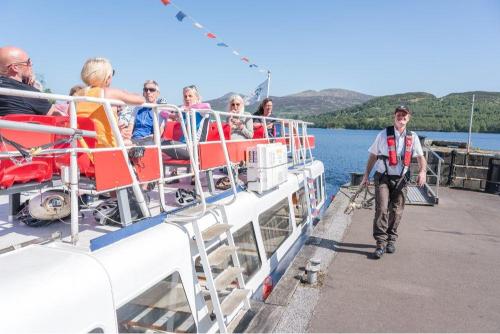
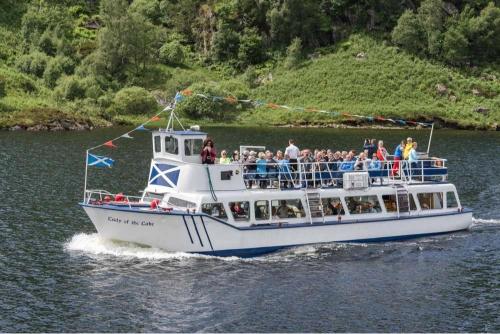
Water-based activities dominate the park’s appeal. Loch cruises depart regularly from Balloch, Luss, Tarbet, and Inveruglas, giving visitors an easy way to see the loch’s islands and shoreline without any hiking required. A standard cruise from Balloch typically runs 1 to 2 hours and costs somewhere in the range of £12 to £20 per adult, though prices vary by operator and season, so it’s worth checking current rates before you travel.
For a more active day on the water, kayak and paddleboard rentals are widely available at Loch Lomond Shores and several other launch points around the loch. Beginners should stick to calmer bays near Balloch or Luss, while more confident paddlers often head toward the quieter northern arm of the loch near Ardlui.
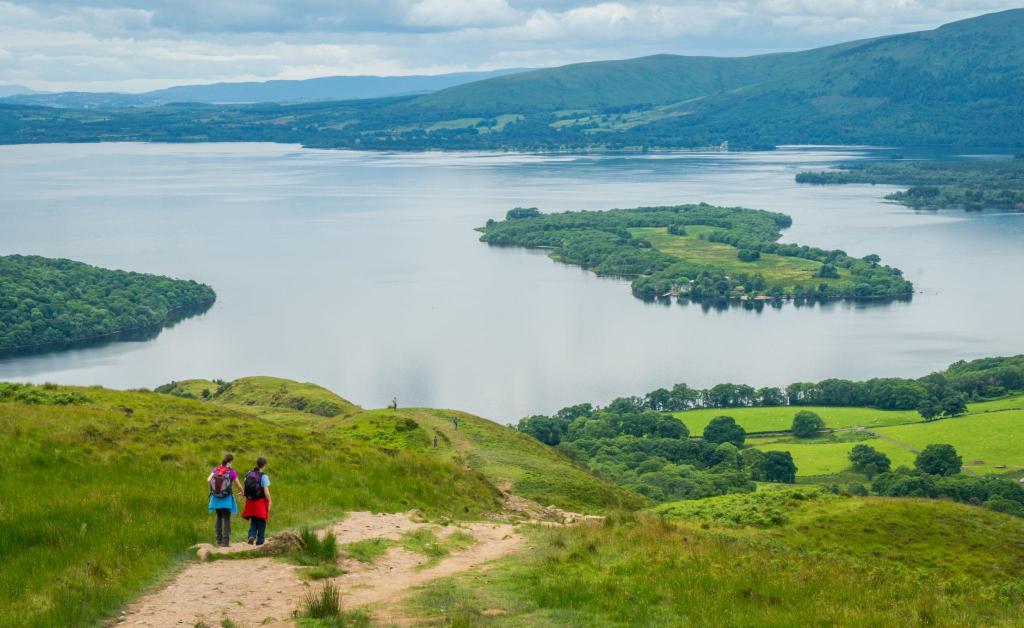
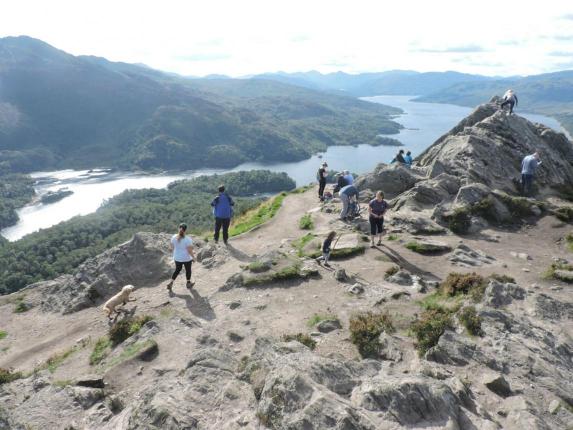
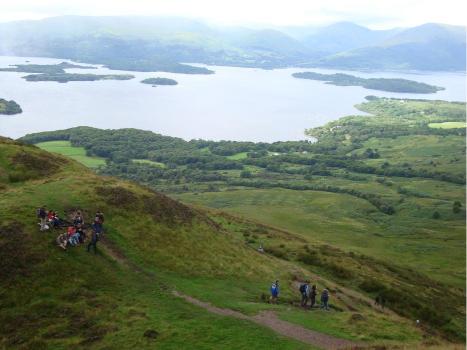
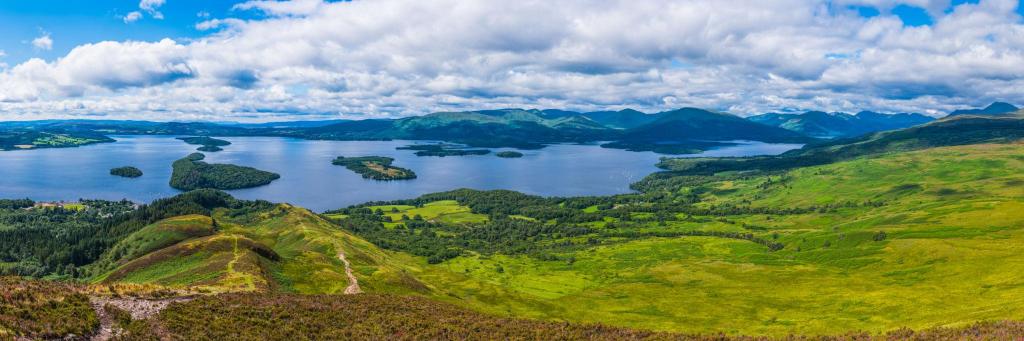
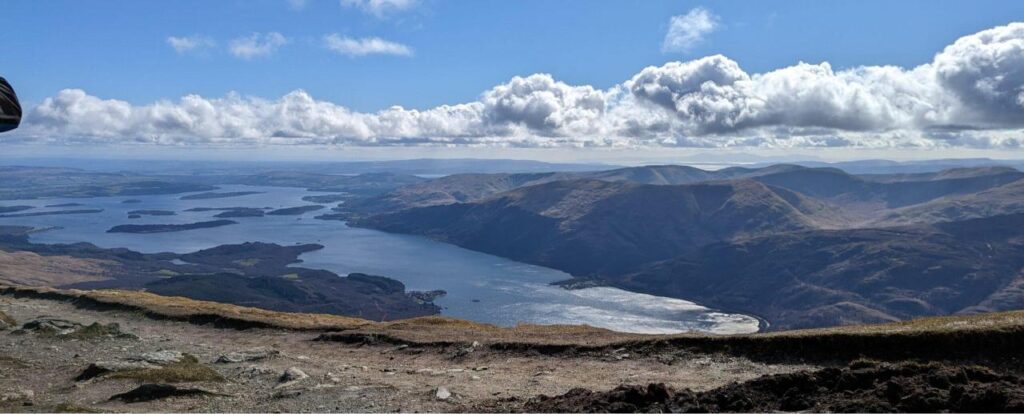
Hiking is the other cornerstone of a Loch Lomond and Trossachs visit. Conic Hill, near Balmaha, is one of the most popular short hikes in the park. It takes most walkers around 2 to 3 hours round trip and rewards you with sweeping views over the loch’s islands, which sit directly along the Highland Boundary Fault. For a bigger challenge, Ben Lomond — the most southerly Munro in Scotland — takes most hikers 5 to 7 hours round trip and demands proper footwear, layered clothing, and a realistic assessment of the weather before setting out.
Cycling routes crisscross the park, ranging from the flat, family-friendly West Loch Lomond cycle path to more demanding mountain bike trails through Queen Elizabeth Forest Park near Aberfoyle. The Three Lochs Forest Drive, a seven-mile route through peaceful woodland, is also wheelchair-accessible in parts and popular with families looking for an easy outing with a picnic.
Wildlife watching adds another layer to any visit. Red squirrels, roe deer, and ospreys are regularly spotted throughout the forested areas, and several operators run guided wildlife safaris, particularly around autumn when red deer rutting season draws photographers and nature lovers alike.
Top Attractions
Several sites within Loch Lomond and Trossachs consistently top visitor lists, and for good reason — each offers a distinct experience that captures a different side of the park’s character.
Loch Lomond Shores, located in Balloch, functions as the main gateway attraction for visitors arriving from Glasgow. It combines a retail and leisure complex with direct loch access, making it an easy first stop. Inside, the Drumkinnon Tower houses an exhibition that gives newcomers a helpful overview of the park before they head out to explore further. Water sports equipment, including kayaks, paddleboards, and pedaloes, can be hired here during the summer months.
Loch Katrine, in the heart of the Trossachs, is arguably the most romantic spot in the entire park. The historic steamship Sir Walter Scott has been sailing these waters since 1900, and a cruise here feels genuinely timeless. The loch itself is surrounded by dense forest and has supplied drinking water to Glasgow since Victorian times, which is part of why its waters remain so strikingly clear.
Inchmahome Priory, sitting on an island in the Lake of Menteith, offers one of the park’s most memorable short excursions. A small ferry carries visitors across in summer, and the ruined priory has genuine historical weight — the young Mary, Queen of Scots sheltered here in 1547 after the Battle of Pinkie. Note that the Lake of Menteith is the only body of water in Scotland officially called a “lake” rather than a loch, a quirky detail worth knowing before you visit.
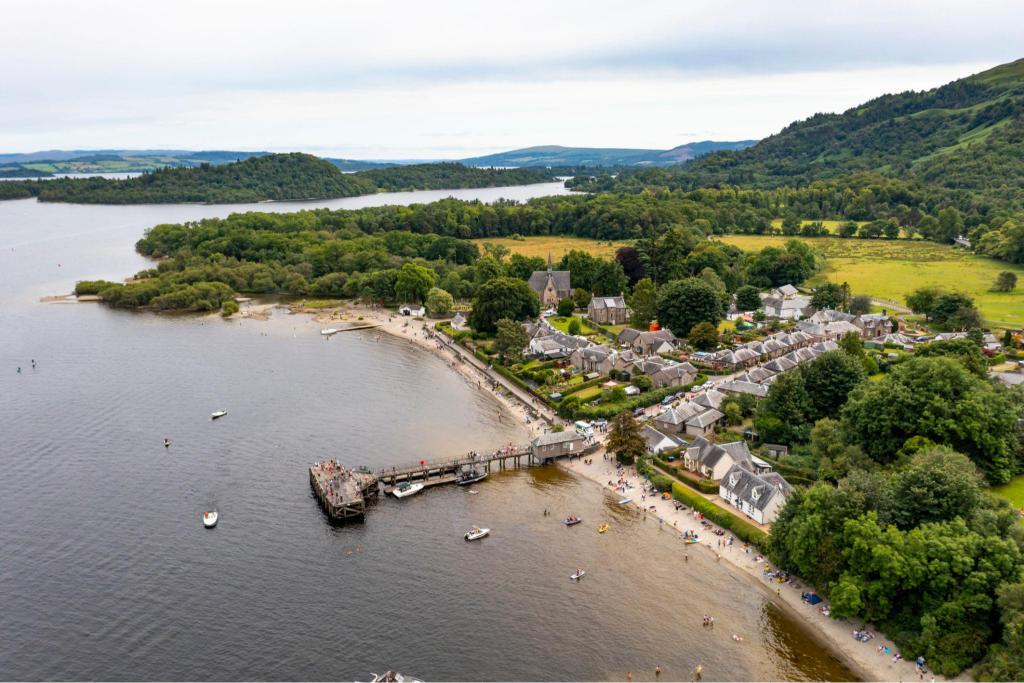
Luss village, on the western shore of Loch Lomond, is one of the most photographed spots in the park. Its rows of stone cottages and small sandy beach make it a favorite stop for road trippers, and the annual Luss Highland Gathering in July gives visitors a genuine taste of local Highland culture rather than a staged tourist event.
Benmore Botanic Garden, part of Argyll Forest Park within the wider national park boundary, greets visitors with a dramatic avenue of towering redwood trees. It’s a particularly good option on a wet day, since much of the garden can still be enjoyed under tree cover.
Duke’s Pass, the winding single-track road connecting Aberfoyle to Loch Katrine, is considered one of the best short drives in central Scotland. Cyclists rate the climb highly, and drivers should plan to stop at the viewpoints along the way rather than rushing through.
Rob Roy’s grave, in the churchyard at Balquhidder, appeals to visitors interested in Scottish history. Rob Roy MacGregor, the famous outlaw born in the Trossachs in 1671, is buried here, roughly 20 minutes north of Aberfoyle.
Hidden Gems
Beyond the well-trodden attractions, Loch Lomond and Trossachs holds a handful of spots that reward travelers willing to venture slightly off the main routes.
Loch Chon and Loch Ard, tucked into the forest west of Aberfoyle, see a fraction of the visitors that Loch Lomond itself attracts. Both offer peaceful shoreline walks and are popular wild swimming spots for those confident in cold-water swimming, alongside the Lake of Menteith.
Falls of Falloch, near the northern end of Loch Lomond, is a waterfall that most visitors driving the A82 speed straight past. A short walk from the roadside car park brings you to a genuinely dramatic cascade, and it makes an excellent quick stop if you’re driving north toward Crianlarich or beyond.
The Great Trossachs Forest, a National Scenic Area connecting Loch Katrine and Loch Achray, is one of the largest habitat restoration projects in Britain. Walking trails here wind through regenerating native woodland, and it’s a rewarding spot for anyone interested in conservation as well as scenery.
Glen Finglas, one of the park’s three main visitor centers alongside Balmaha and Duke’s Pass, offers walking trails through a landscape steeped in folklore, including a stone circle and ancient droving routes once used to move cattle across the Highlands.
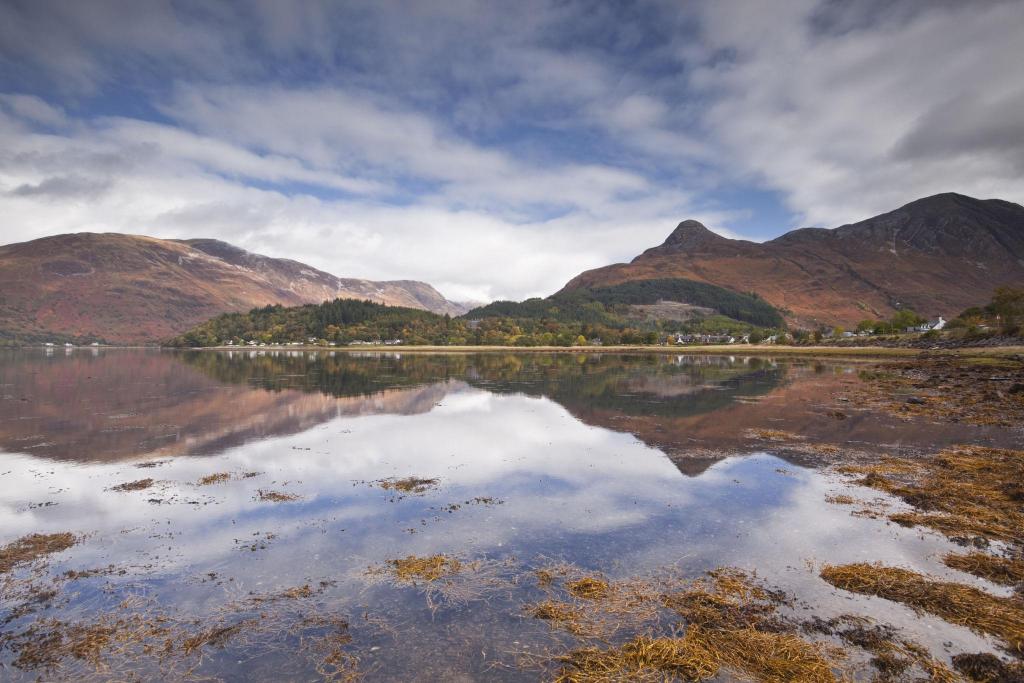
Ardlui, at the quiet northern tip of Loch Lomond, feels dramatically different from the busier southern end near Balloch. Surrounded by steep mountains, it’s a favorite for photographers seeking dramatic reflections on calm mornings, and it sees far fewer visitors simply because of the extra driving distance involved.
Insider tip: many of these quieter spots are best reached with your own car, since public transport tends to focus on the main southern gateway towns. If you’re relying on trains and buses, Balmaha and Aberfoyle are your best bets for reaching slightly less crowded corners of the park.
Best Beaches and Coastal Walks
While Loch Lomond isn’t coastal in the traditional sense, its shoreline offers several beach-like spots that draw sunbathers, paddlers, and picnickers on warm days.
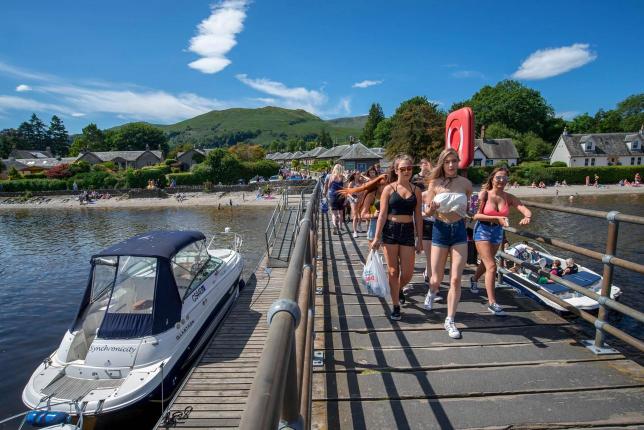
Luss Beach, the small sandy stretch beside the village, is the most popular and easiest to reach, with parking and cafés close by. It gets busy on sunny weekends, so arriving early in the day is a good strategy if you want space to spread out.
Milarrochy Bay, near Balmaha, offers a quieter alternative with a small sandy and pebbled shoreline, views across to the islands, and a nearby campsite for those wanting to stay overnight. It’s a favorite for families because the water here tends to be calmer than more exposed parts of the loch.
Firkin Point, on the western shore near Tarbet, is a lesser-known picnic and paddling spot with excellent views north up the loch. It’s rarely crowded, even in summer.
For walkers, the West Highland Way runs directly along Loch Lomond’s eastern shore for a stretch between Balmaha and Rowardennan, offering some of the most scenic lochside walking in the entire park without requiring you to tackle the full long-distance trail. Shorter sections of this path, particularly the stretch near Rowardennan, make an excellent half-day walk with views across to Ben Lomond throughout.
The Three Lochs Way, another long-distance path threading through the park, also touches several quieter shoreline sections worth exploring if you have a full day free and prefer walking to driving between viewpoints.
Local Food and Famous Specialties
Scottish hospitality shows up clearly in the food scene around Loch Lomond and Trossachs, and a trip here is a good opportunity to try dishes you won’t find as easily elsewhere.
Freshly caught loch trout and salmon appear on menus throughout the region, often smoked locally and served simply with oatcakes or in a light salad. Several restaurants in Luss and Balloch pride themselves on sourcing fish directly from Scottish waters rather than importing.
Haggis, neeps, and tatties remains the dish most visitors want to try at least once, and pubs throughout Aberfoyle and Callander do respectable versions, often with a whisky cream sauce as a modern twist on the traditional recipe.
Cranachan, a dessert combining whipped cream, toasted oats, honey, and raspberries (traditionally soaked in whisky), is a lighter, distinctly Scottish way to finish a meal, and it’s worth seeking out over a more generic dessert option.
For drinks, the region sits close enough to several distilleries that a whisky tasting makes an easy addition to a day trip. Many pubs in Aberfoyle, Callander, and Balloch stock an impressively wide range of single malts, and staff are generally happy to offer recommendations if you’re new to whisky.
Tip box: Look for cafés and pubs advertising “locally sourced” or “Scottish-farmed” ingredients — the national park has a strong community of small producers, and supporting them usually means fresher, better food than chain alternatives near the main car parks.
Budget-conscious travelers can find good fish and chips or a hearty soup-and-sandwich lunch for under £15 in most villages, while a sit-down dinner with a main course and drink typically runs £20 to £35 per person depending on the venue.
Best Time to Visit
Choosing when to visit Loch Lomond and Trossachs depends heavily on what you want from your trip, since each season brings a genuinely different character to the park.
Summer (June to August) is the most popular and most reliable season weather-wise, with daytime highs typically reaching around 19°C and long daylight hours that stretch well into the evening. This is peak season for water sports, loch cruises, and outdoor festivals, including the Luss Highland Gathering in July. The tradeoff is higher visitor numbers and increased accommodation prices, so booking several weeks ahead is wise if you’re traveling in this window.
Spring (March to May) brings the park to life with blooming flora and noticeably fewer crowds than summer. Temperatures are cooler, and rain remains a real possibility, so packing waterproof layers is essential. Spring is a particularly good time for wildlife spotting, as many species become more active after winter.
Autumn (September to November) transforms the woodlands into rich shades of orange and red, and this is considered by many photographers to be the most visually dramatic season. Average temperatures drop from around 16°C in September to 9°C in November. It’s also an excellent time to spot red deer during the rutting season on guided wildlife walks.
Winter (December to February) is the quietest season, with cold, often wet conditions and shorter daylight hours. However, clear winter days offer some of the most striking photography opportunities in the park, particularly for scenic flights and snow-capped mountain views. Loch Lomond Shores remains open year-round and provides a reliable indoor option if the weather turns.
Comparison Table: Seasons at a Glance
| Season | Avg. High Temp | Crowd Levels | Best For |
|---|---|---|---|
| Summer (Jun–Aug) | ~19°C | High | Water sports, festivals, long days |
| Spring (Mar–May) | ~12–15°C | Low–Moderate | Wildlife, blooming scenery, fewer crowds |
| Autumn (Sep–Nov) | ~9–16°C | Moderate | Foliage, photography, deer rutting |
| Winter (Dec–Feb) | ~5–9°C | Low | Quiet trails, snow scenery, scenic flights |
If you want warm weather and a lively atmosphere, aim for June or July. If you’d rather avoid crowds and don’t mind cooler temperatures, late September into October offers a strong balance of good scenery and manageable visitor numbers.
Where to Stay
Loch Lomond and Trossachs offers accommodation options ranging from luxury lochside resorts to simple guesthouses and campsites, spread across several distinct base towns.
Balloch works well as a base for visitors without a car, thanks to its direct train connection to Glasgow and proximity to Loch Lomond Shores. It has a good mix of mid-range hotels and self-catering apartments, and it puts you closest to loch cruises and family attractions.
Luss offers a more picturesque, slower-paced base, with charming guesthouses and cottage rentals right in the heart of the village. It suits couples and travelers prioritizing atmosphere over convenience, though options here fill up quickly in summer.
Aberfoyle serves as the natural base for exploring the Trossachs side of the park, including Loch Katrine and Duke’s Pass. It has a solid range of hotels, B&Bs, and outdoor gear shops, making it popular with hikers and cyclists.
Callander, just outside the park’s eastern boundary, is a larger town with more restaurant and accommodation variety, and it works well as a base for those also planning to visit Stirling or the wider central Scotland region.
For a real splurge, resorts along the loch’s western shore offer spa facilities and private loch access, typically in the £150 to £300+ per night range. Mid-range hotels and guesthouses across the park generally fall between £80 and £150 per night, while camping and hostel options can bring costs down to £15 to £40 per night for budget travelers.
Quick Facts Box: Where to Stay
- Best for public transport access: Balloch
- Best for scenery and atmosphere: Luss
- Best for hiking and cycling: Aberfoyle
- Best for wider Scotland day trips: Callander
How to Get There
Reaching Loch Lomond and Trossachs is straightforward from Scotland’s major cities, with several transport options depending on your budget and flexibility.
By train: Balloch is roughly 45 minutes from Glasgow Central via regular ScotRail services, making it the easiest car-free entry point into the park. From Balloch, local buses and the seasonal Trossachs Trundler connect to other villages, though service frequency drops outside peak summer months.
By car: Driving from Glasgow to Balloch takes about 30 to 45 minutes via the A82, and this is the most flexible way to explore the wider park, particularly if you want to reach quieter spots like Ardlui or the Duke’s Pass viewpoints. From Edinburgh, expect a drive of around 1.5 hours.
By bus: Scottish Citylink and local bus operators run services from Glasgow and Edinburgh into the park, though journey times are longer than driving and routes are more limited outside the main tourist season.
Getting around within the park: A car offers the most freedom, especially for reaching Aberfoyle, Loch Katrine, and the northern shore villages. Cyclists can also cover meaningful ground using the West Loch Lomond cycle path. If you’re relying on public transport, plan your route in advance, since some of the most scenic spots have limited or seasonal-only bus service.
Accessibility note: Loch Lomond Shores, the Three Lochs Forest Drive, and several visitor centers offer wheelchair-accessible paths and facilities, though many of the park’s hiking trails involve uneven or steep terrain not suitable for wheelchairs or limited-mobility visitors.
Sample 2-Day Itinerary
Day 1: Balloch and the Southern Loch
Start the morning at Loch Lomond Shores in Balloch, visiting the Drumkinnon Tower exhibition to get an overview of the park before heading out. Mid-morning, take a loch cruise departing from Balloch (allow 1–2 hours). After lunch at one of Balloch’s lochside cafés, drive or take a local bus to Luss for the afternoon, exploring the village, its beach, and the small church near the shore. If you have energy left, a short walk along the West Highland Way near Balmaha as the sun lowers offers excellent photography light. Overnight in Balloch or Luss.
Day 2: The Trossachs and Loch Katrine
Head to Aberfoyle in the morning and drive Duke’s Pass toward Loch Katrine, stopping at the viewpoints along the way. At Loch Katrine, take a cruise on the Sir Walter Scott steamship or rent a bike to ride the loch-side trail. In the afternoon, visit Inchmahome Priory via the Lake of Menteith ferry if it’s operating, or alternatively explore Queen Elizabeth Forest Park’s trails near Aberfoyle. Finish the day with dinner in Aberfoyle before heading back toward Glasgow or onward to your next Scotland destination.
This itinerary covers the park’s essential highlights while leaving room to slow down if something catches your interest along the way. Travelers with a third day often add a Ben Lomond hike or a deeper exploration of the northern shore around Ardlui.
Travel Tips
- Pack for four seasons in one day. Scottish weather changes quickly, even in summer. A waterproof jacket is non-negotiable regardless of when you visit.
- Book loch cruises in advance during summer. Popular sailings from Balloch and Loch Katrine can sell out on weekends in July and August.
- Bring cash for smaller villages. While most attractions accept cards, some smaller cafés and farm shops in the Trossachs still prefer cash.
- Watch for ticks in wooded areas. Wear long sleeves and trousers when hiking through woodland, and check yourself after walks, since ticks in the park can carry Lyme disease.
- Respect livestock and wildlife. Sheep and farm animals roam freely across much of the park; keep dogs under control and give birds and nesting sites a wide berth, as disturbing them is a punishable offense.
- Photography tip: Early morning offers the calmest water for reflection shots, particularly around Luss and Ardlui, while golden hour on Conic Hill delivers dramatic light over the islands.
- Solo traveler note: Balloch and Aberfoyle both have a good number of budget-friendly hostels and guesthouses, and public transport makes solo exploration manageable without a car.
- Family tip: Loch Lomond Shores’ Sea Life Centre and playpark are reliable options for keeping younger children entertained on a rainy day.
Nearby Places to Visit
If you have extra time, several notable destinations sit within easy reach of Loch Lomond and Trossachs, making it easy to combine with a broader Scotland trip.
Stirling, roughly 30 minutes from Aberfoyle, is home to Stirling Castle and the William Wallace Monument, and it makes a natural add-on given the Trossachs route already passes close by.
Glasgow, about 45 minutes from Balloch, offers a strong contrast to the park’s quiet landscapes, with excellent museums, restaurants, and a lively cultural scene.
Glencoe and the wider Highlands sit a couple of hours further north, and many visitors combine a Loch Lomond and Trossachs visit with a longer Highlands road trip heading toward Fort William or Skye.
Argyll Forest Park, part of the same national park boundary to the west, includes Benmore Botanic Garden and offers a quieter, less-visited extension of the trip for those with an extra day.
Frequently Asked Questions
Is Loch Lomond worth visiting? Yes. As Scotland’s first national park, it combines accessible transport links with genuinely dramatic scenery, historic sites, and a wide range of activities suited to families, couples, and solo hikers alike.
How many days do you need for Loch Lomond and Trossachs? Two days covers the main highlights comfortably, but three to four days allows time for a Munro hike, deeper exploration of the Trossachs, and a slower pace overall.
Can you visit Loch Lomond without a car? Yes, particularly the southern end around Balloch, which has direct train service from Glasgow. Reaching Aberfoyle and the Trossachs without a car is possible but requires more planning around seasonal bus schedules.
What is the closest city to Loch Lomond? Glasgow is the closest major city, roughly 45 minutes away by train or car, making it the most common gateway for day trips and longer stays.
Is Loch Lomond the largest loch in Scotland? Yes, Loch Lomond is the largest inland loch in Scotland and Great Britain by surface area, though Loch Ness holds more water by volume due to its greater depth.
What is the best month to visit Loch Lomond? June and July generally offer the warmest, driest conditions, while September and October provide excellent scenery with fewer crowds.
Are dogs allowed in Loch Lomond and Trossachs National Park? Yes, dogs are welcome across most of the park, though they must be kept under control at all times, particularly around livestock and nesting birds.
What is the difference between Loch Lomond and the Trossachs? Loch Lomond refers specifically to the loch and its surrounding shoreline, while the Trossachs refers to the forested hills and smaller lochs to the east, including Loch Katrine. Both fall within the same national park.
Can you swim in Loch Lomond? Yes, wild swimming is popular, particularly at the Lake of Menteith and Loch Chon, though the water remains cold year-round, so appropriate preparation is recommended.
Is Loch Katrine worth visiting alongside Loch Lomond? Yes, Loch Katrine offers a quieter, more forested atmosphere than Loch Lomond and is home to the historic Sir Walter Scott steamship, making it a worthwhile addition to any Trossachs itinerary.
Conclusion
Few destinations in Scotland offer the same balance of accessibility and genuine wilderness as Loch Lomond and Trossachs. Whether you’re cruising across Loch Katrine on a century-old steamship, watching the sunrise over Luss from a quiet stone beach, or catching your breath at the summit of Conic Hill, this national park rewards both quick day trips and slower, multi-day explorations in equal measure.
Use the itinerary and tips in this guide as a starting point, but don’t be afraid to slow down and follow your own curiosity — some of the best moments here come from the unplanned stops along a quiet forest road or an empty lochside path. However you choose to experience Loch Lomond and Trossachs, it’s a trip that tends to stay with travelers long after they’ve left Scotland behind.