
Table of Contents
Isle of Arran Scotland
The Isle of Arran sits in the Firth of Clyde, close enough to Glasgow for a day trip yet varied enough to fill a week. Locals often call it “Scotland in miniature,” and the description holds up: rugged granite peaks rise in the north, gentler farmland and forest spread across the south, and a single coast road links fishing villages, a working distillery, and one of the most photographed castles on the west coast. For a visitor deciding where to go in western Scotland without committing to a long ferry crossing to the Hebrides, Arran offers a condensed version of the country’s landscapes in a single, easily reached island.
This guide covers what actually matters for planning a visit to the Isle of Arran: how to get there, where the best walks and viewpoints are, when to go, where to stay, and what to eat once you arrive. Whether the plan is a single day exploring Brodick and the coast road or a longer stay based in one of the smaller villages, the aim here is practical, accurate information rather than a list of superlatives. Arran rewards travellers who take their time, so this article also flags where to slow down and where the crowds tend to gather.
Why Visit Arran, Scotland?
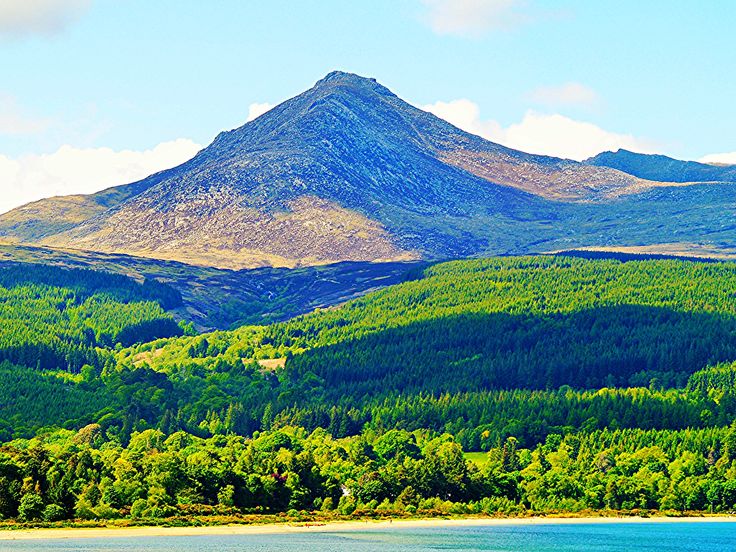
Arran packs an unusual range of scenery into roughly 20 miles of length. The northern half is dominated by granite mountains, including Goatfell, while the south is lower, greener, and dotted with standing stones and farmland. This geological boundary — part of the Highland Boundary Fault — is one reason the island is nicknamed Scotland in miniature, since it shows both Highland and Lowland landscapes within a short drive.
Beyond the scenery, Arran has a genuine year-round community rather than feeling purely seasonal, with working farms, a distillery, and fishing boats still active in villages like Lamlash. Wildlife is another draw: red deer are common in Glen Rosa and Glen Sannox, golden eagles nest in the northern hills, and seals and otters can be spotted along the coast. For travellers who want mountains, castles, coastline, and a dram of whisky without island-hopping across multiple ferries, Arran condenses the best of the west coast into one manageable trip.
Best Things to Do on the Isle of Arran
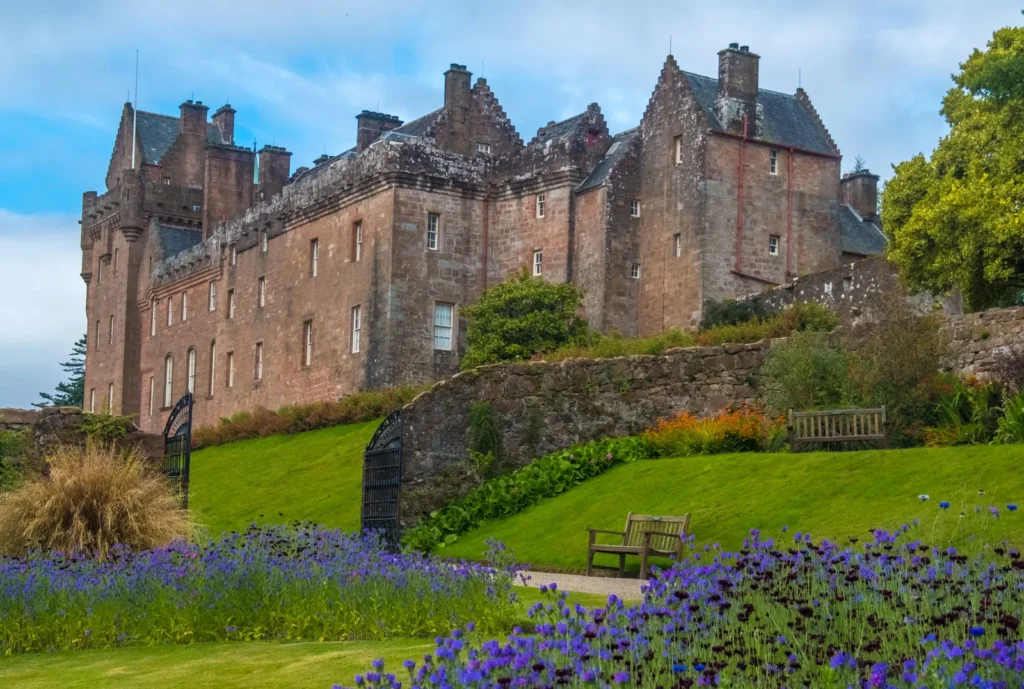
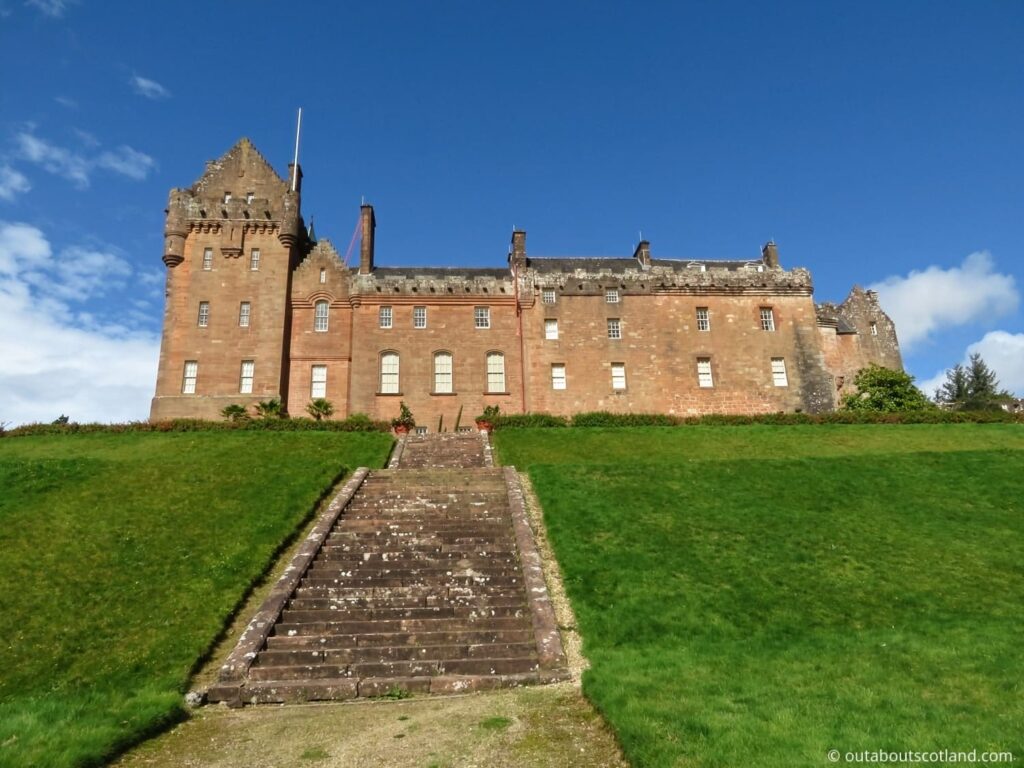
Brodick Castle and Country Park is usually the first stop, with its red sandstone walls, walled garden, and views over Brodick Bay to Goatfell. The Arran Distillery in Lochranza offers tours explaining how the island’s single malt is made, using water drawn from Loch na Davie. Machrie Moor’s standing stone circles, reached by a flat walk across open moorland, are among the most atmospheric prehistoric sites in Scotland and far quieter than similar sites elsewhere.
Cycling the String Road, which cuts across the island between Brodick and Blackwaterfoot, gives a fast introduction to Arran’s changing landscape in one route. The Arran Heritage Museum near Brodick fills in the island’s social history, from crofting to wartime use. For a slower day, the Isle of Arran Cheese Shop and nearby farm shops make a good stop between sightseeing, and the harbour at Lamlash is a pleasant spot to watch boats without needing a fixed itinerary.
Best Walks and Hikes on Arran
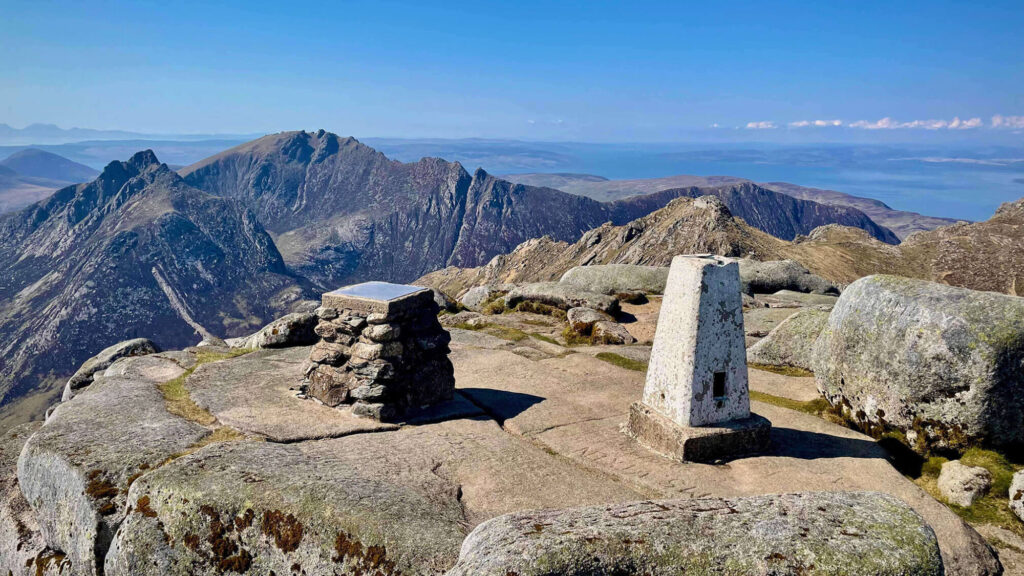
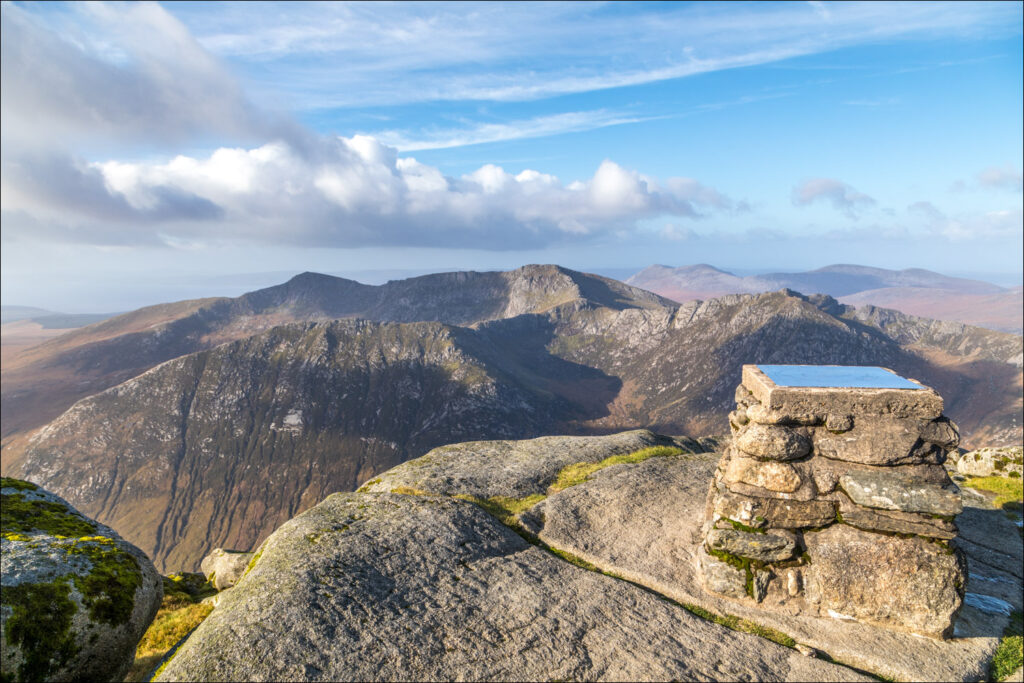
Goatfell is Arran’s signature walk and its highest point at 874 metres, classified as a Corbett. The most common route starts near Brodick Castle and follows a well-marked path roughly 5km to the summit, with views stretching to Northern Ireland on a clear day; a shorter, steeper alternative climbs from the village of Corrie. Full return walks typically take six to eight hours depending on fitness and weather, and conditions at the top can change quickly, so proper footwear and layers matter even in summer.
For something less strenuous, the Glen Rosa valley walk offers dramatic mountain scenery on relatively flat ground, and can be combined with Goatfell as a longer loop for experienced walkers. The Cock of Arran coastal path in the north passes raised beaches and geological features without the elevation gain of the central peaks. The Arran Coastal Way circles the entire island for those wanting a multi-day route, broken into manageable daily sections through villages with accommodation.
Best Time to Visit Arran
Late spring through early autumn (May to September) gives the most reliable weather and the longest daylight for hiking, though this is also when accommodation and ferries book up fastest. Midges, common across the Scottish west coast, are most active in still, humid conditions from June to August, so repellent is worth packing regardless of season.
Winter brings quieter villages and lower prices, but shorter days limit how much walking is realistic, and higher routes like Goatfell should only be attempted with proper winter hillwalking experience and equipment. Spring and early autumn strike a reasonable balance: fewer crowds than peak summer, generally settled weather, and the moorland and hillsides showing seasonal colour. Whatever the season, Arran’s weather can shift quickly, so checking a short-range forecast the morning of any hike is sensible.
How to Get to the Isle of Arran
Caledonian MacBrayne (CalMac) operates the main car ferry route between Ardrossan on the Ayrshire coast and Brodick, Arran’s largest village, with a crossing time of around 55 minutes and several sailings a day depending on the season. Ardrossan is roughly a 45-minute drive from Glasgow, making Arran genuinely accessible as a day trip, though an overnight stay allows far more time to explore. A smaller, seasonal ferry links Lochranza in the north of Arran with Claonaig on the Kintyre peninsula in summer, switching to Tarbert in winter — useful for travellers continuing on to Kintyre or Islay rather than backtracking through Ardrossan.
Booking the Ardrossan–Brodick crossing in advance is worth doing during summer weekends and school holidays, since it is one of CalMac’s busiest routes and can sell out for vehicles. Once on the island, a single road loops around the coastline, so a car or bicycle makes exploring considerably easier than relying on the limited bus service, though buses do connect the main villages for those without their own transport.
Where to Stay on Arran
Brodick is the natural base for a first visit, sitting near the ferry terminal with the widest choice of hotels, guesthouses, and self-catering cottages, plus easy access to Goatfell and Brodick Castle. Lamlash, a few miles south, offers a quieter harbour setting with sea views and is well placed for walks toward Holy Isle. For a base closer to the whisky distillery and the island’s wilder northern scenery, Lochranza has smaller guesthouses and a campsite, though options are more limited and worth booking ahead in peak months.
Blackwaterfoot and the southern villages suit travellers prioritising the standing stones at Machrie Moor and quieter beaches over proximity to Brodick’s amenities. Campsites are available at several points around the island for those travelling with tents or campervans, and wild camping is permitted under Scotland’s outdoor access code where done responsibly.
Food and Drink on the Isle of Arran
The Arran Distillery in Lochranza is the island’s best-known producer, making single malt whisky since the mid-1990s using water from Loch na Davie; a second distillery, Lagg, opened in the south of the island and now produces the peated expression that was originally made at Lochranza. Both offer tours and tastings, and visiting one alongside a walk in the surrounding area makes a natural half-day combination.
Local produce is a strong feature of Arran’s food scene, with the Isle of Arran Cheese Shop, Arran Brewery, and various farm shops supplying restaurants and cafes across the island. Seafood features heavily given Arran’s coastal location, with fresh landings available in several village restaurants, particularly around Lamlash and Whiting Bay. Smaller cafes in Brodick and Lochranza make convenient stops before or after a hike, though it’s worth checking opening hours outside peak season, as some businesses reduce days in winter.
FAQ
Is Arran worth visiting?
Yes — it combines mountains, castles, a distillery, and coastal villages in a small area, making it accessible for both day trips from Glasgow and longer stays without the longer ferry journeys some Hebridean islands require.
How do you get to the Isle of Arran?
The main route is the CalMac car ferry from Ardrossan to Brodick, taking about 55 minutes. A smaller seasonal ferry also links Lochranza to Claonaig (or Tarbert in winter) on the Kintyre peninsula.
How long do you need on Arran?
A day trip covers Brodick, the castle, and a short walk, but two to four days allow time for Goatfell, the distillery, Machrie Moor, and the quieter southern villages without rushing.
Is Goatfell hard to climb?
Goatfell is a substantial hillwalk at 874 metres, typically taking six to eight hours return, with a well-marked main path from Brodick Castle. It’s considered moderate for a fit walker but should be treated seriously in poor weather.
Can you take a car to Arran?
Yes, the Ardrossan–Brodick ferry carries vehicles, and having a car makes it far easier to reach the distillery, Machrie Moor, and villages spread around the island’s single coast road.
Conclusion
The Isle of Arran earns its “Scotland in miniature” reputation by fitting granite peaks, a working whisky distillery, a coastal castle, and quiet fishing villages into an island that’s reachable within a day from Glasgow. Goatfell draws the hikers, Brodick Castle and Machrie Moor draw the history-minded, and the coast road ties it all together for anyone happy to explore at a slower pace. Booking the Ardrossan–Brodick ferry ahead of time, especially in summer, is the main practical step worth taking before arrival. Beyond that, Arran rewards a flexible plan more than a packed itinerary — a few well-chosen days here, split between a mountain walk, a distillery visit, and time on the coast, gives a genuine sense of why the island keeps drawing visitors back.