
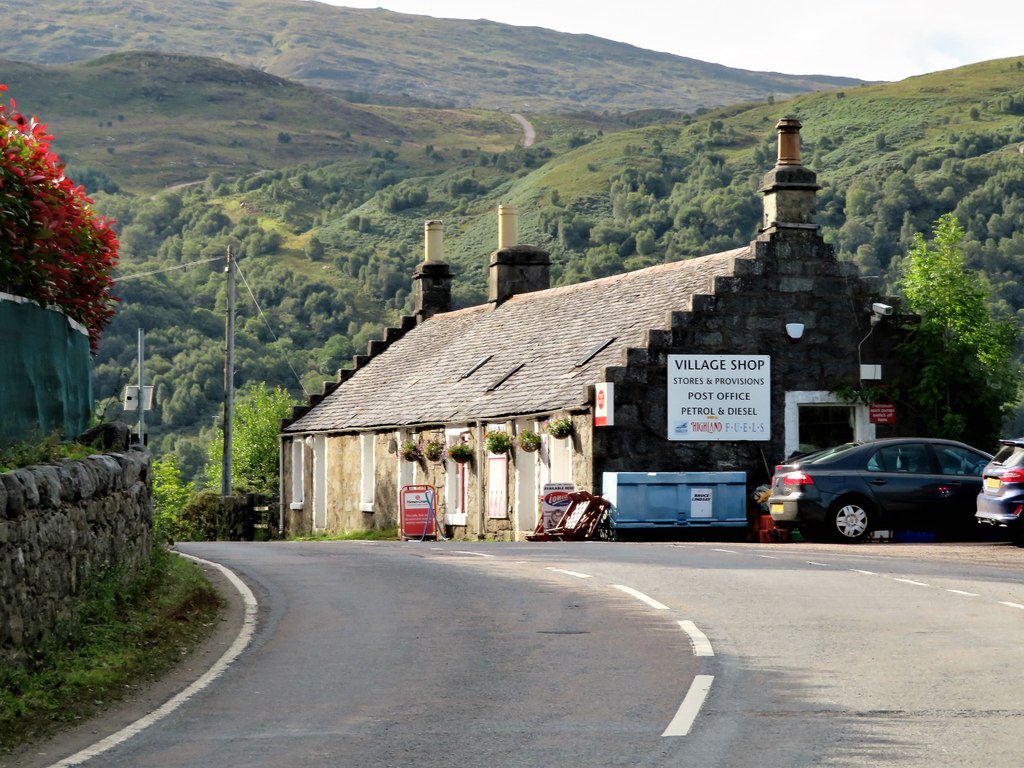
Table of Contents
Loch Sunart
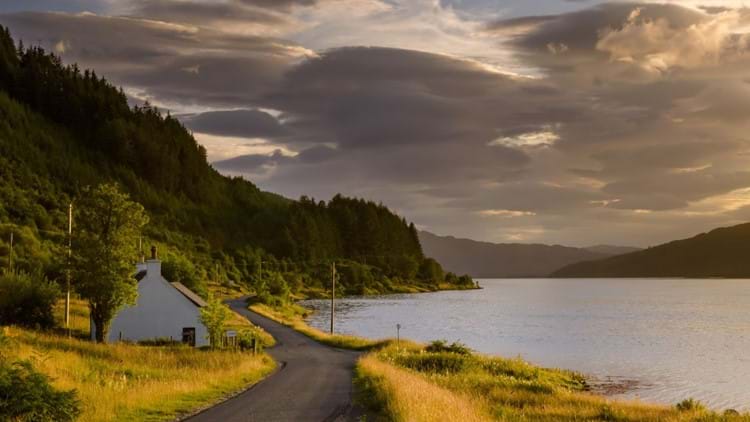
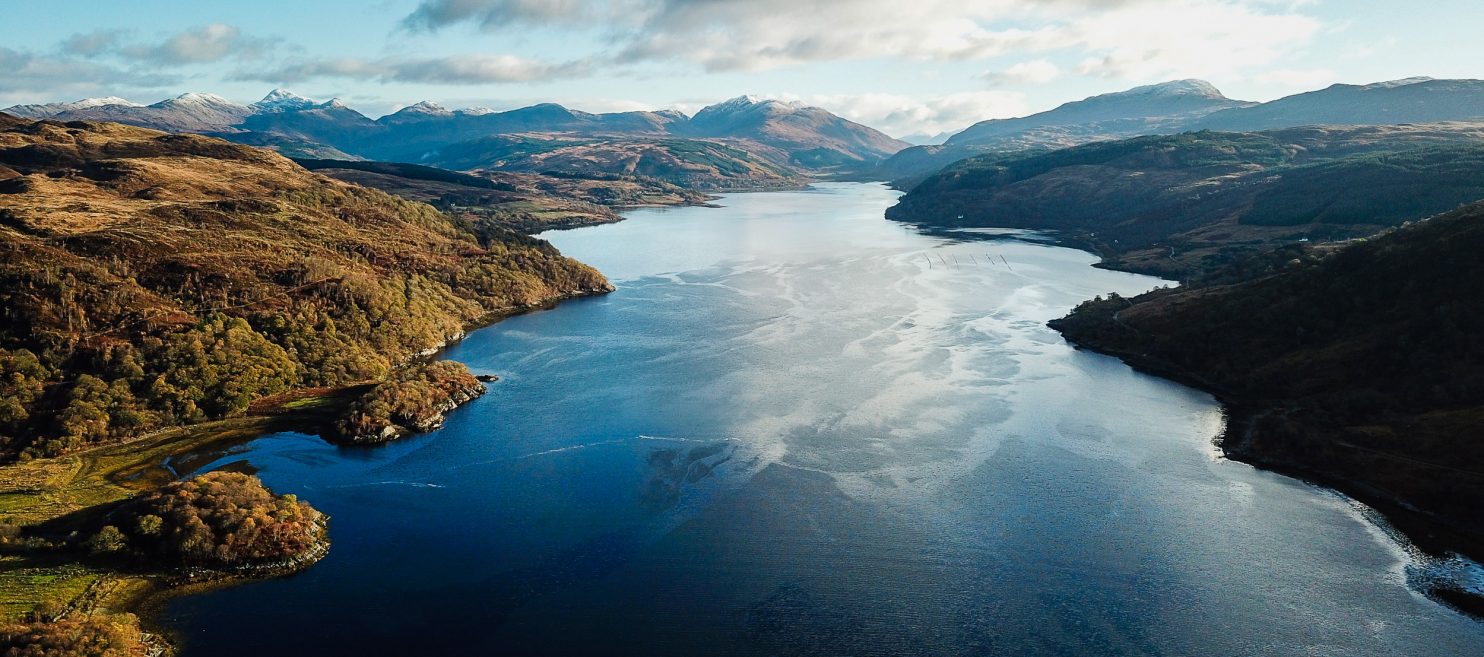
Loch Sunart stretches for around 19 miles along the boundary between the Ardnamurchan and Morvern peninsulas in the west of the Scottish Highlands, making it one of the longest sea lochs in the country. Unlike some of Scotland’s more heavily visited lochs, Sunart has kept a slower, quieter character, with narrow single-track roads, scattered crofting communities, and long stretches of shoreline where the loudest sound is often an oystercatcher or a distant chainsaw clearing a fallen branch.
The loch is best known for its ancient oakwoods, which form one of the largest remaining fragments of Atlantic oak woodland in Britain, and for its resident and visiting wildlife, including otters, seals, and white-tailed eagles. Villages such as Strontian, Salen, and Resipole sit along its shores, offering places to break a journey, refuel, or launch a walk into the surrounding hills.
This guide covers what makes Loch Sunart worth visiting, the best walks and viewpoints, how to reach it, where to stay nearby, and practical details for anyone planning a trip into this part of the West Highlands. Because the roads here are narrow and services are limited, a little preparation goes a long way, and this article sets out what travellers need to know before setting off.
Why Visit Loch Sunart?
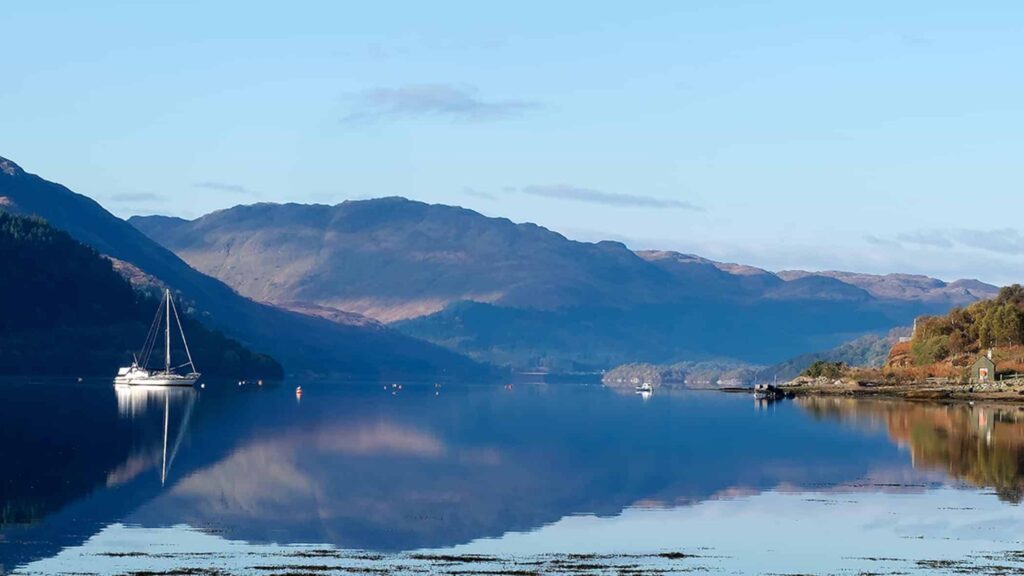
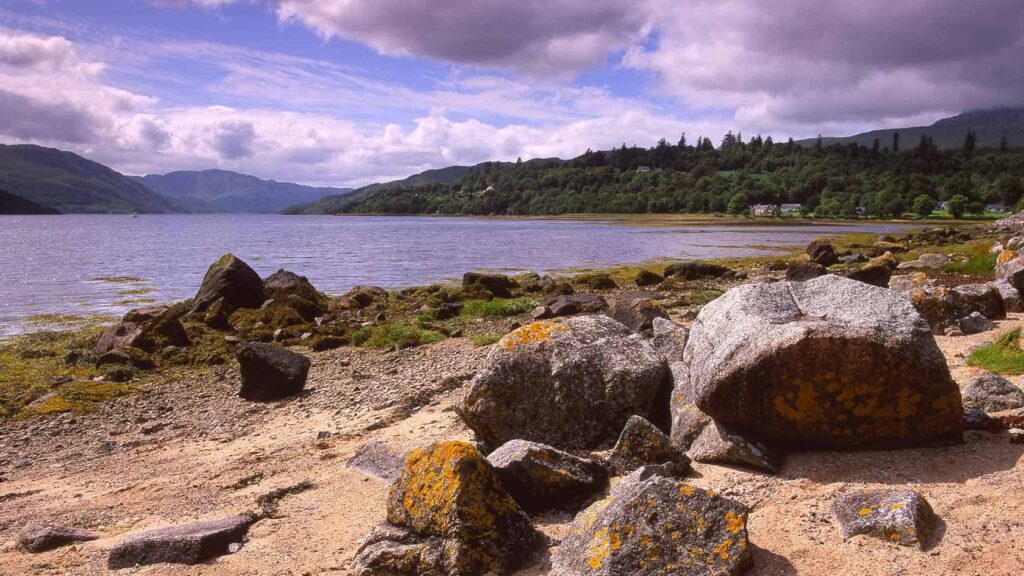
Loch Sunart offers a version of the Highlands that feels less curated than many of Scotland’s better-known routes. The scenery is dramatic without being overwhelming: wooded slopes drop straight into the water, small islands and skerries dot the loch, and the surrounding hills of Ardnamurchan and Morvern rise steeply on either side. There are few crowds, even in summer, and the pace of travel is naturally slow because of the single-track roads.
For travellers interested in nature, the loch is one of the more reliable places in Scotland to spot otters from the shoreline, particularly around dawn or dusk. The ancient oakwoods along its northern side are internationally recognised for their lichens and mosses, a sign of exceptionally clean air. Combined with easy access to Ardnamurchan Point, the westernmost point of the British mainland, Loch Sunart works well as either a standalone destination or part of a wider peninsula tour.
Best Things to Do Around Loch Sunart
Much of the appeal of Loch Sunart lies in slow, low-key activities rather than headline attractions. Wildlife watching is a major draw, with boat trips available from villages such as Salen or Tobermory (on nearby Mull) offering closer views of otters, seals, and seabirds. Kayaking and canoeing are popular ways to explore the sheltered waters near the shore, particularly around the many small bays and inlets.
Ariundle Oakwood National Nature Reserve, near Strontian, is one of the loch’s best-known attractions, with waymarked trails through ancient woodland alongside the Strontian River. Fishing, both sea angling and freshwater fishing in nearby lochs and rivers, is available locally, though visitors should check current permit requirements. For those interested in geology and mining history, Strontian’s old lead mines are linked to the discovery of the element strontium, and some remnants of the mining landscape can still be explored on foot.
Best Walks and Hikes
Ariundle Oakwood offers one of the most accessible and rewarding walks in the area, following a well-maintained path through ancient oak woodland with the chance to see rare lichens, mosses, and, with luck, pine martens or red squirrels. The walk is suitable for most fitness levels and can be extended by continuing further into the surrounding hills for those wanting a longer route.
For more challenging routes, the hills above Strontian and around Ariundle offer hillwalking with views back over the loch, though these require appropriate navigation skills and hiking experience. Further west, the wider Ardnamurchan peninsula has additional walking routes, including coastal paths near Ardnamurchan Point. As with much of the West Highlands, weather can change quickly, so walkers should check forecasts and come prepared with suitable footwear and clothing regardless of the season.
Best Time to Visit
Spring and early summer, roughly April to June, are popular times to visit Loch Sunart, when the oakwoods come into leaf, wildflowers appear along the trails, and daylight hours are long. This period also tends to have fewer midges than high summer, which can be a significant factor for anyone planning to walk or camp in the area.
Late summer into autumn brings changing colours in the woodland and can still offer good wildlife-watching conditions, though visitors should be prepared for midges in calm, humid weather, especially near water and woodland. Winter visits are quieter still, with shorter days and a higher chance of poor weather affecting road conditions on the single-track routes, so this season suits those specifically seeking solitude and are comfortable with more limited daylight and services.
How to Get There
Loch Sunart sits within the Ardnamurchan and Sunart area of the Scottish Highlands, reached mainly via the A861 and A884 roads, much of which are single-track with passing places. The most common approach is from Fort William, heading west via Corran Ferry across Loch Linnhe, then following the road through Strontian and along the loch’s northern shore.
There is no direct rail service into the immediate Sunart area; the nearest stations are on the West Highland Line, with Fort William being the most practical hub for onward road travel. Public transport options such as local buses do serve some villages, but services can be infrequent, so a car is the most flexible way to explore at your own pace. Given the narrow roads, drivers should allow more time than distances suggest and use passing places courteously.
Where to Stay
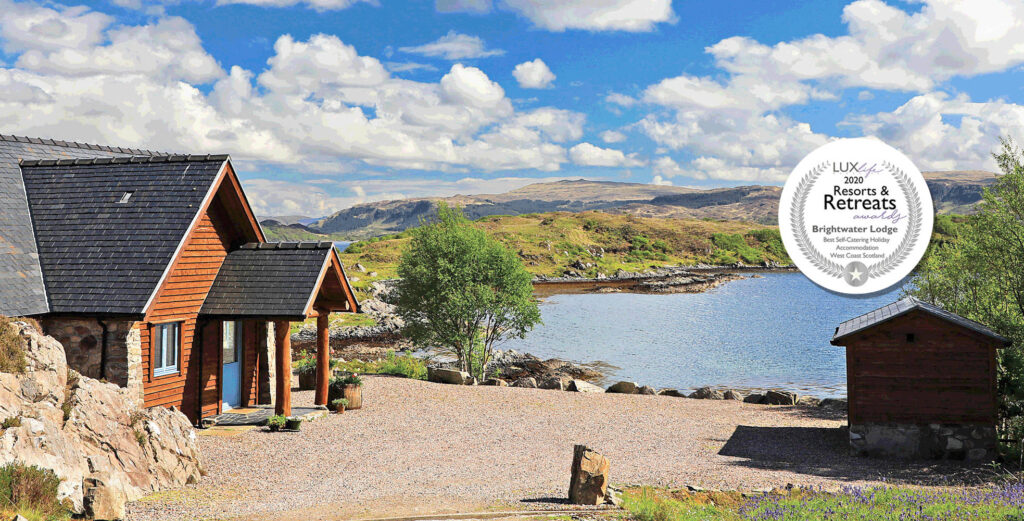
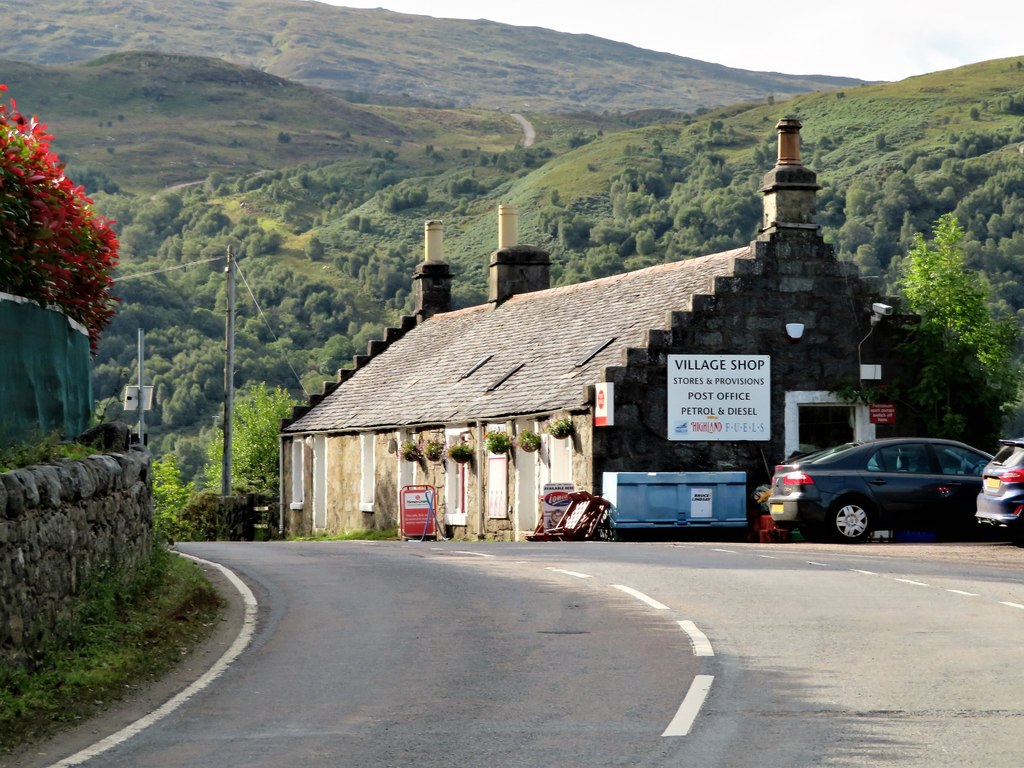
Accommodation around Loch Sunart tends to be small-scale, matching the low-key character of the area. Strontian, Salen, and Resipole all have a mix of guesthouses, bed and breakfasts, and self-catering cottages, many with loch views. Camping and caravan sites are available at a few locations along the shore, offering a more immersive way to experience the surroundings, particularly for those interested in early morning wildlife watching.
Fort William, roughly 40 minutes to an hour away depending on route and ferry timings, offers a wider range of hotels and larger self-catering options for travellers who prefer a bigger town base with more amenities, while still allowing day trips out to the loch. Booking ahead is advisable in peak summer months, as the number of rooms in the immediate area is limited compared to more established tourist towns.
Nearby Places and Practical Tips
Loch Sunart connects naturally to wider exploration of the Ardnamurchan peninsula, including Ardnamurchan Point and its lighthouse, as well as routes toward Morvern to the south. Ferries from nearby Mull and connections toward Skye make it possible to combine a Sunart visit with a broader West Highlands itinerary for those with more time.
Practical considerations include limited mobile phone signal in parts of the area, particularly in glens and along the loch shore, so downloading maps in advance is worthwhile. Fuel stations and shops are limited to the main villages, so it’s sensible to fill up and stock up before setting off on longer stretches of road. Midge repellent is worth carrying between late spring and early autumn, and waterproof clothing is recommended year-round given the changeable Highland weather.
| Information | Details |
|---|---|
| Best time to visit | Spring to early summer for fewer midges and fresh woodland growth |
| Typical visit length | Half a day to several days, depending on activities |
| Best for | Wildlife watching, quiet walking, scenic driving |
| Roads | Mostly single-track with passing places |
| Nearest transport hub | Fort William, via Corran Ferry |
FAQ
Is Loch Sunart worth visiting?
Yes, particularly for travellers interested in wildlife, ancient woodland, and quieter Highland scenery away from busier tourist routes. It suits slower-paced trips involving walking, wildlife watching, and scenic driving rather than headline attractions.
Can you see otters at Loch Sunart?
Otters are regularly seen along the loch’s shoreline, especially early morning or evening. Sightings aren’t guaranteed, as they depend on tides, weather, and luck, but the calm, sheltered waters make it one of Scotland’s better otter-watching locations.
How do you get to Loch Sunart without a car?
Public transport is limited, with local buses serving some villages infrequently. Most visitors travel by car via Fort William and the Corran Ferry, as this offers far more flexibility on the area’s single-track roads.
Is Ariundle Oakwood suitable for families?
The main path through Ariundle Oakwood is well-maintained and suitable for most family groups, though sturdy footwear is recommended as sections can be muddy. Adult supervision is advised near the river and steeper woodland edges.
Are there midges at Loch Sunart?
Midges can be present, particularly in calm, humid conditions from late spring through early autumn. They are less of an issue in windy weather or during spring and early summer, so timing and repellent both help.
Conclusion
Loch Sunart rewards travellers looking for a slower, more immersive side of the Scottish Highlands. Between the ancient oakwoods at Ariundle, reliable otter-watching opportunities, and the quiet villages of Strontian and Salen, it offers a genuine sense of remoteness without being difficult to reach from Fort William. The single-track roads and limited services mean some planning is needed, but that same lack of development is exactly what keeps the area peaceful. Whether combined with a wider Ardnamurchan tour or visited on its own, Loch Sunart is well suited to travellers who want walking, wildlife, and scenery over crowds and convenience. Plan around the seasons, pack for changeable weather, and allow extra time for the roads.