
Table of Contents
Portmeirion Wales
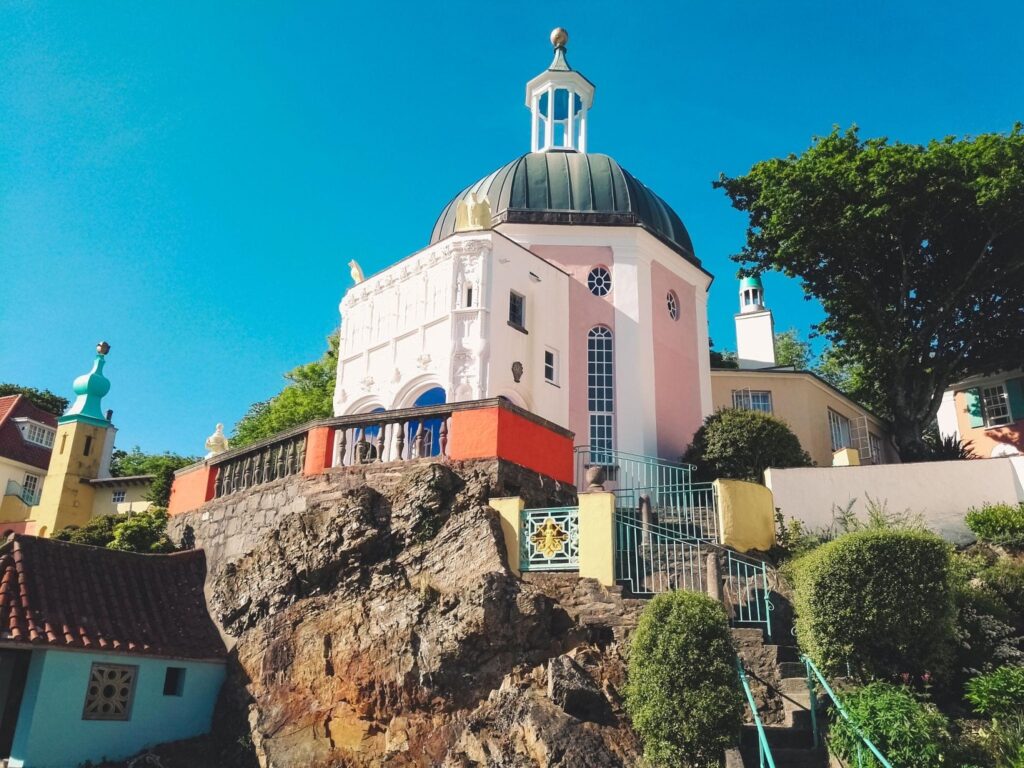
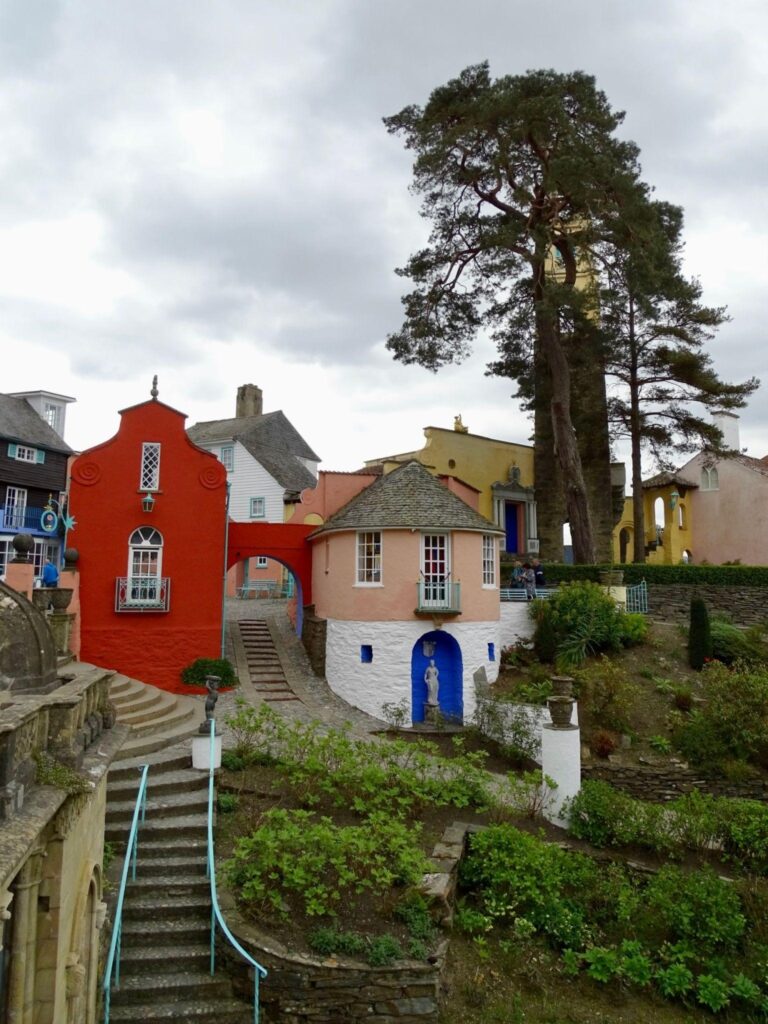
Portmeirion Wales is one of the most unusual places you can visit in the UK. Sitting beside the Dwyryd estuary in Gwynedd, this colourful village looks more like a Mediterranean hillside town than a corner of North Wales. Pastel cottages climb the slope, a domed pantheon catches the light, and a central piazza opens toward the water and the mountains beyond.
The village was designed by the architect Sir Clough Williams-Ellis, who built it mainly between 1925 and 1976. He wanted to show that a beautiful development could sit comfortably in a natural landscape rather than spoil it. Today, visitors can wander its lanes, explore the surrounding woodland gardens and look out over the sands when the tide is out.
Portmeirion is also well known for its television history. The cult series The Prisoner was filmed here in the 1960s, and fans still come to spot the locations. You do not need to know the show to enjoy the place, though.
It is a private estate, so a visit works a little differently from a stroll through an ordinary village, and a bit of planning goes a long way. It also makes an easy stop on a wider trip through Eryri (Snowdonia) and the Llŷn Peninsula. This guide to Portmeirion Wales covers what to know before you go, how to get there, the best things to do, walking options, the best time to visit, and where to stay, eat and explore nearby. Details such as prices and opening times change, so always check the latest information before you travel.
Why Visit Portmeirion Wales?
Most people come for the setting and the architecture. The village blends Italianate influences with Welsh coastal scenery, and almost every corner offers a view worth stopping for. Landmarks such as the Pantheon, the Campanile and the Bristol Colonnade shape the skyline, while the central piazza works as a natural meeting point. Some structures incorporate salvaged features from other buildings, which adds to the patchwork feel.
The story behind it adds interest. Clough Williams-Ellis began the project in the 1920s and kept developing the village over several decades, treating it as a long-term experiment in careful design.
Portmeirion also suits different kinds of trips. Couples enjoy the romantic atmosphere, families like the space to explore, and photographers find plenty of colour and detail. Creative visitors have long been drawn here too. Noël Coward is well known to have written Blithe Spirit while staying at Portmeirion in 1941. The setting changes with the light and the tide, so the same view can look very different in the morning and late afternoon.
What to Know Before You Visit Portmeirion Village
Portmeirion is a private estate, and day visitors normally need a ticket to enter the village. Advance booking is often possible and can be sensible in busy periods, but rules change, so check the official Portmeirion website for current prices, opening times and any timed-entry arrangements. Guests staying at the hotel or in the village cottages usually have separate access arrangements, which are worth confirming when you book.
Cafés, restaurants and shops are available on site, and the village is best explored slowly. It is built on a hillside, so expect slopes and steps. Visitors with mobility needs should check accessibility information in advance. Here is a quick overview to help you plan:
| Information | Details |
|---|---|
| Location | Near Penrhyndeudraeth, Gwynedd, North Wales |
| Best for | Couples, families, photographers, architecture and TV fans |
| Suggested visit time | Around 2–3 hours, longer with woodland walks |
| Entry | Ticket needed; check current details |
| Terrain | Sloping lanes, steps and some uneven paths |
A few common mistakes are easy to avoid:
- Turning up without checking ticket or opening details
- Wearing smooth-soled shoes on steep, sometimes damp paths
- Allowing too little time and rushing the woodland
- Arriving at midday on a busy summer weekend
How to Get to Portmeirion Wales
Portmeirion is reached from the A487 near Penrhyndeudraeth, a short drive from Porthmadog. The route to the village is signposted, and satellite navigation generally works well in this part of Gwynedd. If you are travelling from further away, allow extra time for rural roads, particularly in summer, when traffic on the routes through Eryri can build up.
Without a car, the nearest railway link is Minffordd station, which is served by the Cambrian line and the Ffestiniog Railway. From there you can continue by taxi or on foot, depending on the weather and how much you want to walk. Porthmadog is the nearest larger town and has more onward transport options, including bus links. Timetables in rural Wales can be limited, especially outside summer, so check them before you set off. If you are staying in Porthmadog, driving or taking a taxi is usually the simplest option.
Parking and Arrival Tips
Visitor parking is available, but capacity, charges and rules can change. In peak periods such as summer weekends and bank holidays, arriving early gives you the best chance of a calm start and an easier parking experience. Keep your ticket details handy, wear comfortable shoes and bring a light waterproof layer, as the weather can change quickly near the coast.
Best Things to Do in Portmeirion
Begin at the central piazza, which gives you a good sense of how the village is laid out. From there, wander the lanes uphill and downhill, looking for details such as statues, fountains, colourful façades and unexpected viewpoints. The Gloriette, the Pantheon and the Campanile are among the best-known landmarks, and each offers a different photo angle.
Photography works best in the early morning or late afternoon, when the light is softer and the crowds are thinner. Look for framed views through arches and along the colonnade rather than only wide shots of the piazza.
Leave time for the shops and cafés. Many sell gifts, local products and the pottery that shares the Portmeirion name. A slow coffee on a sunny day is one of the simplest ways to enjoy the atmosphere. If you are planning a full day, pair the village with the woodland walks described below rather than rushing between viewpoints.
Following The Prisoner Locations
The Prisoner, starring Patrick McGoohan, was filmed here in the late 1960s, with the village standing in for the mysterious place where the story unfolds. Fans come to recognise the piazza, the waterfront and other corners that appeared on screen. It helps to watch an episode or two beforehand, but the village is just as enjoyable without any background knowledge.
Best Walks and Woodland Trails Around Portmeirion
Beyond the village streets, the surrounding woodland gardens, known as the Gwyllt, offer shaded paths and glimpses of the estuary. Late spring is a popular time for flowering shrubs, while autumn brings warmer tones. Paths can be uneven or muddy after rain, so sturdy footwear is a good idea. Check any route information on arrival and stay on marked paths.
Allow time for the woodland if you want to see more than the village core, because it shows a quieter side of the estate. Families with small children may prefer shorter loops. Dog rules vary by area and season, so check the current policy before bringing a dog.
Useful things to bring:
- Sturdy footwear and a waterproof jacket
- Water and a small snack
- A camera or phone with plenty of storage
Beach and Estuary Safety
When the tide is out, wide sands open up and you can look back at the village from a new angle. Estuary tides can change quickly, so check tide times, avoid walking far from the shore and keep children close. For longer hikes, the wider Eryri area offers many options. The Rhinog Mountains are within reach for confident walkers who want a wilder day out.
Best Time to Visit Portmeirion Wales
Spring and early autumn are often the best balance of comfortable conditions, colour in the gardens and manageable crowds. Late spring is especially popular for woodland flowers, while early autumn can offer softer light for photography.
Summer brings the longest days and the best chance of beach weather, but also the biggest crowds. Arriving early in the day or later in the afternoon can make the village feel calmer. School holidays and bank holidays are the busiest periods, so book ahead where possible. If you have flexibility, a weekday visit outside school holidays is usually the calmest option.
Winter is quieter, though some facilities may have reduced hours and the weather can be wetter and darker. On a clear day, however, low light can make the village look atmospheric. Wales has changeable weather in every season, so pack layers and a waterproof jacket whatever the forecast says. Check the forecast and tide times together if you plan to spend time by the estuary, and confirm opening times before you leave.
Where to Stay, Eat and What to See Nearby
Staying at Portmeirion itself is a memorable option. Accommodation includes Hotel Portmeirion, Castell Deudraeth and self-catering cottages within the village, and overnight guests get to experience it after most day visitors have left. Prices vary, and popular dates fill early, so book well ahead.
If you prefer a wider choice, Porthmadog, Penrhyndeudraeth and Harlech all offer accommodation, pubs and cafés. On site, you will find places to eat and drink. Check current menus and booking requirements before you go, and reserve ahead in summer.
Nearby attractions include the Ffestiniog and Welsh Highland Railways, Harlech Castle, Criccieth Castle and Black Rock Sands near Porthmadog. For a quieter coastal contrast, the Llŷn Peninsula, including Porthdinllaen, is a rewarding drive. Together these can turn a short trip into a relaxed weekend around Cardigan Bay and Eryri.
Budgeting for the Day
Plan for the main costs: entry, parking or transport, food and any extras such as gifts. Prices change, so check current information rather than relying on old figures. Bringing a water bottle and deciding where to eat in advance can help control costs. Combining Portmeirion with free coastal walks nearby is a simple way to stretch a trip without spending more.
FAQ
Where is Portmeirion Wales located?
Portmeirion is in Gwynedd, North Wales, close to Penrhyndeudraeth and a short drive from Porthmadog. It sits beside the Dwyryd estuary on the edge of Eryri (Snowdonia), making it easy to combine with other coastal and mountain stops in the area.
Do you have to pay to enter Portmeirion village?
Day visitors normally need a ticket, and hotel or cottage guests usually have separate arrangements. Prices and booking rules can change, so check the official Portmeirion website before travelling. Book ahead during busy periods if timed entry is offered.
How long do you need at Portmeirion?
Allow around two to three hours to explore the village, take photos and enjoy a coffee stop. If you want to add the woodland gardens, the shoreline and a relaxed lunch, plan for half a day or more.
Is Portmeirion suitable for families?
Yes, many families enjoy the open spaces, colourful buildings and shoreline. However, the village is on a slope with steps, so pushchairs and small children need a little extra care. Keep children close near the estuary and check tide times before walking on the sands.
Can you reach Portmeirion by public transport?
Yes, though services can be limited. Minffordd station is the nearest rail link, and Porthmadog has more bus connections. From there, taxis or walking may be needed. Check current timetables before travelling, especially outside the summer season.
Conclusion
Portmeirion Wales is a place that rewards a slower pace. With its colourful buildings, woodland gardens and estuary views, it offers a very different kind of day out from the mountains and beaches around it. The most useful things to remember are simple: check ticket and opening details before you travel, arrive early in busy periods, wear comfortable shoes and keep an eye on the tide and the weather.
If the architecture, the television history or the scenery is what draws you, plan enough time to see more than the main piazza. Combine your trip with nearby railways, castles and beaches, and Portmeirion becomes the centrepiece of a memorable stay in North Wales. A little preparation makes the visit easier and more relaxing.