
Table of Contents
Llyn Peninsula
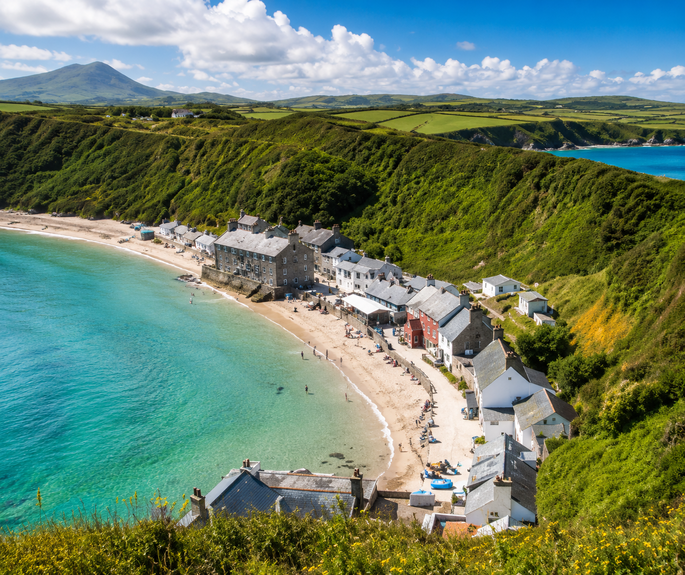
The Llyn Peninsula is the part of North Wales that sticks out into the Irish Sea like a thumb hoping for a lift to Ireland. It has long sandy beaches, sleepy fishing villages, ancient hillforts and more sheep than strictly necessary. If you have been driving past it on the way to Snowdonia, consider this Llŷn Peninsula travel guide a polite reminder to take the turn.
Below are 15 things visitors can do, grouped by area so the route makes sense on a map. No, you do not need to do all 15 in one weekend. Nobody is checking.
Why the Llŷn Peninsula Wales Deserves a Place on Your Map
The Llŷn is a designated Area of Outstanding Natural Beauty (now often called a National Landscape), and it is also one of the strongest Welsh-speaking areas in the country. Road signs, shop names and chats in the bakery queue are often in Welsh, which is part of the charm. Visitors who learn diolch (thank you) will get smiles. Those who attempt the double-L sound will also get smiles, mostly of the “bless him” variety.
Compared with Snowdonia, the Llyn Peninsula is quieter and slower. It is more about sea air and coastline than summit selfies.
Beaches and Bays
Any list of things to do in Llŷn Peninsula has to start with the sand, because there is a lot of it.
Porthdinllaen and the Tŷ Coch Inn
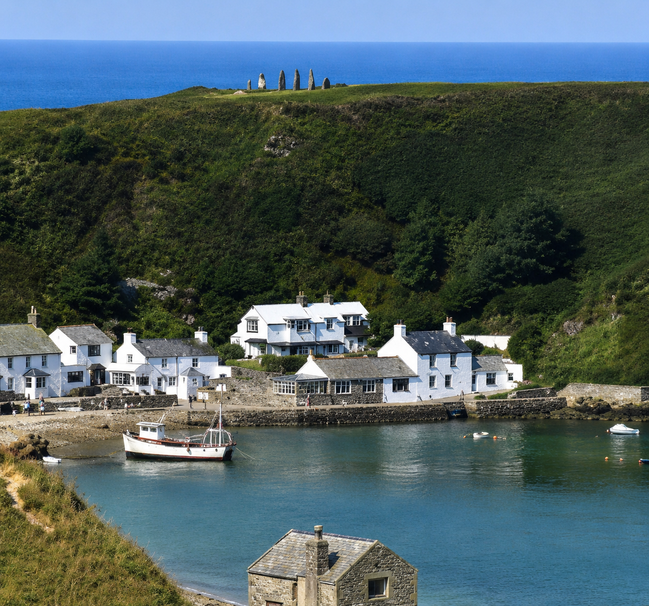
Porthdinllaen is a tiny seaside hamlet near Morfa Nefyn, looked after by the National Trust. Visitors usually walk in, either along the beach or by the path from the car park. The reward is the Tŷ Coch Inn, a pub sitting almost on the sand and often named among the best beach pubs anywhere. Yes, a pint tastes better with sand on your shoes.
Whistling Sands (Porth Oer)
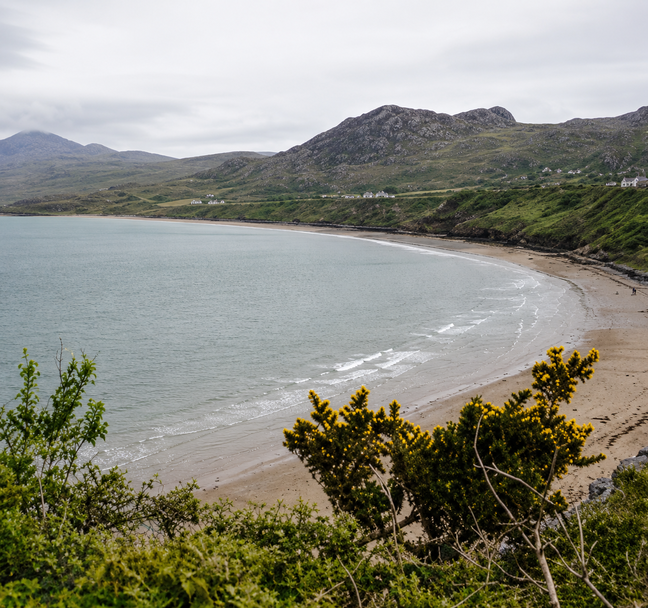
Porth Oer is nicknamed Whistling Sands because the sand squeaks underfoot when it is dry and clean. Visitors can walk across it slowly and make the beach squeak on purpose. It is a small, sheltered bay with a car park and a café nearby, though the café’s opening times change by season. It may be the only beach where stomping around like a toddler counts as sightseeing.
Hell’s Mouth (Porth Neigwl)
Porth Neigwl, better known as Hell’s Mouth, is a long curve of beach on the south side of the peninsula. The English name is said to come from the ships that ran into trouble here in bad weather, which is a dramatic reason for a beach to have a scary name. It is popular with surfers and walkers, and there is plenty of room to spread out. Visitors should read the safety signs, because the surf and currents can be strong.
Llanbedrog Beach and the Tin Man
Llanbedrog has a row of colourful beach huts and a wooded headland above the sand. On top stands a sculpture known as the Tin Man, who has been staring at the sea for longer than most of us have kept a gym membership. The walk up is short and the view over Cardigan Bay is worth it. Nearby, Plas Glyn-y-Weddw is a Victorian Gothic mansion that now houses an art gallery, which makes a good plan for a rainy afternoon.
Abersoch
Abersoch is the busiest resort on the Llyn Peninsula, known for sailing and watersports. Visitors can hire kit, take lessons, or sit with an ice cream and watch other people fall off paddleboards. It gets crowded in July and August, so an early start helps with parking.
The Wild Western Tip
Aberdaron and Y Gegin Fawr
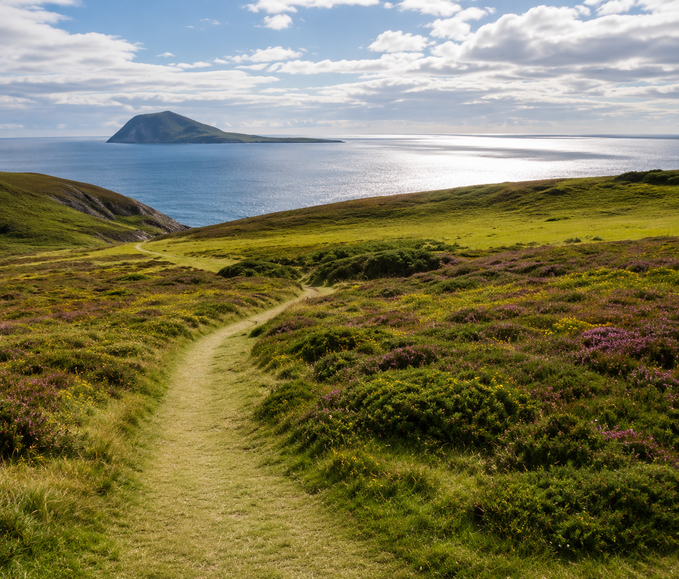
Aberdaron sits near the far end of the Llyn Peninsula, a small village with a beach and St Hywyn’s church right beside the sea. For centuries pilgrims stopped here before crossing to Bardsey Island. The old café Y Gegin Fawr, meaning “The Big Kitchen”, is tied to that pilgrim history and still welcomes visitors. Pilgrims got a rest and a snack, which is basically a motorway service station with better views.
Bardsey Island (Ynys Enlli)
Bardsey Island lies just off the tip of the peninsula and has been a pilgrimage site for centuries. Legend says 20,000 saints are buried there, which is a lot of company for an island with so few residents. Visitors can take a boat trip across, look for grey seals in the water and watch seabirds. Crossings depend on the weather, so booking ahead and keeping a backup plan is sensible.
Mynydd Mawr
Mynydd Mawr is a headland near Aberdaron with wide views over Bardsey Sound and the island beyond. Some people say you can spot the Irish coast on very clear days, but visitors should not promise it to the kids. It is a windy spot, so hold onto your hat and your dignity.
Castles, Prime Ministers and Ancient Stones
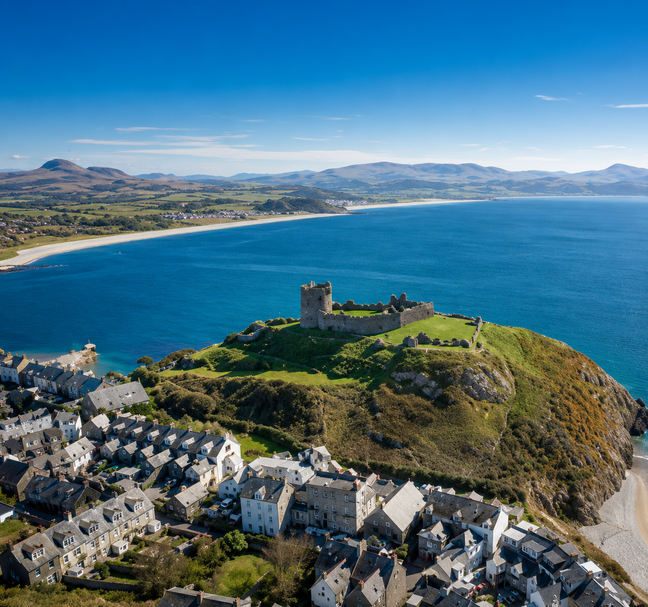
Criccieth Castle
Criccieth sits at the eastern edge of the Llyn Peninsula, and its castle stands on a rocky headland above the town with views across the bay. It was built by the Welsh princes in the 13th century and later taken over by the English. There is an entrance fee, so visitors should check opening times before going. The town below has a promenade, a beach and the usual seaside ice cream shops.
Lloyd George Museum, Llanystumdwy
David Lloyd George, the UK Prime Minister for much of the First World War, grew up in the village of Llanystumdwy, a short drive from Criccieth. The museum there tells his story, and his grave sits nearby beside the River Dwyfor. It is a calm stop for anyone who likes history. The village has stayed remarkably relaxed about having produced a Prime Minister.
Tre’r Ceiri on Yr Eifl
Yr Eifl, sometimes called The Rivals, is a group of hills on the north coast of the peninsula. On one summit sits Tre’r Ceiri, an Iron Age hillfort widely described as one of the best-preserved in Britain. The name is usually translated as “Town of the Giants”, and the stone walls and hut circles make it easy to see why. The climb is steady and can be windy, so decent shoes are a good idea. The giants have moved out, but the views stayed.
Hidden Corners, Walks and Wildlife
Nant Gwrtheyrn
Nant Gwrtheyrn is one of the more unusual stops on the Llyn Peninsula. It is a former quarry village at the bottom of a steep coastal valley near Llithfaen, now a Welsh language and heritage centre with a café. The road down is narrow and steep, and the walk back up is steeper still if you go on foot. Consider it a free leg day.
Plas yn Rhiw
Plas yn Rhiw is a small manor house owned by the National Trust, with gardens above Porth Neigwl. Three sisters bought and restored it in the 1930s, and the gardens now look out over the bay. It pairs well with a beach stop at Hell’s Mouth. It is small enough to see in an hour and peaceful enough to feel longer.
Walk a Stretch of the Llŷn Coastal Path
The Llŷn Coastal Path is part of the Wales Coast Path and follows the edge of the peninsula. Visitors do not need to walk all of it. A short section, such as Porthdinllaen to Morfa Nefyn or a stretch near Aberdaron, gives cliffs, coves and plenty of sheep with strong opinions.
Boat Trips and Seal Spotting
The waters around the peninsula are home to grey seals, and visitors may spot porpoises or dolphins with a bit of luck. Boat trips run from places such as Abersoch and Porth Meudwy near Aberdaron, weather permitting, so it is worth checking with local operators. Bring a jacket, sun cream and low expectations of holding a camera steady. The seals are professionals at looking bored, so do not take it personally.
Planning Your Trip
The Llyn Peninsula is easiest to explore by car, though the roads can be narrow, with farm gates, tight bends and the occasional sheep who owns the lane. Public transport exists but is limited, so timetables need checking in advance. Abersoch, Criccieth, Nefyn and Pwllheli all make handy bases.
Late spring and early autumn are usually calmer than the summer holidays, and the beaches are far less crowded. The weather can change quickly, so layers and a waterproof jacket are worth packing whatever the forecast says. Sunshine, rain and wind can all show up in one afternoon, sometimes in one hour. Mobile signal can be patchy in remote spots, so download maps beforehand.
Welsh is widely spoken, and signs are bilingual, but English is understood everywhere. A friendly “bore da” (good morning) costs nothing and goes a long way.
Whether you have a weekend or a full week, Llŷn Peninsula Wales rewards a slow pace. Pick a few stops from this list, leave time for a long lunch and let the coast do the rest.
Frequently Asked Questions
- Where is the Llyn Peninsula?
It is an arm of land in Gwynedd, north-west Wales, sticking out into the Irish Sea. It lies south-west of Anglesey and just beyond the edge of Snowdonia. - How do you pronounce Llŷn?
It sounds roughly like “hlin” or “thlin”. The Welsh “ll” is made by placing your tongue behind your upper teeth and blowing air out past the sides. It takes a few tries. - How many days do you need on the peninsula?
Two or three days cover the main highlights. A week lets visitors slow down and add walks, boat trips and lazy beach days. - When is the best time to visit?
Late spring and early autumn are usually the best mix of decent weather and fewer crowds. July and August are busiest, especially at Abersoch and the popular beaches. - Do you need a car?
A car makes life much easier, since many beaches, villages and viewpoints are spread out. Buses do run, but services are limited and worth checking ahead. - Is the peninsula good for families?
Yes. The beaches are large, there are castles and gardens to explore, and boat trips are popular with kids. Parents should check tide times and safety signs before swimming. - Can visitors swim at the beaches?
Many beaches are fine for swimming, but conditions vary. Hell’s Mouth, for example, can have strong surf and currents, so visitors should follow local signs and lifeguard flags where they exist. - Do people speak Welsh on the Llŷn?
Yes, Welsh is widely spoken in daily life. English is understood everywhere, and visitors who try a few Welsh words tend to get a warm reaction. - Is Bardsey Island easy to visit?
It is a short boat ride, but crossings depend on the weather and on operators’ schedules. Booking ahead and keeping your plans flexible is the safest approach. - Is the Llyn Peninsula better than Snowdonia?
They are different rather than better or worse. Snowdonia is about mountains and big summit days, while the Llyn Peninsula is about beaches, villages and a slower pace. Many visitors combine the two in one trip.