
Table of Contents
Durness Travel
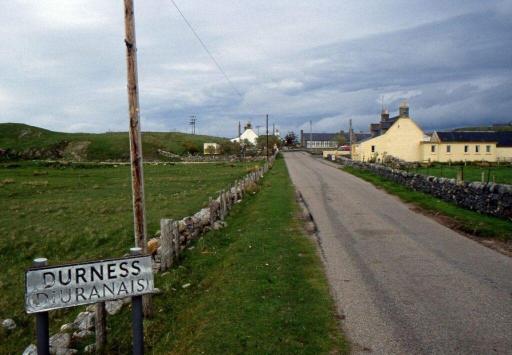
Durness Travel sits at the top left corner of mainland Britain, where the A838 finally runs out of east-west road and turns south toward Ullapool. It’s the kind of place you reach almost by accidentDurness Travel: Top 10 Things to Do and See
Durness sits in the far north-west corner of mainland Scotland, in a part of Sutherland where the road eventually runs out of ideas and the Atlantic takes over. If you want crowds, queues and a gift shop on every corner, this is not your place. If you want empty beaches, huge sea cliffs and sheep that treat the road as their private property, keep reading.
This Durness Scotland travel guide covers the main sights, the best time to go, how to get there and a few practical tips. Visitors driving the North Coast 500 will pass through, but plenty of people come here on purpose. Durness Travel is mostly about space, silence and scenery, and a very small number of traffic jams, all of them involving sheep.
Why Durness Is Worth the Long Drive
Durness is a spread-out crofting village on the north coast. It has white-sand beaches, a giant sea cave, a hot chocolate shop and a lighthouse at the end of a very bumpy road. It also has a golf course where the wind plays as much as you do.
Most of the best places to visit in Durness are outdoors, and many are free. Your wallet will be fine. Your phone signal might not be. Durness Travel suits people who like walking, photography, wildlife and long quiet evenings. It does not suit anyone who needs a cinema, a shopping centre or a fast-food drive-through within 100 miles.
Top 10 Things to Do in Durness
Here are the main things to do in Durness, roughly in the order a visitor might tackle them. Some are short stops and some can fill a whole day.
1. Explore Smoo Cave
Smoo Cave is just east of the village and is probably the best-known stop in the area. A short path leads down from the car park to a huge sea cave cut into the limestone cliffs. Visitors can walk into the first chamber for free, and a waterfall drops into the second chamber from above. In summer, small boat tours usually run to take people further inside, depending on the weather and water levels.
Wear shoes with decent grip. The path is damp, and the cave floor does not care about your holiday photos.
2. Walk the Sands at Balnakeil Beach
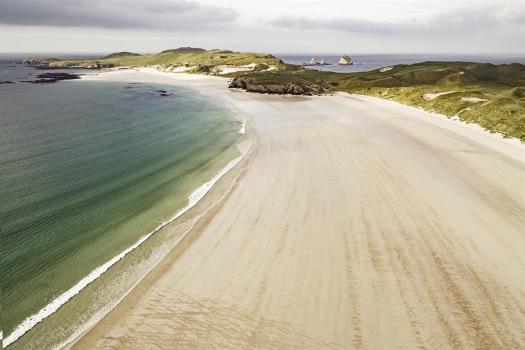
Balnakeil Beach is wide, pale and often has no other people on it, even in summer. Dunes sit behind the sand, and the bay faces out toward the Atlantic. It is a good spot for a long walk, a picnic or a few photos that will make your friends at home jealous.
Bring a windbreak. The sea here is refreshing, which is a polite way of saying freezing.
3. Visit Balnakeil Craft Village
Just up the road from the beach, Balnakeil Craft Village started life as a government project in the Cold War era and was later turned into small studios and workshops. Visitors can browse local crafts and art, and stop at Cocoa Mountain for hot chocolate (opening times can change, so it is worth checking first). After a windy beach, a cup of hot chocolate is less of a treat and more of a medical need.
Nearby, the ruined Balnakeil Church has a quiet graveyard and a memorial linked to the Gaelic poet Rob Donn.
4. Spot Puffins at Faraid Head
Faraid Head is the headland north of Balnakeil, and visitors can walk out across dunes and grassland to reach it. In early summer it is a well-known place to see puffins, along with other seabirds and sometimes seals. Bring binoculars, stay on the paths and keep your distance from nesting areas. Dogs should be on leads during the breeding season.
Puffins look like they dressed for a wedding and then forgot where it was. They are very hard to be annoyed at.
5. Take the Ferry to Cape Wrath
This is the big adventure. Cape Wrath is the north-westernmost point of mainland Britain. Visitors cross the Kyle of Durness on a small passenger ferry, then take a minibus for around 11 miles along a rough road to the lighthouse. The nearby Clò Mòr cliffs are among the highest sea cliffs on the British mainland, at close to 280 metres.
The service is seasonal and depends on the weather. Part of the area is also used as a military training range, so check times and closures before you plan your day. Any Durness Travel plan that skips Cape Wrath is missing its biggest adventure. The road is so bumpy that your breakfast gets a second chance to be breakfast.
6. Relax at Sango Sands
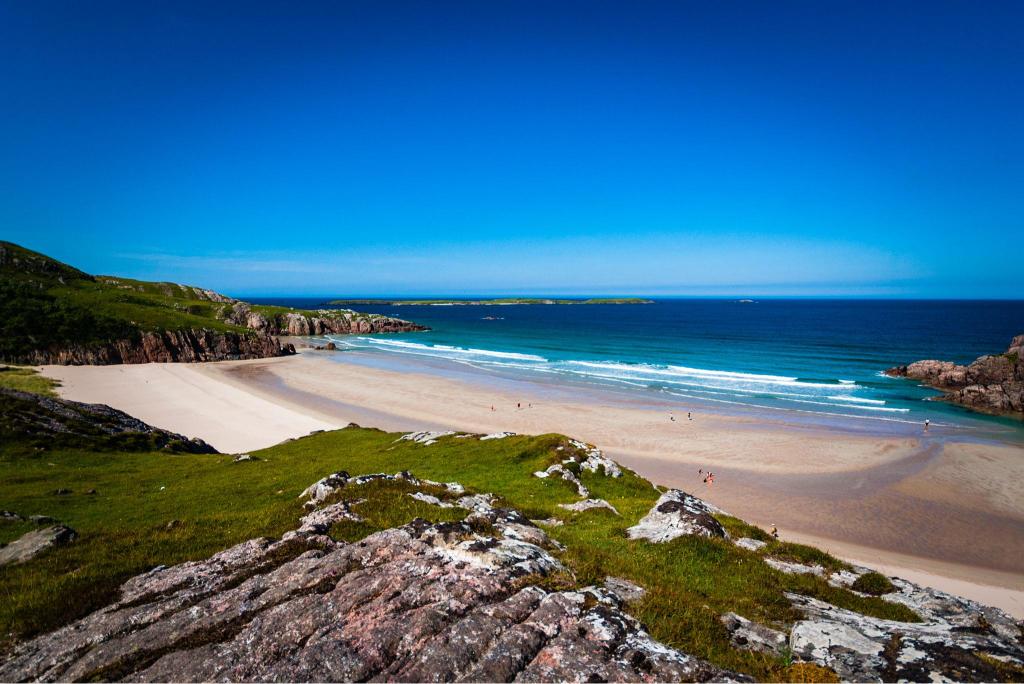
Sango Sands is a sheltered beach tucked between cliffs just east of the village centre. A clifftop campsite looks over the bay, and there is a bar and restaurant close by. It is a good place for rock pools with kids, a slow walk or watching the light change in the evening.
7. Drive Around Loch Eriboll
Loch Eriboll is a long sea loch east of Durness. Its deep, sheltered water has long made it useful as an anchorage for ships. The A838 follows part of the shore, with lay-bys where visitors can stop for views. Near Ard Neackie there is an old lime kiln on the water’s edge.
The drive takes longer than the map says. Some of that is single-track road, and most of it is you stopping every five minutes for another photo.
8. Visit the John Lennon Memorial Garden
John Lennon spent childhood summer holidays in Durness, and there is a small memorial garden in the village to mark the connection. It is a quiet spot and takes about ten minutes. Nobody expects a Beatles link this far north, which is half the fun.
9. Wander Ceannabeinne Beach and the Old Township
A short drive from the village, Ceannabeinne Beach has white sand and clear water on a good day. Above it are the stone ruins of an abandoned township, a reminder that many more people once lived along this coast. Walk quietly and leave the stones where they are, because these were once people’s homes.
10. Play a Round at Durness Golf Club
Durness Golf Club has a nine-hole links course beside Balnakeil Bay, and it is often described as one of the most remote courses in Britain. Visitors can usually play, but opening and payment arrangements are best checked locally. The views are excellent, which is lucky, because your score probably will not be.
Par is more of a suggestion here. The wind keeps its own scorecard, and the sheep do not care what you shoot.
That wraps up the top 10, but Durness Travel works best when you leave a few hours with no plan at all.
Best Time to Visit Durness
The main season runs from May to September. Days are very long in midsummer, ferry and minibus services to Cape Wrath normally run, and puffins are around from roughly May to July. Spring and early autumn are quieter, which suits anyone who likes empty roads.
Summer comes with midges, those tiny biting insects that appear on calm, damp days and seem to take it personally when you stand still. Pack repellent or a head net. Winter brings short days, rough weather and some closed businesses, but also dark skies. On clear nights the stars are spectacular, and the northern lights are sometimes visible when conditions allow, though they are never guaranteed. Whenever you go, weather can change quickly, so Durness Travel always means packing layers.
Getting There and Getting Around
Durness is on the northern stretch of the North Coast 500. From Inverness, the drive usually takes around three and a half to four hours, longer if you stop, and you will. Much of the route uses single-track roads with passing places. Pull in to let others through, give a little wave and carry on. Any good Durness Scotland travel guide will tell you that this is basically the local sport.
A car is by far the easiest way to get around. Public transport is limited, so plan carefully if you are not driving. Fuel stations are few and far between, so top up when you can. Mobile signal can be patchy, so download offline maps before you set off.
Where to Eat and Stay
Accommodation in Durness is on the small side. Visitors will find B&Bs, guesthouses, self-catering cottages and a clifftop campsite at Sango Sands. In summer, rooms and pitches fill up early, so book ahead.
Food options are limited but friendly: a village shop, a few cafés and a pub or two. Opening hours can be short, especially outside the main season, so book dinner when you can. Last orders sometimes arrive before your appetite does. Durness Travel rewards people who keep snacks in the car.
Practical Tips and Final Thoughts
- Bring waterproofs and sturdy shoes, even if the forecast looks kind.
- Carry some cash, since not every small business takes cards.
- Check ferry and military range information before heading to Cape Wrath.
- Close gates, keep dogs under control around livestock and take your litter home.
- Respect crofts and private land. Locals live and work here all year round.
Durness is not a place for ticking off sights in a hurry. It is a place for slow drives, big skies and the occasional long stare at a puffin. If you plan carefully and keep your expectations reasonable, Durness Travel is one of the most rewarding trips in the Scottish Highlands. Just do not blame the sheep if you are late for dinner.
FAQs About Durness Travel
1. Where is Durness and how remote is it?
Durness is in Sutherland, in the far north-west Highlands of Scotland. It is a long drive from any large town, so plan for travel time and carry supplies.
2. What are the best places to visit in Durness if I only have one day?
Smoo Cave, Balnakeil Beach and Balnakeil Craft Village make a good short list. If you have time and the ferry is running, Cape Wrath is worth adding, though it will take up a large chunk of your day.
3. How many days do I need in Durness?
Two full days cover the main sights comfortably. Three days let you add Cape Wrath, a round of golf and a slower pace.
4. Is Smoo Cave free to visit?
Visitors can usually walk into the main chamber for free. Boat tours are seasonal, depend on conditions and cost extra, so check current details locally.
5. Can you swim at Balnakeil Beach?
Some visitors paddle or swim in summer, but the Atlantic is cold and conditions can change. Do not assume a lifeguard is present, and take care with currents and waves.
6. When is the best time to see puffins at Faraid Head?
Puffins are usually around from roughly May to July, with early summer being the best bet. Stay on the paths and keep a respectful distance.
7. How do I get to Cape Wrath?
Visitors cross the Kyle of Durness by passenger ferry and then take a minibus to the lighthouse. The service is seasonal and weather-dependent, and military range closures can affect it.
8. Can you see the northern lights in Durness?
Sometimes, on clear, dark nights when solar activity is high, mostly in the colder months. It is never guaranteed, but the stargazing is excellent either way.
9. Is Durness suitable for families?
Yes. Beaches, rock pools and short walks suit most ages. Keep a close eye on children near cliffs and cold water.
10. Do I need to book accommodation in advance?
In summer, yes. There is limited choice, and places fill up quickly, especially during peak North Coast 500 season.