
Table of Contents
Largest Woodland
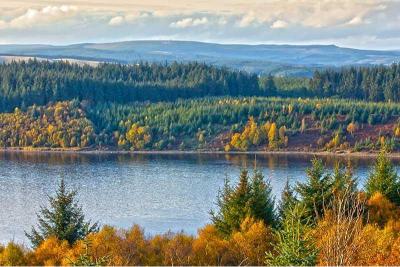
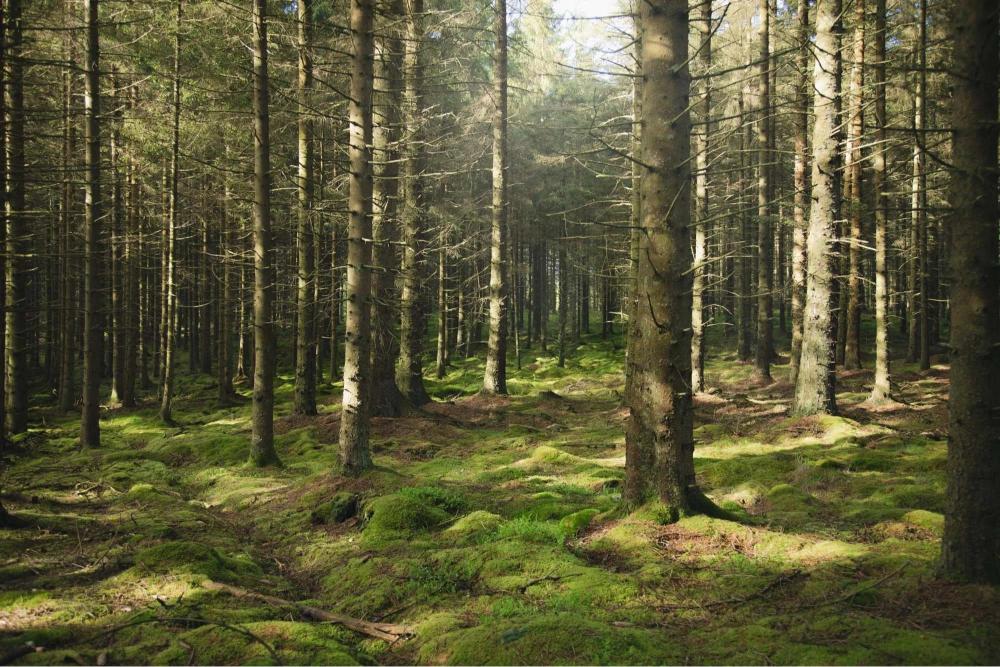
Most people think an English forest is a few trees, a car park and a café that closes at four. Northumberland has other ideas. Near the Scottish border sits Kielder Forest, the biggest woodland in England by a very long way, with roughly 150 million trees and a lake, an observatory and a lot of sheep-free silence.
If you are searching for the largest woodland to visit in England, this is the one. It is big enough that your phone signal gives up, your sat nav gets confused and your sense of “just a short walk” quietly dies.
Which Is the Biggest Woodland in England?
Kielder Forest in Northumberland is the one most people name. It covers roughly 250 square miles (650 km²), though figures vary because the area includes open ground, not just trees. It is mostly a planted forest, started in the 1920s and filled mainly with conifers like Sitka spruce. That makes it the largest man-made woodland in England, not the oldest. Ancient woods like the Forest of Dean and the New Forest have a longer history, but they cannot match Kielder for size.
The largest woodland in the world is not in England, obviously. The huge boreal forests across Russia, Canada and Scandinavia make up the biggest forest belt on Earth, and the Amazon is the biggest tropical rainforest. Closer to home, the largest woodland in the UK is Galloway Forest in south-west Scotland, with Kielder in second place.
So Kielder does not win every trophy, but it takes the English one, and nobody can argue with that. Not even the Scots, who already have plenty of forest.
15 Amazing Things to See
Here are 15 things visitors can see and do in the largest woodland in England. They are not in order of importance, except that the squirrels would like to think they are first.
1. Kielder Water
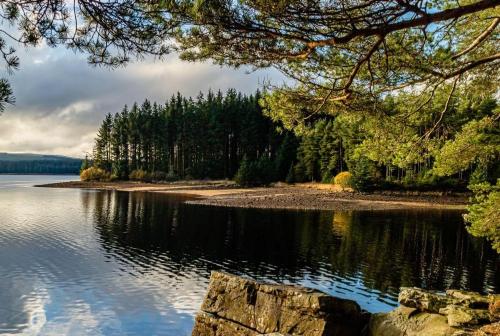
Kielder Water is the huge reservoir at the heart of the forest, and it is one of the largest artificial lakes in the UK by capacity. Visitors can walk, cycle, fish or just stare at it. It looks natural enough that most people forget someone built it.
2. The Lakeside Way
The Lakeside Way is a path of around 26 miles that circles the water. Walkers, runners and cyclists can do a section or the whole thing. Doing all of it in flip-flops is a bold choice and not one we recommend.
3. Kielder Castle
Despite the name, Kielder Castle is more of a grand old hunting lodge, built in the 18th century for the Duke of Northumberland. It now works as a visitor centre, with information, a café and a starting point for trails. It is a handy first stop if you have no idea where to begin.
4. Kielder Forest Drive
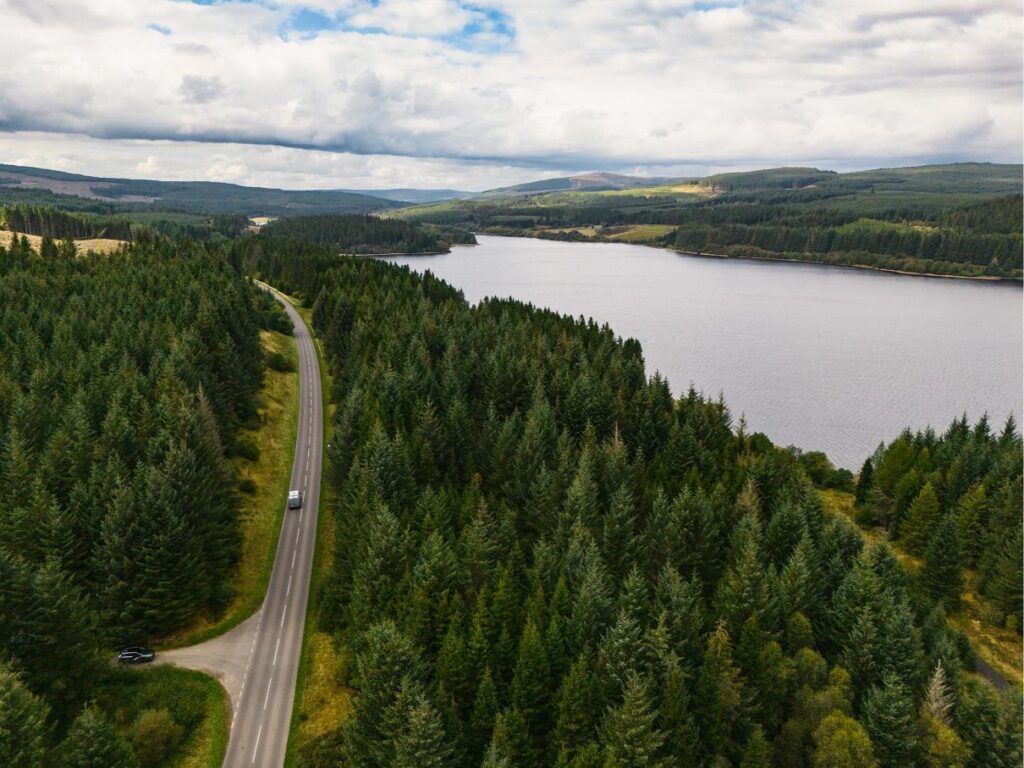
The Forest Drive is a toll road of around 12 miles that cuts through the trees. Visitors pay a fee, drive slowly and stop at viewpoints. It is a good option when your legs are tired but your camera is not.
5. Kielder Observatory
Northumberland has some of the darkest skies in England, and Kielder Observatory makes the most of them. Public events usually need booking in advance, and they sell out. Wrap up warm. Stars look great, but they do nothing for your toes.
6. Red Squirrels
Because the largest woodland in England has so much quiet cover, it has become the biggest stronghold of red squirrels in the country, home to roughly half of England’s population. Visitors have the best chance at the squirrel hide near the water, or by walking quietly in early morning. They are small, fast and usually looking the other way.
7. Ospreys and Other Wildlife
Ospreys have returned to breed in the forest after a long absence, and visitors may spot them fishing over the water in summer. The forest is also home to roe deer, otters, goshawks and water voles. Bring binoculars and patience. Wildlife does not run on your timetable.
8. Cat Cairn Skyspace
The Cat Cairn Skyspace is an art piece by the artist James Turrell. It is a small chamber with an opening to the sky, designed so that you watch the light change overhead. It sounds odd and looks odd, but strangely, it works.
9. Mountain Biking
Kielder has a big network of mountain bike trails for different abilities, from gentle family routes to properly technical stuff. Check the current trail maps and conditions before you set off. Mud is free and does not come off easily.
10. Water Sports
Around Leaplish Waterside Park and other points on the lake, visitors can usually try sailing, kayaking, paddleboarding and fishing, depending on the season. Check activity providers for current details. The water is cold, so decide early how brave you feel.
11. The Gruffalo Trail
Families with small children usually head for the Gruffalo Trail, a woodland walk inspired by the popular picture book. Kids look for clues and characters among the trees. Adults get an easy, flat walk and a chance to feel clever about the story.
12. Bakethin Nature Reserve
At the quieter end of the water, Bakethin Nature Reserve has woodland paths and a bird hide. It is a calm spot for a gentle walk and a good place to see birds without the crowds. Bring a flask, because a hide with no tea is just a shed.
13. Kielder Viaduct
Near Kielder village, an old railway viaduct is a reminder of the area’s past. Trains once ran through here, and the stonework still stands. It makes a good photo and a short history lesson in one stop.
14. Tower Knowe and the Dam
Tower Knowe is a visitor centre by the lake, close to the dam. Visitors can pick up information, have a snack and walk along the water. The dam itself explains why there is a giant lake in a forest, which is the question everyone eventually asks.
15. The Christmas Tree Country
Trees from Kielder have been sent to stand at famous places, including outside Westminster at Christmas. Visitors can walk among tall spruces and imagine one of them in a city square wearing fairy lights. Somewhere in here is a tree that will one day be asked to pose beside Big Ben. No pressure.
Best Time to Visit
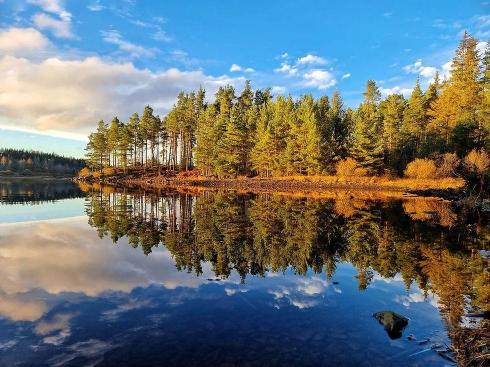
The largest woodland in England is open all year, and each season has a different mood. Spring and summer bring longer days, birdlife and full services. Autumn gives colour and fewer people. Winter is quiet and cold, with the best stargazing, though some facilities run shorter hours.
Summer can bring midges, the tiny biting insects that appear on calm, damp days and seem to take it personally when you stand still. Bring repellent or a head net. Weather changes fast in Northumberland, so pack layers whatever the forecast says.
Getting There and Getting Around
Getting to the largest woodland in England takes some effort. Kielder is in a remote part of Northumberland, close to the Scottish border. Most visitors come by car, and the roads in and around the forest can be narrow and winding. Public transport is limited, so check options in advance if you are not driving.
Inside the forest, a car, a bike or your own feet are your best choices. Fuel stations and shops are few and far between, so fill up beforehand. Mobile signal can be patchy, so download offline maps before you set off.
Where to Stay and Eat
The largest woodland has a small range of places to stay. Visitors will find campsites, lodges, cabins, B&Bs and self-catering cottages in and around Kielder village and the waterside. In summer and school holidays, places fill up early, so book ahead.
Food options are limited but friendly, with cafés near the main visitor points and a few places in nearby villages. Opening hours can be short, especially outside peak season. A few snacks in the car can save a grumpy afternoon.
Practical Tips and Final Thoughts
- Wear sturdy shoes and bring waterproofs, even on bright days.
- Carry cash and a map, because signal and card machines can both let you down.
- Book the observatory and any activities before you arrive.
- Keep dogs under control, take litter homeHome and leave wildlife alone.
- Check current opening times, tolls and trail conditions before you go.
Kielder is not a place to rush. It rewards slow walks, long drives and the odd lazy hour watching a squirrel do something very important with a nut. For anyone planning a trip to the largest woodland in England, the best plan is simple: pack well, book early and leave a few hours with no plan at all.
FAQs About the Largest Woodland in England
1. What is the biggest woodland in England?
Kielder Forest in Northumberland is generally named as the biggest woodland in England, covering roughly 250 square miles. It is also the largest man-made woodland in the country.
2. Where is Kielder Forest?
Kielder Forest is in the far north of Northumberland, close to the Scottish border. It surrounds Kielder Water and Kielder village.
3. How does Kielder compare with other UK forests?
Galloway Forest in Scotland is bigger, while Kielder is the biggest in England. Ancient woodlands like the Forest of Dean are older but smaller.
4. Is Kielder Forest man-made?
Yes. Planting began in the 1920s, and the forest is mostly made up of conifers such as Sitka spruce. It is managed for timber as well as wildlife and recreation.
5. Is it free to visit?
Walking in the forest is generally free, but some things cost money, such as the Forest Drive toll, parking, activities and observatory events. Check current prices before you go.
6. Can you really see red squirrels?
Yes, Kielder is the biggest remaining stronghold of red squirrels in England. Early morning and quiet spots near hides give you the best chance, but sightings are never guaranteed.
7. Is Kielder good for stargazing?
Yes. The area has very dark skies, and Kielder Observatory runs public events. Book ahead and bring warm clothes.
8. How many days do I need?
Two or three days give you time for the lake, a few trails, the observatory and some wildlife spotting. A single day works if you pick two or three highlights.
9. Is Kielder suitable for families and dogs?
Yes, there are easy trails, the Gruffalo Trail and plenty of space to run around. Keep children away from water edges and keep dogs on leads near wildlife and livestock.
10. When is the best time to visit?
Late spring to early autumn gives you long days and full services. Winter is quieter and great for stars, but some places run shorter hours.