
Table of Contents
Gower Peninsula: The Ultimate Guide to Wales’ Wild Coast
Jutting out from Swansea into the Bristol Channel, the Gower Peninsula packs an extraordinary amount of scenery into a small stretch of coastline. In 1956, it became the very first place in the United Kingdom to be designated an Area of Outstanding Natural Beauty, and it has spent every year since proving why. Limestone cliffs drop into turquoise coves, wild ponies graze on open commons, and a single stretch of sand at Rhossili Bay routinely tops lists of the best beaches in Britain.
What makes the Gower Peninsula so appealing is its size. At only around 19 miles long, you can drive from one end to the other in under an hour, yet the landscape shifts constantly — from surf beaches and dune systems in the south, to salt marsh and cockle beds on the quieter north coast, to a green, hilly interior crossed by the Gower Way. Add in six ruined castles, a 33,000-year-old burial site, smugglers’ caves, and some of the best pub food in South Wales, and you have a destination that rewards slow exploration rather than a single day trip.
This guide covers everything you need to plan a visit to the Gower Peninsula: the best beaches and walks, where to base yourself, a two-day itinerary, practical tips on tides and parking, and answers to the questions most visitors ask before they go.
Where Is the Gower Peninsula and How Do You Get There?
The Gower Peninsula sits immediately west of Swansea in South Wales, extending roughly 19 miles from the city’s suburbs out to Worm’s Head at Rhossili. It begins in Swansea’s western suburbs, follows the curve of Swansea Bay to the old-fashioned resort of Mumbles, and finishes at Rhossili Bay, with the coast west of Port Eynon becoming a wild series of inlets and cliffs.
Most visitors arrive by car, and it’s by far the easiest way to explore, since public transport thins out west of Mumbles. From Cardiff, the drive takes around an hour via the M4. From further afield in England, Swansea is reachable by direct train from London Paddington in roughly three hours.
Once you’re in Swansea, local buses run to the more popular villages like Mumbles, Oxwich, and Rhossili, though services are less frequent in winter. If you’re relying on public transport, it’s worth checking timetables in advance, since the last bus back from Rhossili can leave earlier than you’d expect.
Getting Around Without a Car
If you don’t fancy driving, Swansea makes a sensible base. From there, buses reach most of the main villages, and the Wales Coast Path connects many of the beaches on foot for anyone happy to walk between stops. Cycling is another good option on the quieter lanes of the north Gower, away from the busier south-coast roads in peak summer.
The Best Beaches on the Gower Peninsula
Beaches are the main draw here, and the Gower has an unusually good spread of them, from wide family-friendly bays to hidden coves you’ll have almost to yourself.
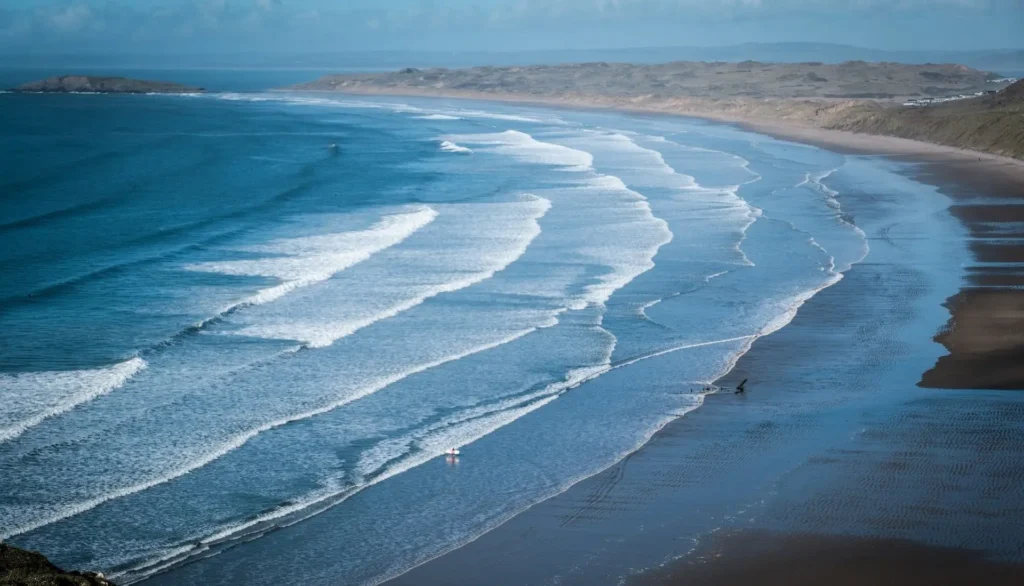
Rhossili Bay is the headline act — a three-mile sweep of golden sand backed by Rhossili Down, with Worm’s Head marking its southern tip. It’s frequently ranked among the best beaches in Britain and Europe, and on a clear day the view from the clifftop path alone justifies the trip.
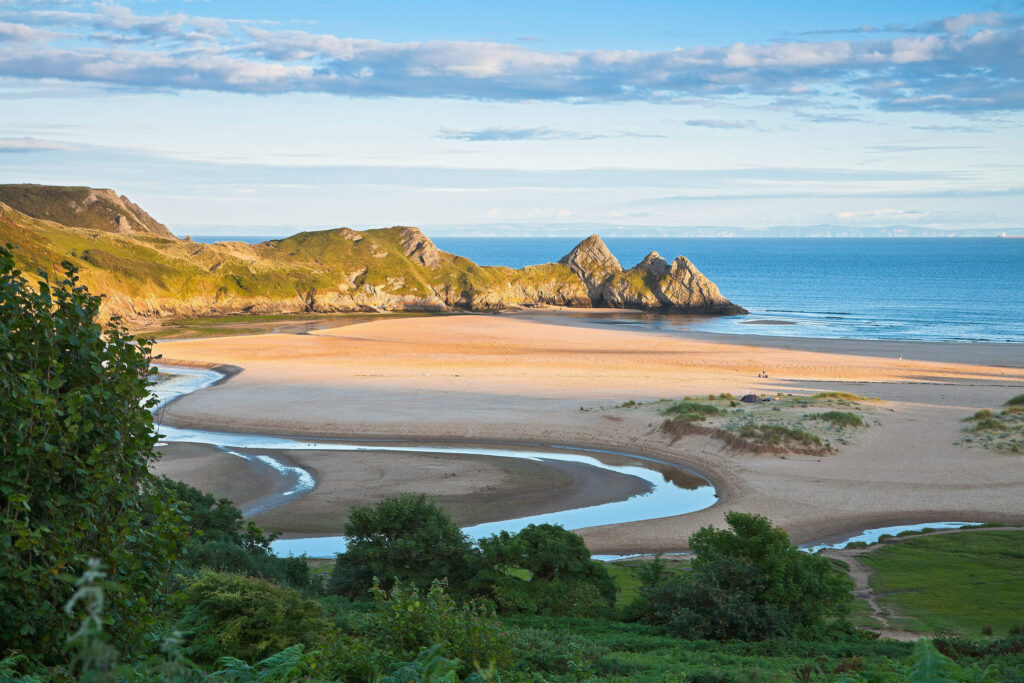
Three Cliffs Bay is arguably more photogenic still. It’s backed by limestone cliffs and a wild shoreline of sand dunes, rock pools, and salt marsh, with the ruins of Pennard Castle looking down from above. It’s a steeper walk in than Rhossili, which keeps the crowds thinner.
Oxwich Bay offers a gentler experience — a long, sandy beach backed by dunes and woodland, with easier parking and a village nearby for food and drink. It suits families well.
For surfers, Llangennith and Langland Bay are the go-to spots. The Gower has some of Britain’s finest surf, with the bays and beaches of Langland, Caswell, Oxwich, Rhossili, and Llangennith offering the best and most consistent waves, and equipment rental is available locally in Llangennith for anyone without their own gear.
If you want somewhere quieter, Mewslade Bay and Brandy Cove are worth seeking out. Both require a short walk from the nearest car park, which is usually enough to thin the crowds considerably even in summer.
Rhossili Bay and Worm’s Head
Rhossili deserves its own section, because it’s genuinely the centrepiece of a Gower trip. The village sits above the beach, with a National Trust car park, shop, and the Worm’s Head Hotel providing the only real amenities out here.
The National Trust cares for over 26 miles of Gower’s coastline, including much of the area around Rhossili, the beach itself, Worm’s Head, and Rhossili Down. Parking isn’t free for non-members, so budget a few pounds for the car park if you’re not a Trust member.
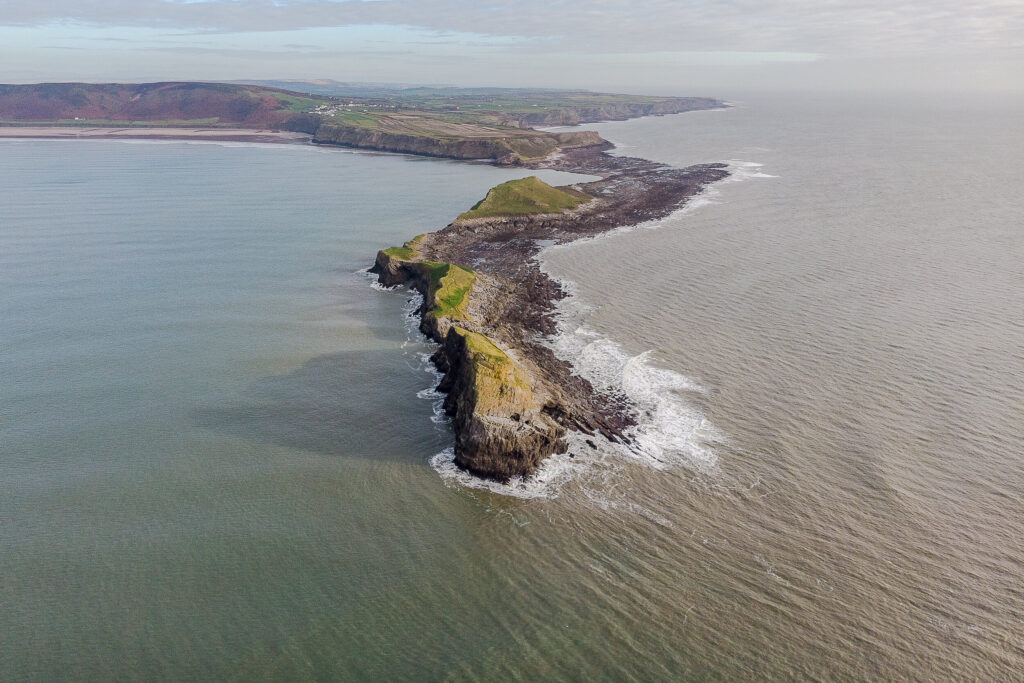
Worm’s Head is a tidal island at the very end of the headland, and its name has nothing to do with worms. The name derives from the Old English word for dragon or serpent, reflecting the island’s sinuous shape when viewed from the mainland. It’s genuinely one of the most dramatic natural features on the Welsh coast.
Crossing the Causeway Safely
This is the part visitors most often get wrong. Worm’s Head is accessible for around 2.5 hours either side of low tide, with safe crossing times displayed at the National Coastwatch Institute station on the cliff above. Outside that window, the causeway floods completely, and it has caught out unprepared walkers before now.
From the car park, it’s roughly a 1.3km, 20-minute walk to the old coastguard lookout, after which a 700-metre rocky causeway leads across to the island itself, taking another 10 to 20 minutes and requiring care on slippery, barnacle-covered rock. Always check tide times before setting out, and don’t attempt the crossing if the causeway is already covered — wait for the next low tide instead.
Note too that access to the Outer Head of Worm’s Head is restricted from 1 February to 31 July each year to protect nesting seabirds, so check current restrictions if you’re visiting in spring or early summer.
Walking the Gower Coast Path and the Gower Way
Walkers are extremely well served here. The Wales Coast Path runs around the entire Gower coastline, taking in the dramatic cliffs and coves of the south and the quieter saltmarshes of the north, while the Gower Way cuts 35 miles right through the middle of the peninsula.
For a single standout walk, the clifftop stretch from Rhossili out towards Worm’s Head is hard to beat, offering constant sea views and a real sense of reaching the edge of Wales. Longer options include the stretch between Llanrhidian and Cheriton on the quieter north coast, which passes beaches, churches, and castle ruins along the way.
Whichever route you choose, sturdy footwear matters more than it might look — the clifftop paths can be muddy and uneven even in summer, and some sections have significant drops close to the path edge.
A Shorter Option for Families
If a full day’s hike isn’t practical, the flat route from the Rhossili car park towards the Coastwatch Centre gives you sweeping views over the bay and out to Worm’s Head in around 40 minutes there and back, with almost no climbing involved.
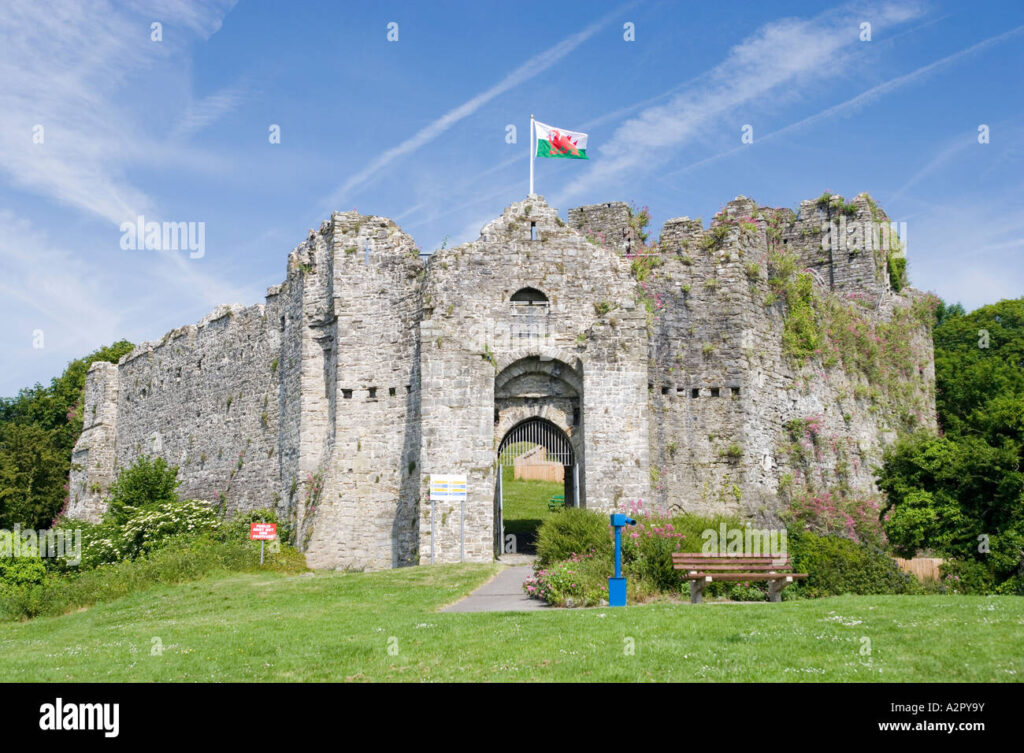
Gower’s Castles and Ancient History
Wales has more castles per square kilometre than any other country in Europe, and six of them sit on the Gower alone, in various states of repair. They’re a good reason to break up a beach-heavy itinerary.
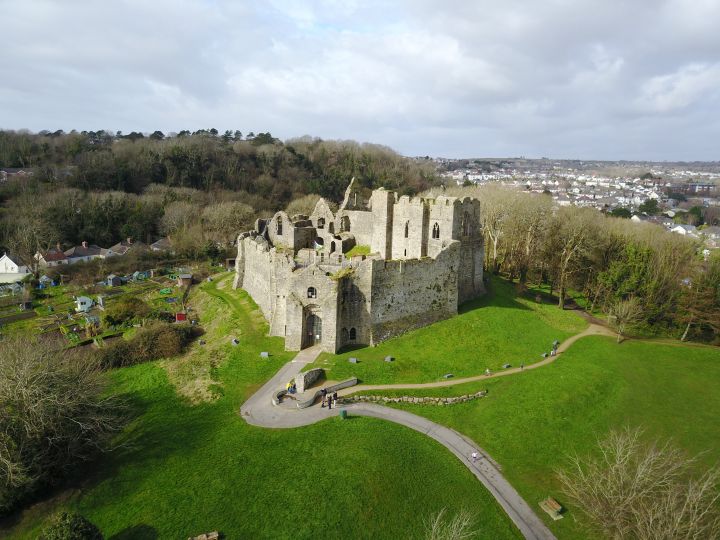
Oystermouth Castle in Mumbles is the most complete and easiest to visit, with excellent views over Swansea Bay from its gatehouse tower. Pennard Castle, overlooking Three Cliffs Bay, is more atmospheric — just a ruined gatehouse now, but the setting is spectacular, and it can be reached either from the clifftop or up from the beach itself.
The Gower’s history goes back much further than its medieval ruins, though. Paviland Cave, on the south coast, is where an ancient human skeleton was discovered in 1823. Research later dated it to around 33,000 years old, making it one of the oldest known ceremonial burials in Western Europe — a genuinely remarkable fact for such a small stretch of coastline.
For something with a more colourful backstory, Culver Hole near Port Eynon is a strange stone structure built into a cliff crevice, thought to date from the 13th or 14th century. It’s believed to have started life as a dovecote before later serving as a hideout for a local smuggling gang, and it remains one of the odder, more memorable sights on the peninsula.
Wildlife and Nature on the Gower
The Gower’s mix of habitats — cliffs, dunes, saltmarsh, and open common land — makes it a strong spot for wildlife watching year-round. Wild ponies roam freely on Rhossili Down and Cefn Bryn, and seeing them silhouetted against the sea is one of the more memorable sights of a visit.
Seabirds nest along the cliffs, particularly around Worm’s Head, which is one reason access there is restricted during the spring nesting season. Grey seals are regularly spotted around the rockier coves, especially in autumn when pupping season brings them closer to shore.
Birdwatchers are also well catered for on the quieter north coast, where the tidal flats of the Loughor estuary attract wading birds and wildfowl, particularly in winter. It’s a very different landscape from the surf beaches of the south, and worth a detour if you enjoy a slower, more contemplative kind of nature watching.
Best Villages to Base Yourself
Mumbles is the obvious choice for anyone who wants a proper town base, with restaurants, pubs, a pier, and easy access to both Swansea and the start of the Gower coastline. It’s lively without being overwhelming, and makes a good option if you’re travelling without a car.
Rhossili itself has very limited accommodation but is unbeatable for location if you want to be first on the clifftop path in the morning before the day-trippers arrive.
Reynoldston, in the centre of the peninsula near Cefn Bryn, is a quieter option surrounded by open common land, with a well-regarded pub as its main draw.
Port Eynon and Oxwich both work well for families, sitting close to gentler beaches with a bit more in the way of shops and cafés than the more remote western villages.
Activities Beyond the Beach
Surfing is the Gower’s best-known activity beyond simple beach time, and Llangennith is the best base for it, with PJ’s Surfshop offering equipment rental and the Welsh Surfing Federation running half-day courses from the nearby Hillend campsite.
But there’s plenty else on offer. Coasteering and stand-up paddleboarding are both popular along the coast, and inland there’s horse riding on the beaches and moorland, rock climbing and abseiling on the sea cliffs, and mountain biking across the rough tracks of Rhossili Down and Cefn Bryn common. Road cyclists tend to prefer the quieter lanes of the north Gower, away from the busier south-coast traffic in summer.
For something more low-key, foraging walks and guided nature tours are increasingly available, tying in well with the peninsula’s reputation for excellent local produce, particularly Gower salt marsh lamb and cockles from the Penclawdd cockle beds on the north coast.
When to Visit the Gower Peninsula
The Gower is genuinely worth visiting in any season, though each brings a different experience. Summer is the obvious peak, with the best swimming and surfing conditions, but also the busiest car parks and beaches — arriving early is essential at Rhossili and Three Cliffs Bay in July and August.
Spring and autumn offer a good compromise: milder crowds, decent weather odds, and better chances of seeing wildlife such as seal pups in autumn or nesting seabirds in spring (bearing in mind the access restrictions this brings to Worm’s Head).
Winter is quieter still, and the dramatic weather can make for some of the most memorable coastal walking of the year, though shorter daylight hours mean planning routes carefully and checking tide times even more closely than usual.
Practical Tips for Visiting
A few things are worth knowing before you set off. Parking at the popular beaches — Rhossili, Three Cliffs Bay, and Oxwich in particular — fills up quickly in summer, and most car parks charge a fee even for short stays. If you’re a National Trust member, several of the main car parks are free with membership.
Mobile signal is patchy in parts of the peninsula, especially around Rhossili and the more remote north coast, so it’s worth downloading maps or tide tables in advance rather than relying on a live connection. And if you’re planning to cross to Worm’s Head, always check tide times before you leave your accommodation, not after you arrive at the car park.
Sample Two-Day Gower Peninsula Itinerary
Day One: The South Coast Classics
Start in Mumbles for breakfast and a wander around Oystermouth Castle before driving west. Stop at Three Cliffs Bay mid-morning for the walk down from the car park and views of Pennard Castle above the beach. In the afternoon, continue to Oxwich Bay for a relaxed swim, before finishing the day at Port Eynon, timing a visit to Culver Hole around low tide if possible.
Day Two: Rhossili and the Wild West
Head straight to Rhossili for the morning, arriving early to beat the crowds and check the day’s tide times for Worm’s Head. Walk the clifftop path towards the Coastwatch Centre, and cross the causeway if conditions allow. In the afternoon, drive north to Llanrhidian or Cefn Bryn for a change of scenery — open common land, wild ponies, and views back across the peninsula — before heading to Reynoldston for an evening meal.
Quick Facts: Gower Peninsula
| Feature | Detail |
|---|---|
| Location | West of Swansea, South Wales |
| Length | Approximately 19 miles (30km) east to west |
| Status | UK’s first Area of Outstanding Natural Beauty (designated 1956) |
| Best beach | Rhossili Bay |
| Iconic landmark | Worm’s Head (tidal island) |
| Number of castles | Six, including Oystermouth and Pennard |
| Main activities | Walking, surfing, coasteering, birdwatching |
| Nearest city | Swansea |
| Best time to visit | Year-round; May–September for swimming and surfing |
FAQs
Is the Gower Peninsula worth visiting?
Yes. As the UK’s first Area of Outstanding Natural Beauty, it offers some of Britain’s best beaches, dramatic clifftop walking, and a compact size that makes it easy to see a lot in just a day or two.
How many days do you need for the Gower Peninsula?
Two to three days lets you cover the highlights without rushing — Rhossili and Worm’s Head, Three Cliffs Bay, and at least one castle or walking route. A single day is possible but means picking just one or two areas.
Is Rhossili Bay or Three Cliffs Bay better?
Rhossili Bay is larger, easier to access, and has the more dramatic Worm’s Head backdrop. Three Cliffs Bay is more secluded and arguably more photogenic, with Pennard Castle overlooking it, but requires a steeper walk in.
Can you walk to Worm’s Head at any time?
No. The causeway to Worm’s Head is only safe to cross for around 2.5 hours either side of low tide. Always check tide times at the National Coastwatch Institute station before attempting the crossing.
Is the Gower Peninsula good for families?
Yes, particularly Oxwich Bay and Port Eynon, both of which have gentler beaches, easier parking, and nearby amenities compared to the more rugged western beaches.
Do you need a car to visit the Gower Peninsula?
A car makes exploring far easier, especially for reaching Rhossili and the north coast. Buses connect Swansea to the main villages, but services thin out considerably further west and in winter.
What is the best time of year to visit the Gower?
Summer offers the best swimming and surfing weather but the busiest beaches. Spring and autumn bring quieter conditions and good wildlife-watching chances, while winter suits dramatic coastal walks with fewer crowds.
Are dogs allowed on Gower beaches?
Many Gower beaches allow dogs, though some operate seasonal restrictions during peak summer months. It’s worth checking individual beach rules before you travel, as they can vary by season.
What is Worm’s Head named after?
The name comes from the Old English word for dragon or serpent, describing the island’s long, sinuous shape when viewed from the mainland at Rhossili.
Is parking free on the Gower Peninsula?
Most popular car parks, including those at Rhossili and Three Cliffs Bay, charge a fee for non-members. National Trust members can usually park free at Trust-run car parks by showing their membership card.
Final Thoughts
The Gower Peninsula earns its reputation the honest way — not through a single headline attraction, but through the sheer density of good coastline packed into a small area. You can walk a clifftop path in the morning, explore a ruined castle by lunch, and watch the sun go down over Worm’s Head, all without leaving a stretch of coast you could drive end to end in an hour.
What sets it apart from more famous corners of Wales is how easy it is to see for yourself, whether that means a focused two-day trip covering the highlights or a slower week spent working through its quieter beaches and inland walks. Just remember to check the tides before you set off for Worm’s Head, and to arrive early at Rhossili and Three Cliffs Bay in summer.
If the Gower has whetted your appetite for wild Welsh coastline, the Brecon Beacons and Eryri (Snowdonia) both make natural next stops, each offering a very different kind of landscape within easy reach of South Wales.