
Table of Contents
Glen Lyon
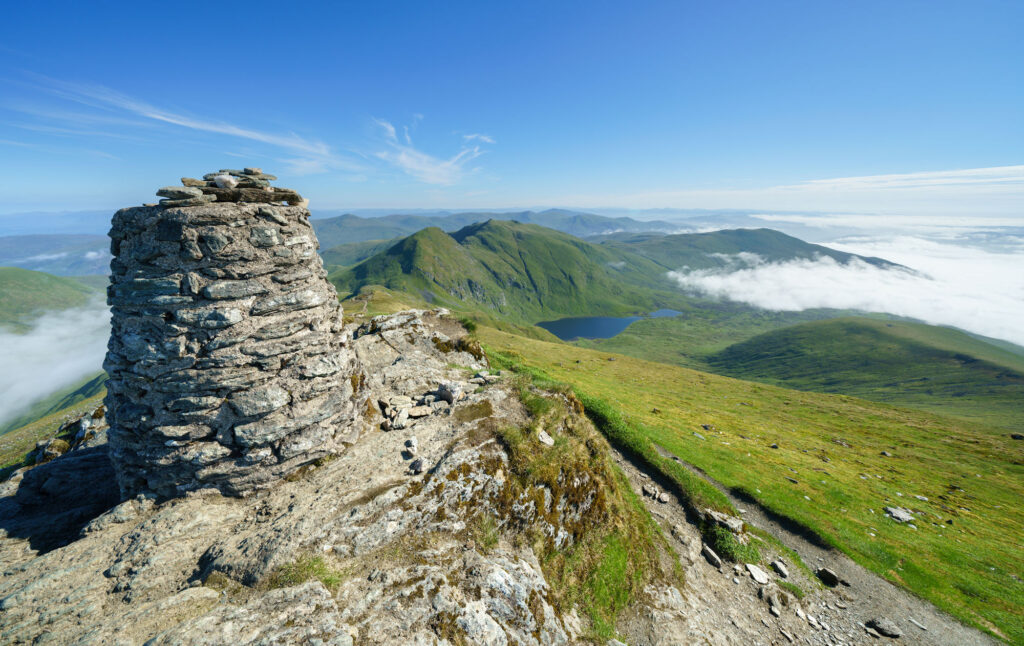
Glen Lyon stretches for around 32 miles through the heart of Perthshire, making it one of the longest enclosed glens in Scotland. Despite its size, it remains one of the country’s quieter corners, tucked away from the main tourist routes that run through Glencoe or Skye. Travellers who make the detour are usually rewarded with narrow single-track roads, ancient woodland, tumbling rivers, and a sense of space that’s increasingly hard to find elsewhere in the Highlands.
The glen is often associated with the poet and folklorist Duncan Ban MacIntyre, who described it as “the crookedest, longest, loneliest glen in Scotland,” and that description still feels accurate today. At its eastern end sits the village of Fortingall, home to one of the oldest trees in Europe. Further west, the glen opens out towards Loch Lyon and the wild slopes below Ben Lawers.
This guide covers the best places to visit in Glen Lyon, the walking and hiking options, how to get there, and practical information for planning a visit. Whether the plan is a short scenic drive or a full day of hillwalking, Glen Lyon offers a genuinely different pace from Scotland’s busier glens, and this guide sets out what to expect before setting off.
Why Visit Glen Lyon?
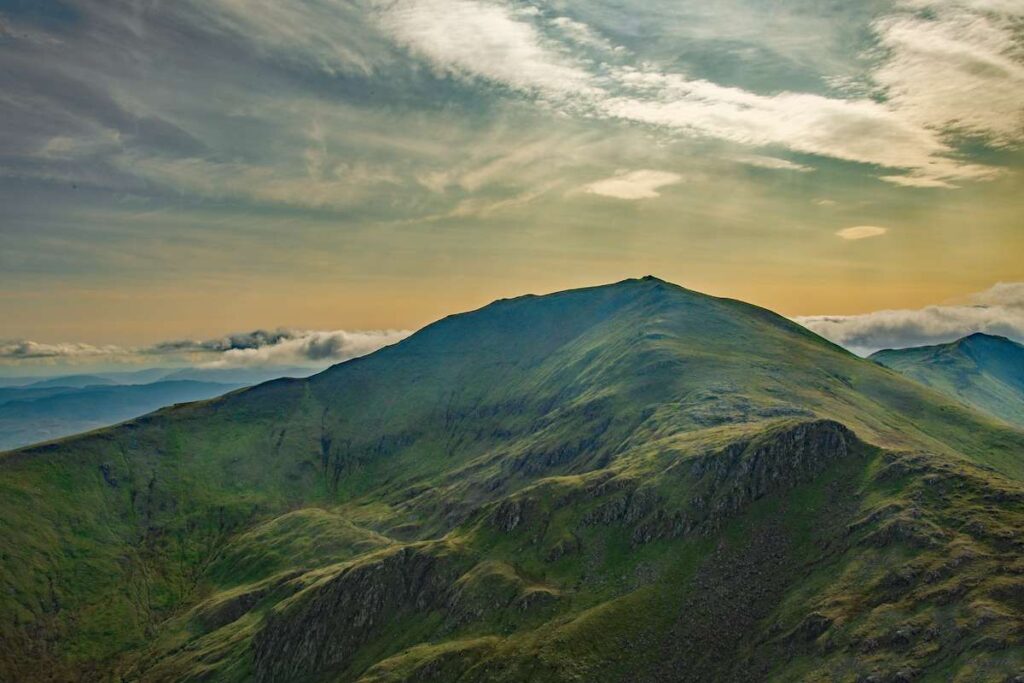
Glen Lyon appeals to travellers looking for a quieter alternative to Scotland’s more famous glens. Because it’s a long dead-end valley rather than a through-route, traffic stays light even in peak summer months. The scenery changes noticeably along its length, from gentle farmland and old birch woodland near Fortingall to bare, open moorland near Loch Lyon.
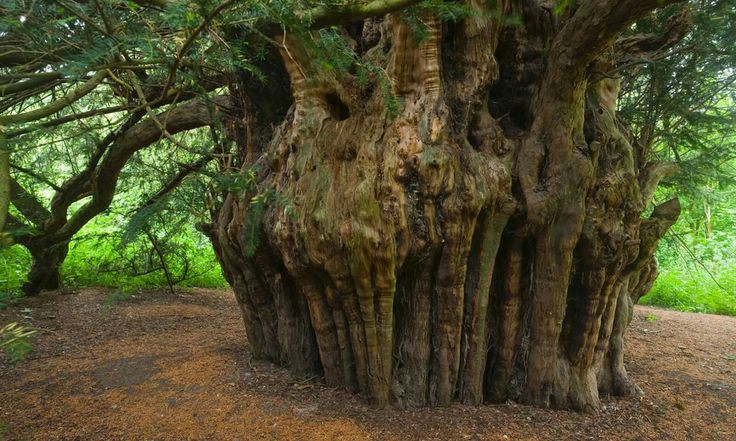
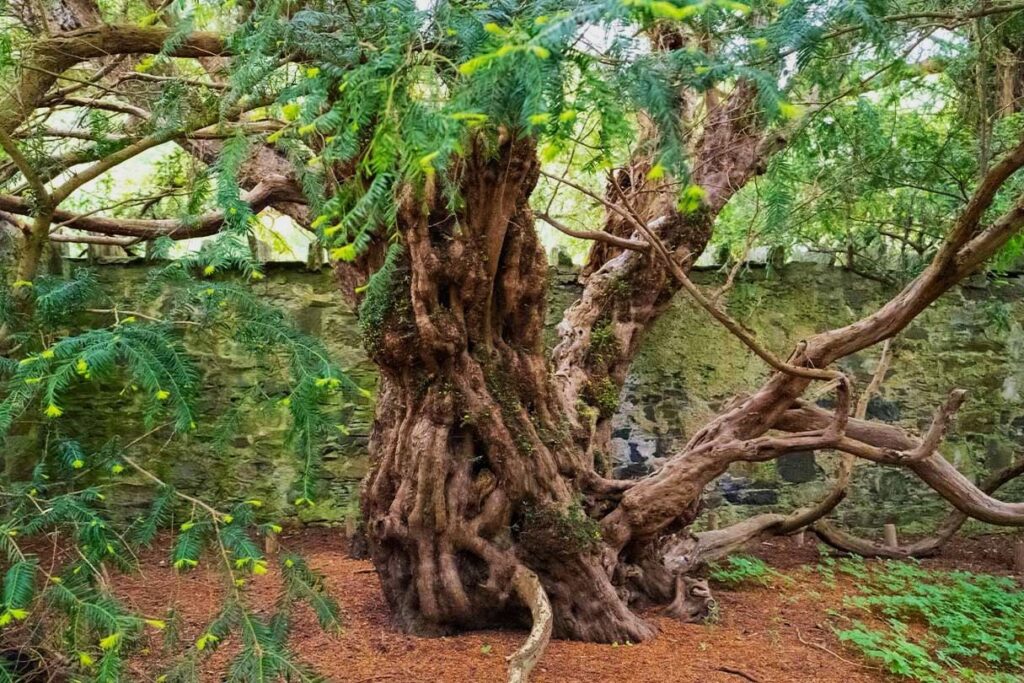
The glen also has genuine historical depth. The Fortingall Yew is thought to be among the oldest living things in Europe, and the surrounding area contains standing stones, old drove roads, and remnants of Iron Age settlement. For those interested in Highland history alongside natural scenery, Glen Lyon offers both in one relatively compact area.
Wildlife is another draw. Red deer are commonly seen on the higher slopes, and the river supports otters and a healthy population of birdlife. Because visitor numbers stay low, sightings tend to be more frequent than in busier glens.
Best Places to Visit in Glen Lyon
Fortingall marks the eastern gateway to the glen and is worth a stop for the ancient yew tree alone, found in the churchyard. The thatched cottages nearby give the village a distinctive character rarely seen elsewhere in the Highlands.
Bridge of Balgie sits roughly midway along the glen and has a small tearoom that’s popular with walkers and cyclists. It also marks the turning point for the road over to Glen Lochay via the high mountain pass.
Loch Lyon, at the western end, is a reservoir surrounded by remote, open hills. The road becomes rougher here, and this is generally where the tarmac ends for most visitors.
MacGregor’s Leap, a narrow gorge on the River Lyon, is a short stop with dramatic rock formations and fast-moving water, particularly striking after heavy rain.
Best Walks and Hikes
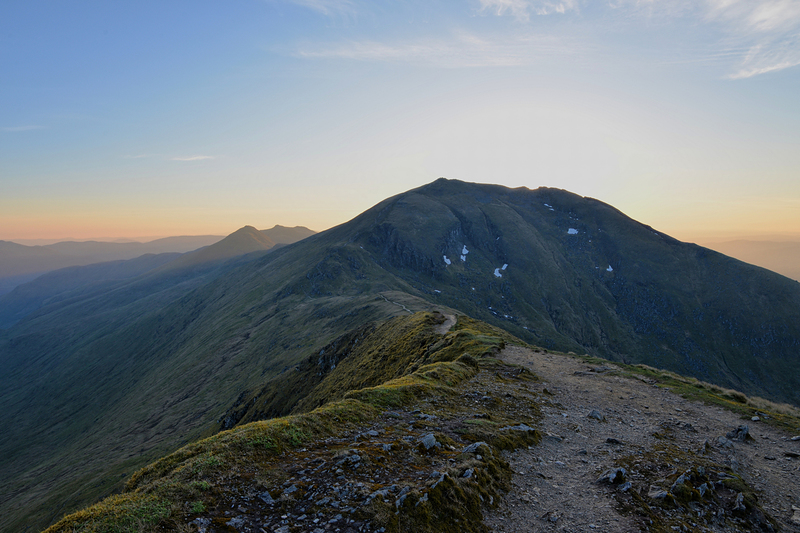
Glen Lyon offers walking options ranging from easy riverside strolls to serious mountain days. Near Fortingall and further along the glen, low-level paths follow the River Lyon through woodland and open pasture, suitable for most fitness levels and generally well-drained underfoot in drier months.
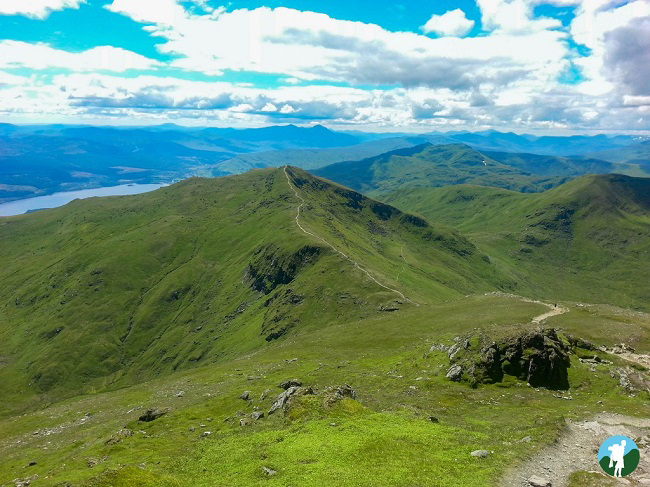
For hillwalkers, the glen provides access to several Munros, including Ben Lawers and the Carn Mairg group, reached from parking areas along the glen road. These routes are longer and more demanding, typically requiring a full day, proper navigation skills, and suitable mountain equipment.
The old drove road over to Glen Lochay from Bridge of Balgie is another option, offering high-level views without needing to summit a Munro. Conditions can change quickly at altitude, so travellers should check the weather forecast and come prepared with appropriate footwear, waterproofs, and a map or GPS device, since mobile signal is limited or absent through much of the glen.
Best Time to Visit
Glen Lyon can be visited throughout the year, though conditions vary considerably by season. Late spring through early autumn tends to offer the most reliable walking conditions, with longer daylight hours and generally drier underfoot conditions on the lower paths.
Autumn brings notable colour changes in the woodland around Fortingall and along the river, along with the red deer rut on the higher ground. Winter can be atmospheric but demands caution, as the higher routes require winter hillwalking experience and appropriate equipment, and the glen road itself can be affected by snow and ice.
Midges are a factor in the warmer months, particularly near still water and in the early morning or evening, so repellent is worth packing between late spring and early autumn.
How to Get There
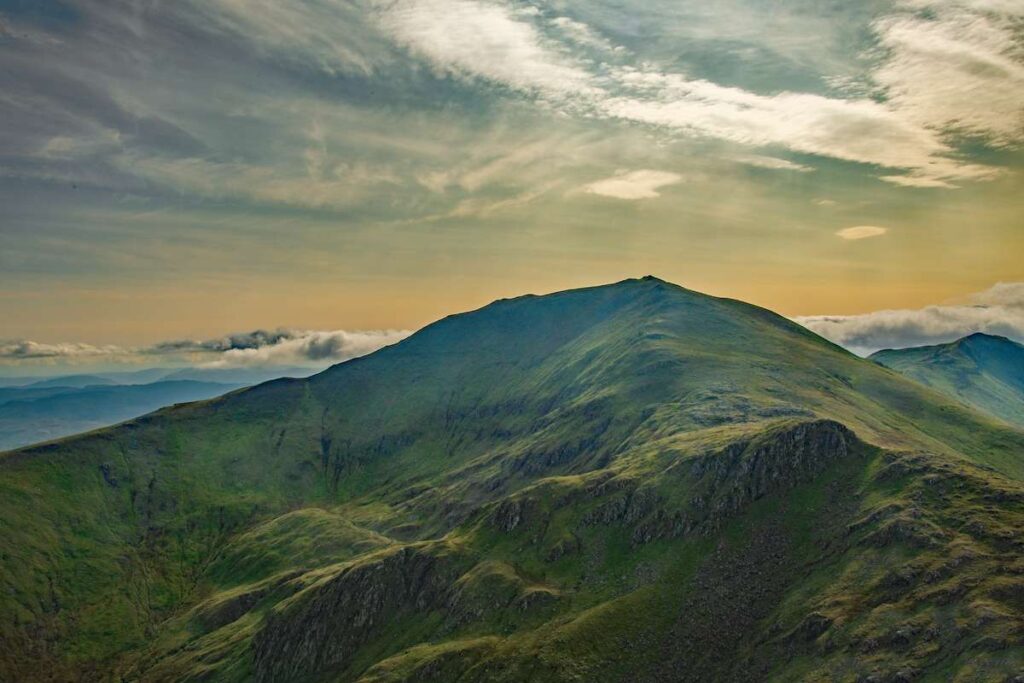
Glen Lyon is reached via the A827 through Fortingall, most commonly accessed from Aberfeldy or Kenmore. The glen road itself is a long single-track road with passing places, and driving times are longer than the distance might suggest.
Public transport options into the glen itself are limited, and most visitors travel by car. Cyclists also use the glen road, particularly the route over to Glen Lochay, though the narrow width and blind bends call for caution when sharing the road with vehicles.
Parking is available at informal pull-offs and small car parks near key points such as Bridge of Balgie, though space can be limited, especially near popular walking start points during busier months.
| Information | Details |
|---|---|
| Best time to visit | Late spring to early autumn for walking; check conditions for winter visits |
| Visit length | Half a day for a scenic drive; full day for hillwalking |
| Best for | Walkers, wildlife watchers, quiet scenery, history |
| Parking | Informal pull-offs and small car parks; space is limited |
| Difficulty | Low-level walks are easy; Munro routes are strenuous |
Where to Stay and What to Bring
Accommodation directly within Glen Lyon is limited, with most visitors basing themselves in nearby Aberfeldy, Kenmore, or Killin, all within reasonable driving distance of the glen entrance. Options in these towns range from guesthouses to self-catering cottages, and availability varies by season.
For a day visit, practical items to pack include waterproofs, sturdy footwear, a printed map or offline GPS route given the lack of mobile signal, and food and water, since facilities within the glen itself are minimal beyond the tearoom at Bridge of Balgie.
Dogs are generally welcome on the lower paths, though it’s worth keeping them under close control near livestock and deer, which are common throughout the glen.
Nearby Places Worth Combining
Glen Lyon sits within easy reach of several other Perthshire attractions, making it possible to combine a visit with a wider Highland itinerary. Loch Tay and Kenmore lie just to the south, while the Ben Lawers National Nature Reserve offers further walking trails and a visitor centre focused on the area’s alpine plant life.
Travellers exploring the wider Central and Western Highlands sometimes combine Glen Lyon with a visit to Rannoch Moor or Glencoe, both of which offer a similarly wild, open landscape, though with considerably higher visitor numbers than Glen Lyon itself.
FAQ
Is Glen Lyon worth visiting?
Yes, particularly for travellers looking for quieter scenery than Scotland’s more visited glens. It offers varied landscapes, historical sites, and access to good walking routes with far fewer crowds.
How long is Glen Lyon?
Glen Lyon runs for roughly 32 miles, making it one of the longest enclosed glens in Scotland, stretching from Fortingall in the east to Loch Lyon in the west.
Is the road through Glen Lyon suitable for all cars?
The glen road is single-track with passing places and is generally suitable for standard cars, though the surface becomes rougher near Loch Lyon at the western end.
Are there facilities in Glen Lyon?
Facilities are limited. A small tearoom operates at Bridge of Balgie, but there are few other shops or services within the glen itself.
Can you walk in Glen Lyon without hillwalking experience?
Yes, several low-level riverside and woodland paths near Fortingall and along the glen are suitable for casual walkers, separate from the more demanding Munro routes.
Conclusion
Glen Lyon offers a genuinely quieter alternative to Scotland’s better-known glens, combining long stretches of open scenery with historical sites like the Fortingall Yew and access to serious hillwalking on peaks such as Ben Lawers. Its single-track road and limited facilities mean visitors should plan ahead, particularly around fuel, food, and navigation, since mobile signal is unreliable through much of the valley. For travellers willing to make the detour off the main Highland routes, Glen Lyon rewards with space, wildlife, and scenery that feels increasingly rare elsewhere in Scotland.