
Table of Contents
Ingleton Waterfalls Trail
The Ingleton Waterfalls Trail is one of those walks where the scenery does most of the work and your legs just come along for the ride. It sits in the Yorkshire Dales, loops around the village of Ingleton, and fits gorges, woodland and a lot of falling water into a single day out.
This Ingleton Waterfalls Trail guide covers seven reasons why visitors keep coming back, plus a few practical points so you don’t turn up in flip-flops. Yes, people do this. The trail has quietly judged every one of them.
1. The Waterfalls Keep Coming
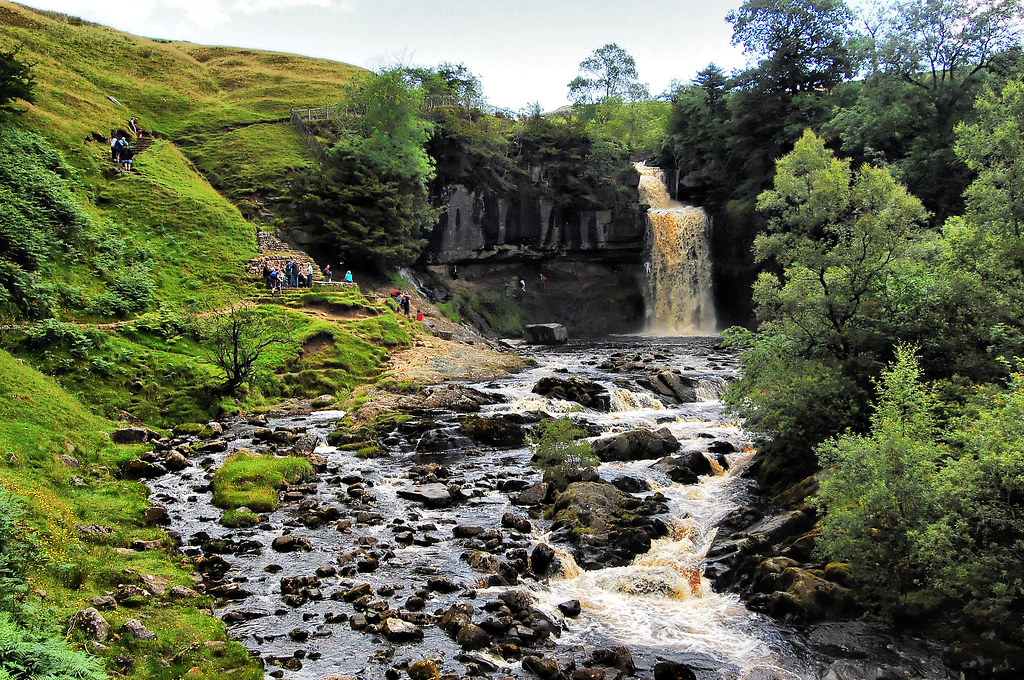
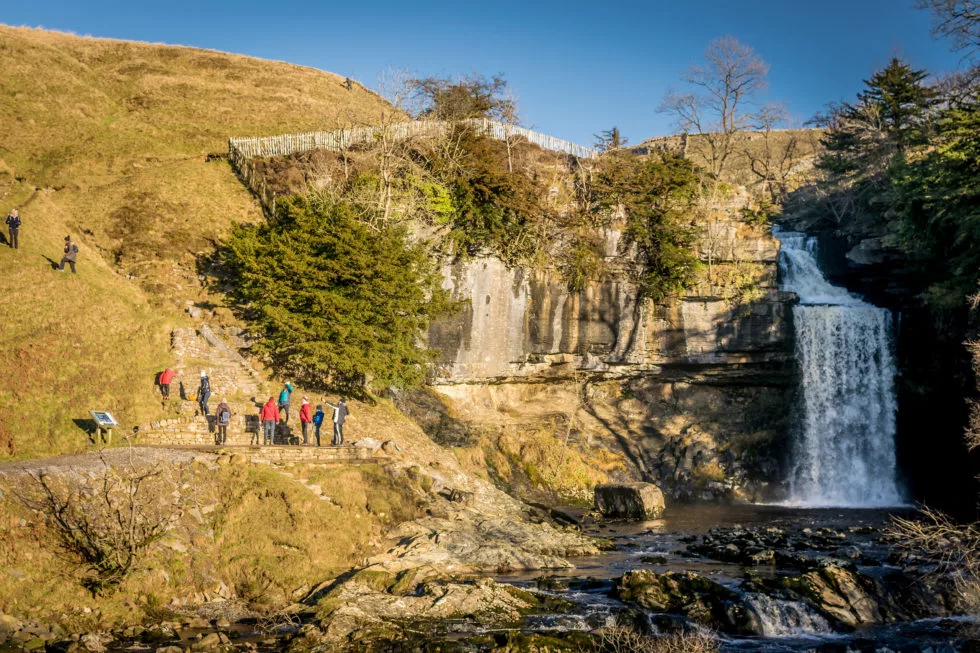
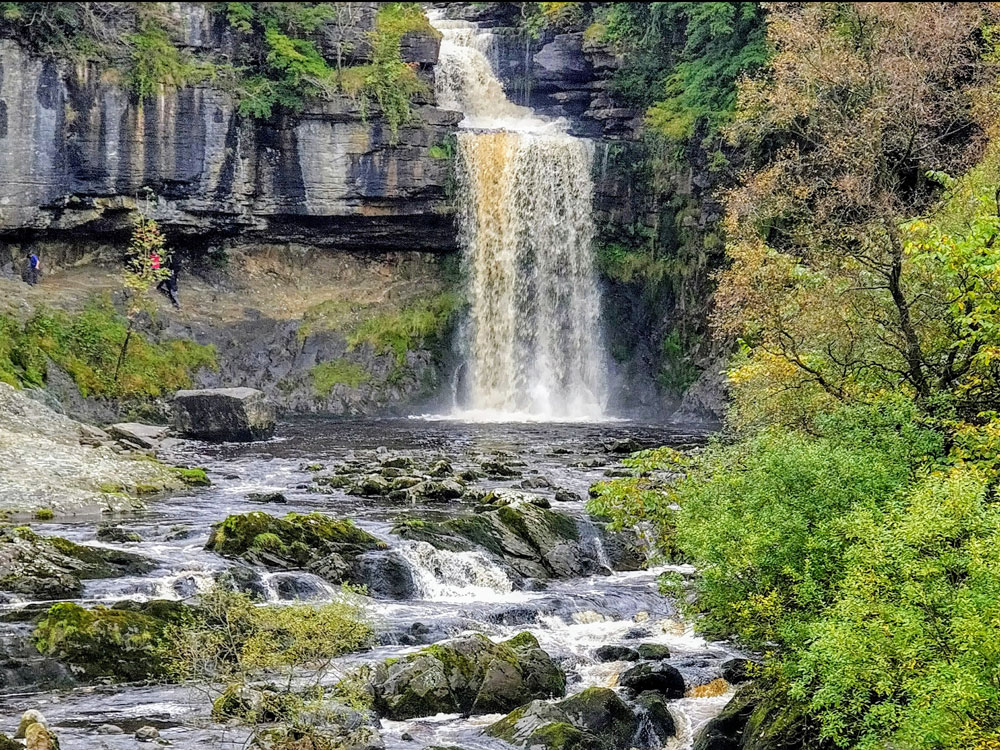
Most waterfall walks give you one big drop and then a long stroll back, wondering if that was it. The Ingleton Waterfalls Trail doesn’t work like that. Visitors can see Pecca Falls, Thornton Force, Beezley Falls and Rival Falls along the route, along with the rocky stretch of Baxengill Gorge and the smaller drop of Hollybush Spout.
You barely finish taking photos of one waterfall before you can hear the next one starting up. It’s a bit like a band that never lets the crowd go quiet. The walk follows two rivers, the Twiss and the Doe, so the water is never far from the path, and you will almost certainly get a phone full of waterfall photos that all look slightly alike. That’s normal. Nobody deletes them.
2. Thornton Force Is a Geology Lesson (Without the Boring Bits)
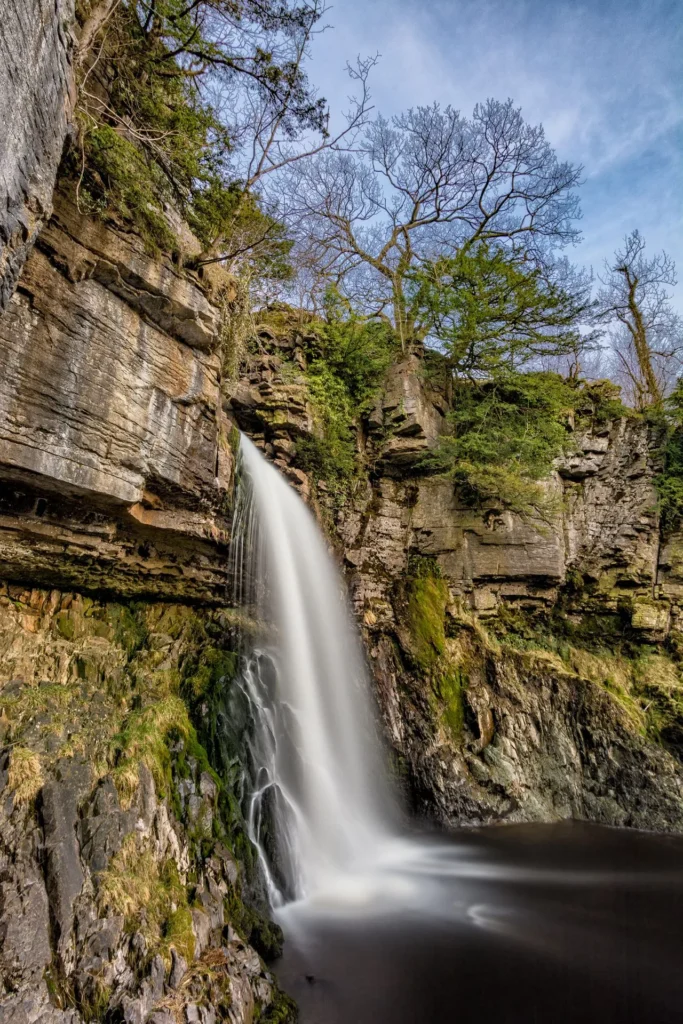
Thornton Force is the star of the walk. The water drops around 14 metres over a hard ledge of limestone, and the rock underneath it is a completely different type, much older and tilted at an angle. The two layers don’t match because millions upon millions of years are missing between them.
Geologists call this an unconformity. Visitors can just call it a very old sandwich with the wrong filling. It’s the kind of spot where even people who hated school science stand around nodding thoughtfully, pretending they understand it. The fall itself looks good in any weather, and the rock face around it makes it feel like a small natural amphitheatre.
3. The Ingleton Waterfalls Trail Distance Is Easy to Handle
The Ingleton Waterfalls Trail distance is roughly 4.5 miles (about 7 km) for the full circuit. Most visitors allow around four hours, and that’s before you stop for photos, snacks and the odd “just one more picture” moment, which will happen.
It’s a circular route, so there’s no need to arrange a lift back, and the path is signed as a one-way loop. That means you won’t have to dodge people coming the other way on narrow sections. Be aware that there are plenty of steps, some uneven ground and a few steeper climbs, so this is a proper walk rather than a flat stroll around a duck pond. Still, it’s far enough to earn a slice of cake afterwards, but not so far that you start negotiating with your knees.
Entry is charged at the start of the trail, so bring a card or some cash and check the current price on arrival.
4. The Woodland and Gorge Scenery Beats Most Gym Memberships
The first part of the route takes visitors through woodland above the River Twiss, including the leafy stretch of Swilla Glen. The trees close in, the river noise gets louder, and the car park starts to feel like a different century. Later the path opens out into meadows, and views of Ingleborough, one of the Yorkshire Three Peaks, appear on higher sections.
A good Ingleton Waterfalls Trail walk is really a mix of three things: shady woods, rocky gorges and open fields. That variety keeps things interesting, and it means you rarely go more than ten minutes without something new to look at. Your step count will be impressive, and you’ll barely notice. It’s cheaper than a gym, and the changing rooms are much better. They’re called trees.
5. Every Season Has Its Own Show
The Ingleton Waterfalls Trail changes quite a bit through the year. Spring brings fresh green growth in the woods, summer gives some welcome shade, and autumn adds orange and gold to the gorge sides. After heavy rain the waterfalls get louder and more powerful, which is great for photos but worth treating with respect.
Rain is the one type of weather the trail actually enjoys, so don’t take it personally. That said, wet weather makes the rocks and steps slippery, and rivers can rise quickly. Visitors can avoid problems by checking the forecast, wearing proper footwear and not standing too close to any edge for a better picture. In winter, parts of the path can be icy, so take extra care and allow more time.
6. Families and Dogs Are Welcome
The Ingleton Waterfalls Trail works well for families with children who are used to walking. Kids tend to enjoy it because it’s basically a long game of “find the next waterfall”. The path is well kept, the route is clear, and there’s enough going on to hold the attention of anyone under ten, at least until the snacks run out.
Dogs are allowed, and visitors can keep them on a lead, especially near drops and steep sections. A dog that loves water will have the time of its life, and it will also share that joy with you in the car afterwards. The route isn’t suitable for pushchairs or wheelchairs because of the steps and uneven surfaces, so parents of very young children might prefer a carrier. There’s usually a refreshment stop around the halfway point, but opening times change, so pack a few snacks as backup.
7. Ingleton Makes a Good Base
After the Ingleton Waterfalls Trail, the village has pubs, cafes and shops, so visitors can sit down, take their boots off and eat something warm. This is arguably the best part of any walk, and nobody should feel guilty about it.
Ingleton is also a handy base for the rest of the area. Visitors can head out to Ingleborough and Whernside for more serious hill walking, visit White Scar Cave, or see the Ribblehead Viaduct, one of the best-known railway structures in the Dales. If you plan to stay longer, the village gives you plenty of options without having to drive far. Make a weekend of it, and you can do the waterfalls one day and recover on the sofa the next.
Final Thoughts
The Ingleton Waterfalls Trail ticks a lot of boxes at once. It has big waterfalls, interesting rocks, shady woods, open views and a sensible distance, all within a short walk of a village with food and parking. It’s not a hard hike, but it isn’t a stroll in the park either, and that balance is exactly why so many people enjoy it. Wear good shoes, bring a waterproof, leave a little extra time and don’t skip the cake.
Frequently Asked Questions
1. How long is the Ingleton Waterfalls Trail?
The full circuit is about 4.5 miles (roughly 7 km). Most visitors take around four hours, depending on how often they stop for photos and snacks.
2. Is there an entry fee?
Yes, a fee is charged to walk the route. Visitors can pay at the start of the trail, and it’s best to check the current price before arriving since it can change.
3. Is the Ingleton Waterfalls Trail suitable for children?
It suits children who are used to walking, but there are steps, steep sections and drops near the water. Keep younger ones close and hold their hands near the edges.
4. Can I take my dog?
Yes, dogs are allowed. Keep them on a lead, especially near waterfalls and rocky sections, and bring water for them.
5. Is the Ingleton Waterfalls Trail suitable for wheelchairs and pushchairs?
Not really. The path has many steps and uneven surfaces, so it isn’t practical for wheelchairs or standard pushchairs. A baby carrier is a better option for parents of very young children.
6. Where can I park?
Ingleton has pay-and-display car parks close to the start of the route. They can fill up on summer weekends and bank holidays, so arriving early is a good idea.
7. Which direction should I walk?
The route is signed as a one-way circular loop, so visitors simply follow the signs. This keeps the narrow sections from getting crowded with people going both ways.
8. What should I wear on the Ingleton Waterfalls Trail?
Sturdy walking shoes or boots with good grip are the main thing, since rocks and steps can be slippery. Bring a waterproof jacket, even if the sky looks friendly, because Dales weather likes surprises.
9. When is the best time to visit?
Any season works. Spring and autumn are popular for colour, summer is good for shade, and the days after rain are the best for powerful waterfalls. Winter visits need extra care because of ice.
10. Are there toilets and food along the way?
Visitors can use facilities and cafes in Ingleton before or after the walk. There is usually a refreshment stop partway round, but it isn’t always open, so carrying water and snacks is sensible.