
Table of Contents
Isle of Rum
The Isle of Rum doesn’t try to be easy. There’s no bridge, no regular flights, and only a handful of sailings a week connect it to the mainland. What you get in exchange is one of the wildest, least-visited corners of the Hebrides — a National Nature Reserve where golden eagles patrol the ridgelines, red deer have been studied continuously since the 1950s, and a crumbling Edwardian castle sits at the head of a sea loch like a fossil from another era. Fewer than 40 people live here year-round, and the entire island is run largely for nature rather than for tourism, which is exactly why it rewards the effort to reach it. This guide covers how to get to Rum, what to do once you’re there, where to sleep, and the practical details that make the difference between a smooth trip and a frustrating one.
Where Is the Isle of Rum and Why Visit
Location and Landscape
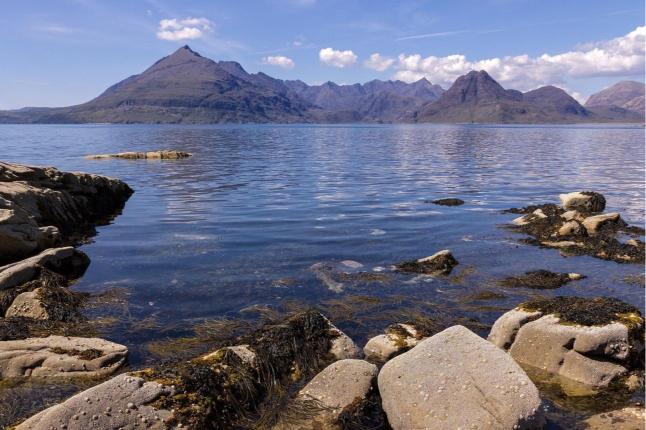
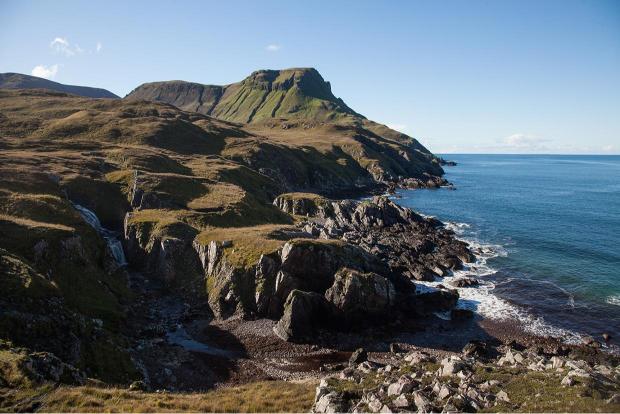
Rum sits off Scotland’s west coast, part of the Small Isles group along with Eigg, Muck, and Canna, roughly between Skye and the Ardnamurchan peninsula. It’s the largest of the four, dominated by the jagged Rum Cuillin — a range of volcanic peaks that rival their more famous Skye namesake for drama, if not for footfall. The island’s interior is largely uninhabited moorland and mountain, with the only settlement, Kinloch, tucked around a sheltered sea loch on the east coast.
Geologically, Rum is one of the most studied islands in Britain. It formed from the eroded remains of a huge volcano active around 60 million years ago, and its rock layers have drawn geologists from around the world for over a century. That same volcanic history is what gives the Cuillin their jagged silhouette and the island its dramatic, almost otherworldly feel.
Why People Make the Trip
Most visitors come for one of three reasons: hillwalking in the Cuillin, wildlife watching, or the strange pull of Kinloch Castle. Rum is also one of the best places in Scotland to see white-tailed and golden eagles together, since the island was a key site in the reintroduction of white-tailed eagles to Scotland in the 1970s. Add in red deer, otters, and seabirds, and it’s easy to see why naturalists rate Rum so highly despite its lack of conventional “attractions.”
It’s worth setting expectations early: Rum is not a polished tourist destination. There’s one shop, one café, and no mobile signal in most of the interior. That’s precisely its appeal for the kind of traveller this guide is written for.
How to Get to the Isle of Rum
Ferry from Mallaig
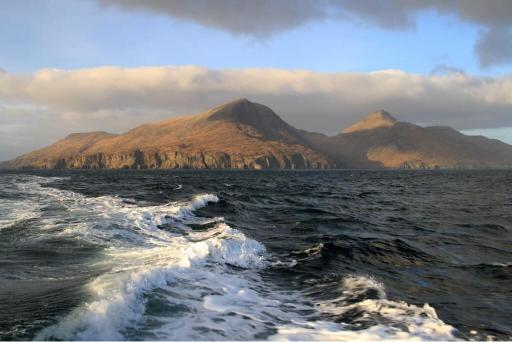
The main route to Rum is the CalMac ferry from Mallaig, a small fishing port at the end of the “Road to the Isles” from Fort William. The crossing takes around 90 minutes on the direct sailing, though the ferry often serves all four Small Isles on a single run, so timings and stops vary depending on the day. Sailings don’t run every day of the week, and the order in which the boat visits the islands changes, so it’s essential to check the current CalMac timetable before planning your trip rather than assuming a fixed schedule.
Foot passengers generally don’t need to book far ahead outside peak season, but tickets must be bought before boarding, and vehicle spaces are limited and should be booked in advance if you’re bringing a car. Most visitors leave their car in Mallaig, where there’s a large car park near the harbour, and travel to Rum on foot or with a bike.
Getting to Mallaig
Mallaig itself is reachable by road from Fort William along one of Scotland’s most scenic drives, or by the West Highland train line, which crosses the Glenfinnan Viaduct — instantly recognisable to Harry Potter fans — on its way to the coast. From Glasgow, the full journey by train takes around five hours, and many visitors break the trip with an overnight stop in Fort William or Mallaig to line up train and ferry times comfortably rather than risk a tight connection.
Alternative: Sailing from Arisaig
In summer months, a smaller passenger boat also runs from Arisaig, a village a little south of Mallaig, though this service typically operates on a more limited schedule, often just one day a week. It’s a good option for visitors based in Arisaig, but for most travellers the CalMac service from Mallaig remains the more reliable choice.
Day Trip or Overnight
It’s possible to visit Rum on a day trip, but the window on the island is tight — often somewhere between two and five hours depending on the sailing pattern that day — which is enough time for a short walk and a look at the castle exterior, but not much more. Anyone hoping to hike into the Cuillin, visit the Kilmory red deer research area, or properly explore the nature reserve should plan to stay at least one night, ideally two.
Things to Do on the Isle of Rum
Hillwalking in the Rum Cuillin
The Rum Cuillin ridge is the island’s centrepiece for serious walkers. Peaks like Askival and Hallival offer classic Hebridean mountain days, with steep, rocky terrain and sweeping views across to Skye, Eigg, and the mainland on a clear day. These are proper mountain routes rather than gentle strolls — expect scrambling sections, exposed ridgelines, and fast-changing weather, so this is a route for experienced hillwalkers with the right gear, not a casual add-on to a day trip.
For those wanting a taste of the Cuillin without the full traverse, shorter routes up Coire Dubh and onto Barkeval give a strong sense of the terrain and reward you with views right across the island, at a fraction of the commitment.
Wildlife Watching
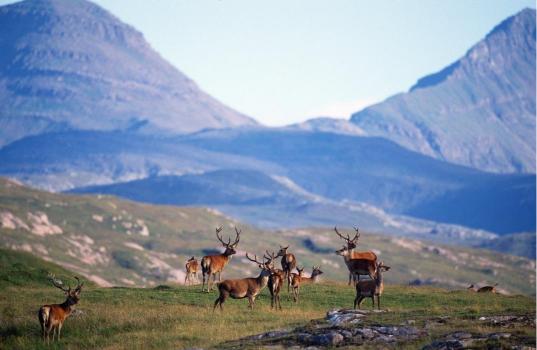
Rum’s wildlife is arguably its biggest draw. The island has nearly a thousand red deer, subjects of one of the longest continuous studies of a wild mammal population anywhere in the world, run by researchers from Cambridge and Edinburgh universities. The Kilmory area in the north of the island is the centre of this research and a reliable spot to see deer at close range, particularly during the autumn rut.
Birdlife is equally strong. Rum was a key site in the reintroduction of white-tailed eagles to Scotland, and both white-tailed and golden eagles are regularly seen over the hills above Kinloch. Down at sea level, the shoreline around Loch Scresort is good for spotting seabirds, seals, and otters, and there’s a dedicated otter hide a short walk south of the main pier for those willing to sit quietly with binoculars. The wider waters around Rum also form part of the Hebridean Whale Trail, with harbour porpoises and dolphins occasionally spotted from the shore.
Kinloch Castle
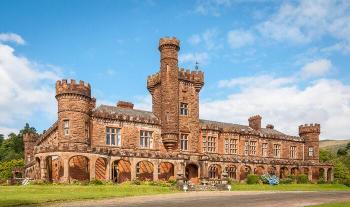
No visit to Rum is complete without seeing Kinloch Castle, the extraordinary red sandstone mansion built in 1900 for the wealthy Bullough family. In its heyday it was one of the most lavish private houses in Scotland, complete with a ballroom, an early hydroelectric system, and reportedly even alligators kept as pets. The building has fallen into disrepair over recent decades, and access has changed over the years — at the time of writing the castle is closed to public tours, with visitors able to view it from the track that passes the entrance. Because opening status changes, it’s worth checking directly with NatureScot or the Isle of Rum community website before your trip if seeing the interior is a priority.
Nearby, the Bullough Mausoleum, a Greek-temple-style structure on the far side of the island, is a strange and worthwhile detour for those with time to walk to it, offering a glimpse into the family’s outsized ambitions for their island retreat.
Walking and Cycling Routes
Beyond the Cuillin, Rum has a network of gentler walking and cycling routes suited to all abilities. The Nature Trail, a roughly one-hour circular walk from Kinloch, climbs along the north side of Kinloch Glen and gives a good introduction to the reserve’s landscape without requiring mountain fitness. Longer tracks head south-west to Harris Bay, home to the Bullough Mausoleum and a wild, remote beach, or north to Kilmory. Rum has over 30 miles of roads and 4WD tracks, and mountain biking is a popular way to cover ground quickly, though the terrain is rough enough that it suits confident riders rather than casual cyclists.
Kinloch Village Life
Kinloch itself, while tiny, has a few essential stops. Kim’s Kitchen in the village hall is the island’s café and a good place to warm up with tea and cake, while the small craft shop by the red phone box and the Rum General Store are worth a browse, including for locally brewed Askival Rum, a nice novelty souvenir. The village is also a good base for simply watching the comings and goings of Loch Scresort, where shorebirds and the occasional eagle overhead are common sights even without setting off on a formal walk.
Best Time to Visit the Isle of Rum
Spring and Summer
Late spring through summer is the most popular and arguably the most comfortable time to visit, with the longest daylight hours for hiking and the best chance of settled weather for tackling the Cuillin. Wildflowers and seabird activity peak in this period, and ferry sailings tend to be more frequent. The trade-off is midges, which can be a serious nuisance on calm, damp summer evenings — repellent and midge nets are worth packing without fail.
Autumn
Autumn brings the red deer rut, one of the most dramatic wildlife spectacles on the island, along with changing colours across the moorland. Weather becomes more unpredictable, and daylight hours shorten quickly, so plans need more flexibility than in high summer.
Winter
Winter visits are for the committed. Ferry sailings are less frequent, weather can cancel crossings altogether, and the Cuillin become a serious winter mountaineering proposition rather than a summer walk. Accommodation options also shrink, with some facilities closed. For most travellers, winter is not the ideal time to attempt a first visit to Rum.
Where to Stay on the Isle of Rum
Accommodation on Rum is limited, which is part of why booking ahead matters more here than almost anywhere else in Scotland.
In Kinloch Village
Kinloch has a small bed and breakfast, a bunkhouse offering more budget-friendly shared accommodation, and a campsite near the ferry terminal with basic facilities. These book up quickly in peak season given how few beds exist on the entire island, so reaching out well in advance — often months ahead for summer dates — is strongly advised.
Wild Camping
Wild camping is legal across Scotland under the right-to-roam principles, provided visitors follow the Scottish Outdoor Access Code, and Rum’s dramatic scenery makes it a tempting option for self-sufficient hikers. Anyone wild camping should be prepared for genuinely remote conditions, carry all supplies in and rubbish out, and camp well away from the deer research areas around Kilmory to avoid disturbing ongoing studies.
Staying on the Mainland
For travellers who can’t secure a bed on Rum itself, or who prefer more choice, Mallaig has a wider range of guesthouses, hotels, and self-catering options, making it a practical base for a day trip even if it means less time on the island itself.
Practical Travel Tips for Visiting Rum
What to Pack
Scottish island weather is unpredictable at the best of times, and Rum’s mountainous terrain makes it more so. Proper waterproofs, warm layers regardless of season, sturdy hiking boots, and a map and compass for any walk beyond the village are all essential. Midge repellent is close to non-negotiable in summer, and a headtorch is worth carrying even on day visits in case a walk runs later than planned.
Facilities and Supplies
The Isle of Rum General Store stocks essentials including fresh, frozen, and tinned food, along with milk and bread, but choice is limited compared to the mainland, and it’s sensible to check opening hours in advance rather than rely on it for a full trip’s supplies. There’s no bank or cash machine on the island, so bringing sufficient cash is worth considering even where card payment is accepted.
Mobile Signal and Connectivity
Mobile signal on Rum is patchy at best and largely absent once away from Kinloch. Visitors relying on phones for navigation should download maps in advance, and anyone heading into the Cuillin should tell someone their planned route and expected return time, since help is not close at hand if something goes wrong.
Money and Costs
Because prices, ferry fares, and accommodation rates change regularly, this guide deliberately avoids quoting specific figures. Always check the current CalMac fares and any accommodation provider’s rates directly before booking, particularly for vehicle spaces on the ferry, which tend to be the most expensive and limited element of a Rum trip.
A Two-Day Itinerary for the Isle of Rum
Day One: Arrival and Kinloch
Take the morning ferry from Mallaig, allowing around 90 minutes for the crossing and enjoying views of Eigg and the surrounding islands along the way. On arrival, settle into your accommodation, then spend the afternoon on the Nature Trail loop above Kinloch Glen for an easy introduction to the island’s landscape. Finish the day at Kim’s Kitchen for tea and cake before an early night, since most walking routes are best tackled with a full day ahead.
Day Two: Wildlife and the Cuillin Foothills
Head out early toward Kilmory in the north to look for red deer and take in the coastal scenery, or, for confident hillwalkers, tackle Coire Dubh and on to Barkeval for sweeping views across the island and out to Skye. In the afternoon, walk back via the track past Kinloch Castle to see the building’s exterior, then take time at the otter hide near the pier before your return ferry, watching for seals and otters in the calm water of Loch Scresort.
Travellers with a third day or more should consider extending into the Rum Cuillin proper, or heading south-west to Harris Bay and the Bullough Mausoleum, both full-day undertakings that reward the extra time.
Frequently Asked Questions
Is the Isle of Rum worth visiting?
Yes, particularly for hillwalkers and wildlife enthusiasts. It’s less about polished attractions and more about genuine wilderness, so it suits travellers looking for a quieter, more remote Hebridean experience rather than easy sightseeing.
How do you get to the Isle of Rum?
The main route is the CalMac ferry from Mallaig, which takes around 90 minutes. A smaller seasonal service also runs from Arisaig in summer. Always check current timetables, as sailings don’t run daily and the order of island stops varies.
How long should you spend on the Isle of Rum?
A day trip is possible and gives time for a short walk and a look at Kinloch Castle, but at least one overnight stay is recommended for proper hiking or wildlife watching, and two nights allow a more relaxed pace.
Is Kinloch Castle open to visitors?
Access has changed in recent years and the castle is currently closed to public tours, with viewing possible from outside only. Check directly with NatureScot or the Isle of Rum community website before travelling, as this status can change.
Is the Isle of Rum suitable for families?
Younger children can enjoy the gentle walks around Kinloch and the wildlife watching near the village, but the island’s limited facilities, lack of mobile signal, and rugged terrain further afield make it better suited to families comfortable with a more remote, low-amenity trip.
What wildlife can you see on Rum?
Red deer, golden and white-tailed eagles, otters, seals, and a range of seabirds are the main highlights, with harbour porpoises and dolphins occasionally spotted offshore.
Do you need to book the ferry in advance?
Vehicle spaces should be booked ahead, especially in peak season, while foot passenger tickets are usually available on the day, though buying in advance is still sensible during busy periods.
Final Thoughts
Why the Isle of Rum Is Worth the Effort
Rum asks more of visitors than most Scottish destinations — a ferry that doesn’t run every day, limited beds, no mobile signal, and weather that can change plans at short notice. In return, it offers something increasingly rare: a landscape that hasn’t been smoothed over for tourism, where eagles still outnumber cafés and a Victorian fantasy of a castle slowly returns to the elements it was built to withstand. For travellers willing to plan around its rhythms rather than fight them, the Isle of Rum remains one of the most rewarding wild islands Scotland has to offer, and a natural addition to any wider tour of the Small Isles alongside Eigg, Muck, and Canna.