
Table of Contents
Malvern Hills
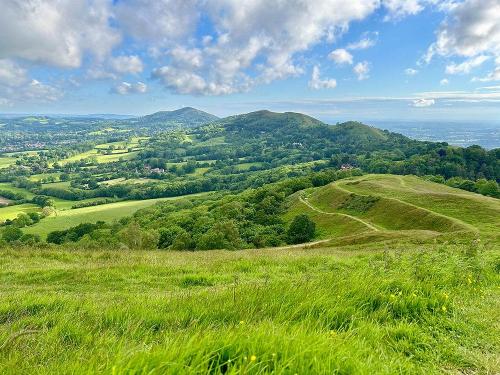
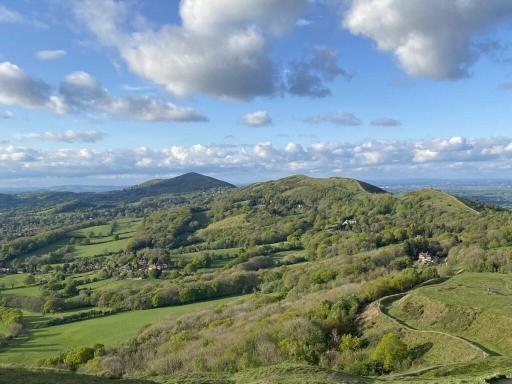
If you want a corner of England that feels bigger than its size, the Malvern Hills are an impressive choice. This nine-mile ridge of ancient volcanic rock rises above the Severn Valley on the Worcestershire-Herefordshire border, with wide views across the surrounding countryside.
The area is especially appealing to walkers, history lovers, photographers, and travelers looking for a quieter outdoor escape. Along the ridge, visitors can discover viewpoints, ancient hillforts, historic springs, and walking routes of different lengths and difficulty levels.
This guide explains the main places to visit in the Malvern Hills, the best walking areas, nearby attractions, where to stay, how to get there, and how to plan a two-day visit.
Why Visit the Malvern Hills
The Malvern Hills aren’t just scenery. They’re a genuine geological curiosity — some of the oldest rock in England, formed hundreds of millions of years ago, long before the Alps or the Himalayas existed. That deep history is part of what makes standing on the ridge so striking; you’re looking out from rock that predates almost everything else in the landscape around it.
Then there’s the water. Malvern spring water has been prized since Victorian times, when the town became a fashionable “water cure” resort. Charles Darwin came here for treatment. Queen Victoria drank the water. Today you can still fill a bottle for free at public springs dotted around the hills, which is a small pleasure that never quite gets old.
Add in Iron Age hillforts, a handsome Victorian spa town, literary connections to J.R.R. Tolkien and C.S. Lewis, and one of the best short ridge walks in England, and you start to see why the Malvern Hills earn repeat visits rather than a single tick-box trip.
Quick Facts
| Location | Worcestershire, Herefordshire, and a sliver of Gloucestershire, England |
| Length of ridge | Around 9 miles (13 km) north to south |
| Highest point | Worcestershire Beacon, 425m (1,394 ft) |
| Nearest major town | Great Malvern |
| Nearest cities | Worcester (8 miles), Birmingham (about an hour by car), Bristol |
| Designation | National Landscape (formerly Area of Outstanding Natural Beauty) |
| Best for | Walking, hillforts, spa-town history, cider and food, family days out |
Best Things to See and Do in the Malvern Hills
Top Attractions
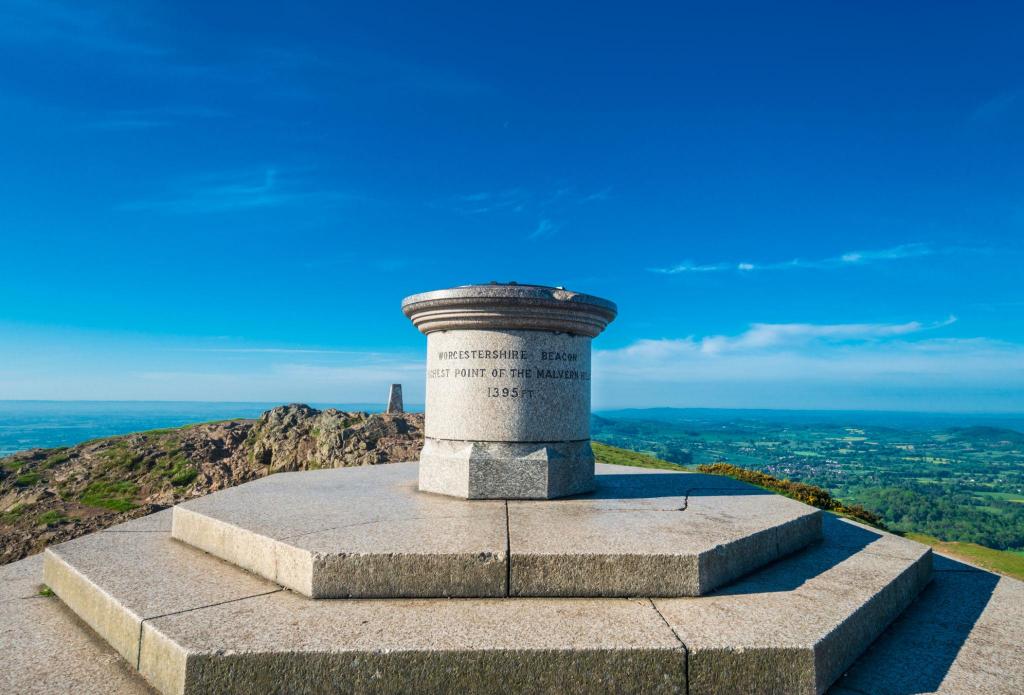
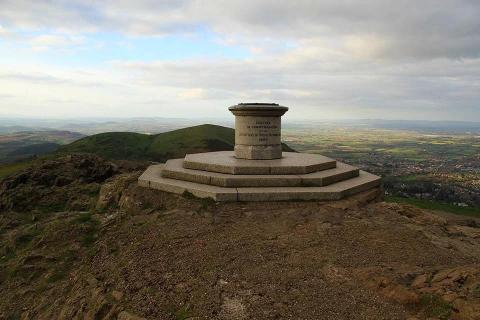
Worcestershire Beacon is the obvious starting point. At 425 metres, it’s the highest point in the range and the highest point in the county of Worcestershire. A toposcope at the summit, installed in 1897 to mark Queen Victoria’s Diamond Jubilee, helps you identify the landmarks spread out below — on a clear day you can pick out the Cotswolds, the Welsh mountains, and even Birmingham on the horizon. Allow around 90 minutes up and down from Great Malvern if you take it steadily, longer if you stop for photos, which you will.
Great Malvern Priory sits right in the town centre and is worth a slow half hour. Founded by Benedictine monks in the 11th century, it holds the largest collection of medieval stained glass in England outside York Minster. Entry is free, though donations are welcomed.
The Malvern Hills GeoCentre, at the Wyche Cutting, is the best place to start if you want context before you walk. It’s the visitor hub for the Geopark Way, a 109-mile trail running from Bridgnorth to Gloucester, and staff can point you toward routes matched to your fitness level. There’s also a café with genuinely good views.
The Morgan Motor Company has been hand-building sports cars in Malvern since 1910, and the Morgan Experience Centre lets you tour the factory floor and see cars assembled the traditional way. If you love classic design or engineering, budget at least two hours here — longer if you book one of the experience drives.
Malvern Theatres has hosted major productions since 1885, with strong historical links to George Bernard Shaw and the composer Edward Elgar, who grew up nearby. Check the programme before you travel; catching a show here is a nice way to round off a day of walking.
Iron Age Hillforts and Ancient History
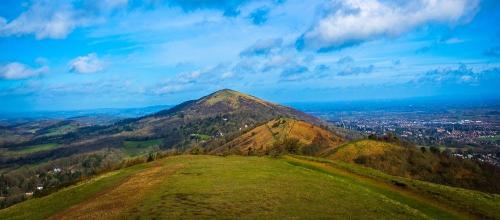
The Malvern Hills carry roughly 650 million years of geological history, but the human history is remarkable too. British Camp, on Herefordshire Beacon at the southern end of the ridge, is one of the finest Iron Age hillforts in Britain. Built around the 2nd century BC, its multiple earthwork banks enclose 44 acres, and a Norman motte-and-bailey castle mound, known as the Citadel, was later built on top. The 17th-century diarist John Evelyn called the view from here “one of the godliest vistas in England,” and it’s hard to argue with him.
Further north, Midsummer Hill holds another significant hillfort and is a quieter, less-visited alternative if you want the same sense of ancient scale without the crowds. Both sites are freely accessible and make an excellent picnic stop, with informal paths letting you trace the old ramparts as you walk.
Hidden Gems
Away from the main ridge, a few lesser-known spots reward the effort of finding them:
- Happy Valley, on the northern foothills near Great Malvern, is a wooded dell that turns into a carpet of bluebells every spring. It’s a favourite with locals rather than day-trippers.
- The Giant’s Cave, tucked into North Hill, is a rock shelter that’s said to have inspired parts of J.R.R. Tolkien’s landscapes — he walked these hills often and the connection is easy to believe once you’ve seen the terrain for yourself.
- St Ann’s Well, reached via a short but steep climb from town, is a Georgian spring house dating to 1813, with a marble basin where Malvern spring water still flows freely. The attached café serves vegetarian and vegan food and is a genuinely lovely stop, not just a tourist trap.
- Elmslie House, a Grade II-listed Victorian building in Great Malvern, hosts art exhibitions, craft fairs, and workshops — a good rainy-day option if the hills are socked in with cloud.
Best Beaches and Coastal Walks — What You’ll Find Instead
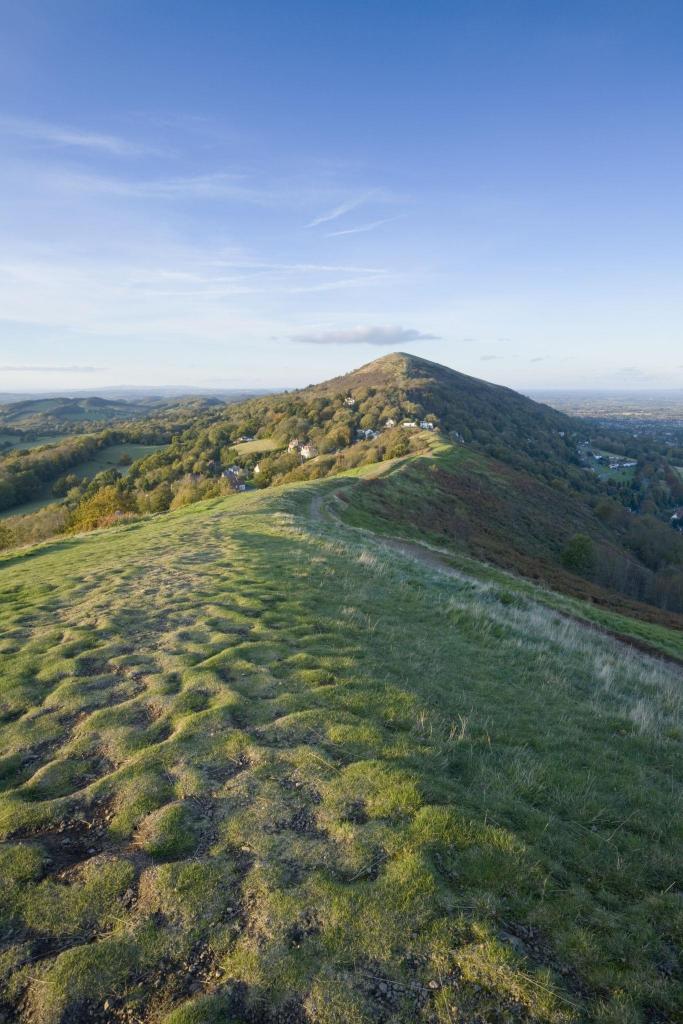
The Malvern Hills are landlocked, so there’s no coastline here — but that’s not the disappointment it sounds like. What the hills offer instead is a different kind of open-water experience: natural spring water. There are more than a dozen public springs and wells scattered across the hillside, many with stone spouts you can drink or fill bottles from directly, a tradition that goes back to the Victorian “water cure” era.
If it’s genuine coastline you’re after, the closest options are around an hour and a half’s drive away toward the Welsh coast near the Wye Valley, or roughly two hours to the Bristol Channel. Most visitors treat the Malvern Hills as an inland walking break rather than pairing it with a beach trip, and the ridge walks more than make up for the lack of sea views — you get equally sweeping panoramas, just with hills and valleys instead of waves.
Local Food and Famous Specialties
Malvern’s food scene punches above its weight for a town this size. The obvious starting point is Malvern water itself — still bottled commercially and once served at royal tables, and free to sample straight from the hillside springs.
Beyond the water, this is proper cider and orchard country. Worcestershire and Herefordshire sit at the heart of England’s cider belt, and you’ll find local cider on tap in almost every pub around the hills. Autumn brings apple festivals across the district, including displays of heritage apple varieties and fresh pressing demonstrations.
For a sit-down meal after a walk, a few names come up again and again locally:
- The Nags Head – a proper Malvern Hills pub, known for stews, burgers, and a well-kept pint of local cider.
- The Wyche Inn – right at the Wyche Cutting, with panoramic views over the Severn Vale and a solid Sunday roast.
- The Chase Inn – on the western slopes, dog-friendly and famous locally for its Sunday roasts and views toward the Black Mountains of Wales.
- The Cottage in the Wood – a fine-dining option with an AA rosette and unforgettable views over the Vale of Evesham.
- Mulberry Tree at Mount Pleasant Hotel – seasonal British dishes and a good range of locally brewed beers and ciders.
Tip box: Restaurants near the hills fill up fast on weekends and during events at the Three Counties Showground. Book ahead if you can, especially for Friday and Saturday evenings.
Best Time to Visit the Malvern Hills
There genuinely isn’t a bad time to visit the Malvern Hills, but each season brings something different, and knowing what to expect will help you plan.
Spring (March–May) is arguably the prettiest season, with bluebells carpeting Happy Valley and wildflowers spreading across the commons. It’s also when the RHS Malvern Spring Festival takes place at the Three Counties Showground, one of the biggest events in the district’s calendar.
Summer (June–August) brings the longest days and the busiest trails, along with open garden events across the district and a full calendar of outdoor festivals. This is peak walking season, so expect more company on the popular routes and busier car parks, especially at weekends.
Autumn (September–November) is harvest season, with cider and apple festivals, the Malvern Autumn Show, and dramatic cloud inversions that sometimes blanket the valley while the hilltops break through into sunshine — a photographer’s dream if you’re up early enough.
Winter (December–February) is quieter and colder, and because the Malverns sit higher than the surrounding countryside, they’re more likely to see snow than nearby towns. On a crisp, clear winter’s day the summit views are some of the sharpest of the year. Great Malvern also runs a Winter Glow festival with ice skating and light trails.
Quick fact: For the clearest long-distance views from Worcestershire Beacon, aim for a still, dry day in autumn or winter — summer haze often shortens the visibility even on a sunny afternoon.
Where to Stay in the Malvern Hills
Accommodation ranges from budget-friendly guesthouses to country house hotels, and most of it clusters around Great Malvern, with a scattering of options in the surrounding villages.
- Luxury and views: The Cottage in the Wood, set high on the eastern flank of the hills, offers individually styled rooms and some of the best views in the district. Colwall Park Hotel, on the western edge near Colwall village, pairs an English country house feel with a cosy lounge and log fire.
- Mid-range town base: The Abbey Hotel in Great Malvern puts you within walking distance of the Priory, the shops, and the main path up to the ridge.
- Self-catering and cottages: There’s a large selection of countryside cottages throughout the district, popular with families and dog owners, many within a short walk or drive of the hills themselves.
- Budget options: Bed and breakfasts and a youth hostel option exist in and around Great Malvern town centre for those keeping costs down.
Accessibility note: Great Malvern town centre is largely walkable and flat, but the hills themselves involve steep gradients. If mobility is a concern, ask your accommodation about routes with easier access, such as sections of Jubilee Drive, which can be enjoyed by car with short walks to viewpoints.
How to Get to the Malvern Hills
By train: This is the easiest way to arrive without a car. Great Western Railway runs direct services from London Paddington to Great Malvern, taking roughly 2 hours 20 minutes, with West Midlands Railway also serving the route from Birmingham. There are four stations within easy reach of the hills — Great Malvern, Malvern Link, Colwall, and Ledbury — all on the Cotswolds & Malverns line between Oxford and Hereford. Great Malvern station is a short, signposted walk from the base of the hills.
By car: The Malvern Hills sit roughly midway between Birmingham and Bristol, about an hour’s drive from Birmingham and around 2 hours from London, depending on traffic. The M5 and M50 motorways are the main approach routes, with several well-signed car parks around the base of the hills, including at British Camp and the Wyche Cutting.
By bus: National Express coaches connect London and Birmingham to nearby towns, with local bus services then linking into Great Malvern and the surrounding villages.
Getting around locally: Once you’re in the area, local trains link the four stations along the ridge in a matter of minutes, which is handy if you want to walk one-way and take a short train back to your start point.
Sample 2-Day Itinerary for the Malvern Hills
Day 1: The Ridge and the Town
Start early at Great Malvern station and walk up through town to the base of the hills — around 20 minutes on foot. Climb to Worcestershire Beacon via St Ann’s Well, stopping at the café for a coffee and a fill-up of spring water. Budget about 3 hours round trip with photo stops. Head back down into town for lunch, then spend the afternoon exploring Great Malvern Priory and the independent shops along Church Street. In the evening, catch a show at Malvern Theatres or settle into a pub dinner at the Nags Head or Mulberry Tree.
Day 2: Hillforts and History
Drive or taxi to British Camp (around a 12-minute ride from Great Malvern station) and spend the morning exploring the Iron Age hillfort at Herefordshire Beacon — allow 2 to 3 hours for the walk and the views. Have lunch at the Malvern Hills Hotel or the Kettle Sings tea room nearby. In the afternoon, head to the Morgan Motor Company for a factory tour, or, if the weather turns, visit the Malvern Museum in the historic Abbey Gateway. Round off the trip with an early dinner at the Wyche Inn, watching the sun drop over the Severn Vale.
Travel Tips for Visiting the Malvern Hills
- Wear proper footwear. Paths range from easy gravel tracks to steep, uneven scrambles, and weather on the ridge changes quickly.
- Bring a refillable water bottle — you can top up for free at several springs, including St Ann’s Well.
- Check train times in advance if you’re planning to walk between stations; services can be less frequent outside peak hours.
- Parking fills up on event weekends, particularly around Three Counties Showground dates. Arrive early or use the train.
- Photography tip: Early morning and late afternoon light gives the best contrast on the hills, and autumn mornings often bring cloud inversions worth setting an alarm for.
- Family-friendly note: Priory Park in Great Malvern, with its play area, lake, and bandstand, is a good low-effort option for younger children who aren’t up for a full hill walk.
- Solo traveller advice: The main ridge paths are well used and easy to navigate solo, especially between Great Malvern and British Camp. Stick to marked trails in poor visibility.
- For couples: The Cottage in the Wood or Colwall Park Hotel both make good bases for a quieter, romantic weekend away from the busier central paths.
- Dogs are welcome on the hills and at many of the pubs mentioned above, including the Wyche Inn and the Chase Inn.
Nearby Places to Visit
If you have extra time, several worthwhile spots sit within easy reach of the Malvern Hills:
- Worcester, just 8 miles away, has a magnificent cathedral dating back over 900 years and strong historical links to Edward Elgar and the English Civil War.
- Witley Court and Gardens, a dramatic Italianate mansion left as a ruined shell after a fire in 1937, with restored gardens and fountains that are still impressive today.
- The Cotswolds, around 30 to 60 minutes’ drive, for classic honey-stone villages if you want to extend your trip.
- Ledbury, a charming half-timbered market town just over the Herefordshire border, easily reached by train from Colwall.
Frequently Asked Questions
How long does it take to walk the Malvern Hills? Walking the full nine-mile ridge end to end typically takes 5 to 7 hours for a fit walker. Most visitors instead choose shorter sections, such as the walk to Worcestershire Beacon, which takes around 90 minutes round trip from Great Malvern.
What is the highest point in the Malvern Hills? Worcestershire Beacon, at 425 metres (1,394 feet), is the highest point in the range and in the county of Worcestershire.
Is Malvern Hills good for families? Yes. Easier access trails like the Jubilee Drive path and Black Hill Earnslaw suit younger children, while Priory Park in town offers a play area and open space for a lower-energy day.
Can you drink the water in the Malvern Hills? Yes. Malvern spring water flows freely from several public springs and wells around the hills, including St Ann’s Well, and has been prized since Victorian times.
How do I get to the Malvern Hills from London? The fastest option is a direct train from London Paddington to Great Malvern, taking around 2 hours 20 minutes. Driving takes roughly 2 to 2.5 hours depending on traffic.
Are dogs allowed on the Malvern Hills? Yes, dogs are welcome across the open hills and commons, and many local pubs, including the Wyche Inn and Chase Inn, are dog-friendly too.
What is British Camp? British Camp is a large Iron Age hillfort on Herefordshire Beacon, built around the 2nd century BC, later topped by a Norman castle mound. It’s one of the best-preserved hillforts in England and a popular walking destination.
When is the best time to see cloud inversions in the Malvern Hills? Autumn mornings, particularly after a clear, cold night, offer the best chance of seeing cloud inversions, where low cloud fills the valley while the hilltops rise above it into sunshine.
Is there parking near the Malvern Hills? Yes, there are several car parks at the base of the hills, including at British Camp and the Wyche Cutting, though they can fill up quickly during events and summer weekends.
What is the Malvern Hills known for? The Malvern Hills are known for their panoramic views, ancient geology, pure spring water, Iron Age hillforts, and literary connections to writers including J.R.R. Tolkien and C.S. Lewis.
Conclusion
The Malvern Hills reward exactly the kind of trip you want to build around them. Come for a brisk half-day hike and a pub lunch, or stretch it into a full weekend of hillforts, spring water, and Victorian architecture — either way, this stretch of Worcestershire earns its reputation as one of England’s finest short walking destinations. Whether you’re chasing panoramic views from Worcestershire Beacon, tracing ancient ramparts at British Camp, or simply filling a water bottle from a 200-year-old spring, the Malvern Hills offer a rare combination of accessible walking and genuine depth. Plan around the season that suits you, book your train or accommodation ahead for busy weekends, and give yourself at least two days to see why so many visitors to the Malvern Hills end up coming back.