
Table of Contents
Shetland Island
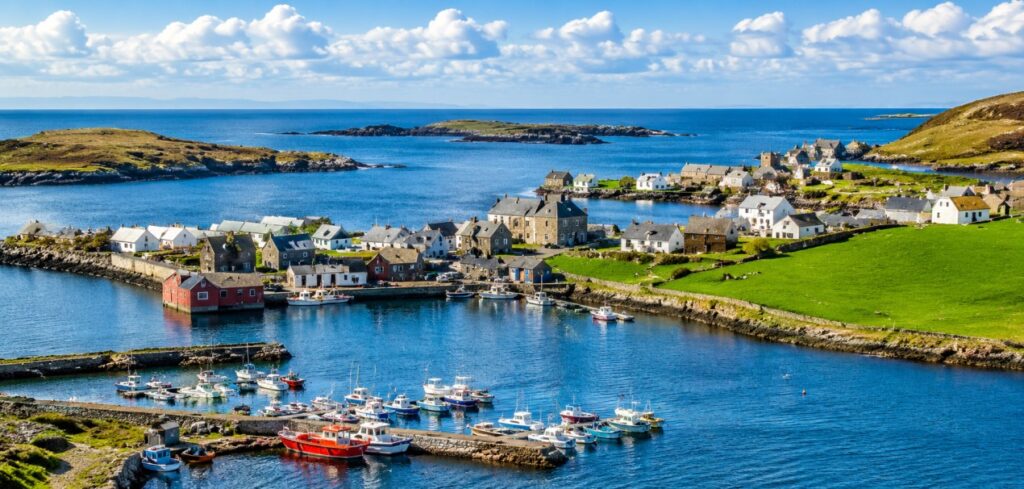
A trip to Shetland Island is not for anyone who needs a Starbucks within walking distance. It sits far up in the North Sea, closer to Norway than to London, and it has more sheep than seems necessary. It also has huge skies, wild cliffs, ancient ruins and puffins that look like they’re late for a meeting.
If you’re searching for things to do in Shetland Islands or the best places to visit in Shetland Islands, the eight spots below are a solid start. You can see most of them in a week without rushing. In summer the daylight lasts so long that you’ll have no excuse to go to bed early.
A Quick Word on Where You’re Going
Shetland Islands Scotland is a group of roughly 100 islands, and only about 15 of them have people living on them. The biggest one is called Mainland, which is a confusing name for an island, but nobody asked me. Most of the sights are on Mainland or a short ferry ride away.
The islands were ruled by Norse settlers for centuries before passing to Scotland in the 1400s. That’s why many place names sound Viking and the locals have their own dialect. Trees are rare here, mostly because the wind has strong opinions about them.
One tip for any first-timer on Shetland Island: pack layers. You can get four seasons before lunch, and the weather doesn’t apologise for any of them.
1. Lerwick
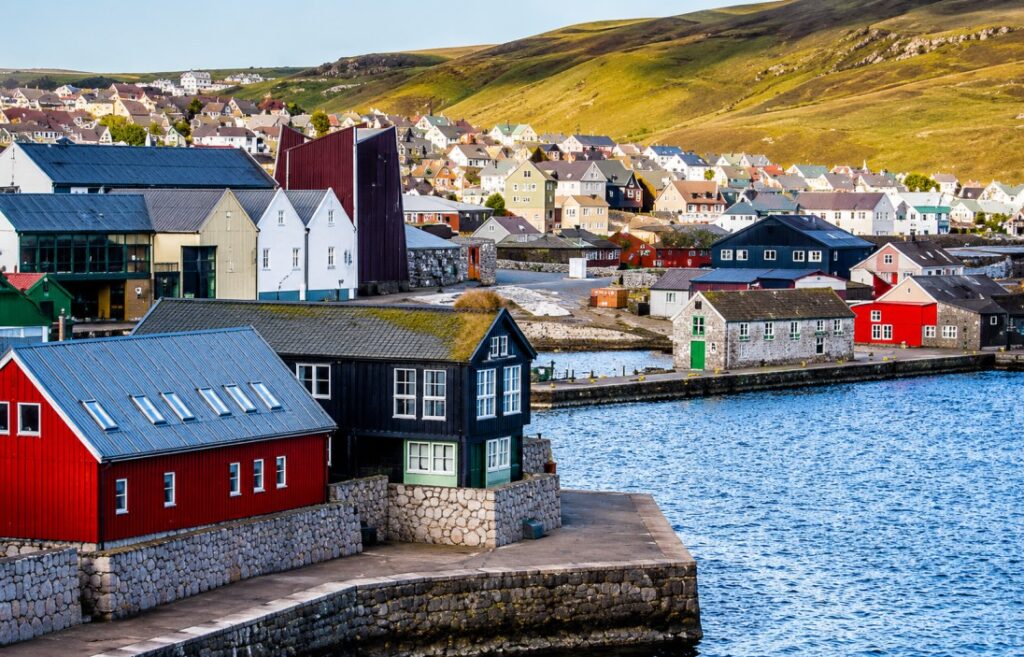
Start in Lerwick, the only proper town and a handy base. It’s the busiest part of Shetland Island, which means it has traffic lights, but not many of them, and nobody seems stressed about it.
Walk along the harbour and look at the old stone lodberries, the waterside storehouses where merchants once kept their goods (and, according to local stories, some goods they weren’t supposed to have). Fort Charlotte, built in the 1600s, is worth a quick visit. The Shetland Museum and Archives at Hay’s Dock is a good rainy-day option, and in Shetland you’ll probably need one.
2. Jarlshof
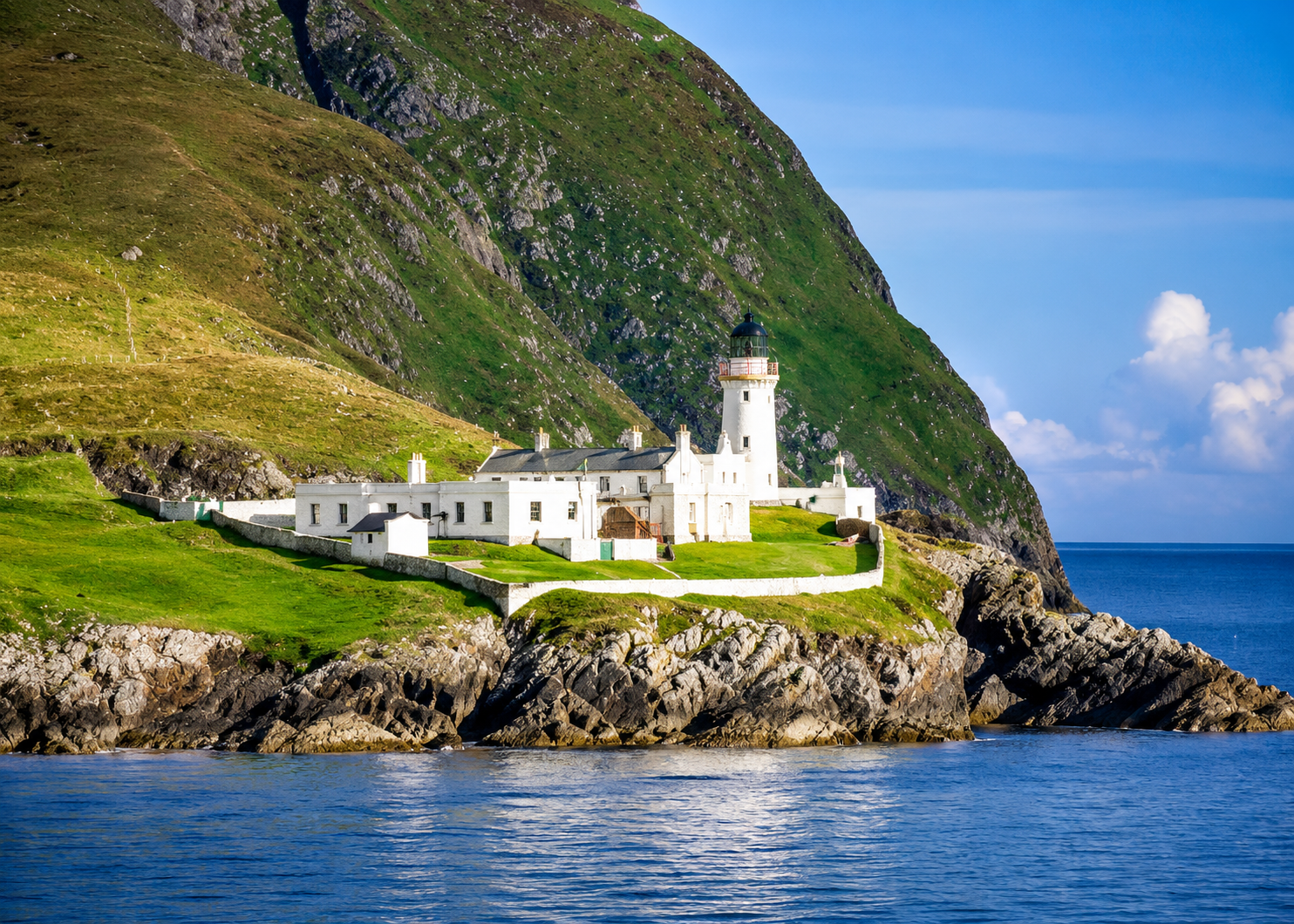
Jarlshof is at the southern tip, near the airport, and it’s one of the most interesting archaeological sites in the country. People lived here for around 4,000 years, from the Bronze Age through the Viking era and into medieval times. Each group simply built on top of the last one.
You can walk through the ruins and see the layers for yourself. Whoever lived here clearly decided it was a great spot and never moved out. That’s more commitment than I’ve ever shown to any flat.
3. Sumburgh Head
Right next to Jarlshof is Sumburgh Head, a lighthouse on a high cliff with some of the best wildlife watching in the islands. This is where you’ll find the puffins, and they’re smaller than you’d expect and funnier than you’d hope. They look like tiny penguins that lost an argument with a paintbox.
The best time to see puffins on Shetland Island is roughly May to early August. After that they head back out to sea, so don’t turn up in October and complain. You might also spot seals, porpoises and, with luck, a whale.
4. Mousa Broch
Mousa is a small island with a big attraction: a broch, which is a round Iron Age stone tower. This one is around 13 metres tall and is the best-preserved example anywhere. It has stood there for about 2,000 years, which makes it older than every building project I’ve ever seen finish late.
You reach it by a short boat trip, and the boats mostly run in the warmer months, so check times before you travel. If you visit on a summer evening, you may see storm petrels, tiny seabirds that flutter into the tower at dusk. It’s one of the more magical things to do in Shetland Island, and it costs less than a decent dinner.
5. St Ninian’s Isle
St Ninian’s Isle is joined to the mainland by a curved ribbon of white sand called a tombolo. You walk across the beach to reach the island, with water on both sides, and it feels like a film set. Check the weather first, because it’s very exposed.
On the island are the remains of a medieval chapel. In 1958, a schoolboy helped dig up a hoard of ancient silver here, which is exactly the sort of story that makes every kid dig harder at the beach. The treasure is now in a museum, but the beach itself is the real prize.
6. Eshaness Cliffs
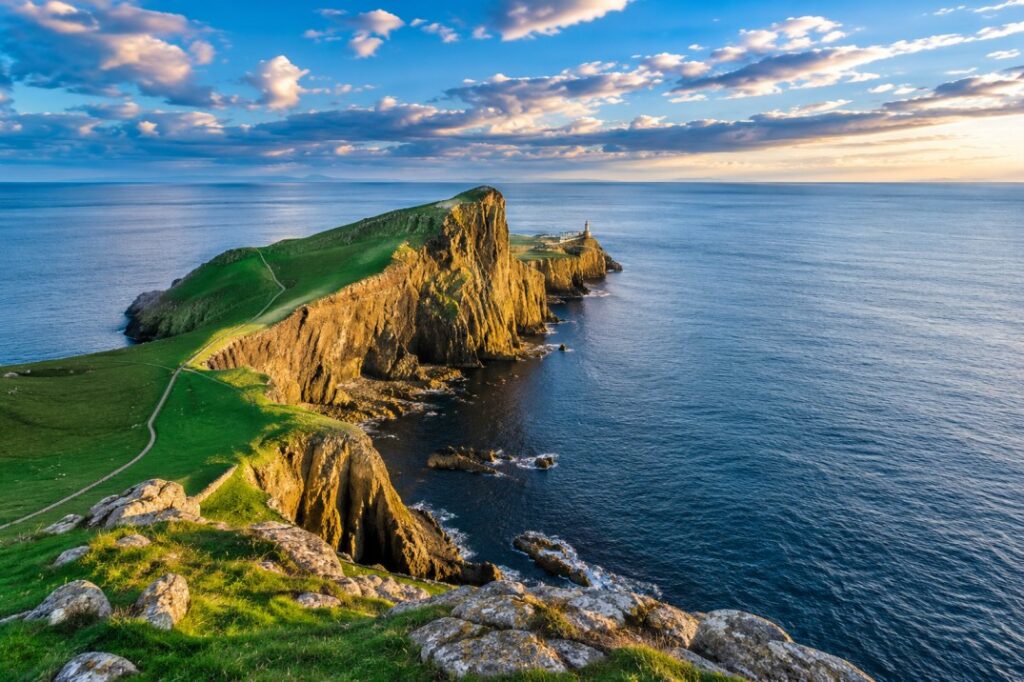
Head to the northwest of Mainland for Eshaness, where volcanic cliffs drop straight into a rough sea. There are sea stacks, blowholes and caves, and on stormy days the waves crash in with a lot of drama.
Stay well back from the cliff edges. The wind is strong, the ground can be slippery and the view isn’t worth falling for. Bring a jacket and hold on to your hat, because it will try to leave without you.
7. Unst and Hermaness
Unst is the most northerly inhabited island in Britain, and getting there involves a couple of short ferry rides. It feels like the end of the world, but with a nice café.
If you only do one hike on Shetland Island, make it Hermaness Nature Reserve. The trail leads to cliffs packed with puffins and gannets, and you can see Muckle Flugga lighthouse out at sea. You’ll also meet the great skuas, known locally as bonxies. They’ll dive-bomb walkers who get too close to their nests, so wear a hat and hold a stick above your head. Don’t take it personally.
Before you leave Unst, visit Bobby’s Bus Shelter, a bus stop decorated like a living room. It’s silly and charming, and it’s the most comfortable place to wait for a bus in the whole country.
8. Scalloway
Scalloway was once the old capital and is now a pretty fishing village with a ruined castle built around 1600. It’s a quiet stop, but it has an important story. During the Second World War, small fishing boats known as the Shetland Bus sailed from here to Norway to help the resistance. A memorial in the village tells the story, and it’s worth a few minutes.
Afterwards, find some fresh seafood. The fish here doesn’t have far to travel, so it’s usually very good.
When Is the Best Time to Visit?
Shetland Island is a different place in every season. Summer brings the puffins and the simmer dim, when the sky barely gets dark in June, so you can walk at midnight and still see your feet. Winter brings the northern lights, which locals call mirrie dancers, though they depend on clear skies and some luck.
If you’re there in late January, try to catch Up Helly Aa in Lerwick. It’s a big fire festival with torches, costumes and a replica Viking ship that gets burned at the end. It sounds like a very expensive bonfire night, and it’s brilliant.
Getting There and Around
You can fly to Sumburgh Airport from several UK cities, including Aberdeen, Edinburgh, Glasgow and Inverness. You can also take the overnight NorthLink ferry from Aberdeen, which takes about twelve hours or more. It’s slow, but you get a bed and the feeling of an adventure.
Once you arrive, a car is the easiest way to enjoy things to do in Shetland Islands, because buses don’t reach every corner. Many roads are single-track with passing places, so be polite and wave at drivers. Sheep also have the right of way, whether or not they know it.
Final Thoughts
Shetland Island isn’t a place to rush. It’s a place for long walks, strong tea, unexpected wildlife and staring at the sea until you forget your emails. Whether you came for history, birds or just the quiet, the best places to visit in Shetland Islands reward people who slow down. Bring waterproofs, a good camera and a sense of humour, because the wind will test all three.
10 Frequently Asked Questions
1. Is Shetland Island worth visiting?
Yes. It has dramatic scenery, ancient sites, seabirds and a calm pace you won’t find in most of the UK.
2. How many days do you need in Shetland?
Four to five days lets you see the main sights. A full week allows you to visit Unst and take your time.
3. What is the best time to visit?
May to August is best for puffins and long daylight. Winter suits the northern lights and Up Helly Aa in January.
4. How do you get to Shetland?
You can fly to Sumburgh Airport from several UK cities or take the overnight NorthLink ferry from Aberdeen.
5. Do you need a car?
It’s highly recommended. Public transport exists, but a car gives you far more freedom to reach the cliffs, beaches and remote spots.
6. Can you see puffins in Shetland?
Yes, usually from about May to early August. Sumburgh Head and Hermaness are two of the best places to see them.
7. Can you see the northern lights?
Sometimes, mostly in autumn and winter on clear, dark nights. There’s no guarantee, so treat it as a bonus.
8. Can you see Shetland ponies?
Yes. They’re small, sturdy and often seen in fields. Don’t feed them unless you have permission, because they’re working animals, not pets.
9. Is Shetland expensive to visit?
It can cost more than the mainland because of travel and island ferries. Accommodation books up quickly in summer, so book early.
10. What is Up Helly Aa?
It’s a fire festival held in Lerwick on the last Tuesday of January. It features a torchlit procession and the burning of a replica Viking galley.