
Table of Contents
Shropshire Hills
The Shropshire Hills are what you get when England decides to be dramatic but only on weekends. There are no skyscrapers, no queues and no one asking you to download an app to park. Instead, you get rolling green ridges, old castles, tiny market towns and sheep that stare at you like you owe them rent.
If you’re looking for things to do in Shropshire Hills or the best places to visit in Shropshire Hills, this guide covers the highlights. The area sits close to the Welsh border, it’s officially an Area of Outstanding Natural Beauty, and it’s much quieter than the Lake District. That’s a big part of the charm.
A Quick Word on the Area
Shropshire Hills England covers roughly 800 square kilometres of countryside in the south of the county. It’s not one single mountain range but a collection of ridges and valleys, each with its own character. The geology is surprisingly old, with some rocks here dating back more than 500 million years. That makes the hills older than most of the opinions at a family dinner.
The main towns are Church Stretton, Ludlow, Bishop’s Castle and Clun. Church Stretton is often called “Little Switzerland,” which is a bit generous. There are no yodellers, but there is cake.
1. The Long Mynd
The Long Mynd is the big one, a huge heather-covered plateau that rises to about 516 metres. It’s a great place for a long walk, and on a clear day the views stretch deep into Wales. It’s also one of the best places to visit in Shropshire Hills if you like open space and fresh air.
The most popular route climbs through Carding Mill Valley, a pretty little valley with a stream, a tea room and a National Trust car park. Be warned that the wind up top can be fierce, and your hat will try to defect. If you don’t fancy hiking, you can drive across the top on a narrow road. Just watch out for sheep, who treat tarmac as their personal sofa.
2. Carding Mill Valley
This one deserves its own spot because it’s an easy win for families. A gentle path follows the stream up the valley, and kids love splashing in the water. There’s a National Trust tea room at the bottom, which means you can earn a scone with very little effort.
If you want a bit more of a challenge, the paths climb steeply up to Light Spout Waterfall. It’s not huge, but it’s pretty, and it feels like a proper reward after the climb.
3. The Stiperstones
The Stiperstones is a ridge topped with jagged quartzite rocks that look like broken teeth. Local legend says the Devil sits on a rock called the Devil’s Chair, and when thunder rumbles, he’s sitting down for a rest. It’s a wonderfully spooky story, and it’s even better if you hear it on a grey, windy afternoon.
The walk along the ridge is not too long, and the views are excellent. The land is also home to rare birds and heather moorland, so stick to the paths. The Devil may be busy, but the rangers aren’t.
4. Wenlock Edge
Wenlock Edge is a long wooded escarpment that runs for about 25 kilometres. It’s a lovely spot for a walk among old trees, moss-covered rocks and fossil-rich limestone. If you like fossils, keep your eyes open, because this area has plenty of them.
The Edge is also known for its poetry links. A. E. Housman wrote about it in A Shropshire Lad, which made it famous with people who enjoy gloomy verse and long walks. Luckily, you can enjoy the walk without the gloom.
5. Ludlow
Ludlow is one of the most popular places to visit in Shropshire Hills, and it’s easy to see why. It has a ruined castle, a beautiful church, medieval streets and a reputation for really good food. The town has been called one of England’s best foodie destinations, and it has a lot of independent shops that make it feel like a real place, not a theme park.
Ludlow Castle is the star. Parts of it date from the 11th century, and you can climb the tower for a view over the rooftops. After that, wander down to the market square and find something tasty. I recommend a pork pie. It’s a diet-neutral decision, because you walked up a tower first.
6. Clun and Its Castle
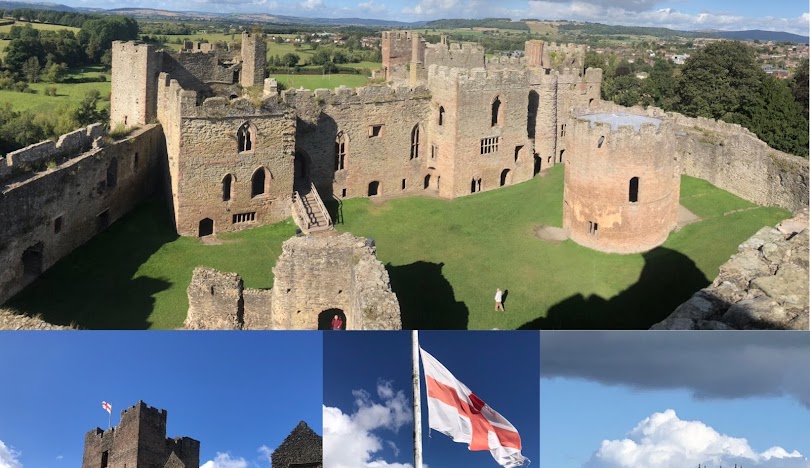
Clun is a small, quiet village with a ruined Norman castle and a lovely old bridge. It’s the kind of place where the loudest noise is a tractor, and even that apologises. A. E. Housman mentioned it in a poem, which is why people still talk about it.
The castle ruins are free to explore, and the surrounding countryside is perfect for gentle walks. If you want to feel like you’ve stepped back in time, this is a good spot. Just don’t expect fast Wi-Fi. Think of it as a forced digital detox.
7. Bury Ditches Hillfort
Bury Ditches is an Iron Age hillfort near Clun, built about 2,000 years ago. It sits at the top of a forested hill, and a short walk takes you up to the ramparts. On a clear day, the view is huge, with hills rolling away in every direction.
There’s also a viewing platform that gives you an even better look. It’s one of the easier things to do in Shropshire Hills if you want a bit of history without a hard hike. And honestly, anyone who built a fort on top of a hill without a lift deserves some respect.
8. Stokesay Castle
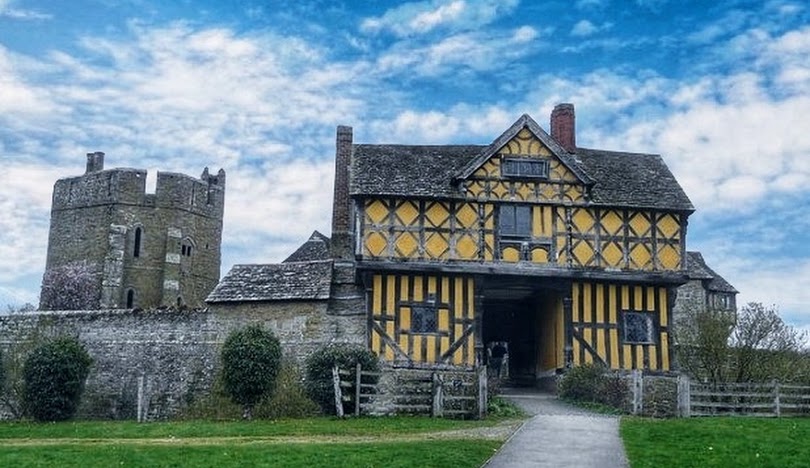
Stokesay Castle is a fortified manor house from the 13th century, and it’s one of the best-preserved examples in England. It has a moat, a timber gatehouse and a great hall that still looks like it’s waiting for a banquet. It’s small but full of character, and it’s much less crowded than the larger castles.
The grounds are lovely for a picnic, though you’ll be sharing it with ducks that have strong opinions about sandwiches. Check the opening times before you go, because they change by season.
Best Time to Visit
The Shropshire Hills are good all year, but each season has a different mood. Spring brings bluebells and lambs, summer is best for long hikes and picnics, and autumn paints the hills in orange and brown. Winter can be cold and muddy, but if you like cosy pubs and empty trails, it has a certain charm.
Heather on the Long Mynd and the Stiperstones usually blooms in late summer, around August and September, and it turns the hills a rich purple. That’s the time for photos, and for pretending you’re in a period drama.
Getting There and Around
You can reach the area by train. Church Stretton and Ludlow both have stations on the Welsh Marches line, which runs between Cardiff and Manchester. From there, local buses and taxis can take you farther in, but a car gives you far more freedom.
Many of the roads are narrow and winding, with high hedges and very little warning before a tractor appears. Drive slowly, use the passing places and wave at other drivers. In this part of England, waving is basically the law.
Final Thoughts
The Shropshire Hills are not the kind of destination that shouts for attention. They’re calm, green, a little bit wild and full of quiet surprises. Whether you want a big hike, a historic castle or just a good pie in a small town, the best places to visit in Shropshire Hills make it easy. Bring boots, a waterproof and a sense of humour, because the weather will test all three.
10 Frequently Asked Questions
1. Are the Shropshire Hills worth visiting?
Yes. They offer beautiful walking, quiet villages, castles and good food without the crowds of more famous areas.
2. Where are the Shropshire Hills located?
They’re in the south of Shropshire, close to the border with Wales, in the west of England.
3. How many days do you need in the Shropshire Hills?
Two or three days is enough to see the main sights. A long weekend lets you walk a bit and visit one or two towns.
4. What is the highest point in the Shropshire Hills?
Brown Clee Hill is the highest, at around 540 metres. The Long Mynd is the best-known and rises to about 516 metres.
5. What is the best time to visit the Shropshire Hills?
Spring and early autumn are usually best for walking, while late summer brings purple heather.
6. Do you need a car in the Shropshire Hills?
It helps a lot. Trains reach Church Stretton and Ludlow, but buses to the smaller villages are limited.
7. Is Ludlow part of the Shropshire Hills?
It sits just on the edge of the Area of Outstanding Natural Beauty and is a popular base for visiting the area.
8. Are the Shropshire Hills good for walking?
Yes. There are routes for all levels, from gentle valley paths to longer hill walks like the Long Mynd and the Stiperstones.
9. Are the Shropshire Hills family-friendly?
Very. Carding Mill Valley, Bury Ditches and the castles are all good for kids, and there are plenty of tea rooms for tired parents.
10. Can you stargaze in the Shropshire Hills?
Yes. The area has low light pollution, and on a clear night the sky is excellent for stargazing.