
Table of Contents
Travel Dartmoor National Park
Introduction
Few landscapes in England feel as untamed as Dartmoor. Granite outcrops called tors rise out of rolling grassland, wild ponies graze beside ancient stone circles, and mist rolls across the moor with almost no warning. If you’re planning to travel Dartmoor National Park, you’re heading into 368 square miles of Devon wilderness that has shaped legends, inspired novelists, and tested walkers for centuries.
This guide draws on repeated visits across different seasons, from summer heather blooms to frost-hardened winter tors. You’ll find practical advice on where to go, when to go, what to eat, and how to plan a trip that actually works — whether you have two days or a full week.
Dartmoor rewards travelers who slow down. It isn’t a park you rush through in an afternoon. It’s a place you walk into, get slightly lost in, and leave already planning your return.
Quick Facts: Dartmoor National Park
- Location: Devon, South West England
- Size: 368 square miles (954 km²)
- Established: 1951
- Highest point: High Willhays, 621m
- Nearest cities: Exeter and Plymouth
- Known for: Granite tors, wild ponies, moorland walking, Dartmoor Prison history
Image: Dartmoor pony grazing near a tor ALT: Wild Dartmoor pony grazing on open moorland with granite tor in background
Best Things to See and Do in Dartmoor National Park
Anyone who wants to travel Dartmoor National Park properly needs a mix of easy sights and proper legwork. The park splits roughly into the high moor (wild, exposed, best for experienced walkers) and the lower fringes (gentler, wooded, accessible for most fitness levels).
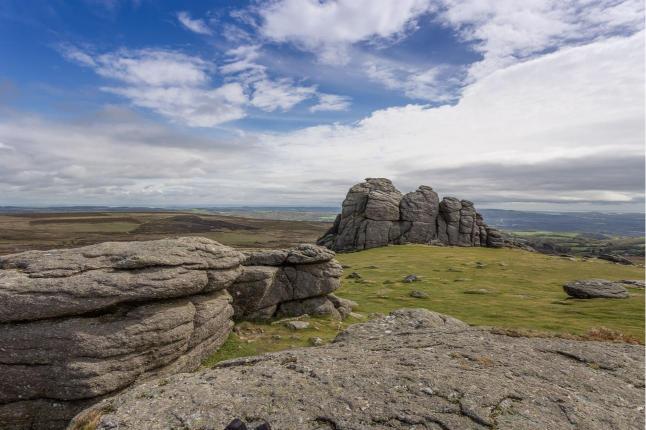
Start with the tors. These granite formations were shaped by weathering over millions of years, and each has its own character. Some are gentle ten-minute strolls from a car park; others require a half-day round trip across open moorland.
Beyond the tors, Dartmoor holds Neolithic and Bronze Age remains scattered across the landscape — stone rows, hut circles, and burial cairns that predate Stonehenge in some cases. History here isn’t fenced off in a museum; it’s just sitting in a field, often with sheep grazing around it.
Estimated visit time for the highlights: 3–4 full days minimum if you want to see the main attractions without rushing.
Top Attractions
Haytor Rocks
The most recognizable tor in the park and the easiest to reach. A short, paved path leads from the car park, making it genuinely accessible for families, wheelchair users on the lower section, and anyone short on time. The views stretch toward the English Channel on a clear day.
Cost: Free. Parking fee applies at the National Trust car park. Time needed: 30–60 minutes.
Wistman’s Wood
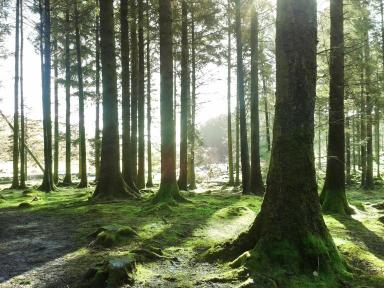
An ancient, stunted oak woodland covered in thick moss, often described as one of the most atmospheric spots in England. It sits along the West Dart River, a moderate 40-minute walk from the nearest car park at Two Bridges.
Photography tip: Visit early morning for mist through the twisted oaks. Midday light is flat and less dramatic here.
Dartmoor Prison Museum, Princetown
A working prison since 1809, with a small museum covering its history, including its origins housing prisoners of the Napoleonic Wars. It’s an unusual but genuinely interesting stop, especially on a wet day when outdoor plans stall.
Cost: Around £6 for adults (check current pricing before visiting).
Postbridge Clapper Bridge
A medieval stone bridge made of massive flat granite slabs laid across wooden piers, spanning the East Dart River. It’s one of the best-preserved examples of this ancient bridge-building style in the country.
Image: Postbridge clapper bridge ALT: Ancient granite clapper bridge crossing the East Dart River at Postbridge
Grimspound
A Bronze Age settlement with the remains of 24 stone hut circles enclosed within a low wall. Walking among the ruins on open moorland, with only sheep and wind for company, gives a strong sense of how old this landscape really is.
Hidden Gems
Most people who travel Dartmoor National Park stick to Haytor and Postbridge. These spots see far fewer visitors.
- Sourton Tors: Quiet, dramatic, and rarely crowded, with views over the northern moor.
- Cranmere Pool: The birthplace of letterboxing (a Dartmoor tradition dating to 1854), reachable only by a serious multi-hour hike across remote moorland.
- Fingle Bridge and Fingle Woods: A wooded gorge along the River Teign, ideal for a shaded walk on a hot day.
- Bellever Forest: A conifer plantation with waymarked trails, good for mountain biking and an easy family walk.
- Merrivale Stone Rows: Two parallel Bronze Age stone rows near a quiet layby, almost always empty even in summer.
Insider tip: Ask at any National Park Visitor Centre for the current condition of moorland paths. Live firing on military ranges occasionally closes sections of the northern moor, and staff will know before any app does.
Best Beaches and Coastal Walks Near Dartmoor
Dartmoor itself is landlocked, but its position between Devon’s north and south coasts means excellent beaches sit within a short drive.
- Bantham Beach (south coast, roughly 45 minutes from the park): wide sandy beach popular with surfers and families.
- Wembury Beach (near Plymouth): rock pools and a coastal path with views to the Great Mew Stone.
- Croyde Bay (north coast, around an hour from northern Dartmoor): one of Devon’s best surf beaches.
Combining a moorland morning with a beach afternoon is a popular pattern for visitors staying in South Devon, and it works well given the relatively short driving distances involved.
Local Food and Famous Specialties
No trip to travel Dartmoor National Park is complete without eating well. Devon’s food culture leans hearty, seasonal, and proudly local.
Must-try dishes and products:
| Dish/Product | Description | Where to Try |
|---|---|---|
| Dartmoor cream tea | Scones, clotted cream, jam | Widecombe-in-the-Moor tea rooms |
| Devon cider | Local farmhouse cider | Whiddon farm shops, pubs |
| Dartmoor lamb | Grazed on the open moor | Local gastropubs |
| Ploughman’s lunch | Cheese, pickle, crusty bread | Traditional moorland pubs |
| Game pie | Venison or pheasant, seasonal | Two Bridges Hotel |
Pub culture matters here. Moorland pubs like The Warren House Inn (one of the highest pubs in England, with a fire reportedly kept burning continuously since 1845) double as essential shelter on a wet walking day, not just a meal stop.
Image: Devon cream tea with scones ALT: Traditional Devon cream tea with scones, clotted cream, and jam near Dartmoor
Best Time to Visit Dartmoor National Park
| Season | Conditions | Best For |
|---|---|---|
| Spring (Mar–May) | Mild, occasional rain, lambing season | Fewer crowds, wildflowers |
| Summer (Jun–Aug) | Warmest, heather blooms in Aug | Long walks, swimming spots |
| Autumn (Sep–Nov) | Crisp air, golden bracken | Photography, quieter trails |
| Winter (Dec–Feb) | Cold, possible snow on high moor | Dramatic scenery, log-fire pubs |
If your goal is to travel Dartmoor National Park for photography, aim for late August when the heather turns the moor purple, or October for autumn colour along the wooded valleys.
Weather note: Dartmoor’s weather changes fast and mist can descend within minutes even on a clear day. Always check the Met Office mountain forecast before heading onto open moorland, regardless of season.
Where to Stay
Princetown: Central, practical base with pubs, a visitor centre, and easy access to the high moor. Good for hikers.
Chagford: A pretty market town on the eastern edge, known for boutique stays and good restaurants. Better for couples wanting comfort alongside the wild scenery.
Widecombe-in-the-Moor: Classic chocolate-box Dartmoor village, quieter, good for a slower pace.
Camping: Dartmoor is one of the few places in England where wild camping is legally permitted in designated areas — check current National Park Authority guidance before pitching, as rules have shifted following legal disputes in recent years.
Family-friendly tip: Farm stays around Moretonhampstead often include animal encounters and easy walking trails, useful for younger children.

How to Get There
By car: Dartmoor sits between Exeter and Plymouth, both accessible via the M5 and A38. A car is genuinely the most practical way to travel Dartmoor National Park, since public transport across the moor itself is limited.
By train: Exeter St Davids and Plymouth both have mainline stations with regular services from London Paddington (roughly 2–3 hours).
By bus: Seasonal services connect towns like Tavistock, Okehampton, and Princetown, though frequency drops sharply outside summer.
Parking: Most car parks charge a small fee (£1–£4), often via cashless apps — coverage is patchy, so download the relevant parking app before you lose signal on the moor.
Sample 2-Day Itinerary
Day 1 — Southern Moor
- Morning: Haytor Rocks, easy walk and photos
- Midday: Lunch in Widecombe-in-the-Moor
- Afternoon: Grimspound Bronze Age settlement
- Evening: Dinner and stay in Chagford
Day 2 — Northern Moor and Woodland
- Morning: Postbridge clapper bridge, short riverside walk
- Midday: Drive to Two Bridges, lunch stop
- Afternoon: Wistman’s Wood walk
- Evening: Dartmoor Prison Museum, Princetown, then dinner at a moorland pub
This pacing works well for a first-time visitor and covers the essentials without excessive driving between stops.
Travel Tips
- Wear proper walking boots — moorland ground is often boggy even in summer.
- Bring a paper map (OS Explorer OL28) since mobile signal disappears across large parts of the moor.
- Watch for wild ponies but never feed them; it encourages dangerous behaviour near roads.
- Layer clothing — temperature and wind conditions shift quickly at altitude.
- For solo travelers, stick to well-marked routes near Haytor or Postbridge rather than the remote northern moor.
- Accessibility: Haytor, Postbridge, and Bellever Forest all have flat or gently graded paths suitable for pushchairs and some wheelchair users.
Nearby Places to Visit
- Exeter: Historic cathedral city with Roman walls, around 30 minutes from the eastern moor.
- Plymouth: Waterfront city with maritime history, close to the southern edge of the park.
- Buckfast Abbey: Working Benedictine monastery on the moor’s southeastern border.
- South Devon coast (Salcombe, Dartmouth): Under an hour’s drive for a combined moor-and-coast trip.
Frequently Asked Questions
Is Dartmoor National Park worth visiting? Yes. It offers some of England’s wildest scenery, ancient archaeology, and varied walking for all fitness levels, all within reach of Exeter and Plymouth.
How many days do you need in Dartmoor National Park? Two to three days covers the main highlights comfortably. A week allows time for remote hikes, multiple villages, and slower exploration.
Can you wild camp in Dartmoor National Park? Wild camping is permitted in specific designated areas under National Park Authority rules, which have changed recently, so check current guidance before your trip.
What is the best month to travel Dartmoor National Park? Late August offers blooming heather, while May and September provide milder weather with fewer crowds than peak summer.
Are dogs allowed in Dartmoor National Park? Yes, dogs are welcome on most paths, though they must be kept under close control near livestock and wild ponies.
Is Dartmoor safe for solo hikers? Well-marked routes near Haytor and Postbridge are generally safe. The remote high moor requires navigation experience and should not be attempted alone by beginners.
How do you get to Dartmoor National Park without a car? Train to Exeter or Plymouth, then seasonal local buses to towns like Tavistock or Okehampton, though coverage is limited outside summer months.
What should I pack to travel Dartmoor National Park? Waterproof boots, layered clothing, a paper OS map, and emergency snacks, since weather and terrain change quickly across the moor.
Conclusion
Dartmoor rewards patience. It isn’t polished or curated the way some national parks are — it’s raw granite, open sky, and centuries of history sitting quietly in the grass. Whether you’re chasing photographs at Haytor, tracing Bronze Age hut circles at Grimspound, or just warming up by a pub fire after a wet walk, there’s a version of this landscape that fits your pace.
If you’re ready to travel Dartmoor National Park, plan around the weather, pack proper boots, and leave room in your itinerary to wander off the main path. That’s usually where Dartmoor is at its best.