
Table of Contents
Travel Peak District National Park
Introduction
I still remember my first drive into the Peak District — the moment the road dropped out of Sheffield’s suburbs and the moors opened up on either side, all heather and grey stone walls stretching to the horizon. That was almost a decade ago, and I’ve been back more times than I can count since, in every season and every kind of weather the Pennines can throw at a visitor.
If you’re planning to travel Peak District National Park for the first time, you’re in for something a little different from Britain’s coastal or Lake District escapes. Established in 1951, it holds the title of the UK‘s first national park, and it sits within easy reach of Manchester, Sheffield, Nottingham, and Leeds — which makes it one of the most accessible wild landscapes in England.
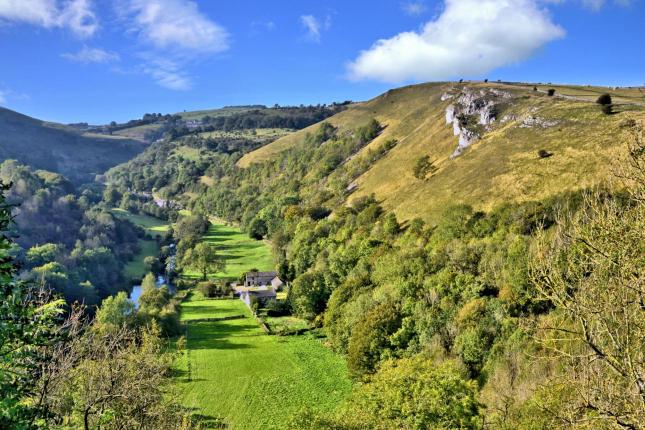
What makes it special is the contrast. The Dark Peak in the north is all brooding moorland, gritstone edges, and reservoirs. The White Peak in the south is softer: limestone dales, sheep-grazed fields, and honey-coloured villages that look like they’ve been lifted from a period drama. There are no mountains here, technically, but there are caverns cut with veins of Blue John stone, stately homes that host film crews every summer, and market towns famous for a pudding invented by accident.
This guide covers everything you need to travel Peak District National Park with confidence: where to go, when to go, what to eat, where to sleep, and how to get around — based on repeat visits, not a single weekend skim.
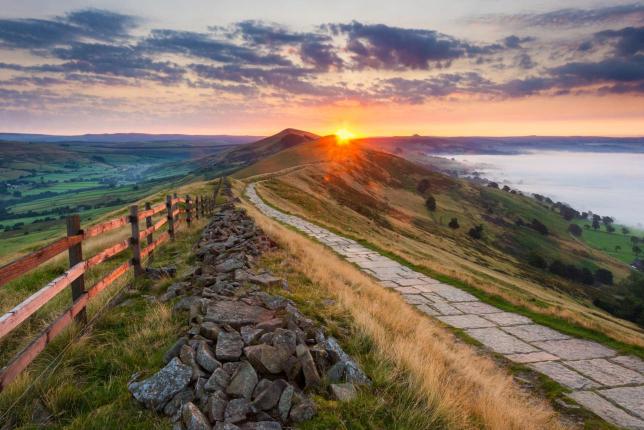
Image: A stone footpath winding through green hills with a gritstone edge in the distance ALT text: Hikers walking the Great Ridge trail near Mam Tor in the Peak District National Park
Best Things to See and Do
The Peak District rewards slow travel. You could spend a week here and still not cover every trail, cave, and village, so it helps to know what genuinely earns a spot on your list versus what’s just well-marketed.
Walking is the backbone of any visit. The Pennine Way begins at Edale, and shorter circular routes around Mam Tor, Kinder Scout, and Stanage Edge give you those postcard views without requiring a full-day commitment. If you’d rather cycle, the old railway lines — Monsal Trail, High Peak Trail, Tissington Trail, and Thornhill Trail — are flat, traffic-free, and suitable for families.
For something underground, the show caverns around Castleton are unlike anything else in England. Peak Cavern, once nicknamed “the Devil’s Arse” by the rope-makers who worked at its entrance for centuries, has one of the largest cave entrances in Britain. Treak Cliff Cavern and Blue John Cavern still yield the rare Blue John stone that’s mined almost nowhere else on Earth.
Stately homes round out the picture. Chatsworth House, seat of the Duke and Duchess of Devonshire, is arguably the park’s single biggest draw, with formal gardens, an art collection, and a working farmyard for kids. Haddon Hall offers a more intimate, less-crowded alternative — a genuinely medieval manor house with none of the polish of a modern visitor centre.
Rock climbing and bouldering are also part of the culture here, particularly along the gritstone edges of Stanage, Curbar, and Froggatt, which have trained generations of British climbers before they moved on to the Alps or Himalayas. You don’t need to climb to appreciate the edges, though — the flat-topped ridges make for some of the easiest, most rewarding short walks in the entire park, with views that rival anything you’ll get after a much longer hike.
For families, farm parks and wildlife attractions like Matlock Farm Park sit alongside the more traditional sights, and several bike hire centres along the old railway trails rent child seats, tag-alongs, and trailers, which makes cycling a realistic option even with very young children in tow. Horse riding schools operate near several of the traffic-free trails as well, so it’s worth booking ahead in summer if that’s part of the plan.
Quick Facts Box
- Established: 1951 (Britain’s first national park)
- Size: approximately 555 square miles (1,437 sq km)
- Highest point: Kinder Scout, 636 metres
- Nearest cities: Sheffield, Manchester, Derby, Nottingham
Top Attractions
Chatsworth House and Estate sits on the banks of the River Derwent and is the park’s most visited paid attraction. Budget half a day if you want to see the house and gardens properly, and check the calendar — outdoor cinema screenings and Christmas markets run seasonally. Expect to pay in the region of £25–£35 for a combined house-and-garden ticket, with parking charged separately.
Mam Tor and the Great Ridge is the walk most visitors put at the top of their list, and for good reason. The paved path makes it accessible to reasonably fit beginners, and the summit delivers a 360-degree view over Edale, Castleton, and Win Hill. Allow two to three hours for the full ridge walk from Castleton and back.
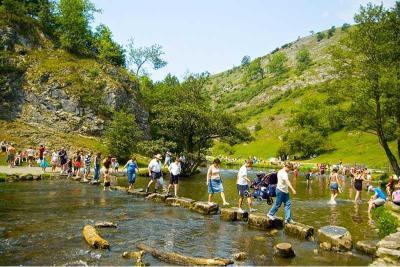
Dovedale and the Stepping Stones in the southern White Peak have been drawing visitors since Victorian times. The stones themselves, laid in the late 1800s, cross the River Dove near Thorpe Cloud. Arrive early — this is one of the most photographed and most crowded spots in the entire park on summer weekends.
Peveril Castle, perched above Castleton, gives you Norman ruins with panoramic views down into Cave Dale for a fraction of the crowd you’ll find at Chatsworth.
Bakewell, the unofficial capital of the White Peak, combines a Tuesday farmers’ market with the origin story of the Bakewell pudding — not to be confused with a Bakewell tart, a distinction locals take seriously.
Image: Aerial view of Chatsworth House with its formal gardens and fountain ALT text: Chatsworth House and gardens in the Peak District National Park, Derbyshire
Hidden Gems
Beyond the obvious highlights, a few spots reward visitors willing to go slightly off the main routes.
Winnats Pass, just outside Castleton, is a dramatic limestone gorge road that most tour buses skip in favour of the busier Mam Tor viewpoint. Walk it rather than drive it if you can — the scale of the rock walls only really registers on foot.
Solomon’s Temple, a Victorian folly above Buxton, is a short uphill walk from Poole’s Cavern that delivers sweeping views over the spa town for free.
Dovestone Reservoir, on the park’s western edge near Manchester, combines reservoir walking with a climb to the Trinnacle rock formation — popular with locals, still relatively unknown to overseas visitors.
Lyme Park, familiar to some as a filming location for a well-known BBC costume drama, offers a deer park and historic house without the queues you’ll find at Chatsworth in peak season.
Thor’s Cave in the Manifold Valley is a dramatic natural cave entrance with a short, steep approach — worth the detour if you’re already exploring the southern dales.
Insider tip: Visit popular spots like Dovedale and Mam Tor before 9am or after 4pm in summer. Car parks fill by mid-morning on any dry weekend, and the light is far better for photography at those hours anyway.
Best Reservoirs and Waterside Walks
The Peak District is landlocked, so there’s no coastline here — but its reservoirs and river valleys serve much the same purpose for walkers looking for water views and flatter terrain.
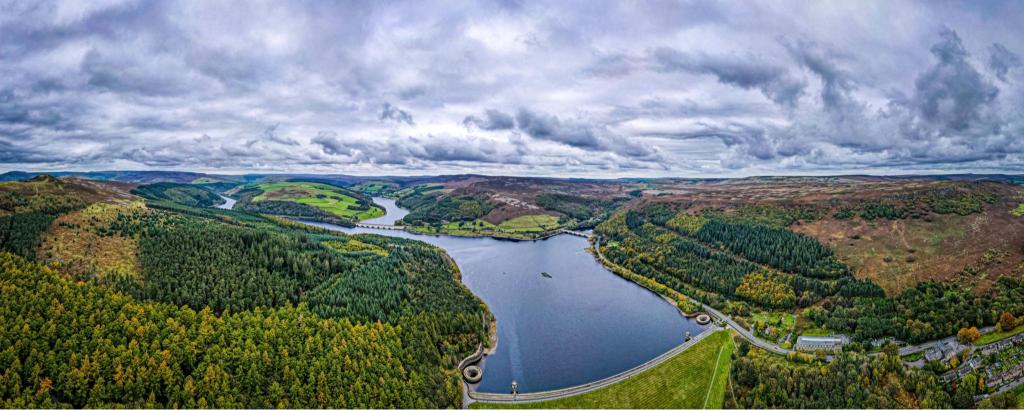
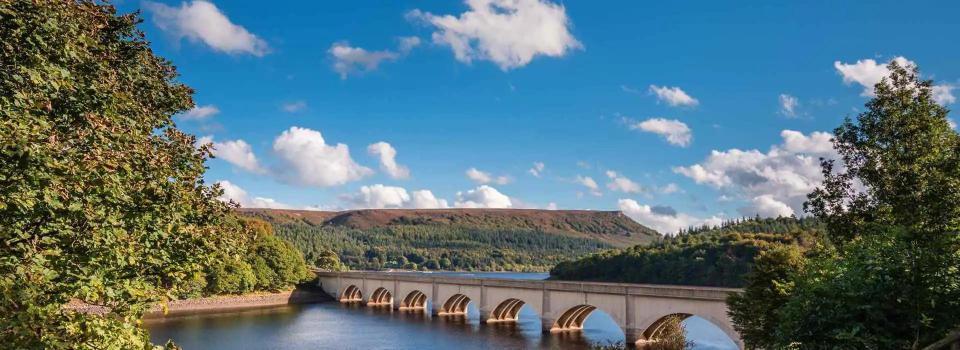
The Upper Derwent Valley, with its three linked reservoirs (Howden, Derwent, and Ladybower), is the park’s answer to a coastal walk. The dam at Derwent Reservoir famously served as a practice site for the Dambusters squadron during the Second World War, and the surrounding forest trails are largely flat and buggy-friendly.
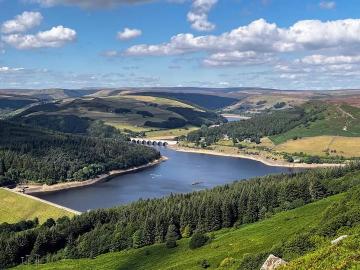
Ladybower Reservoir offers longer circular routes with views over the Snake Pass road, while Carsington Water in the southern part of the park is popular for watersports, sailing, and an easy 8-mile circular path suitable for families and cyclists.
For a genuine riverside walk, the Monsal Trail follows a disused railway line through limestone dales, crossing viaducts with views down into the Wye Valley — one of the most scenic and least strenuous routes in the park.
Comparison Table: Waterside Walks
| Location | Distance | Difficulty | Best For |
|---|---|---|---|
| Upper Derwent Valley | Up to 10 miles | Easy–Moderate | Families, history |
| Ladybower Reservoir | 8 miles (full loop) | Moderate | Longer day walks |
| Carsington Water | 8 miles | Easy | Cycling, watersports |
| Monsal Trail | 8.5 miles | Easy | Photography, cycling |
Local Food and Famous Specialties
Peak District food culture centres on hearty, unpretentious cooking, with a few specialties you won’t easily find elsewhere.
The Bakewell pudding is the headline act — a puff pastry case filled with almond-flavoured custard, said to have been created by accident when a cook misread a jam tart recipe. The Old Original Bakewell Pudding Shop still bakes to the (disputed) original recipe.
Derbyshire oatcakes, thin savoury pancakes made from oatmeal, are a breakfast staple in the northern towns near Staffordshire, usually filled with bacon, cheese, or sausage.
Traditional pubs across the park serve Hope Valley lamb and other locally reared meat, often alongside a pint from one of the region’s small breweries — Thornbridge in Bakewell and Peak Ales near Chatsworth are worth seeking out.
For something sweeter, look for Buxton blue cheese or a slice of homemade treacle tart in the tearooms around Castleton and Buxton — both towns take their café culture seriously, a legacy of their Victorian spa-town heritage.
Farm shops are worth building into your route as well. Many working farms across the White Peak sell their own lamb, beef, and dairy direct from honesty-box stalls or small shops, and several now run cafés attached to the farm itself, serving simple lunches made almost entirely from produce grown or reared on site. Vegetarian and vegan options have improved considerably in recent years, with most village pubs now offering at least one plant-based main alongside the traditional Sunday roast.
Practical tip: Many rural pubs stop serving food between lunch and dinner, often closing the kitchen from 2:30pm to 6pm. Plan meal stops around this if you’re hiking through the afternoon.
Best Time to Visit
Spring (April–May) brings lambing season to the hillside farms and wildflowers to the dales, with fewer crowds than summer and reasonably reliable walking weather.
Summer (June–August) is peak season in every sense — longest daylight hours, busiest car parks, and the best chance of dry weather for multi-day hikes. Book accommodation well in advance if you’re visiting in July or August.
Autumn (September–October) turns the woodland trails around Dovedale and the Derwent Valley into a mass of copper and gold, and the deer rut at Chatsworth and Lyme Park draws its own crowd of wildlife photographers.
Winter (November–March) is the quietest and, for many regulars, the most atmospheric time to travel Peak District National Park. Higher routes like Kinder Scout can turn genuinely hazardous in snow and ice, so stick to lower valley walks unless you’re an experienced winter hiker with the right kit.
Quick Facts Box
- Best for wildflowers: April–June
- Best for autumn colour: Late September–October
- Wettest months: November–January (pack layers year-round regardless)
- Deer rut at Chatsworth/Lyme Park: Late September–October
Where to Stay
Accommodation in the Peak District ranges from budget campsites to five-star country house hotels, and where you base yourself changes the whole shape of your trip.
Bakewell and Castleton are the two most popular bases for first-time visitors, both walkable, well-served by pubs and cafés, and central enough to reach most major attractions within a 20–30 minute drive.
Buxton, the park’s unofficial capital just outside the boundary, suits travellers who want a proper town with restaurants, theatre, and thermal spa facilities alongside easy access to the hills.
Edale, tiny and remote, is the choice for serious walkers heading out on the Pennine Way, with a handful of B&Bs and a well-regarded youth hostel.
For a genuine treat, several historic estates — including properties on the Chatsworth land — offer boutique hotel stays with direct access to the grounds.
Camping and glamping options cluster around Hope Valley and the Manifold Valley, both offering easier access to less-crowded trails than the honeypot villages.
Couples’ tip: Look at boutique inns around Ashford-in-the-Water or Youlgreave — smaller, quieter villages within a short drive of Bakewell’s restaurants.
Solo traveller tip: Hostels in Edale and Castleton are sociable, affordable, and put you within walking distance of trailheads, so you’re not dependent on a car.
How to Get There
By car, the Peak District is genuinely central to England’s motorway network. The M1 skirts the eastern edge, giving access via Chesterfield and Matlock, while the M6 and A6 serve the western side toward Buxton. Journey times are roughly 45 minutes from Sheffield, an hour from Manchester, and just over two hours from London.
By train, Sheffield and Manchester both have direct rail links into the park itself — the Hope Valley Line runs from Manchester Piccadilly through Edale and Hope to Sheffield, stopping at some of the best trailheads along the way, which makes it one of the most scenic and useful train journeys in the country for walkers without a car.
Once inside the park, public transport thins out considerably. Local bus services connect the main towns but run infrequently, especially on Sundays and in winter, so a car (or a bike, if you’re comfortable with hilly terrain) makes exploring the wider park far easier.
Accessibility note: The Monsal Trail and sections of the Upper Derwent Valley are surfaced and largely step-free, making them among the more accessible routes for wheelchair users and pushchairs. The National Park Authority publishes detailed accessibility guides for specific trails.
Sample 2-Day Itinerary
Day 1: The Classics (White Peak focus)
Start early at Bakewell for breakfast and a look at the market if it’s a Monday or Thursday. Drive or cycle the short distance to Chatsworth House for the late morning, allowing two to three hours for the house and gardens. In the afternoon, head to Dovedale for a walk to the Stepping Stones and up Thorpe Cloud, finishing with dinner back in Bakewell — try the pudding, obviously.
Day 2: The Wild Side (Dark Peak focus)
Base yourself in Castleton and spend the morning exploring one of the show caverns — Peak Cavern or Treak Cliff Cavern both work well. After lunch, tackle the Great Ridge walk from Castleton up to Mam Tor and back, roughly three hours round trip. If you have energy left, drive up through Winnats Pass at golden hour before heading to your evening base.
Extend to 3 days: Add the Upper Derwent Valley reservoirs and a cycle along the Monsal Trail, staying overnight in Buxton to explore Poole’s Cavern and the Pavilion Gardens.
Travel Tips
- Pack for four seasons in one day. Peak District weather changes fast, even in summer — a waterproof layer isn’t optional.
- Book popular car parks in advance where possible, especially at Dovedale, Mam Tor, and Chatsworth on summer weekends; overflow parking fills by mid-morning.
- Download offline maps. Mobile signal is patchy across much of the moorland, particularly in the Dark Peak.
- Respect the “Right to Roam” access land but stay on marked paths across farmland to avoid disturbing livestock, especially during lambing season in spring.
- Bring cash for smaller villages. Some rural cafés and honesty-box farm stalls still don’t take cards.
- Photography tip: Early morning light on the gritstone edges (Stanage, Curbar) produces the best contrast; sunset works better for the limestone dales in the south.
- Check trail conditions before you set out, especially after heavy rain — some low-lying paths near the reservoirs flood, and higher moorland routes can become genuinely boggy underfoot even in summer.
- Layer up regardless of the forecast. Temperatures on exposed ridges like Kinder Scout and Stanage Edge run several degrees cooler than in the valley towns, and wind chill is a real factor even on a sunny day.
- Consider a midweek visit if your schedule allows it — car parks, trails, and popular cafés are noticeably quieter Monday to Thursday, even during the summer school holidays.
Nearby Places to Visit
If you have extra time, several attractions just outside the park boundary make easy add-ons. Alton Towers, Britain’s largest theme park, sits a short drive south and suits families wanting a change of pace from hiking. Matlock Bath, with its cable car and Victorian promenade, offers a quirky, slightly kitsch contrast to the park’s wilder scenery. The historic city of Derby, home to the UNESCO-listed Derwent Valley Mills, gives useful context on the industrial heritage that shaped this whole region. Sheffield itself, the self-styled “outdoor city,” is worth a day for its galleries, markets, and easy access to the eastern moors.
Frequently Asked Questions
Is the Peak District worth visiting? Yes — it combines dramatic moorland, historic stately homes, and traditional villages within easy reach of several major cities, making it one of England’s most rewarding short breaks for walkers, families, and history lovers alike.
How many days do you need in the Peak District? Two to three days covers the highlights comfortably, though a week lets you explore both the Dark Peak and White Peak properly, including quieter trails away from the main honeypot sites.
Is the Peak District good for beginners or only experienced hikers? Both. Trails like the Monsal Trail and Upper Derwent Valley are flat and well-surfaced, while routes up Kinder Scout or Bleaklow suit experienced hikers with proper navigation skills.
What is the nearest city to the Peak District National Park? Sheffield sits right on the eastern boundary, with Manchester close on the western side — both offer direct train access into the park via the Hope Valley Line.
Do I need a car to visit the Peak District? Not strictly, thanks to the Hope Valley train line, but a car makes it far easier to reach remoter villages, reservoirs, and trailheads, since local bus services are limited.
What is the Peak District famous for? It’s known as Britain’s first national park, its show caverns and Blue John stone, historic estates like Chatsworth, and the invention of the Bakewell pudding.
Are dogs allowed in the Peak District National Park? Yes, dogs are welcome on most trails, though they must be kept on leads near livestock, particularly during lambing season, and some historic house grounds restrict access to gardens only.
When is the best time to see the Peak District’s autumn colours? Late September through October, particularly around Dovedale, the Upper Derwent Valley, and the woodland trails near Chatsworth and Lyme Park.
Is Bakewell or Castleton a better base for exploring the park? Bakewell suits visitors focused on the White Peak’s stately homes and dales, while Castleton is better positioned for caverns, Mam Tor, and Dark Peak walking routes.
What should I pack for a Peak District trip? Waterproof layers, sturdy walking shoes, an offline map or GPS device, and cash for smaller village shops and cafés, regardless of the season.
Conclusion
Whether you’re chasing dramatic ridge views, medieval castles, or a proper slice of Bakewell pudding, the Peak District rewards visitors who slow down and actually get out of the car. It’s rare to find somewhere this wild sitting so close to major cities, and that accessibility is exactly what makes it worth returning to again and again.
However many days you have, the advice stays the same: pack for changeable weather, book ahead for the busiest spots, and leave room in your plans for the unmarked detour — that’s usually where this park shows you something you’ll actually remember. If you’re ready to travel Peak District National Park for yourself, use the itinerary above as a starting point and build outward from there.