
Table of Contents
Aira Force
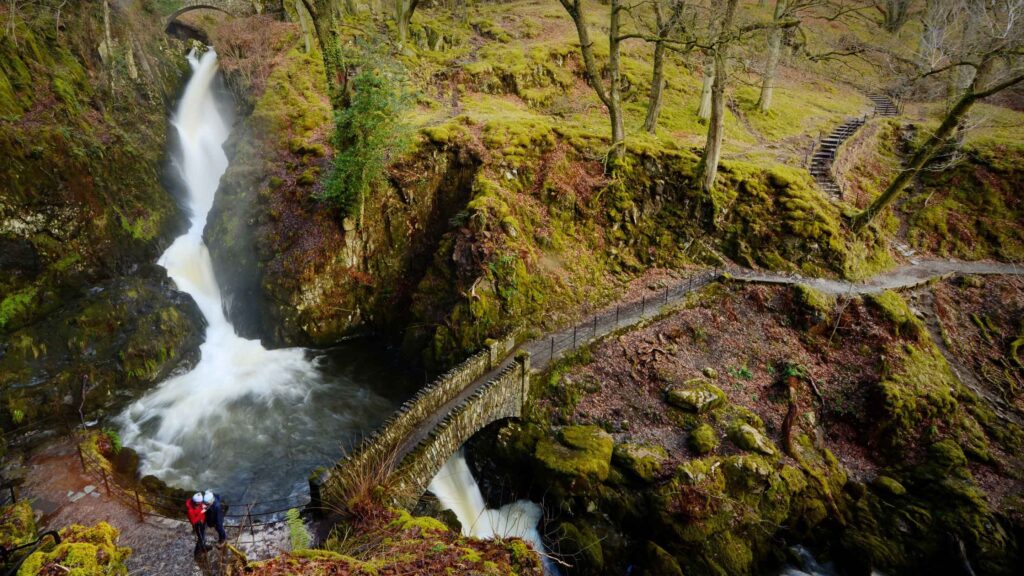
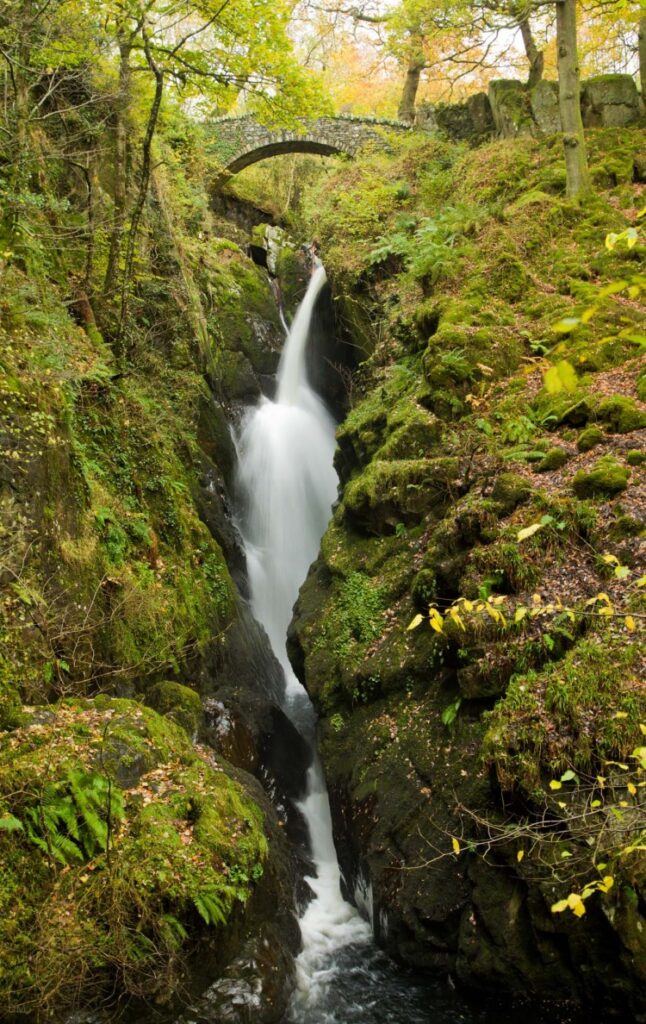
Aira Force is one of the best-known waterfalls in the Lake District, and it is easy to see why. Aira Beck drops about 65 feet (20 metres) into a wooded gorge close to the western shore of Ullswater. The main falls are dramatic, the woodland around them is worth exploring in its own right, and the walk from the car park takes only 20 to 30 minutes. The falls sit inside a park cared for by the National Trust, so the route feels more like a stroll through a landscaped valley than a hard hike.
The setting has a long story behind it. Gowbarrow Park was once a medieval hunting park, and Aira Force later became an eighteenth-century pleasure ground with paths, bridges and planted trees. In 1906 the National Trust bought 750 acres of the park after it came up for sale as housing plots. Visitors have been drawn to the falls for around 300 years.
This guide is written for anyone planning a trip to Aira Force, from families with young children to walkers who want a longer day on the fells. It explains what to expect on the waterfall trail, how to get there, where to park and when to go. It also covers the climb to Gowbarrow Fell, facilities, dogs, accessibility, and places to stay and eat nearby.
Information can change, so check the National Trust website for current parking charges, path closures and opening arrangements before you travel. The paths are rocky and the Lake District weather can turn quickly, so a little planning goes a long way.
Why Visit Aira Force?
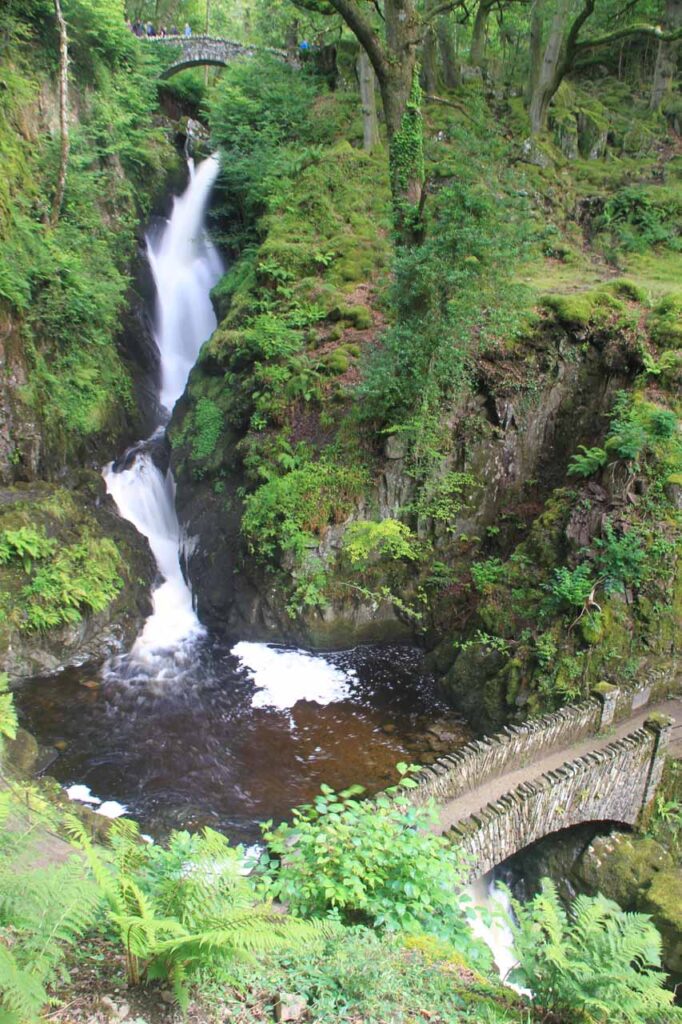
The main reason is the waterfall. Aira Beck collects rainwater from the fells and tumbles in one leap into a pool below, with ferns, moss and rock on either side. The roar of the water is as much a part of the visit as the view.
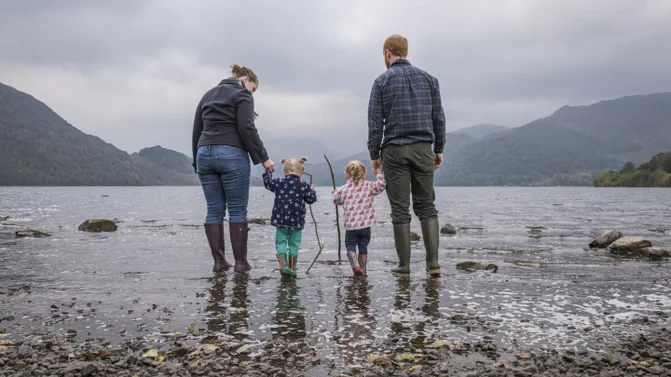
But Aira Force offers more than one waterfall. The surrounding park has woodland trails, open glades, champion trees and picnic spots, and red squirrels live in the woods. The National Trust advises arriving early for the best chance of spotting one. At Aira Green, on the Ullswater shore, visitors can paddle, picnic or skim stones after the walk.
The location suits different types of traveller. Families can keep the visit short, walkers can extend it up Gowbarrow Fell, and photographers can spend time around the bridges and viewing platform. Literary visitors may enjoy knowing that Wordsworth used the falls as the backdrop for his poem The Somnambulist, and that he wrote Daffodils after a walk along this part of Ullswater.
Walking to the Waterfall at Aira Force
Most visitors start at the main car park near the Welcome Building. Well-marked paths lead from there to the falls, and the walk takes around 20 to 30 minutes at a steady pace. The National Trust offers several waymarked walks of between 0.5 and 2 miles, so it is easy to choose a short trip or a longer loop. A large trail map stands by the Welcome Building, and the trust suggests taking a photo of it or bringing a printed copy.
The paths are uneven, with stepped sections, narrow stretches and some steep drops, so they are not ideal for pushchairs. Surfaces can be muddy and slippery, and sturdy footwear is recommended. Benches at intervals along the route give walkers a chance to rest.
The Bridges and Viewing Platform
Two stone bridges cross the gorge and waterfall, and they are the classic viewpoints. They honour two members of the Spring-Rice family from nearby Watermillock and were put up by friends and family. Beside the lower bridge, a metal viewing platform lets visitors feel the spray and hear the full force of the water. A metal walkway that opened in 2023 also follows the gorge, giving a more dramatic route while protecting the ground from erosion. Take care on wet metal and stone.
Longer Walks from Aira Force
Aira Force works well as the start of a bigger day out. Trails climb from the lakeshore through woodland to the summit of Gowbarrow Fell, passing tall Himalayan firs, glades and picnic spots on the way. Long-distance walkers pass through too, because the Ullswater Way, a 20-mile waymarked route around the lake, runs by the falls and links Glenridding, Pooley Bridge and Howtown.
Gowbarrow Fell Summit
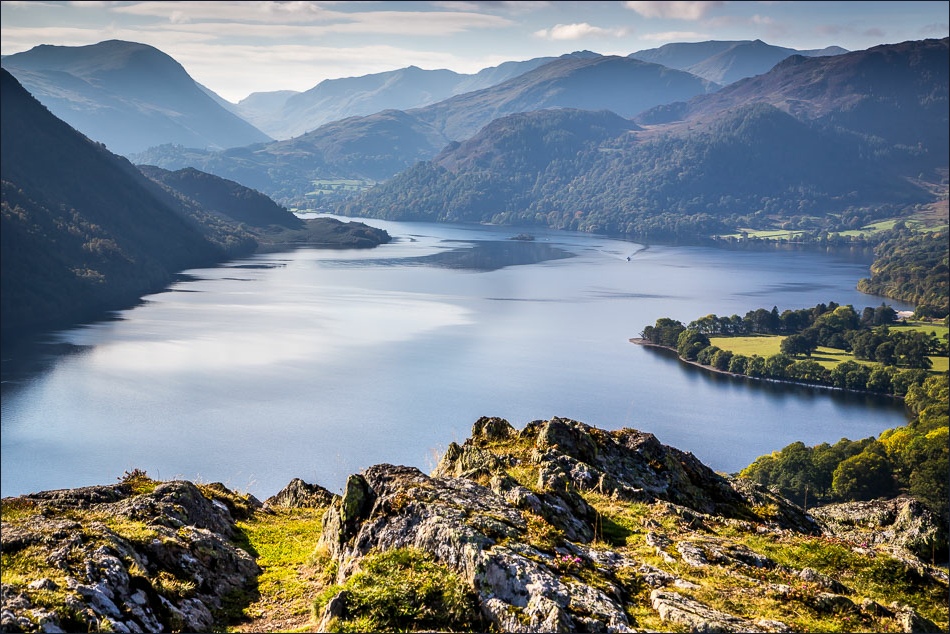
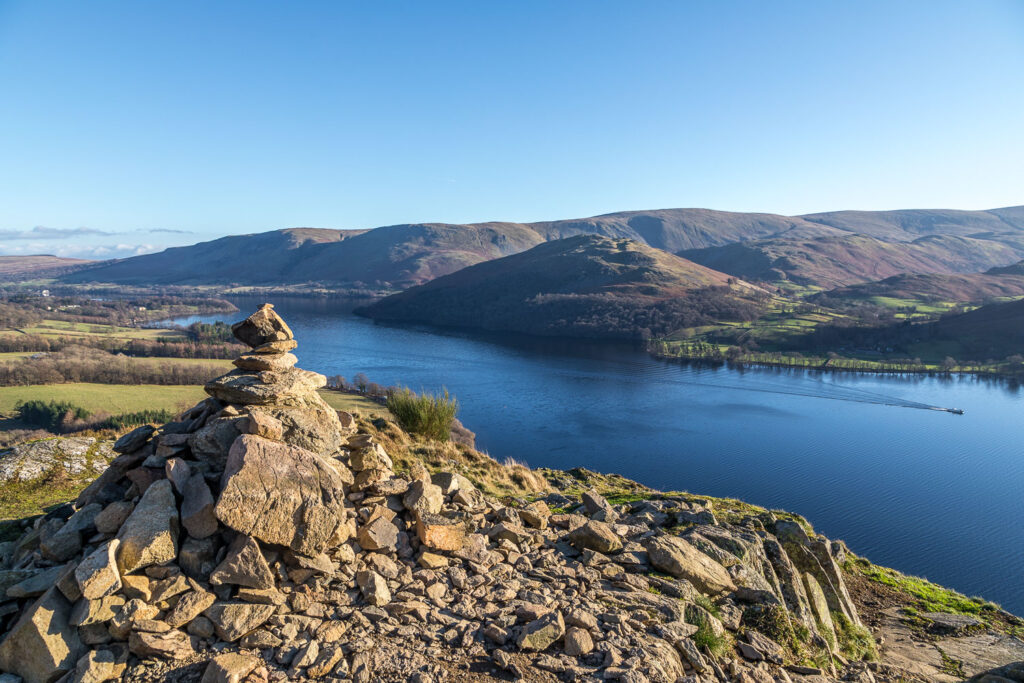
Gowbarrow Fell is a modest fell rather than a big mountain, and its highest point, Airy Crag, stands at 481 metres. The National Trust promotes a circular walk from Aira Force through woodland and open glades to the summit, where views open out across Ullswater. Herdwick sheep and other hardy breeds graze the fell, so dogs should stay on leads. Allow more time than the waterfall trail needs, and check the forecast first. Boots are a better choice than trainers on the higher ground.
The Linear Walk to Glencoyne
The National Trust also describes a linear walk from Aira Force to Glencoyne, passing veteran trees with views of the fells beyond Ullswater. Because it is a one-way route, visitors need to plan the return in advance, for example by checking bus times along the lake road or arranging a lift. A route description with a map and photos can be downloaded from the National Trust website, and the trail is described as suitable for many walkers.
How to Get to Aira Force and Where to Park
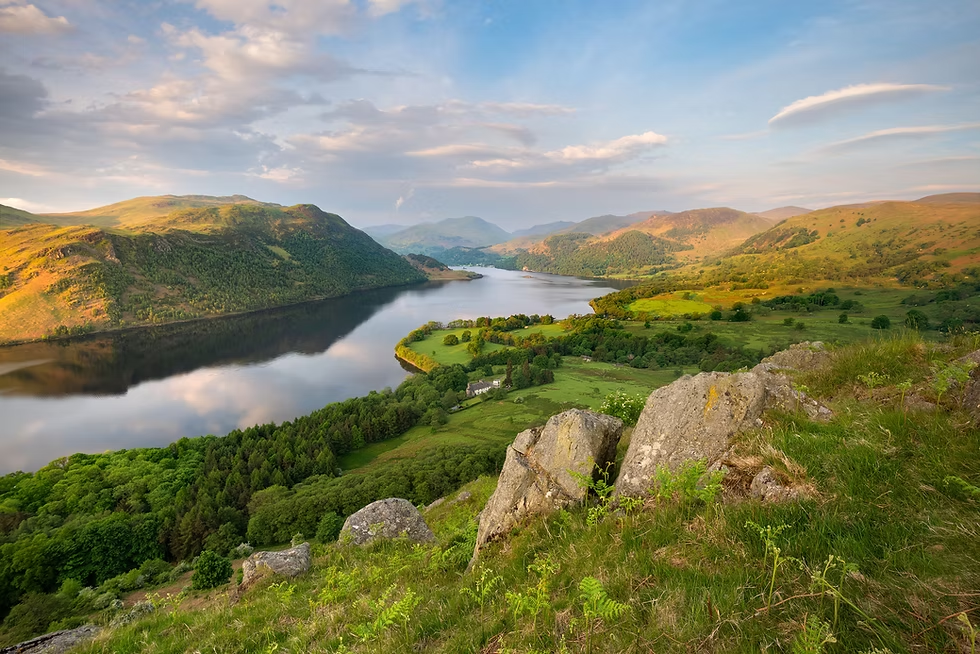
Aira Force lies on the western shore of Ullswater, roughly midway along the lake between Pooley Bridge in the north and Glenridding in the south.
By car, the main Aira Force car park is signposted from the lakeside road, and the postcode CA11 0JS is often used for sat nav. Sat nav does not always lead directly to the car park, so watch for signs. Parking is charged, and National Trust members park for free. The trust runs four car parks in the Ullswater area, which gives some choice when the main one is busy. Check the National Trust website for current fees.
By bus, Stagecoach route 508 runs from Penrith through Pooley Bridge and Glenridding to Patterdale, with connections at Penrith railway station. Check the current timetable and the stop nearest the falls before travelling. By boat, Ullswater Steamers call at the pier at Aira Green, so visitors can start in Glenridding, arrive by water and stroll back along the lakeshore.
This quick summary may help with planning:
| Information | Details |
|---|---|
| Best for | Families, walkers, photographers |
| Walk to the falls | About 20–30 minutes from the main car park |
| Waymarked walks | 0.5 to 2 miles |
| Terrain | Rocky, uneven, stepped, sometimes slippery |
| Parking | Charged; free for National Trust members |
| Dogs | Welcome on leads |
| Nearest villages | Glenridding and Pooley Bridge |
Best Time to Visit Aira Force
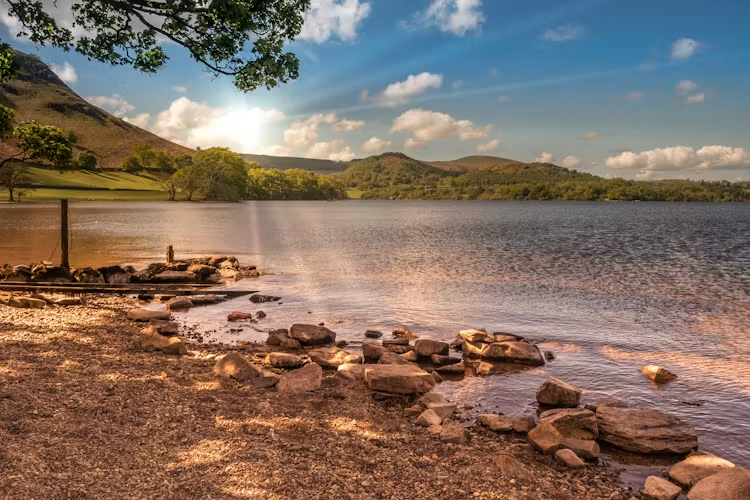
The falls can be visited throughout the year, and each season brings a different mood. The waterfall is fed by rain running off the fells, so it usually looks most impressive after wet weather. The same rain makes paths slippery, so good footwear matters more than usual. After a long dry spell the flow may be lighter, though the woodland walk is still pleasant.
Spring brings fresh growth to the woods, and autumn colour is popular with photographers. Summer weekends and school holidays are likely to be busier, so arrive early to find parking and avoid the crowds around the bridges. Mornings are often calmer than the middle of the day, and an early start also gives the best chance of seeing red squirrels. In winter, daylight is short and stone steps and metal surfaces can be icy, so check the forecast and allow extra time.
Whatever the season, pack a waterproof jacket. Lake District weather can change quickly, and the lake and fells can look very different from one hour to the next.
Facilities, Dogs and Accessibility
Facilities: The Welcome Building near the road entrance to the car park has visitor reception, and the toilets are about 40 metres from it. A tea-room and kiosk serve light lunches, cakes, ice cream and hot and cold drinks, and a small shop sells gifts and souvenirs. The picnic area is to the right of the Welcome Building and has step-free access. A free virtual reality headset there offers a seated tour of the waterfall walk or the hike up Gowbarrow Fell, which is useful for anyone who cannot manage the paths.
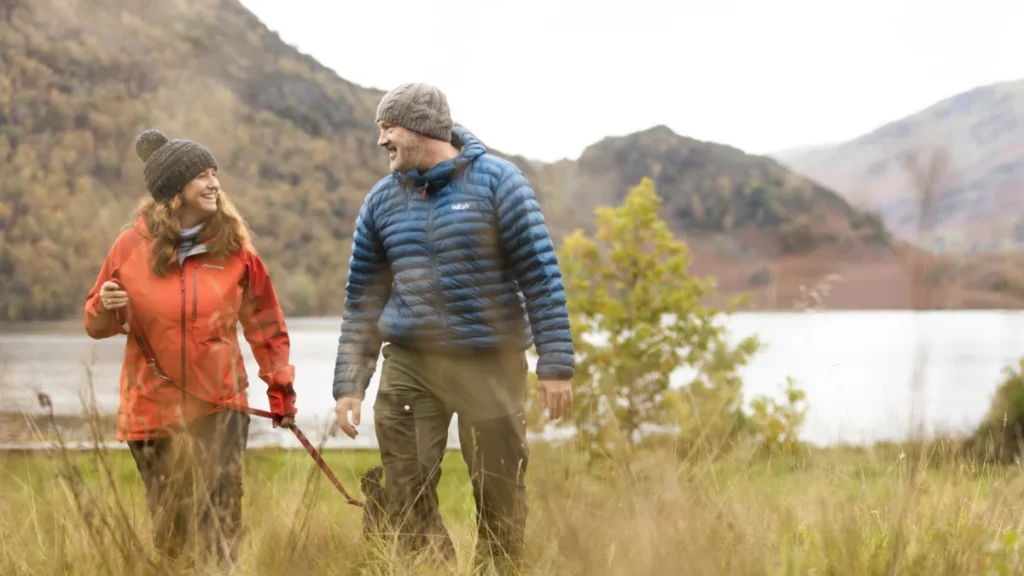
Dogs: The site has a three-pawprint rating from the National Trust, and well-behaved dogs on leads are welcome. Water bowls are placed around the car park and tea-room area. Owners should read the Canine Code and keep dogs close on the fell, where sheep graze.
Accessibility: The paths to the waterfall are uneven and steep in places, with rough stone steps and loose gravel. The gravel path to Aira Green on the lakeshore is accessible for most visitors, though it involves crossing the main road. One manual wheelchair can be borrowed free from the Welcome Building, and adapted picnic tables are available.
What to bring:
- Sturdy, waterproof footwear
- A waterproof jacket
- Water and snacks
- A photo or printed copy of the trail map
- A lead and bags if you are travelling with a dog
Where to Stay, Eat and What to See Nearby
Where to stay: Glenridding, Patterdale and Pooley Bridge are convenient bases around Ullswater. The area has a mix of hotels, B&Bs, campsites and self-catering options, and Penrith, which has a railway station, is the nearest larger town with bus links to the lake. Book early for summer weekends and school holidays.
Food and drink: The tea-room and kiosk are handy for a cake or a hot drink after the walk. The villages around Ullswater are the best places to look for a full meal, so plan a stop in Glenridding or Pooley Bridge on the way home.
Nearby places: An Ullswater Steamers cruise is a relaxed way to see the lake. Glenridding is a popular starting point for Helvellyn, England’s third-highest mountain, and Hallin Fell gives a shorter climb with wide views. Canoeists can launch near Glencoyne Bay, and the National Trust also describes a three-mile walk through the hill farm at Glencoyne with views of Ullswater.
Visitors planning a longer trip to the region may also enjoy our guides to the Buttermere Valley, Ennerdale Valley and Langdale Pikes.
FAQ
How long does it take to walk to the waterfall?
From the main car park, the walk to the falls takes around 20 to 30 minutes at a steady pace. The National Trust waymarked walks range from 0.5 to 2 miles. Allow extra time for photographs, the viewing platform and a stop at the tea-room.
How much does parking cost?
Parking near the falls is charged, and National Trust members park for free. Charges can change, so check the National Trust website before your visit. The trust runs four car parks in the Ullswater area, which may help when the main one is full.
Are dogs allowed at Aira Force?
Yes, well-behaved dogs on leads are welcome, and the site has a three-pawprint rating from the National Trust. Water bowls are available near the car park and tea-room. Keep dogs on leads on the fell, where sheep graze, and read the Canine Code before you go.
Is Aira Force suitable for families with children?
Many families visit, and there is a natural play area, picnic space, red squirrels and lakeshore access at Aira Green. The paths to the falls are steep and uneven with stone steps, so pushchairs are difficult and children need supervision near the gorge.
Can you walk from Aira Force to the top of Gowbarrow Fell?
Yes. Trails lead from the waterfall woods up to the summit of Gowbarrow Fell, which reaches 481 metres at Airy Crag. The National Trust promotes a circular walk with wide views over Ullswater. Allow more time than the waterfall trail, wear sturdy footwear and check the weather.
Conclusion
Aira Force is one of the most rewarding short walks in the Lake District. The waterfall is reached in about 20 to 30 minutes, the paths are well marked, and the woodland, bridges and viewing platform give plenty to see. For a longer day, Gowbarrow Fell and the Ullswater Way open up views across the lake.
The most useful advice is simple. Wear sturdy footwear, allow for wet and slippery ground, arrive early, and check the National Trust website for parking charges and any path closures. Dogs on leads, families and visitors who need step-free options can all find something to enjoy, provided they choose the right route.
If you are ready to plan a trip to Aira Force, pick your walk, check the weather and give yourself time to enjoy Ullswater as well as the falls.